How Acoustic Panels Are Redefining Luxury Home Decor
Visualize luxury interiors filled with elements such as velvet upholstery, polished metal accents, or sleek stone surfaces. Recently, a more subtle innovation has gained prominence. Acoustic panels, traditionally used in recording studios and performance venues, now represent a hallmark of discerning, upscale residential design. These panels extend beyond mere noise reduction. They enhance the overall sensory experience of a space, improve its practicality, and align with the nuances of everyday life.
Key Overview
Applicable Spaces: Urban apartments and spacious suburban residences
Primary Emphasis: Acoustic management, material texture, and atmospheric enhancement
Principal Advantage: Reduced reverberation, deepened sensory immersion, and refined aesthetic integration
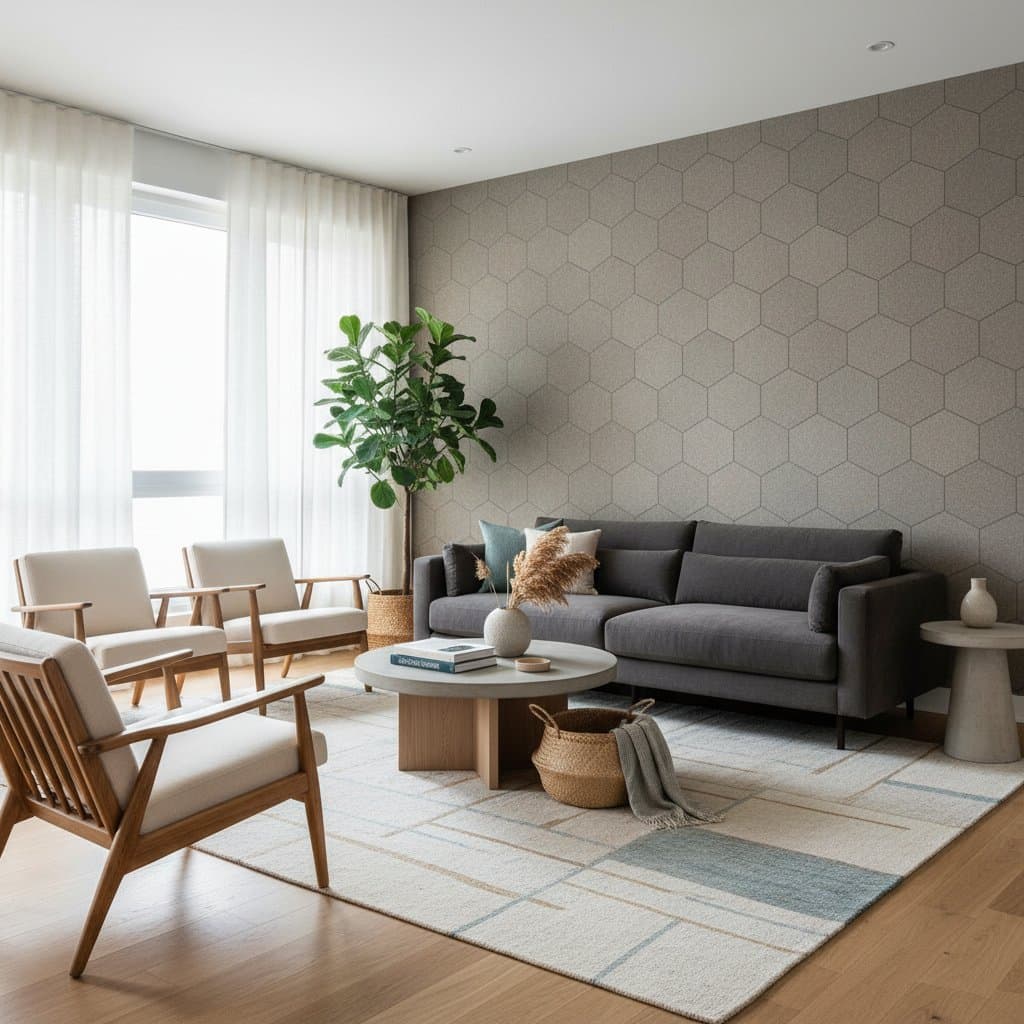
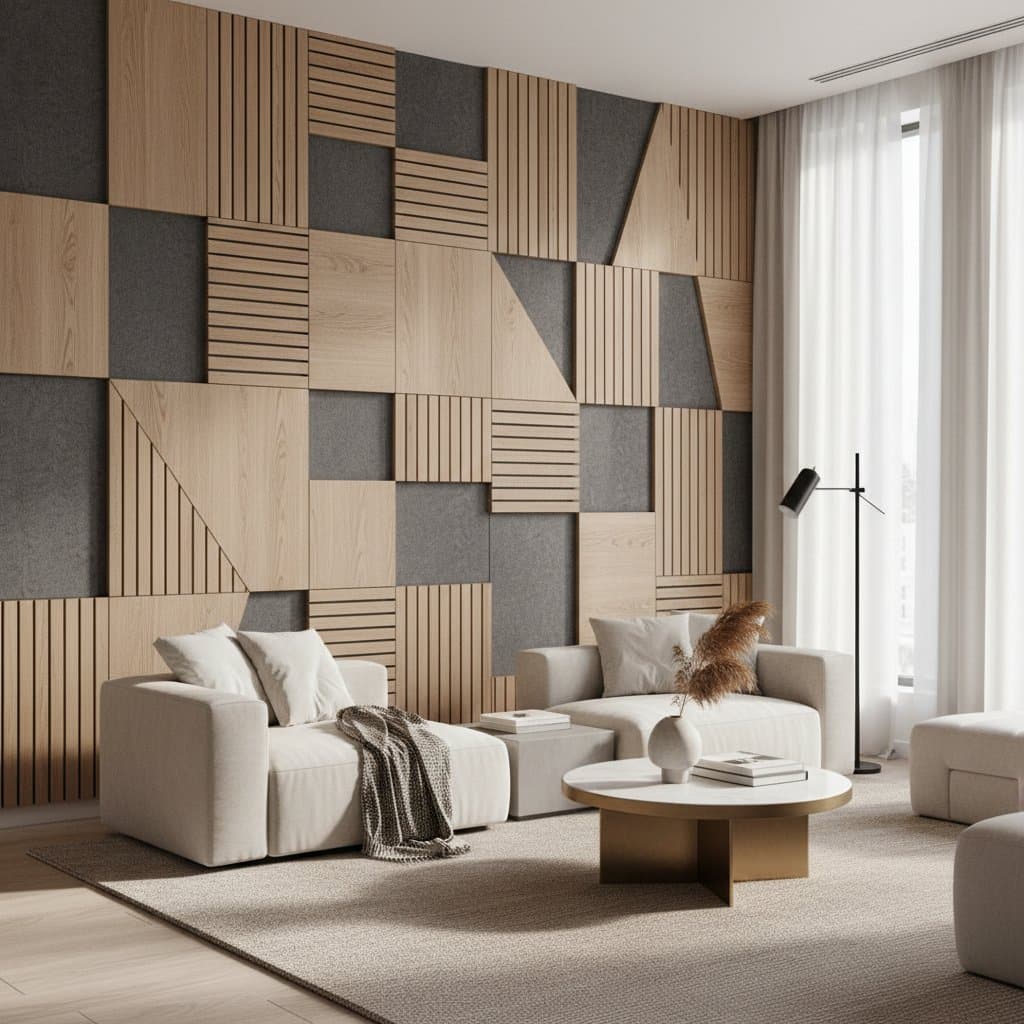
Contemporary acoustic panels transcend utilitarian foam blocks concealed behind decor. Interior designers incorporate them as essential components of the narrative design. Options include coverings in wool fabrics, natural linens, or wood veneers like oak. Panels may manifest as artistic wall installations or understated structural elements. The outcome creates environments that appear sophisticated while promoting tranquility.
The Shift to Sensory Sophistication
Integration of acoustic panels alters the character of a space significantly. Consider a modern loft: previously, echoes amplified every sound, creating a sense of unrest. With panels in place, the environment gains stability. Audio levels mellow, dialogue flows effortlessly, and ambient noises like footsteps diminish in intensity. Installations might feature panels as a focal wall element behind seating areas or integrated into ceiling frameworks. Visually, the change remains understated, yet its impact on routine activities proves transformative.
Current definitions of luxury emphasize sensory comfort alongside aesthetic appeal. An acoustically optimized room fosters poise and relaxation. It facilitates unstrained interactions and undisturbed contemplation. Such qualities surpass the capabilities of ornate lighting fixtures or elaborate millwork.
To illustrate, envision a high-ceilinged living area in a city penthouse. Without treatment, television audio overwhelms adjacent conversations, and laughter reverberates uncomfortably. Acoustic panels, clad in a neutral linen, absorb excess sound waves, allowing media to integrate seamlessly with social moments. The result is a venue that supports both solitude and gathering, embodying refined living.
Everyday Enhancements Through Sound Design
An acoustically refined home influences daily routines profoundly. For families with children, minimized echoes reduce disorder during study sessions or playtime. In dedicated workspaces, virtual meetings maintain clarity without intrusive environmental noise. Evening entertainment, such as film viewings, delivers nuanced details at moderate volumes, enhancing immersion without fatigue.
The psychological benefits extend further. Research in environmental psychology indicates that balanced acoustics lower stress levels and improve focus. In a treated room, sound profiles promote physiological calm, akin to the serene ambiance of a wellness retreat or an upscale hospitality lounge. This intangible ease redefines opulence as accessible and restorative.
For instance, professionals working remotely often face distractions from open-plan layouts. Strategic panel placement behind desks or along shared walls clarifies voice transmission during calls, projecting confidence and professionalism. Similarly, in multi-level homes, panels on stairwells prevent noise migration between floors, preserving privacy and peace.
Essential Considerations
- Initiate Modestly: A single cluster of panels can yield noticeable improvements in smaller areas.
- Integrate Harmoniously: Select materials that either complement existing palettes or introduce subtle contrast for visual interest.
- Address Overhead Acoustics: Ceiling-mounted options effectively capture sound reflection from above.
- Combine with Soft Furnishings: Incorporate area rugs, drapery, and upholstered pieces to amplify overall sound absorption.
- Evaluate Material Durability: Choose options suited to high-traffic zones, such as stain-resistant fabrics or sealed woods.
Integrating Panels into Daily Life
Upon installation, the acoustic improvements become evident swiftly. Conversations gain intimacy as sounds localize rather than diffuse. Preferred audio sources, from playlists to podcasts, achieve equilibrium without distortion. Panels enhance the built environment discreetly, permitting artwork, illumination, and furnishings to command attention without acoustic interference.
Upkeep requires minimal effort. Fabric-covered panels benefit from occasional dusting or soft-bristle vacuuming. Wooden variants respond well to gentle polishing to preserve their luster. Modular designs allow for reconfiguration as lifestyles shift, ensuring longevity and adaptability.
Over time, these elements develop a patina that enhances their appeal. Textile surfaces mellow gracefully, while wood grains enrich with age. Unlike fleeting decorative trends, the enduring value of acoustic serenity remains timeless, supporting evolving tastes without obsolescence.
Consider a suburban family room updated with custom panels in a textured weave. Initially chosen for functionality, they soon contribute to a cohesive aesthetic, framing a gallery wall of personal photography. The space evolves from functional to familial haven, where gatherings feel intimate despite generous proportions.
Implementing Acoustic Enhancements
To incorporate acoustic panels effectively, assess your current auditory environment. Traverse each room attentively, noting areas of prolonged resonance or unintended sound transmission. These zones serve as primary targets for intervention. Next, determine the desired role of the panels: seamless integration or prominent artistic expression.
Collaboration with an interior designer or acoustics consultant optimizes outcomes, particularly regarding positioning and scale. However, independent efforts succeed through deliberate choices in placement and material selection. Measure wall surfaces accurately and preview samples in situ to ensure compatibility with lighting and color schemes.
For DIY approaches, adhere to manufacturer guidelines for secure mounting, using non-invasive hardware to protect surfaces. Test configurations temporarily with removable adhesives before committing to permanent fixtures. Such steps guarantee a tailored result that elevates both form and function.
Luxury manifests in multifaceted ways today. Acoustic panels bridge the sensory and stylistic, cultivating environments where comfort resonates deeply. They underscore that true elegance emerges in the subtle harmony of space, sound, and serenity.