Acoustic Panels as Luxurious Living Room Statement Decor
You know that moment when you sit down for a quiet evening, only to realize your living room sounds like an echo chamber. The clink of a glass, the shuffle of feet, even your own voice bouncing back at you can make a beautiful space feel oddly hollow. The solution is not another rug or set of curtains. It is acoustic panels, those clever sound-absorbing surfaces that have moved from recording studios into living rooms as design pieces.
For years, acoustic treatments were functional but unattractive. Think plain foam rectangles hidden behind furniture. Now, design-forward homeowners and decorators embrace panels as an intentional part of the room. They are no longer something to disguise but something to display. Done right, they bring both calm and character to your space.
Why Quiet Feels Like Luxury
Silence feels expensive because good acoustics hint at thoughtful design. When sound moves smoothly through a room without harsh echoes or muddled noise, everything else feels more refined. It is the kind of quiet that hotels and high-end restaurants achieve with effort, and it is possible at home with strategic panels.
Acoustic panels absorb mid to high frequencies. They tame reflections that make voices sound sharp or tinny. The result is a softer, more controlled soundscape. Conversations feel more intimate, and music sounds richer.
The Design Transformation
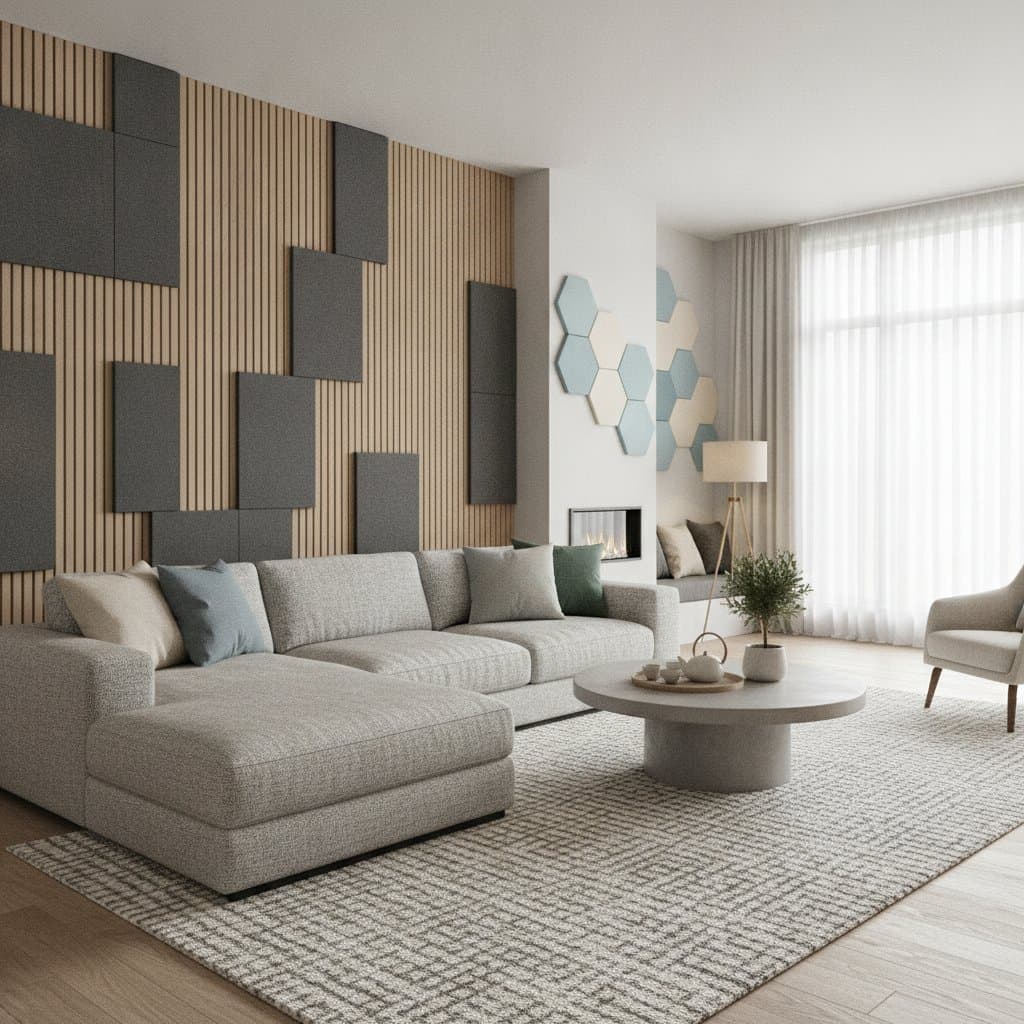
Acoustic panels have evolved from utilitarian to sculptural. Designers now treat them as wall art, architectural texture, or furniture accents. They come in fabric, wood, felt, and stone composites. Some are geometric, others fluid or minimalist. The beauty lies in how they blend visual interest with performance.
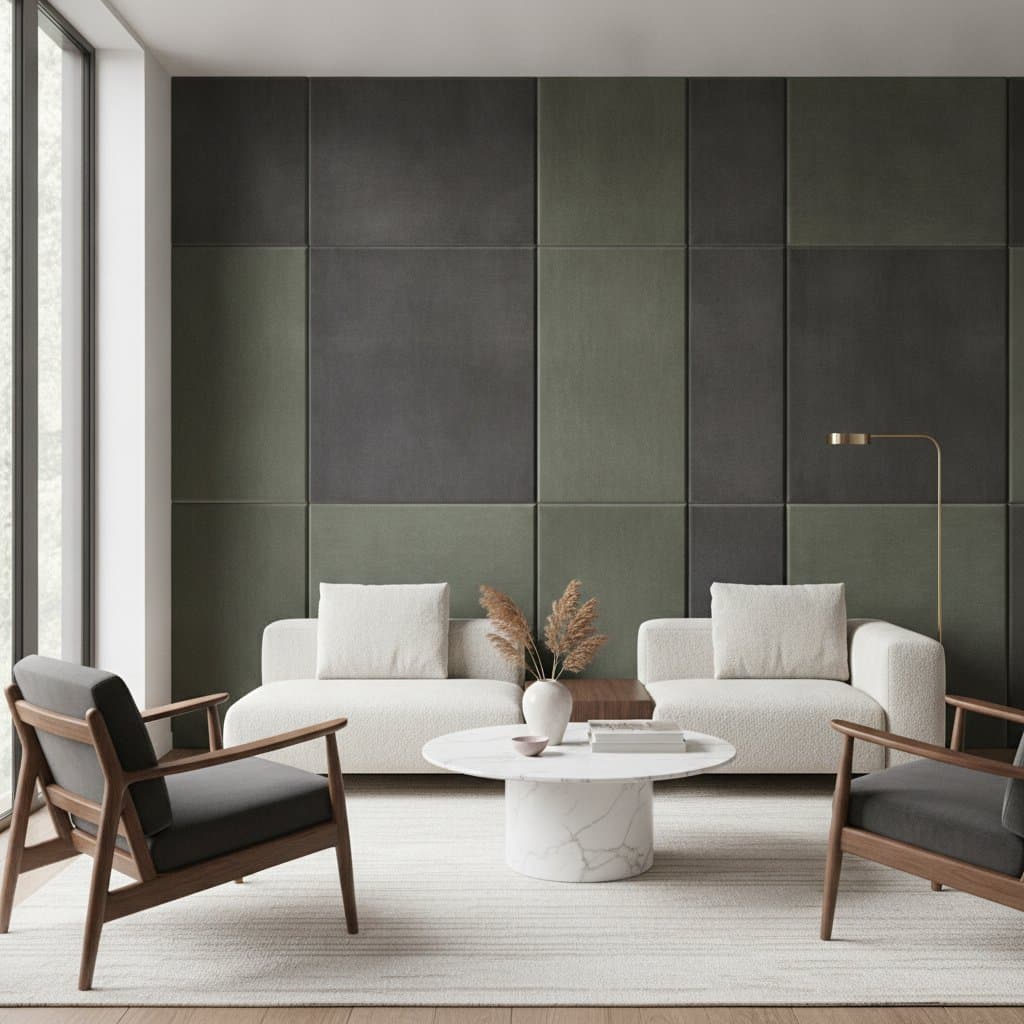
Imagine a wall of textured felt in a deep tone that doubles as a sound absorber. Or slim wood slats over black acoustic backing that look like custom millwork. These details elevate the room, adding both depth and serenity.
Smart Detail Roundup: Acoustic Panels That Do More Than Muffle
Here are several ways to make acoustic panels feel deliberate and stylish.
1. Textile Panels That Feel Like Art
Fabric-covered panels now include lush velvets, woven wools, and linen blends in many shades. Choose soft neutrals for a calming backdrop or bold hues for a gallery effect. These panels absorb sound efficiently while introducing texture. A matte textile surface diffuses light, making the room feel cozy. Clients often say it is the first time their living room sounds finished.
2. Wood Slat Panels That Double as Architecture
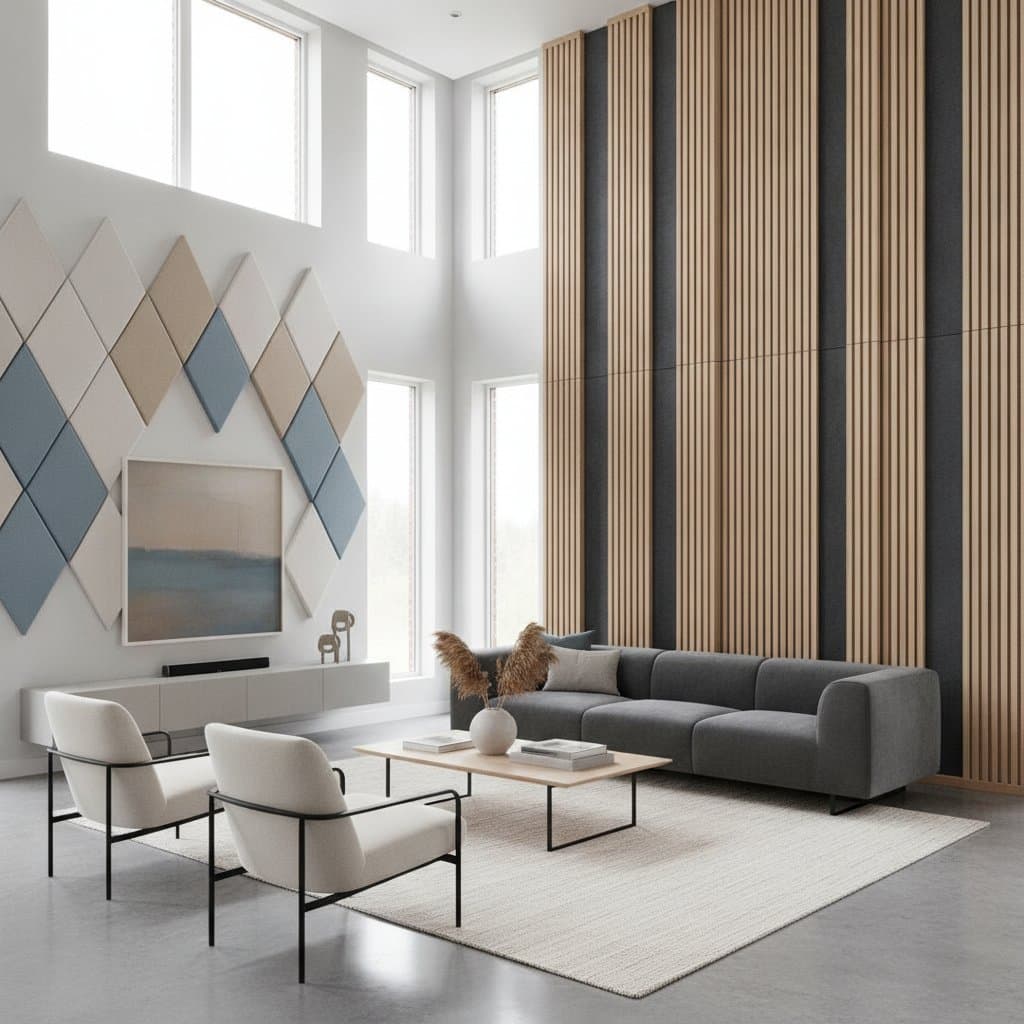
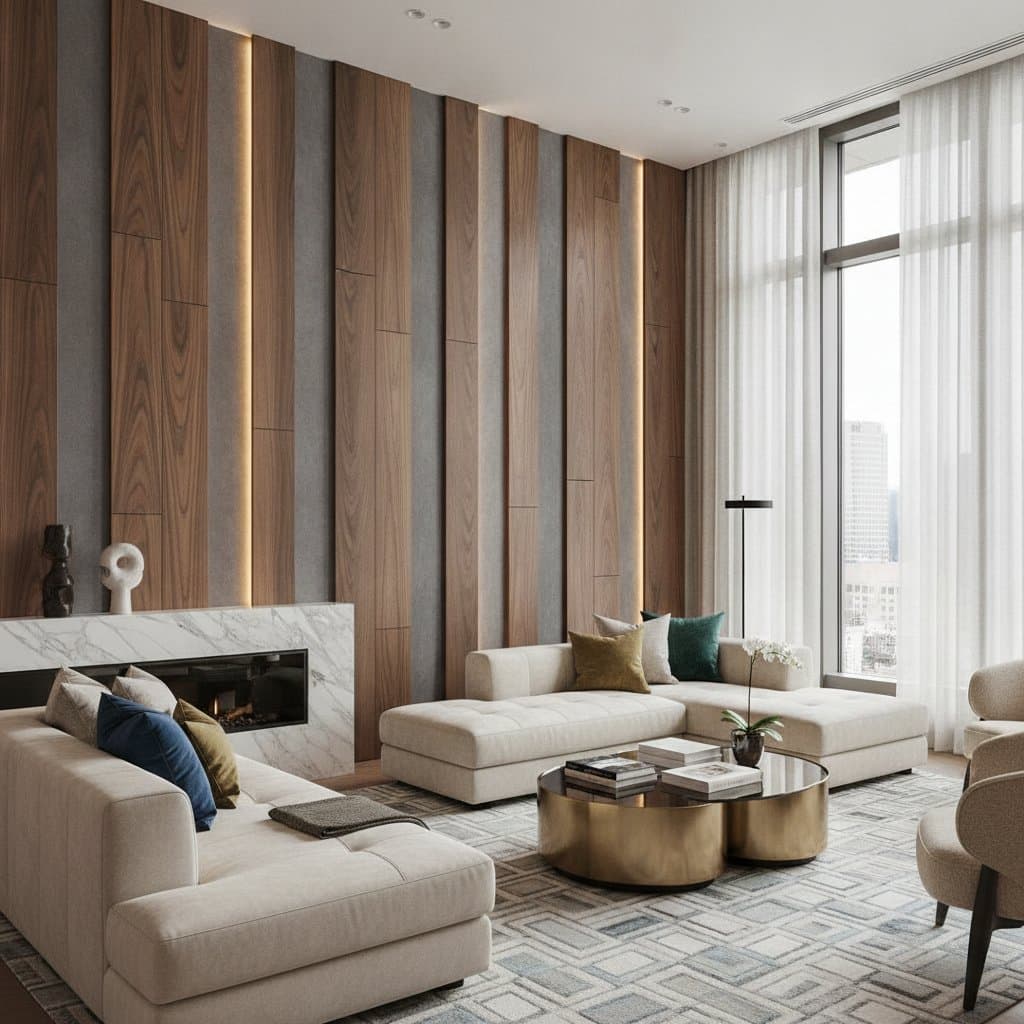
Wood slat acoustic panels consist of narrow wood strips mounted over an acoustic felt backing. They create rhythm and warmth across the wall. The slats break up sound waves while offering a custom millwork look. They can span from floor to ceiling behind a sofa or TV, adding instant sophistication.
3. Modular Felt Tiles That Invite Creativity
Modular felt tiles let you experiment with shapes and colors. Hexagons, circles, or soft-edged rectangles can be arranged like puzzle pieces. Some systems use magnetic or peel-and-stick mounts. They allow design flexibility while improving acoustics. You can start small and expand later.
4. Printed or Patterned Panels That Make a Statement
Printed panels can feature abstract art, subtle patterns, or custom imagery. Advances in fabric printing keep sound-absorbing properties intact while the visuals shine. They merge sound control and style. This approach suits minimalist spaces where every piece must earn its place.
5. Ceiling Baffles That Quiet Without Clutter
Ceiling baffles or clouds hang subtly and catch echoes that bounce between floors and ceilings. They can be round, linear, or sculptural. Overhead panels reduce reverberation without taking up wall space. They are especially effective in open-concept living rooms with hard floors.
6. Integrated Lighting Panels for Two-in-One Function
Some designers pair acoustic panels with built-in lighting. Soft LED strips can run through a slatted surface, or backlit felt can glow gently at night. This hybrid approach eliminates the need for separate fixtures while enhancing ambiance.
The Practical Side of Acoustic Design
Beyond visual appeal, acoustic panels solve everyday frustrations. They reduce television volume wars, echoing phone calls, and awkward hollowness when guests leave. They also help with large windows, tall ceilings, or minimal furniture that reflect sound.
Installation is straightforward for most designs. Some panels hang like frames, while others adhere with clips or adhesive strips. A well-treated living room becomes easier to live in. You can hear conversation without raising your voice, and music sounds fuller.
Balancing Acoustics and Aesthetics
Treat acoustic design as part of your decor plan. Think about how panels interact with existing materials. If your room already has heavy drapery and plush rugs, you may need fewer panels. If it has hard surfaces like concrete or glass, you will benefit from more coverage.
Color also matters. Dark panels can bring intimacy, while light tones keep things airy. Match panels to your wall color for subtlety or treat them as artwork for a bolder approach. Integration is key.
Living with a Quieter Space
Once you experience good acoustics, you notice how noise affects your mood. A room that hums or echoes can cause subtle fatigue. A quiet one feels restorative. People linger longer, and conversations flow more naturally.
One homeowner described it after installing felt panels behind her sectional. She said the room took a deep breath. Another client compared it to adding soft-close hinges to kitchen cabinets. You never realized how harsh the old sound was until it was gone.
Small Choices, Big Comfort
Acoustic panels remind us that good design involves what we hear as well as what we see. They merge beauty and function without compromise. Start small if you like. One wall can make a noticeable difference. Each piece adds another layer of refinement.
Quiet is the new statement. Not silence, but balance that invites you to breathe, listen, and enjoy your space.