How Acoustic Furniture Eliminates Home Noise Pollution
Picture yourself in the living room after a demanding day, seeking relaxation amid the drone of street traffic, the rattle of kitchenware, or footsteps reverberating off uncovered walls. Raising the volume on the television only muddies the audio further. Indoor noise pollution exceeds mere irritation; it elevates stress, disrupts rest, and renders even elegant spaces feel stark and disruptive. Acoustic furniture offers a solution, converting such environments into soothing, inviting retreats.
Understanding Home Noise Challenges
Homes develop unique acoustic profiles influenced by their layouts and materials. Surfaces such as ceramic tiles, windows, and hardwood floors reflect sound waves, amplifying voices into prolonged echoes and steps into abrupt impacts. Contemporary open-concept designs exacerbate these issues by providing no barriers for sound to dissipate. Traditional soft goods, if selected without acoustic intent, often prove insufficient for meaningful noise reduction.
True quiet represents a premium in daily life. The capacity to converse effortlessly, listen to music with clarity, or unwind free from persistent background clamor fosters a more intimate and restorative atmosphere. Acoustic furniture targets this goal by integrating sound management into everyday design.
Core Principles of Acoustic Furniture Design
Acoustic furniture prioritizes sound control alongside visual appeal and ergonomic support. Manufacturers employ targeted materials and engineering methods to intercept and scatter sound waves, preventing their reflection across rooms. This approach softens auditory disturbances while preserving decorative integrity.
Common furniture categories incorporate acoustic features as follows:
- Upholstered seating like chairs and sofas featuring high-density foam cores and multi-layer textiles that capture medium- and high-frequency sounds.
- Integrated panels serving as headboards or wall benches that function as decorative elements while dampening reverberations.
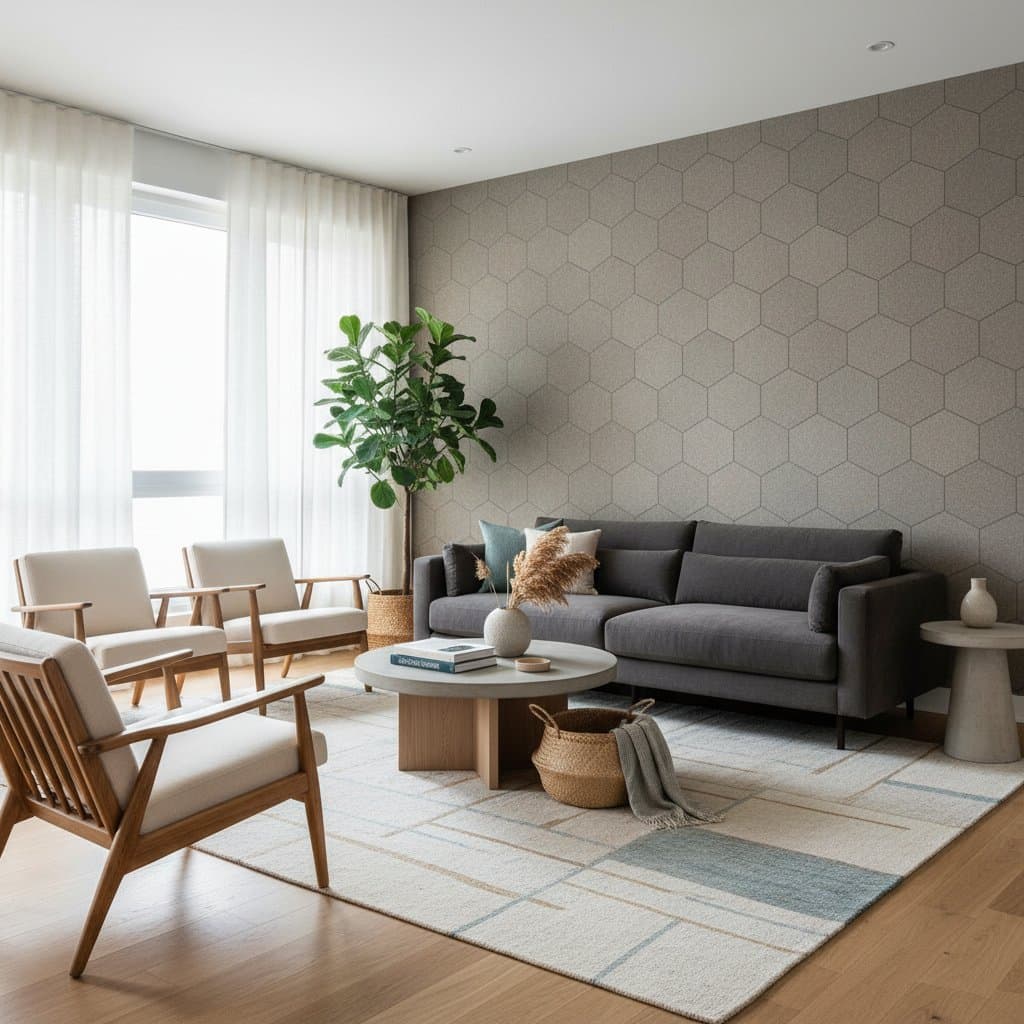
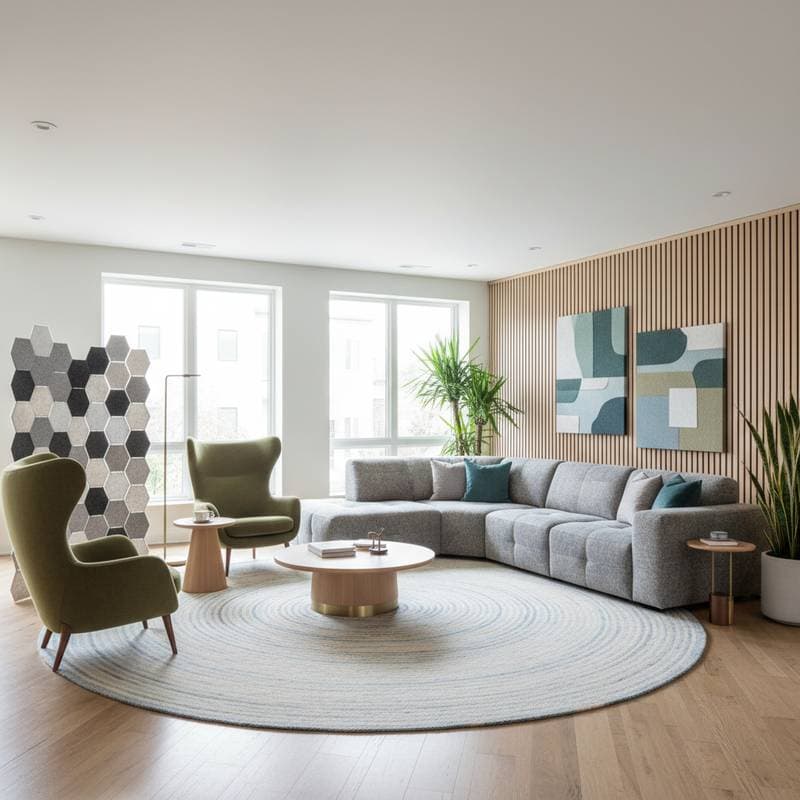
- Partition screens and dividers clad in felt or wool composites to establish secluded, low-noise areas within expansive layouts.
- Shelving and storage solutions with slotted surfaces or fabric linings that address bass frequencies effectively.
These elements collectively diminish echo and foster equilibrium in room acoustics.
The Transformative Effects on Living Spaces
Envision a room as an acoustic terrain where sound waves collide with rigid boundaries and ricochet, merging into a cacophony. Acoustic furniture acts as a diffused barrier, akin to a layered canopy, that absorbs and redirects these waves into subdued tones.
Such pieces suit diverse needs: a bedroom shielding against urban clamor, a workspace ensuring clear remote interactions, or a play area minimizing disruptive rebounds from activity. The shift occurs swiftly, sharpening auditory perception, easing tension, and amplifying the space's allure.
Selecting Acoustic Furniture for Specific Areas
Begin assessment by pinpointing zones of excessive noise. Align selections with those priorities for optimal impact.
- In resonant living areas, opt for expansive sectional sofas, substantial rugs, and cushioned footrests to dampen open-space echoes.
- Within home offices, install wall-mounted panels or fabric-lined shelves to maintain call confidentiality and minimize external interference.
- For bedrooms, incorporate cushioned headboards, heavy drapery, and padded seating to insulate against outdoor sounds.
- In kitchens and dining spaces dominated by reflective materials, select chairs with upholstered cushions or suspended baffles styled as accents.
Incremental changes yield significant results. Introducing one targeted item, such as a sound-absorbing seat or partition, can substantially quiet an area and instill tranquility.
Practical Considerations: Cost, Setup, and Upkeep
Effective acoustic furniture remains accessible across price points, scaled to materials and craftsmanship. Basic items like a fabric-wrapped divider may rival standard decor in affordability, whereas bespoke seating represents a durable enhancement to daily comfort.
Budget planning includes:
- Entry-level choices: Adhesive felt tiles, textile bulletin boards, or portable cushions positioned for maximum effect.
- Moderate investments: Adaptable panel systems and dual-purpose furnishings that assemble with basic tools.
- High-end selections: Tailored upholstery with embedded absorbers or advanced wall integrations combining form and function.
Assembly typically requires minimal effort; freestanding units arrive assembled, and mounted options include user-friendly hardware. Upkeep involves routine dusting and mild cleaning to sustain both appearance and efficacy.
For extensive renovations involving structural alterations, verify local regulations and engage certified specialists in acoustic applications to ensure compliance and precision.
Adapting Materials to Regional Conditions
Environmental factors guide material selection for longevity. In moisture-prone areas, wool-based or natural fiber options withstand humidity without performance loss. Arid settings benefit from resilient foams and reinforced textiles that resist wear and deformation. Matching choices to local climate extends durability and preserves acoustic benefits over time.
Broader Benefits: Enhancing Emotional Wellbeing
Acoustic furniture extends influence beyond auditory control to the sensory experience of a space. Reduced reverberation promotes closeness, facilitating natural dialogue and shared moments. Productive areas gain concentration, sleeping quarters deepen repose, and communal rooms invite connection.
This approach elevates home life holistically, nurturing presence, easing tension, and highlighting design nuances. It unites aesthetic innovation with health advantages, delivering an organic sense of refinement.
Building a Balanced Home Sound Environment
To establish a harmonious acoustic profile, initiate with a single challenging spot, like a reverberant dining area, and test various fabrics and configurations. Observe shifts in sound dynamics upon integration. Gradually incorporate additional elements until the residence achieves cohesive serenity.
For expert input on complex implementations, seek acoustically trained designers who balance efficacy with elegance, ensuring each addition supports a unified, peaceful ambiance.
A harmonious home emerges from intentional choices in structure and acoustics. Acoustic furniture empowers precise management of auditory elements, converting discord into equilibrium and realizing an ideal sanctuary.