Reviving 70s Appliance Colors in Modern Kitchens
The resurgence of 1970s colors in kitchen appliances signals a departure from stark white and stainless steel toward options that offer warmth and individuality. Shades like soft avocado green, harvest gold, and deep tawny browns have evolved from outdated symbols to deliberate design elements. These colors add depth and appeal to contemporary spaces, particularly when integrated with crisp cabinetry, smooth countertops, and updated fixtures.
Interior designers view this trend as a fusion of sentiment and refinement. People seek kitchens that evoke energy and connection. Color achieves this by transforming functional areas into inviting environments.
Featured Project: A Portland Kitchen Reimagined
At a Glance
Who lives here: A couple who enjoys cooking and entertaining friends
Location: Portland, Oregon
Size: 320 square feet (29.7 square meters)
Design team: Studio Cora Interiors
Photography: Michael Arnett
The Transformation
Studio Cora Interiors anchored the design around a retro-style refrigerator in muted avocado green, featuring rounded edges and chrome accents. This piece guided the selection of complementary elements, including soft white cabinets and walnut open shelving. Every decision amplified the refrigerator's hue without overshadowing it.
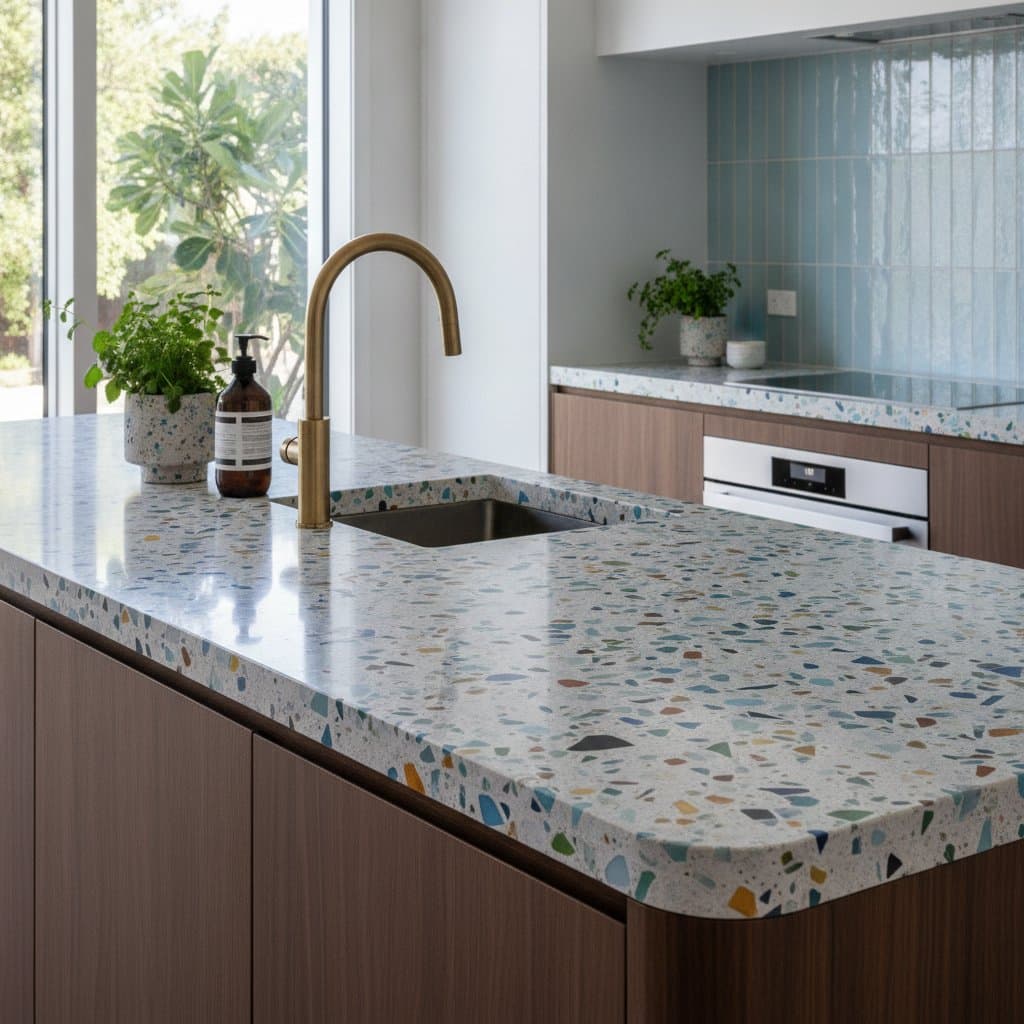
The backsplash consists of 2-by-8-inch (5-by-20-centimeter) ceramic tiles arranged in a vertical stack. Their glossy crackle finish diffuses light softly, adding subtle texture. Countertops in creamy quartz with faint veining bridge the green and earthy tones seamlessly.
Lighting upgrades enhanced the overall effect. Three frosted glass pendants suspend above the island, providing even illumination that harmonizes with the retro scheme. Under-cabinet LED strips ensure clear visibility for meal preparation.
"Color alters the pace of a kitchen," notes designer Cora Miller. "It shifts from mere utility to an emotional hub. People linger longer in such spaces."
The Appeal of Avocado Green
Avocado green stands out among 1970s shades for its broad adaptability and strong comeback. This color shifts from grounded and organic to refined and upscale based on its companions. In limited applications, like a standalone range or refrigerator, it injects character without overwhelming the room.
Design historian Rachel Kent explains its endurance: "Avocado green emerged to link kitchens with the natural world, evoking vitality and serenity. These qualities align with current lifestyles, where homes serve as extended sanctuaries."
Surround avocado green with neutral walls and organic materials for a gentle highlight. Pair it with dark woods or ebony counters for a striking focal point. Success in either case relies on finishes that reinforce its botanical essence.
Integrating Retro Colors with Contemporary Layouts
Effective retro kitchens draw on historical colors and subtle curves while preserving the efficiency of today's designs. Professionals typically select one or two vibrant appliances and offset them with subdued cabinetry for equilibrium.
Open shelving accentuates the color narrative. Display wooden shelves with pottery dishes, honey-toned glassware, and potted herbs to guide the gaze across the area. A plain white tile backsplash maintains serenity in the scheme.
For intense shades like harvest gold or turquoise, focus on scale. Apply them selectively as highlights rather than broadly. A harvest gold stove alongside white cabinets and walnut surfaces appears purposeful. A complete set of gold units, however, risks dominating compact areas.
Practical Considerations for Retro Appliances
Opting for retro-style appliances involves several real-world factors. Certain models carry a premium price due to custom production processes. Limited color availability might complicate future repairs or replacements.
Upkeep deserves attention as well. Glossy enamel surfaces reveal fingerprints more readily than brushed metal. Enamel remains robust, however, and cleans effortlessly with gentle soap and water.
Experts advise sourcing all pieces from one collection to guarantee uniform shading, since hues can vary slightly under diverse illumination.
Efficient Storage Solutions
Incorporating retro features pairs best with streamlined storage to preserve order.
- Install deep drawers beneath the cooktop for pots and pans.
- Add pull-out trays in tall cabinets for compact devices.
- Incorporate appliance garages to conceal blenders or toasters accessibly.
- Position integrated recycling units near cutting areas for efficient waste management.
Such strategies foster visual tranquility, allowing colors to stand out amid uncluttered surroundings.
Enhancing with Lighting and Texture
Retro colors flourish in multifaceted lighting setups. Warm-toned bulbs amplify greens and golds, whereas cooler ones mute them. Blend ceiling pendants, under-cabinet linear lights, and adjustable wall fixtures to suit tasks from breakfast routines to dinner gatherings.
Texture contributes equally. Contrast sleek enamel with matte fronts or fabric window treatments to avoid excessive sheen. A floor in cork or linoleum introduces softness and nods to mid-century tactility.
Steps to Incorporate Retro Colors
Homeowners interested in retro accents should begin modestly. Select one key appliance or detail to establish the mood, then adjust adjacent surfaces accordingly.
- Establish your scheme. Pick a primary 1970s-inspired shade and pair it with one or two grounding neutrals.
- Evaluate illumination. Examine samples in daylight and under fixtures.
- Blend periods thoughtfully. Offset rounded vintage forms with straight-edged storage for visual interest.
- Incorporate natural elements. Use timber, resilient flooring, and metal accents to soften vibrant tones and sustain coziness.
For less commitment than full appliances, try colored smallwares like a vibrant toaster, teapot, or stand mixer. These items evoke heritage without demanding overhaul.
Embracing the Lasting Impact
The allure of 1970s appliance colors lies in their ability to reshape kitchen dynamics. Areas once defined by austerity now foster dialogue and ease. This movement honors the kitchen's role as a central gathering spot, where echoes of the past enrich everyday routines with renewed vitality.