Why Gen Z Embraces Grandmillennial Kitchens
Imagine the soft clink of patterned china as plates stack neatly, the subtle creak of a wooden drawer holding folded linens, or the steady hum of a kettle on a retro-inspired stove. These sounds evoke more than a grandmother's home; they define the grandmillennial kitchen, a design that resonates with Gen Z homeowners and renters seeking warmth, character, and relief from stark minimalism.
Raised amid sleek technology and fleeting fashions, this generation discovers solace in an openly inviting aesthetic once viewed as dated. The approach reinterprets tradition, honoring sentiment while prioritizing utility and environmental responsibility.
Building Comfort and Depth
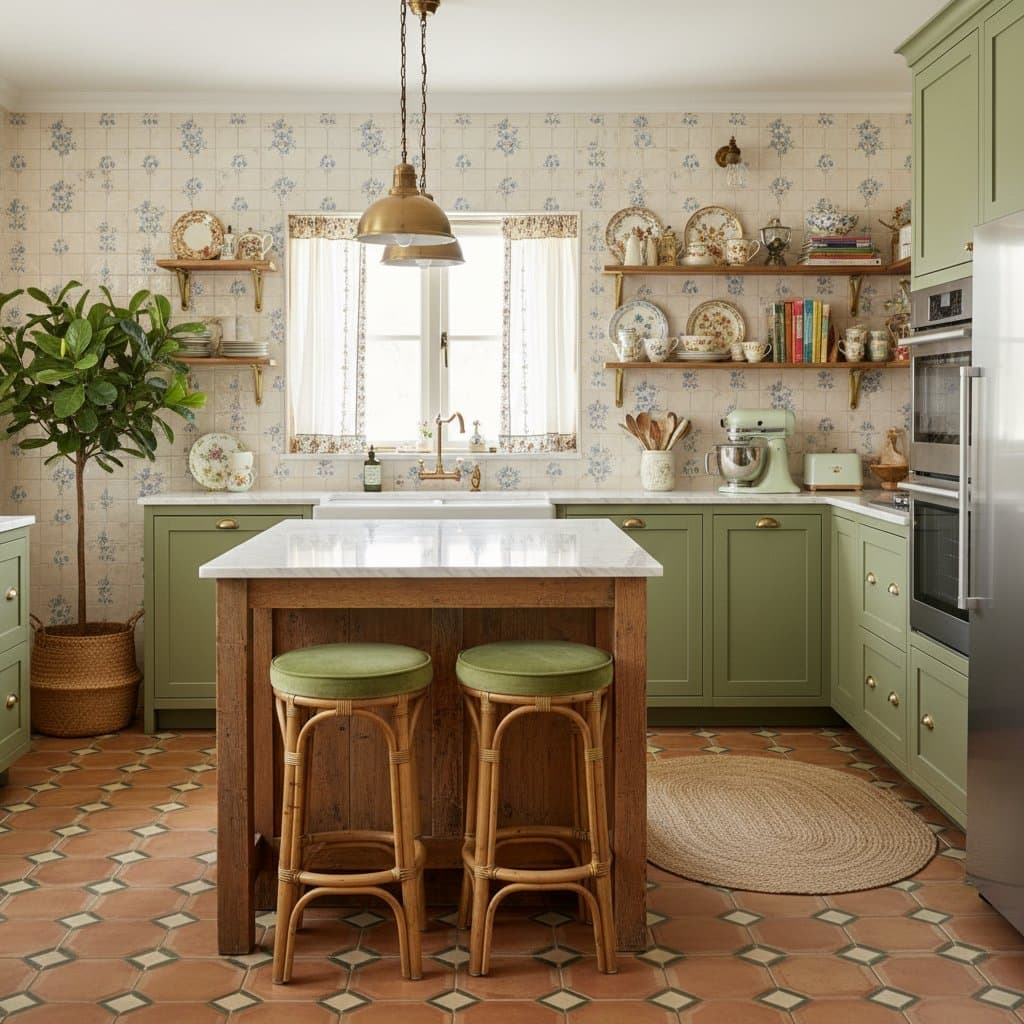
Step into a grandmillennial kitchen, and a sense of habitation greets you immediately. The space layers elements thoughtfully, avoiding disorder. Floral curtains sway gently with air currents, open shelves display varied mugs, and a diffused lamp provides ambient light rather than stark illumination from above.
Following eras of neutral cabinets and polished surfaces, Gen Z seeks authenticity. They prefer wood revealing natural patterns, tiles offering tactile interest, and materials that invite touch. Grandmillennial design delivers these qualities. It encourages lingering through subtle cues, fostering connection over detachment.
At its core lies a subtle defiance. For those immersed in virtual worlds, the physicality of retro elements provides stability. A hand-painted teapot or stitched tea towel elevates routine tasks into meaningful practices.
Incorporating Details for Impact
The appeal of this trend lies in its accessibility; a complete overhaul proves unnecessary. Select additions can infuse even contemporary spaces with legacy and emotion.
Consider these targeted elements that capture the grandmillennial essence:
-
Floral Backsplash Tiles
Select ceramic tiles featuring subtle floral motifs or botanical designs to introduce immediate vibrancy. These choices add hue and reminiscence without excess. View them as a perpetual indoor garden requiring no maintenance. -
Skirted Sinks or Cabinets
A fabric panel beneath the sink, previously overlooked, now revives spaces with elegance. It conceals utilities gracefully while adding soft texture in unexpected areas. Change the material seasonally for low-cost renewal. -
Eclectic Dinnerware Collections
Uniform sets yield to diverse assortments. Pair patterned saucers with simple bowls or combine antique plates with modern tumblers. Such variety evokes organic accumulation over deliberate arrangement. -
Warm-Toned Metal Fixtures
Materials like brass, copper, and patinated bronze supplant cooler chrome finishes. These options reflect light with a gentle luster, complementing colored cabinetry or untreated timber effectively. -
Textured Linens and Wall Coverings
Motifs such as florals, checks, and scenic prints infuse vitality. Install a fabric window treatment or apply discreet paper behind exposed storage to elevate neutral zones into engaging highlights.
These accents build narrative through varied surfaces. They demonstrate how aesthetics can nurture individuality alongside reassurance.
Integrating Sustainability Practices
Nostalgic elements align seamlessly with ecological awareness. Gen Z's affinity for grandmillennial interiors reflects their commitment to mindful consumption. Rather than opting for factory-made items, individuals source pre-owned furnishings, antique dishware, or salvaged wood for cabinetry. The allure of slightly worn pieces promotes reduced consumption and deliberate curation.
Repurpose a flawed teacup as an herb container. Restore a inherited tabletop instead of discarding it. Source patterns from artisans employing plant-based colors. Such kitchens narrate histories, transcending transient styles.
Balancing Form and Utility
Floral accents and retro serveware do not imply inefficiency. Contemporary grandmillennial designs retain nostalgic appearances while incorporating advanced features. Mechanisms for silent drawer closure, optimized exhaust systems, and integrated organizers maintain modernity.
The fusion of allure and performance explains the style's draw for Gen Z. It avoids mere historical reenactment, aiming for emotional resonance paired with practical ease. Concealed beneath decorative layers may lie energy-efficient cooking surfaces or discreet waste solutions. This harmony ensures lasting relevance.
Cultivating Layered Environments
The grandmillennial kitchen thrives on combined materials and histories. Fresh coats of paint accompany passed-down ceramics. A secondhand seat adjoins a streamlined appliance. Selections accumulate gradually, creating richness over time.
This method relieves urgency. Develop the area incrementally. Begin with printed cloths for drying dishes, then incorporate a decorative wall later. The process emphasizes gradual enrichment over hasty completion.
Creating Meaningful Home Rituals
Beyond visuals, a grandmillennial kitchen enhances well-being. It encourages unhurried breakfasts, genuine meal preparation, and perhaps a noted family formula affixed nearby. Fixtures from metallic pulls to pliable textiles instill tranquility, linking aesthetics to everyday rhythms.
Gen Z's interest in this aesthetic aligns logically with broader contexts. It provides stability amid uncertainty, affirming that design can serve both purpose and memory. The grandmillennial kitchen illustrates how reminiscence and innovation coexist, where a cherished vessel stands as the ultimate expression of intent.