Style Your Living Room with Artistic Acoustic Panels
Noise from daily activities can undermine the peace of a living room, regardless of its visual order. Sounds from appliances, echoes in open spaces, or reflected voices gradually erode comfort. Acoustic panels address these issues by absorbing excess sound while enhancing visual appeal. These panels combine functionality with design, creating rooms that offer both quiet and beauty.
You do not need specialized skills to add acoustic panels to a living room. Choose and position them thoughtfully to match your style and improve the atmosphere. Treat them as multifunctional elements: effective sound dampeners and flexible decor pieces.
Selecting Panels Aligned with Your Design Vision
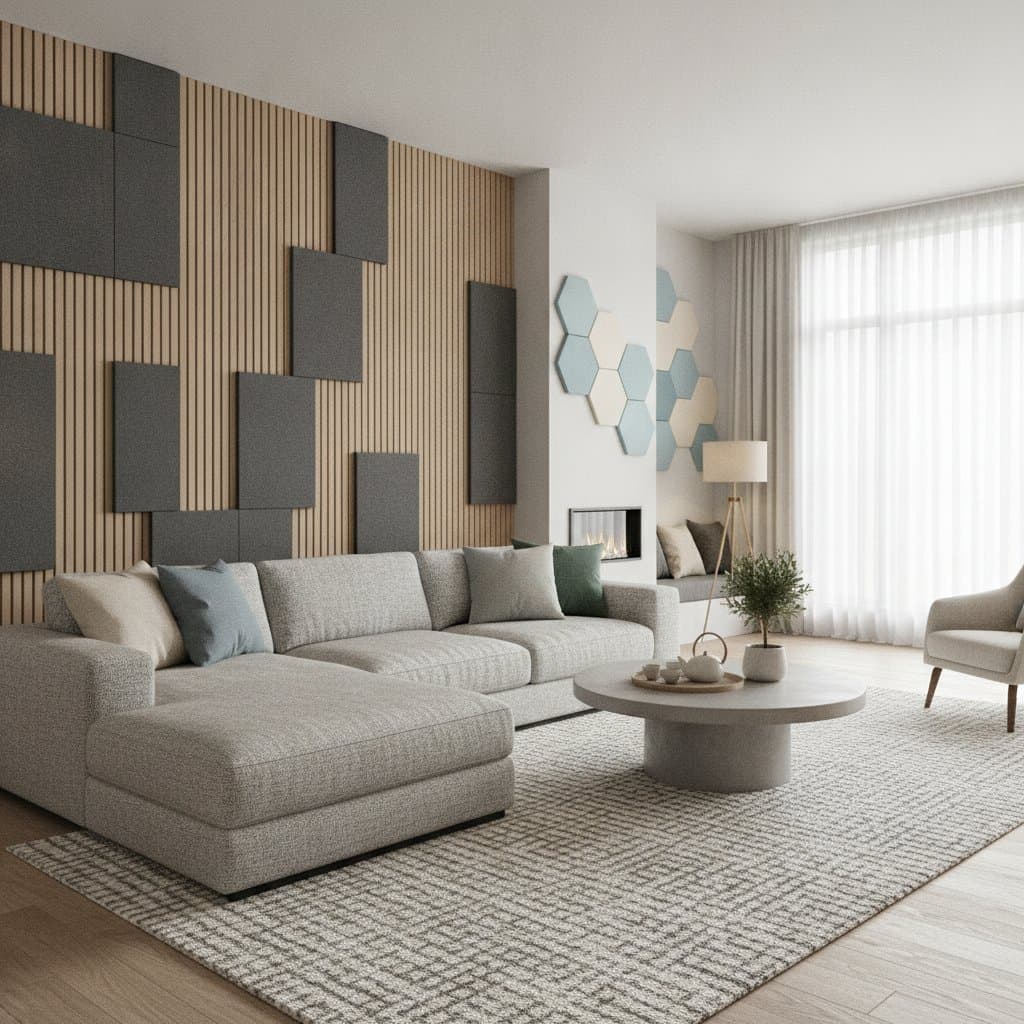
Start by picturing the mood and look you want for the living room. Acoustic panels come in various colors, materials, and shapes. Some mimic modern art, while others blend into walls.
Explore These Design Approaches:
-
Minimalist Serenity
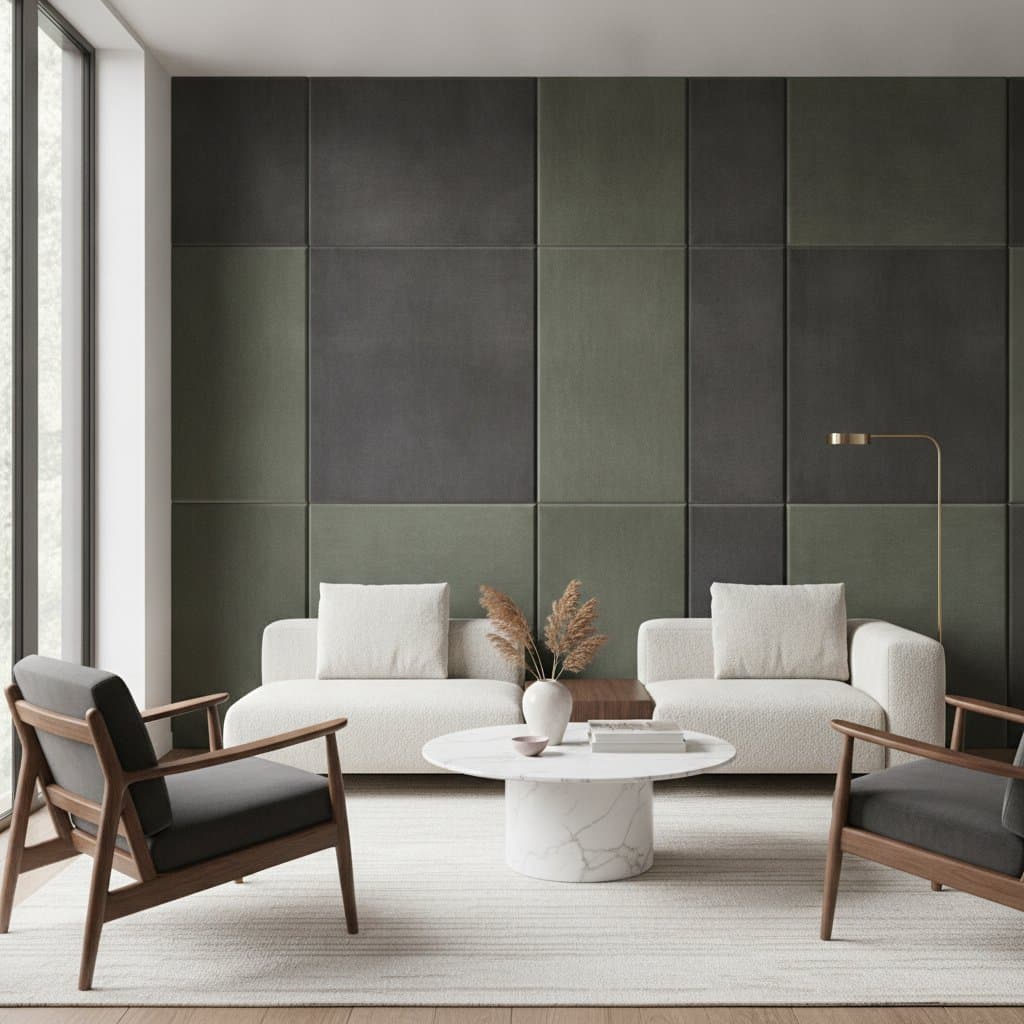
Choose panels in neutral tones that match wall colors. Options like light beige, soft gray, or pale white stay in the background but provide strong sound control. -
Textured Depth
Select panels made from felted wool or woven fabrics for added warmth. These choices suit rooms that benefit from natural, inviting textures. -
Expressive Patterns
Look for panels printed with artwork or custom designs. Arrange them in grids like gallery walls, or use one large panel as a centerpiece. -
Organic Elements
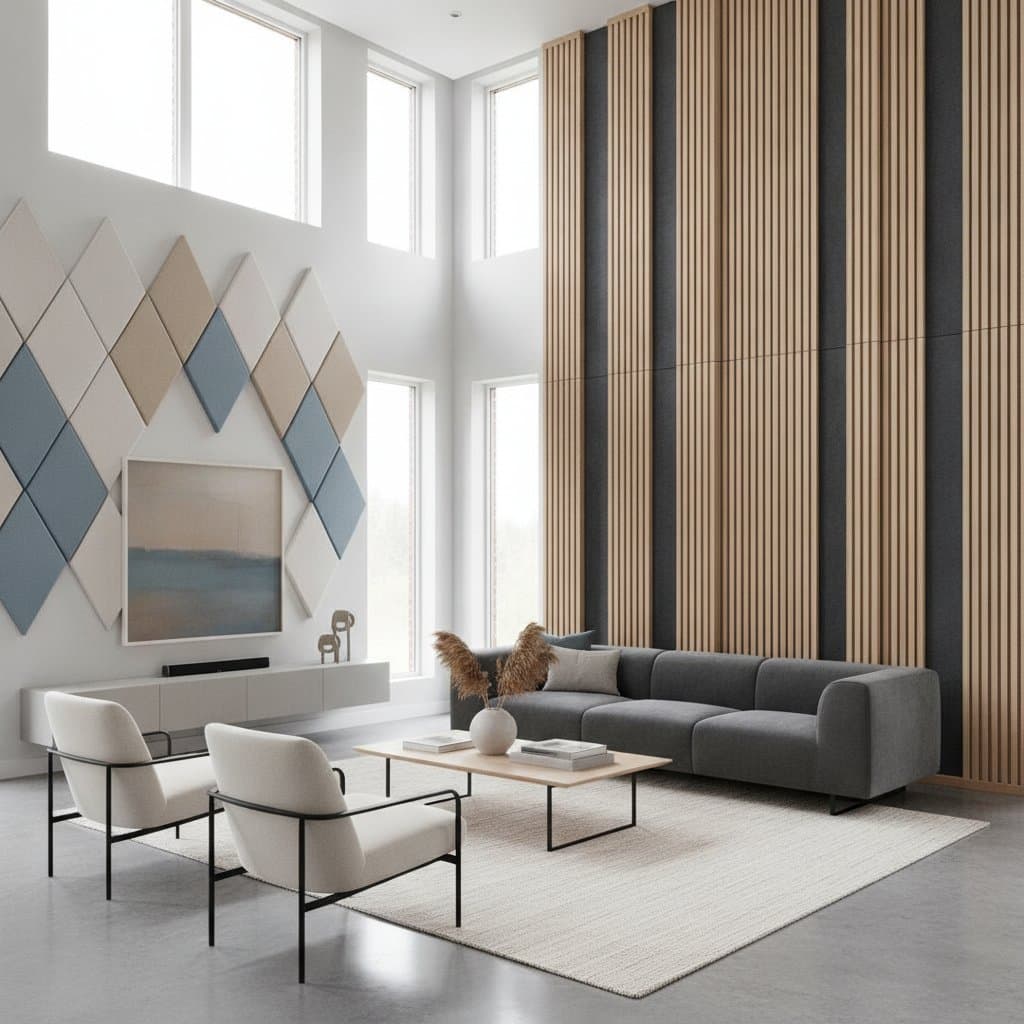
Wood-slat panels offer sound absorption with sustainable materials. Their linear designs add motion to walls and pair well with plants or natural fabrics. -
Dynamic Forms
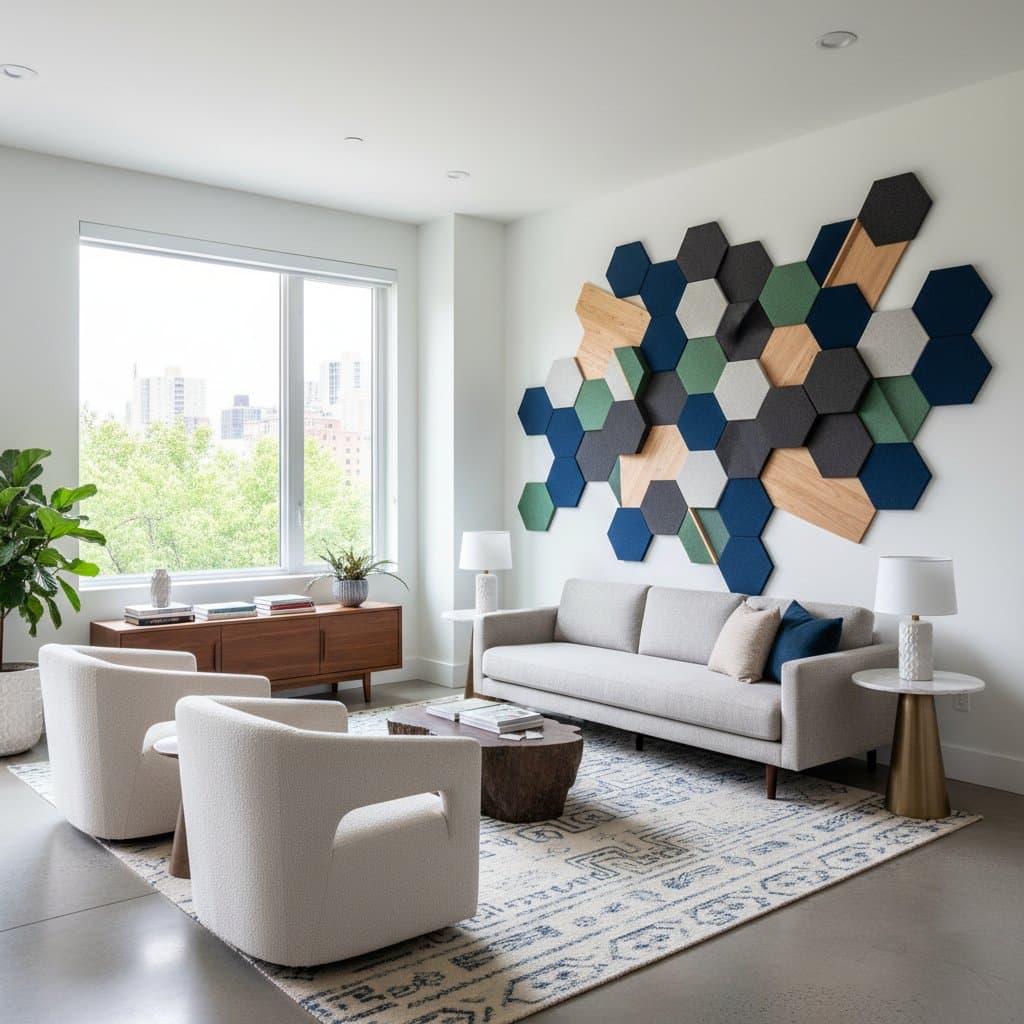
Hexagonal or curved panels allow creative layouts. This approach turns sound control into a bold, artistic statement for modern spaces.
When panels fit the room's decor, they become part of the overall design rather than add-ons.
Streamlined Installation Guide
Installing acoustic panels resembles hanging pictures. Many include adhesive backs or simple hardware. Measure carefully and align precisely for a clean result.
Follow This Step-by-Step Process:
-
Assemble Supplies.
Gather the panels, measuring tape, pencil, level, and mounting parts. -
Plan the Arrangement.
Use painter's tape to outline positions on the wall. Step back to review and adjust before committing. -
Prepare Mounting Points.
Use wall anchors for heavier panels. Adhesive strips work for lighter ones, holding firmly without harming surfaces. -
Secure and Align.
Place each panel and check level as you go. Make small adjustments to achieve a smooth finish. -
Evaluate Acoustic Performance.
Play music or speak in the room afterward. Note the clearer sound and less echo.
Designing a Statement Focal Wall
Focus acoustic panels on one wall to create impact in both sound and style. Choose a key area, like behind the sofa or TV, for maximum effect.
Match panels to furniture for cohesion. Geometric shapes work with sleek sofas; warm tones suit linen chairs.
Essential Strategies for an Effective Focal Wall:
- Blend Materials Strategically. Combine wood and fabric panels for varied sound absorption and visual texture.
- Harmonize Color Schemes. Echo colors from rugs, cushions, or art to tie everything together.
- Incorporate Negative Space. Space panels apart to create rhythm and depth on the wall.
- Enhance with Illumination. Add spotlights to highlight textures in evenings.
This wall improves acoustics and serves as the room's design centerpiece.
Integrating Panels with Daily Ambiance
Visitors might not notice the sound improvements directly, but they feel the calm. Better acoustics encourage unwinding by muting harsh noises. Layer in other elements to build on this peace.
- Incorporate Soft Furnishings. Add wool throws or plush seats to boost comfort in touch and sound.
- Embrace Natural Fibers. Use wood tables, linen curtains, or cotton pillows to balance senses.
- Maintain Visual Restraint. Keep surfaces clear to let acoustic benefits shine.
- Optimize Seating Layouts. Arrange chairs to support easy conversations without straining voices.
These steps create a unified space where sight, sound, and feel align.
Addressing Typical Concerns
People often worry about panels looking too utilitarian or being hard to install. Modern options fit any style, from classic to contemporary.
Start small with a few panels to test the change. Even limited coverage shows clear audio improvements, encouraging more use.
Cost varies: custom pieces cost more, but basic kits with foam cores and fabric wraps offer value. Focus on panels rated for high noise reduction coefficient (NRC) values above 0.8 for real performance.
Infusing Creativity into Acoustic Solutions
Blending art with sound control brings deep rewards. Panels turn noise issues into opportunities for expression.
Seek designs with flowing lines or color fades. Work with local artists for unique covers that match your vision.
Curate choices deliberately. Each panel meets needs for beauty and quiet, nurturing spaces for rest and creativity.
Effortless Upkeep for Enduring Appeal
Acoustic panels require little maintenance. Dust them weekly with a soft cloth or vacuum brush.
Avoid harsh chemicals to preserve fabrics. In homes with kids or pets, choose wipeable surfaces or durable woods.
Reevaluate setup as the room changes. Moving furniture might call for repositioning, which panels handle easily.
Experiencing Enhanced Auditory Harmony
Changes build gradually. Conversations become sharper, music richer, and quiet moments more restorative.
A balanced room draws people in for reading, chats, or simple downtime. Panels blend into the background, their work felt everywhere.
Sound improvements support better sleep, talks, and recharge. Thoughtful acoustics foster lasting calm and poise.
Practical Actions to Begin
Pick a wall and measure it to calculate panel needs. Order samples from suppliers to test colors and feels in your light.
Install a test panel in a corner first to gauge results. Map sound paths based on where people sit or play media.
Track the room's feel before and after. View this as a step toward everyday comfort.