Soundproof Textiles Redefine Quiet Luxury Living Spaces
Soundproof textiles absorb excess noise while contributing to refined interior schemes. They address residual sounds that persist despite solid construction, such as appliance hum or distant traffic. The result is an environment where calm supports both rest and focused activity.
These materials have moved beyond basic utility. Dense weaves and layered constructions now integrate directly into visible design elements. Fabrics such as velvet, wool, and textured linen deliver measurable sound reduction without visual compromise.
Noise Impact on Daily Comfort
Persistent background sound influences perceived room quality. Sharp echoes from hard floors or bare walls can create a sense of unrest even in well appointed spaces. Reduced reverberation allows other sensory details, including light quality and material texture, to register more clearly.
Designers therefore incorporate acoustic performance at the selection stage. Curtains, wall coverings, rugs, and seating textiles each play a measurable role when chosen for both appearance and absorption properties.
Acoustic Curtains
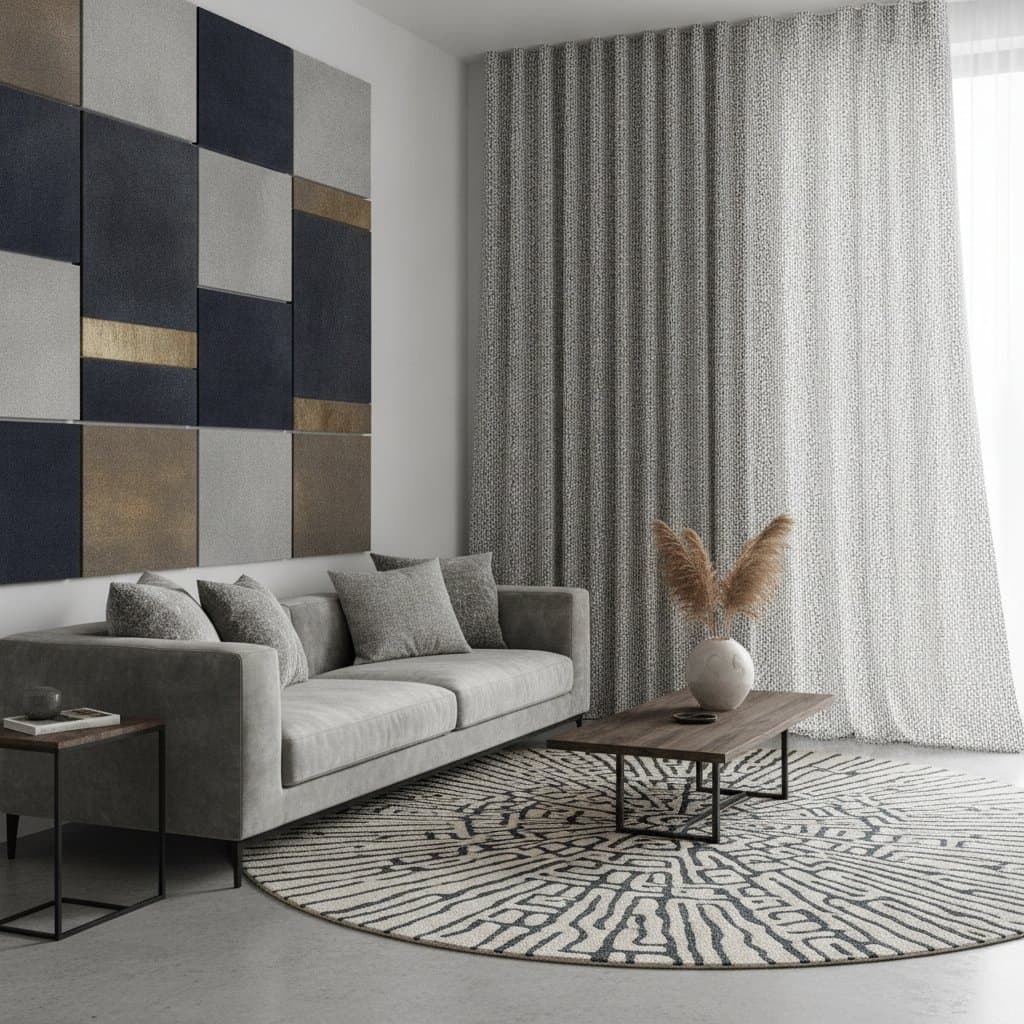
Heavy drapery installed at windows or as room dividers reduces sound transmission from adjacent areas. Select fabrics with tight weaves or multiple layers, such as wool blends or lined twill, to achieve noticeable results. In open plan layouts these curtains can separate activity zones while preserving daylight.
Homeowners report that traffic noise and kitchen clatter become less intrusive within days of installation. The visual presence remains intentional rather than utilitarian.
Upholstered Wall Panels
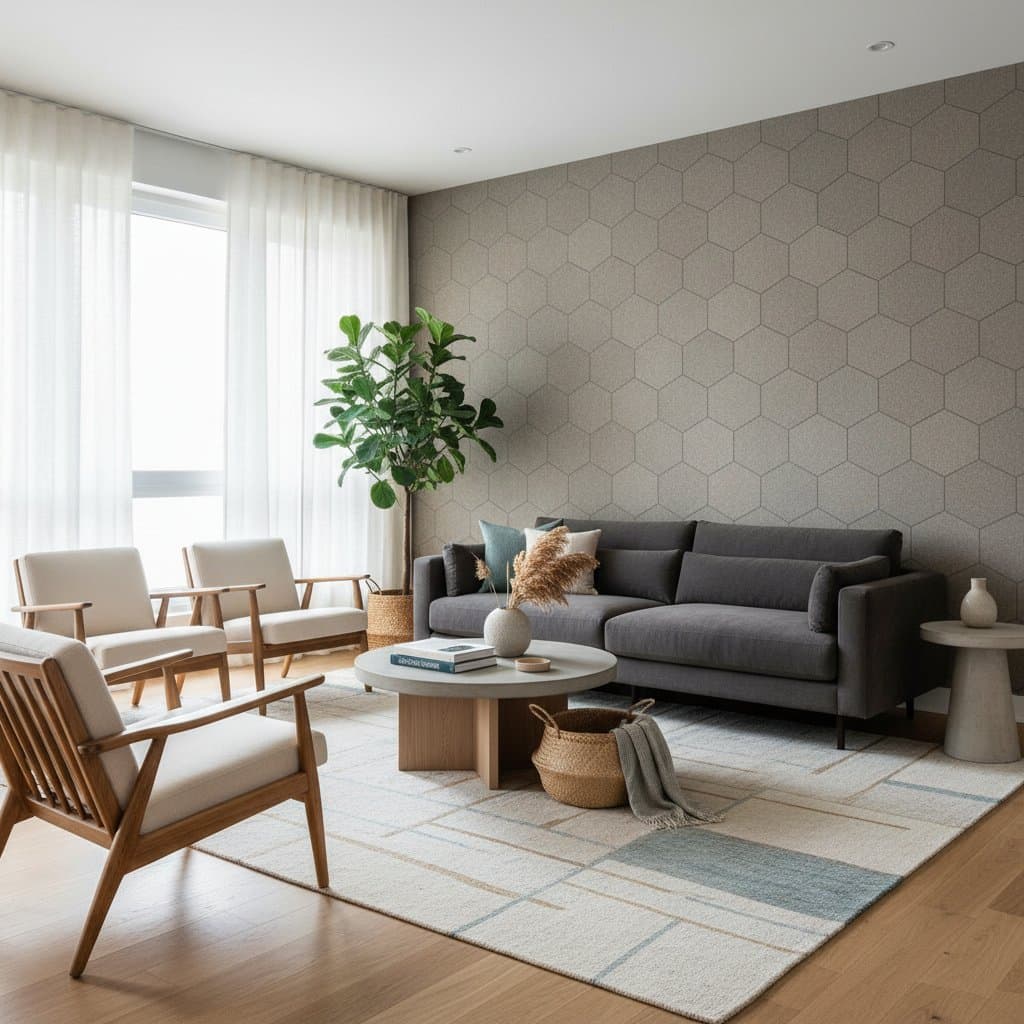
Panels covered in fabric provide targeted absorption on large vertical surfaces. Arrange them in balanced grids behind seating or along hallways to control echo. Neutral tones maintain serenity; bolder patterns create focal interest.
Installation requires only basic mounting hardware. Once in place the panels lower overall reverberation time and add depth to the wall plane.
Layered Floor Coverings
Area rugs interrupt sound reflection from hard flooring. Begin with a dense low pile base and add a softer top layer for increased absorption. Align rug colors with nearby upholstery to maintain visual continuity.
This approach proves especially effective in living areas where multiple conversations occur simultaneously.
Movable Acoustic Screens
Freestanding fabric partitions define temporary zones without permanent construction. Felt or padded panels mounted on simple frames allow repositioning as household needs change. Sculptural cutouts preserve light while still attenuating sound.
Such screens suit home offices or reading areas that require periodic privacy.
Performance Upholstery
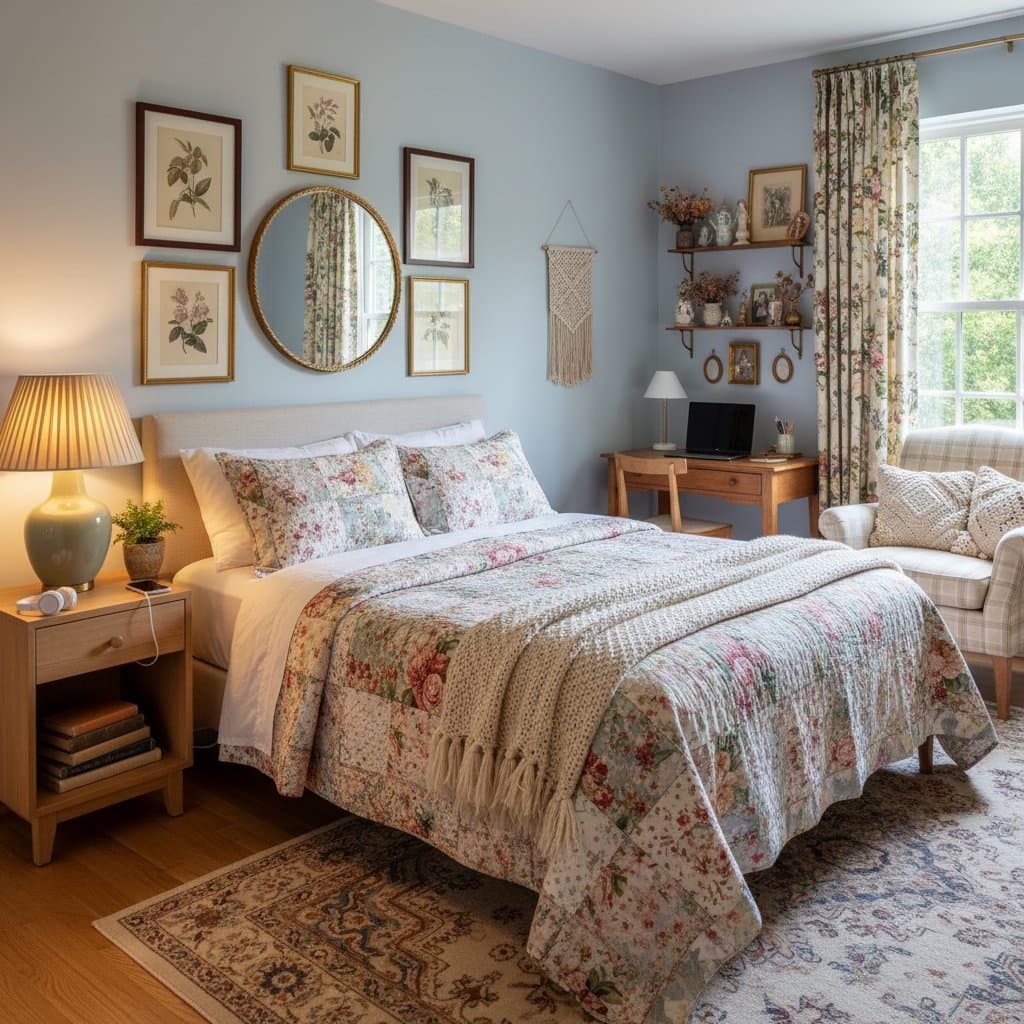
Seating and headboards wrapped in substantial textiles absorb more airborne sound than smooth leather or polished synthetics. Velvet, chenille, and heavyweight cotton each contribute acoustic mass while supporting comfort.
Over time these choices accumulate into noticeably quieter rooms across daily routines.
Ceiling Mounted Absorbers
Fabric covered panels affixed to ceilings capture upward traveling sound that would otherwise linger. Align panels with existing beams or light fixtures to preserve architectural lines. Suspended baffles in wave or cloud forms add three dimensional interest.
The ceiling treatment completes acoustic balance in rooms with high or hard surfaces.
Practical Implementation Steps
- Map hard surfaces that reflect sound and note primary noise sources.
- Introduce textiles in sequence, beginning with the largest areas such as windows and floors.
- Coordinate fiber types and tones across elements for visual unity.
- Evaluate results by listening during typical household activity.
- Schedule routine vacuuming to preserve both appearance and performance.
Observable Outcomes
Spaces treated with sound absorbing textiles support clearer conversation and more immersive audio experiences. Footsteps register as deliberate rather than intrusive. Residents describe an overall sense of composure that extends beyond the absence of noise alone.