Soundproof Decor: Serenity in Every Living Room
Imagine settling into the couch only for the neighbor's lawn mower to disrupt the peace. Or envision a family movie night where sounds echo excessively into adjacent rooms. Noise easily invades tranquil spaces. Thoughtful design choices offer a solution, creating quiet without converting the living room into a sterile recording studio.
Soundproof decor goes beyond basic sound blocking. It influences the overall ambiance of the home. A well-balanced room absorbs conversations, dampens footsteps, and supports clear thinking. The upgrades discussed below establish a soft-spoken sanctuary using practical and stylish elements.
1. Acoustic Wall Panels That Double as Art
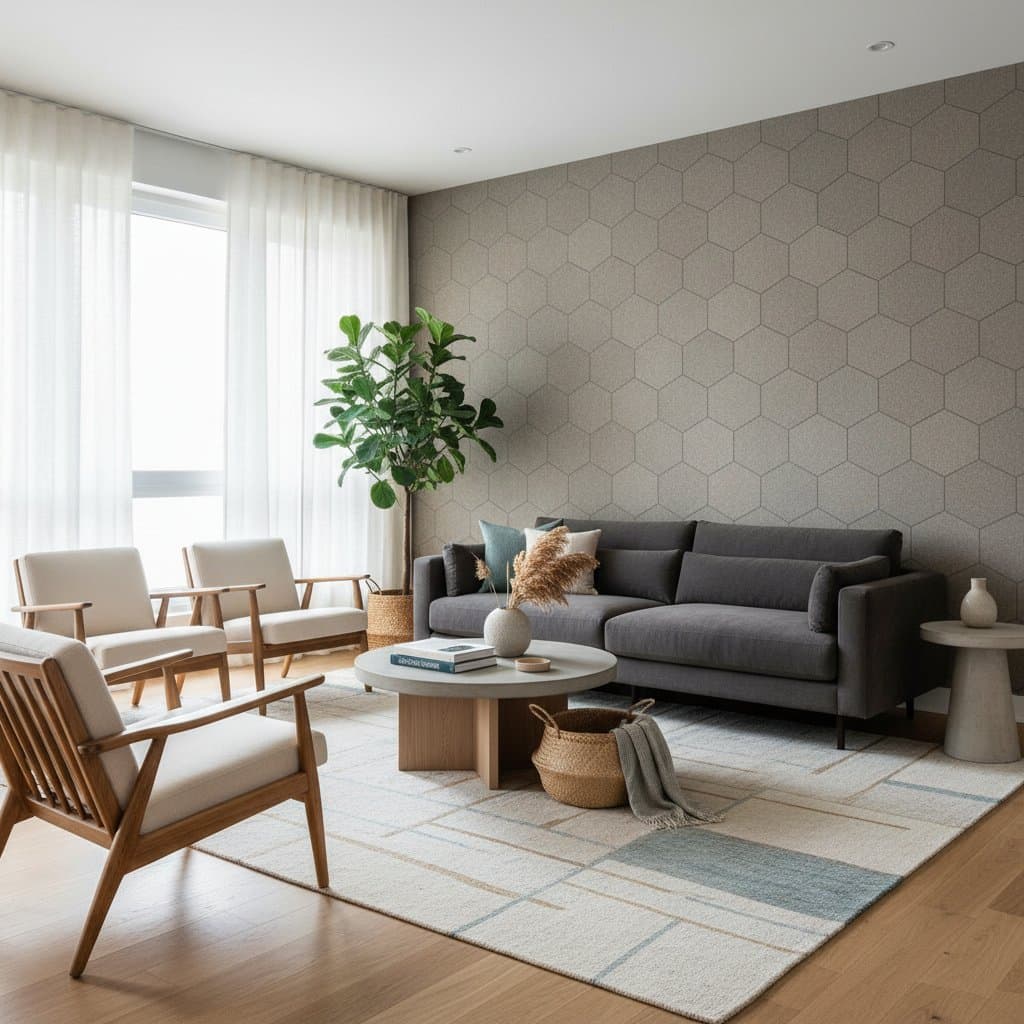
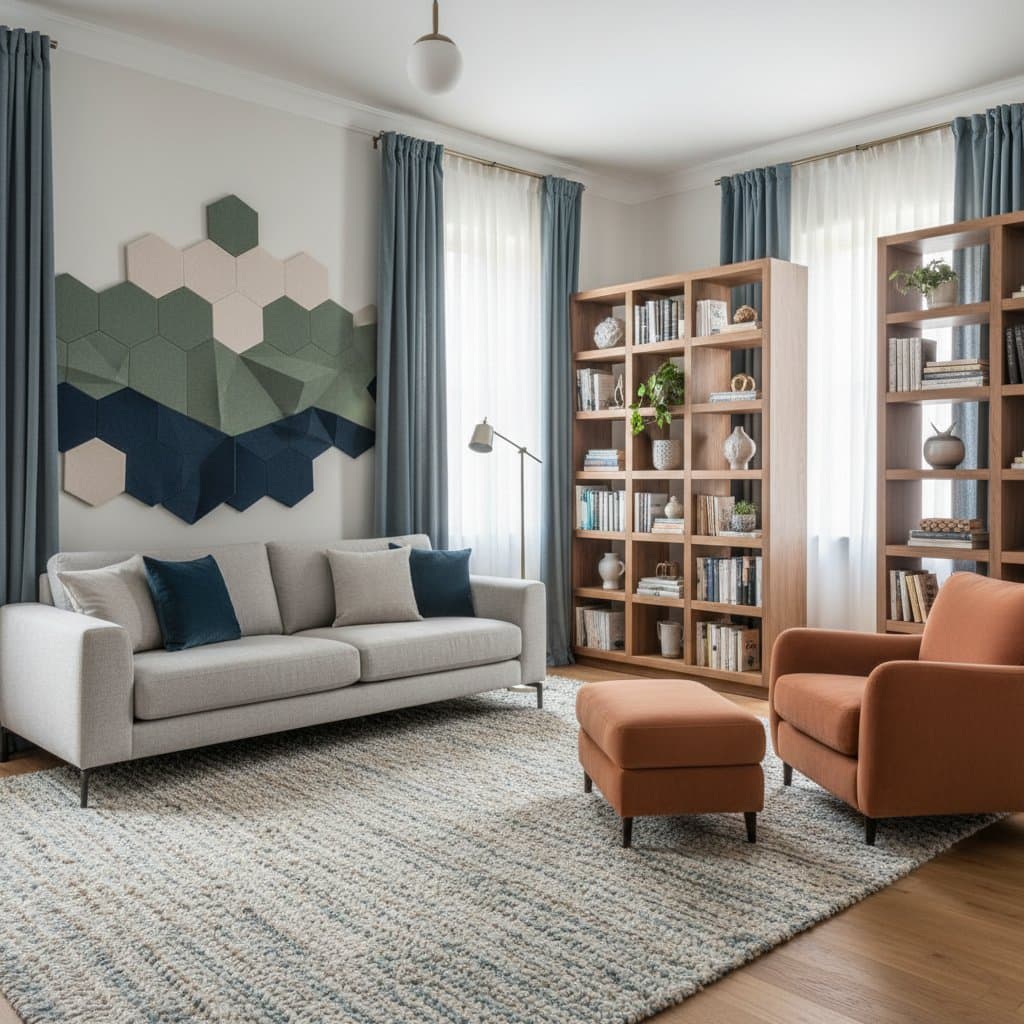
Acoustic panels have advanced well past simple gray squares. Modern designs feature sculptural felt installations, upholstered hexagonal patterns, or framed fabric panels that mimic fine artwork. Position these panels behind the sofa or opposite the television to capture echoes and ambient chatter effectively.
Hard surfaces like drywall, glass windows, and wood floors reflect sound waves prominently. These panels act as soft layers on walls, diffusing tones and voices to produce a calmer environment. Install them at ear level, typically 4 to 5 feet from the floor, for maximum absorption. Choose colors and textures that harmonize with the room's existing palette to boost visual interest.
2. Plush Rugs That Quiet Every Step
A rug does more than anchor furniture arrangements. It prevents sound from bouncing off bare floors. Select high-pile materials such as wool or synthetic shag for excellent absorption properties. Layering enhances performance: use a flat-weave rug as the foundation and add a thicker one in high-traffic zones like pathways to the seating area.
Exposed floors intensify every footfall, dropped object, or child's toy noise. Rugs mute these interruptions while introducing warmth to the space. Many homeowners note that the room feels more welcoming, even when the thermostat remains unchanged. Measure the floor area accurately, aiming for coverage that extends 12 to 18 inches beyond furniture edges in key zones.
3. Curtains That Work Harder
Heavy drapery blocks more than just sunlight. Choose lined or layered curtains that reach from ceiling to floor and cover the full window width, ideally with 1.5 to 2 times the window measurement for proper gathering. Fabrics like velvet, wool blends, or dense linen provide superior sound reduction. Pair a lightweight sheer panel with a substantial blackout layer for added versatility in light control.
Windows frequently allow the most disruptive external noise to enter. Well-dressed windows appear polished while functioning as acoustic barriers. Drawing the curtains produces a noticeable hush, as if outside sounds diminish into the background. Install them on a double rod system to allow simple switching between layers as needed.
4. Upholstered Furniture That Absorbs Sound
Rooms filled with hard surfaces create excessive acoustic liveliness. Upholstered pieces serve as natural buffers. Select sofas, fabric-covered armchairs, and cushioned ottomans in breathable textiles like cotton or linen blends to capture mid-range frequencies effectively. In open-plan layouts, add a tufted bench or fabric-upholstered headboard to manage echoes further.
Comfort and acoustic calm complement each other. A well-padded sofa invites relaxation while softening the room's sound profile. This method delivers benefits in both design and functionality. Assess current furniture and replace rigid options, such as metal chairs, with softer alternatives to achieve balanced harmony throughout the space.
5. Bookshelves as Sound Barriers
Books offer value beyond intellectual enrichment in decor. A fully stocked bookshelf absorbs and diffuses sound via its irregular surfaces. The diverse sizes of books and spines scatter sound waves, while the paper and bindings trap vibrations. In large living rooms, place an open bookcase to define zones without blocking natural light, positioning it midway between seating and activity areas.
Such shelving infuses personality while reducing noise from nearby spaces. This approach suits apartments or open floor plans where sounds propagate easily. Arrange books densely across shelves, varying heights and textures for optimal effect, to enhance acoustic performance without compromising visual appeal.
6. Quiet Accessories That Pull the Room Together
Items like soft throws, large floor cushions, and woven baskets capture minor sound reflections. Plants contribute as well, especially those with dense foliage such as fiddle-leaf figs or grouped ferns. Position a large plant near windows or along console tables to subtly reduce echoes and add a touch of vitality to the room.
These accessories provide flexibility, affordability, and immediate results. They help craft a curated look that supports a serene atmosphere. Integrate them around seating areas to improve overall absorption. Refresh placements seasonally to keep both the sound quality and style dynamic.
7. Smart Placement of Sound Sources
True serenity requires managing sound sources alongside absorption efforts. Move speakers and televisions away from corners to avoid wave rebound, ideally centering them on walls facing listeners. Attach adhesive felt pads under furniture legs to prevent vibrations on hardwood or tile floors. For soundbars, mount them 2 to 3 feet below ear height and angle toward main seating spots.
Proper placement maximizes the effectiveness of decor elements. Aligning devices and furniture with the room's layout promotes softer, clearer audio. Small shifts, even a few inches, can lead to substantial gains. Experiment with arrangements during quiet periods to refine the setup for best results.
Steps to Achieve Acoustic Harmony
Soundproof decor emphasizes comfort over absolute silence. Each component, from rugs to upholstery, builds layers of tranquility that support both auditory health and overall well-being.
Start with one adjustment and monitor the change in ambiance. Observe how discussions become gentler over a fresh rug or how evenings turn more restful with closed curtains. Layer in additional elements progressively to form a unified, noise-resilient environment suited to everyday routines. The result is a living room that nurtures peace and enhances daily life.