Luxe Acoustic Panels: Style Meets Sound Control
Excessive noise disrupts the calm of well-designed spaces. Echoes bounce off hard surfaces, and overlapping conversations create confusion, undermining peace. Traditional acoustic panels often suggest plain, functional setups limited to studios or offices. Modern versions, however, turn these tools into elegant decor that absorbs sound and enhances visuals. They add texture and depth, shaping both hearing and sight in homes.
The Quiet Beauty of Better Sound
Picture stepping into a space where voices project distinctly, music plays with rich tone, and quiet moments encourage rest. This balance of sound and silence builds a steady atmosphere at home. Acoustic panels capture sound waves to lessen harsh echoes and improve clarity.
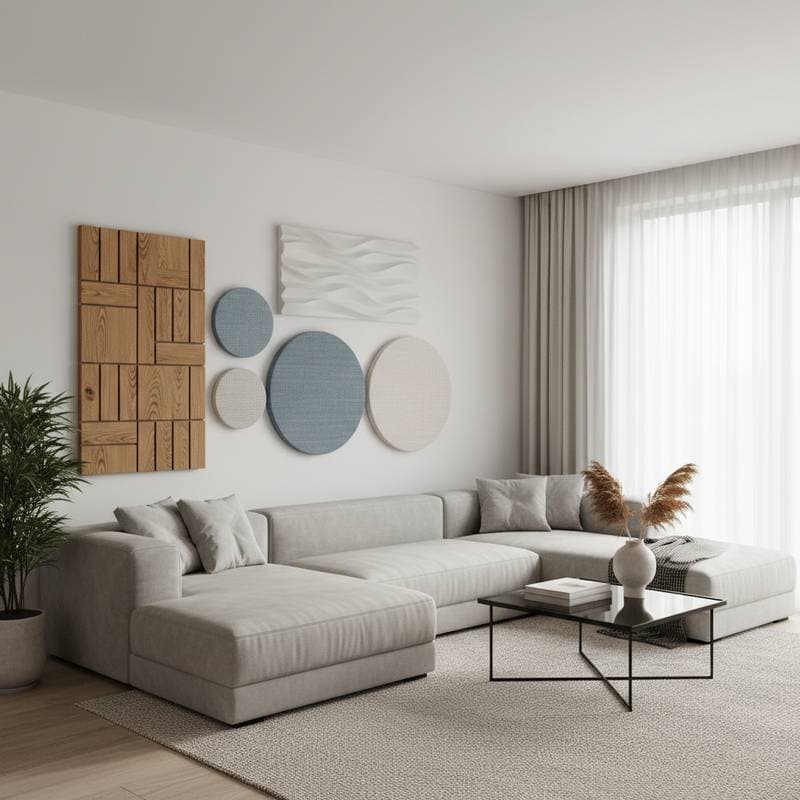
The result creates an organized, inviting setting. Home office workers, families in open layouts, or readers in cozy corners all gain from this control. Luxe panels boost functionality with creative shapes, like wall sculptures or fabric-covered pieces, that fit smoothly into room themes.
Choosing Panels That Suit Your Space
Evaluate the mood you want before selecting panels. Some rooms benefit from subtle blends, while others call for bold patterns or varied textures. Review these types to inform your choices:
-
Fabric Wrapped Panels
Choose panels covered in linen, velvet, or wool that match your palette. These soften light and sound, producing a warm, gentle ambiance. -
Wood Slat Panels
Select slatted designs over absorbent bases for natural flow and warmth. They suit living rooms or entryways, supporting clean, modern looks. -
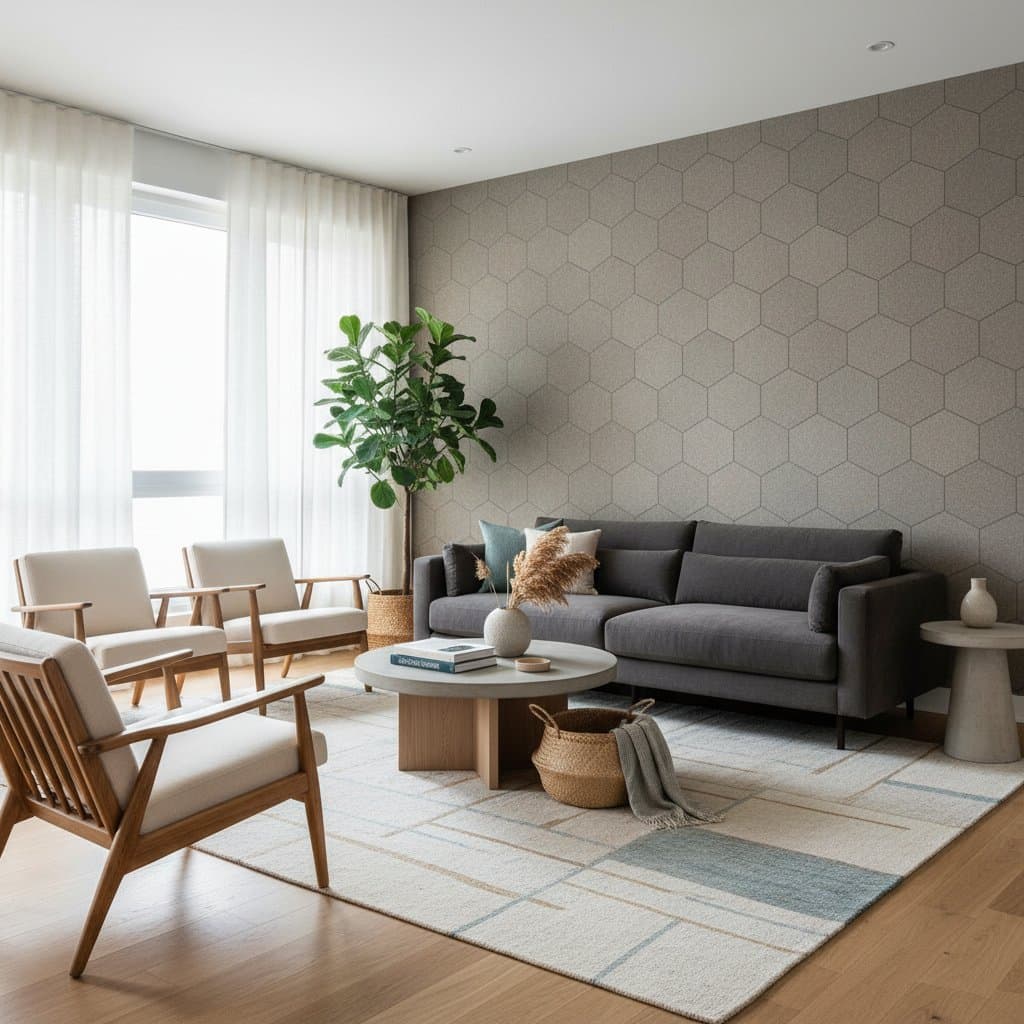
Felt Wall Tiles
Use modular tiles in different colors and shapes for custom setups. Arrange in geometric patterns or gradients to form unique, functional art. -
Printed or Patterned Panels
Pick panels with prints mimicking murals or fine art. Perfect for feature walls, they provide strong visual punch alongside sound management. -
Sculpted 3D Panels
Go for raised designs that add depth and movement. They turn flat walls into focal points, while improving overall acoustics.
Simple Steps to Plan Your Acoustic Layout
Careful planning aligns looks with performance. Use these steps for strong results:
-
Identify the Noisy Zones
Listen carefully to spot echoes or sharp reflections. Focus on large open areas, hallways, or rooms with hard finishes like tile or glass. -
Start Small
Begin with coverage on one wall or near main seating. Add more gradually to see changes without dominating the room. -
Balance Function and Form
Check sightlines and scale. Place panels to highlight art, emphasize architecture, or complement furniture. -
Mix Materials
Combine panels with rugs, curtains, and soft seating. Layers increase sound absorption effectively. -
Test and Adjust
Listen after setup to assess changes. Move or add panels to fine-tune the sound.
Everyday Benefits of a Softer Soundscape
Acoustic panels bring clear improvements to daily life. Talks flow without effort, background noise fades, and focus strengthens. Remote professionals or learners find better productivity in work areas.
Music enthusiasts enjoy detailed audio in media rooms, with clearer notes and deeper tones. Quiet times, like enjoying coffee or reading, feel more composed without stray sounds.
These changes also support well-being. Softer environments ease breathing and reduce stress. They allow natural unwinding in a space that feels balanced.
Integrating Panels into Your Decor
Sound control can enhance style without sacrifice. Apply these methods to incorporate panels:
-
Create a Feature Wall
Group panels in grids or clusters behind sofas or beds. Choose colors that echo nearby textiles or accents. -
Frame with Trim
Add thin wood edges for a custom, integrated feel. This works well with neutral fabrics and natural details. -
Play with Tone and Texture
Mix matte and shine, or soft felt with smooth paint. Contrasts highlight each material's appeal. -
Blend into Built-Ins
Set panels inside cabinets or shelves for subtle effect. This fits minimalist or modern schemes that value restraint. -
Go Vertical or Overhead
Mount on ceilings or as tall strips to suggest height. This tackles sound in small rooms and draws eyes up.
Overcoming Common Hesitations
Doubts often arise from ideas of bulky, dull items. Current options stay slim, inviting, and home-friendly. Installation uses hidden clips or removable adhesives to avoid damage.
Renters can select temporary fixes that protect walls. On cost, high-end choices offer lasting value, but budget options perform well. Focus on quality in key spots rather than covering everything.
A Mindful Approach to Comfort
Treat acoustic panels as part of the sensory mix, like lighting or scents. They shape feelings in enclosed spaces. Good sound anchors the room, eases talks, and makes quiet restorative.
Thoughtful picks reflect purposeful design. This respects the home as a place for personal rhythms. Sound control opens space for rest, work, and connections.
Living with Your Design
After setup, note the shifts. Sound sharpens first, then comfort follows. Old echo spots gain subtle warmth, and routines move smoothly.
In time, voices may quiet naturally, revealing fine details. Maintain panels with light dusting using soft brushes or vacuums. Clean fabrics with mild soap solution; condition wood regularly to keep shine and function.
Implementing Acoustic Enhancements
Source from trusted vendors with samples. Measure rooms and test noise to calculate needs, often 20 to 30 percent wall coverage for impact. Hire experts for tricky installs to ensure durability. These steps deliver lasting calm and polish.