Acoustic Ceiling Clouds: Style Meets Superior Sound Design
You know that moment when you walk into a restaurant or open office and the echo hits before the conversation even starts. Every word bounces around, plates clink a little too loudly, and suddenly the space feels more chaotic than charming. Now imagine the opposite. A room that feels calm, where sound seems to stay politely in its lane.
That is the quiet magic of acoustic ceiling clouds, the unsung heroes of thoughtful sound design. These panels float just under the ceiling, absorbing noise before it can ricochet across the room. They might look like modern art, but they serve a deeply practical purpose.
Whether you are designing a home workspace, a recording nook, or a lively dining area, ceiling clouds can make the difference between a space that sounds beautiful and one that simply looks it. Let us walk through what makes these panels so effective, how they can elevate style, and why they might be the most satisfying decor upgrade you did not know you needed.
Smart Design Choices That Make a Big Difference
1. Shape and Placement
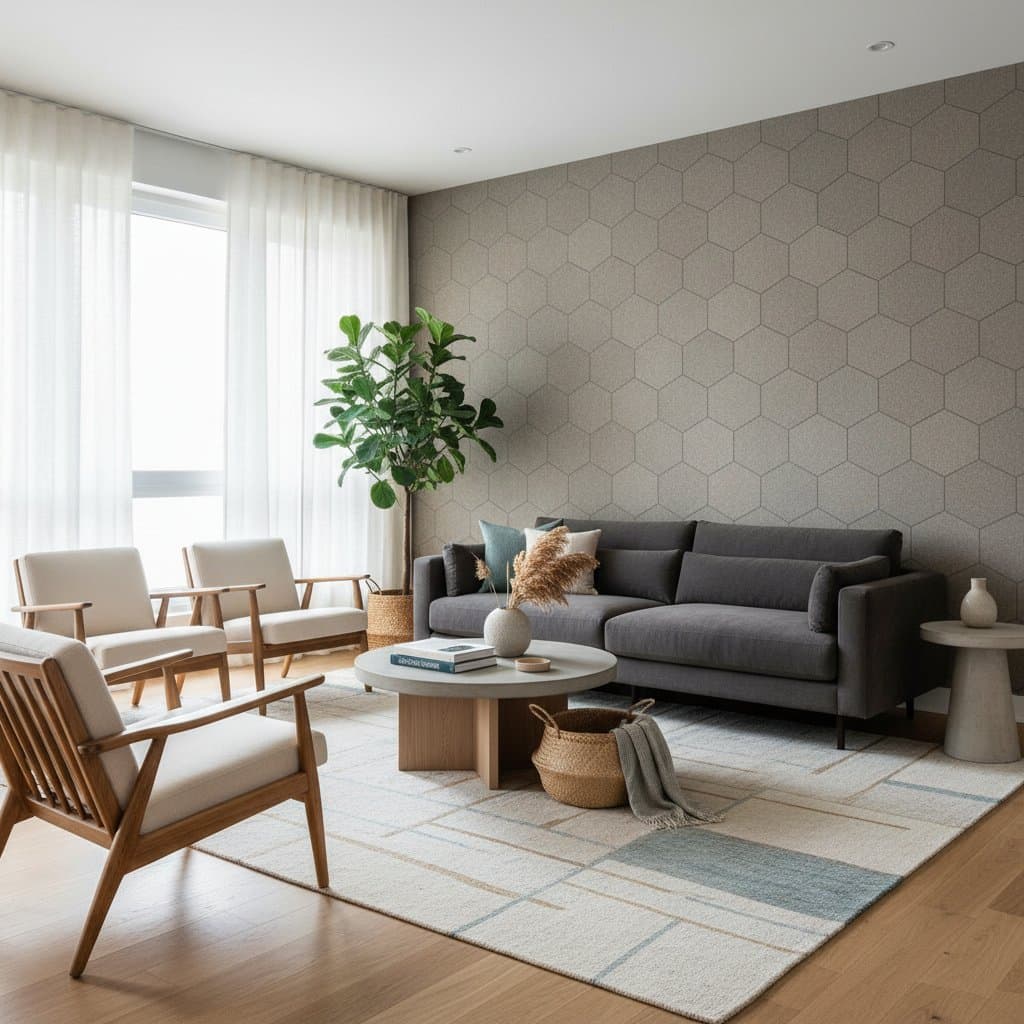
Acoustic ceiling clouds come in all sorts of shapes: rectangles, circles, hexagons, and even custom curves. The best shape depends on what you want to emphasize. Circular clouds can bring softness to a room full of straight lines, while linear panels can add rhythm and direction.
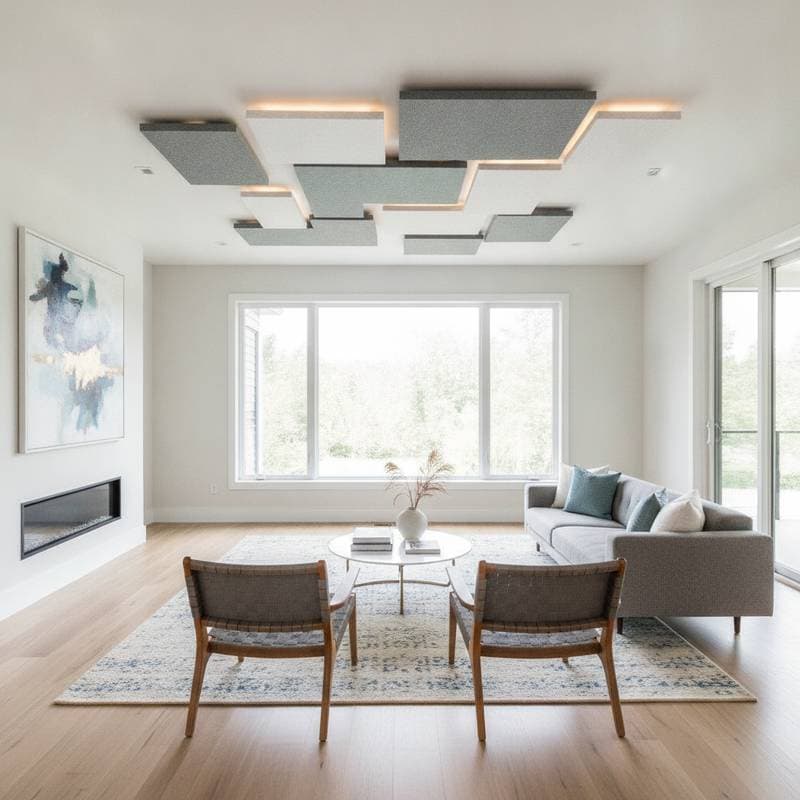
Clustering multiple panels can create a sculptural effect, almost like a floating installation. In dining areas, hang them above the table where voices gather. In offices, center them over work zones or conference tables. The goal is to catch sound where it travels most often.
2. Material and Texture
Most clouds are made from acoustic foam, felt, or compressed polyester fiber. The surface texture matters because rougher finishes scatter sound more effectively. Some panels come wrapped in fabric that can match upholstery or wall colors. Others use natural materials, like wood veneer or wool felt, for a softer, organic look.
Clients often say the tactile quality is what wins them over. A felt panel brings warmth, while a linen-wrapped one feels sophisticated. You get both visual interest and better sound comfort, all in one move.
3. Color as an Accent
You can treat ceiling clouds as subtle background features or as bold design statements. Neutral tones blend into the environment, perfect for minimalist interiors. On the other hand, a burst of color overhead can define zones within open layouts.
Imagine a cluster of pale blue panels above a reading nook or charcoal rectangles framing a dining area. The color draws the eye upward, making the ceiling part of the decor story rather than just the overhead plane you forget to notice.
4. Mounting and Spacing
Clouds are usually suspended a few inches below the ceiling, which helps them capture sound from multiple directions. The gap also creates a shadow line that adds depth and dimension. Adjustable cables make it easy to fine-tune the height and angle.
For a dramatic architectural effect, mix layers at different levels. It not only looks dynamic but also improves sound absorption across frequencies. Think of it as tuning the room visually and acoustically.
5. Lighting Integration
Pairing acoustic panels with lighting can be a small stroke of genius. Some manufacturers offer integrated LED strips or recessed lights within the panels. The result is a seamless design that handles both brightness and quietness at once.
In home settings, this combination feels especially satisfying. You reduce clutter on the ceiling, since fewer fixtures compete for space, and every glow feels more intentional. You might even find yourself noting the value of quiet lights.
6. Sustainability and Maintenance
Many acoustic ceiling clouds are made from recycled materials, and their durability means they last for years with minimal upkeep. Cleaning typically involves a quick vacuum or gentle wipe. For clients who want low-maintenance design, this detail matters. The panels contribute to both comfort and conscience.
Balancing Beauty and Function
One of the biggest misconceptions about acoustic treatments is that they must look technical or industrial. Ceiling clouds break that stereotype completely. They can be as expressive or discreet as you want.
Designers often layer them with other sound-friendly materials, such as curtains, rugs, or upholstered furniture, to create harmony between surfaces. The ceiling treatment becomes part of a larger sensory design. Sight, sound, and even touch work together.
Think of how a soft-close drawer feels compared to one that slams. Acoustic ceiling clouds offer a similar experience for your ears. They turn the daily soundtrack of life into something smoother and more refined.
Living with Your Design
Once you start living with better acoustics, it is hard to go back. The difference sneaks up on you. You experience less strain during conversation, more enjoyment of music or movies, and fewer moments when you have to repeat yourself.
If you are planning a remodel or simply want to refine an existing space, consider looking up. The ceiling is often the most underused surface in design, yet it holds enormous potential to transform the feel of a room.
Acoustic ceiling clouds prove that practical upgrades can also be beautiful. They blend visual polish with everyday comfort, turning noise control into a design feature worth admiring.