Why Sound Decor is Entering Mainstream Homes
Clattering dishes, street traffic, and echoing conversations erode the calm of home life. Individuals increasingly recognize the impact of sound on comfort and mood, sparking interest in sound decor. Previously confined to recording studios or upscale offices, acoustic design now integrates into living rooms, bedrooms, and kitchens. This evolution prioritizes practical spaces that promote softness, balance, and ease of daily living.
The Emergence of Sound-Conscious Living
Sound profoundly influences environmental perception. A room that overwhelms the ears disrupts mental tranquility, whereas a subdued space fosters concentration and relaxation. With homes serving as hubs for work, rest, and social interaction, the demand for acoustic harmony intensifies. Contemporary sound decor merges utility with visual elegance, incorporating elements that harmonize with furniture, artwork, and lighting rather than relying on concealed panels or cumbersome drapes.
Designers treat sound as an integral aspect of the spatial narrative. Similar to selecting paint hues or fabrics to evoke specific emotions, professionals now tailor a room's acoustic profile to align with desired atmospheres, such as vibrancy for gatherings or quietude for reflection.
Forms of Contemporary Sound Decor
Sound decor manifests in diverse, multifunctional elements that mitigate echo, dampen extraneous noise, and instill tranquility. These solutions prioritize aesthetic integration while delivering acoustic benefits. Key examples include:
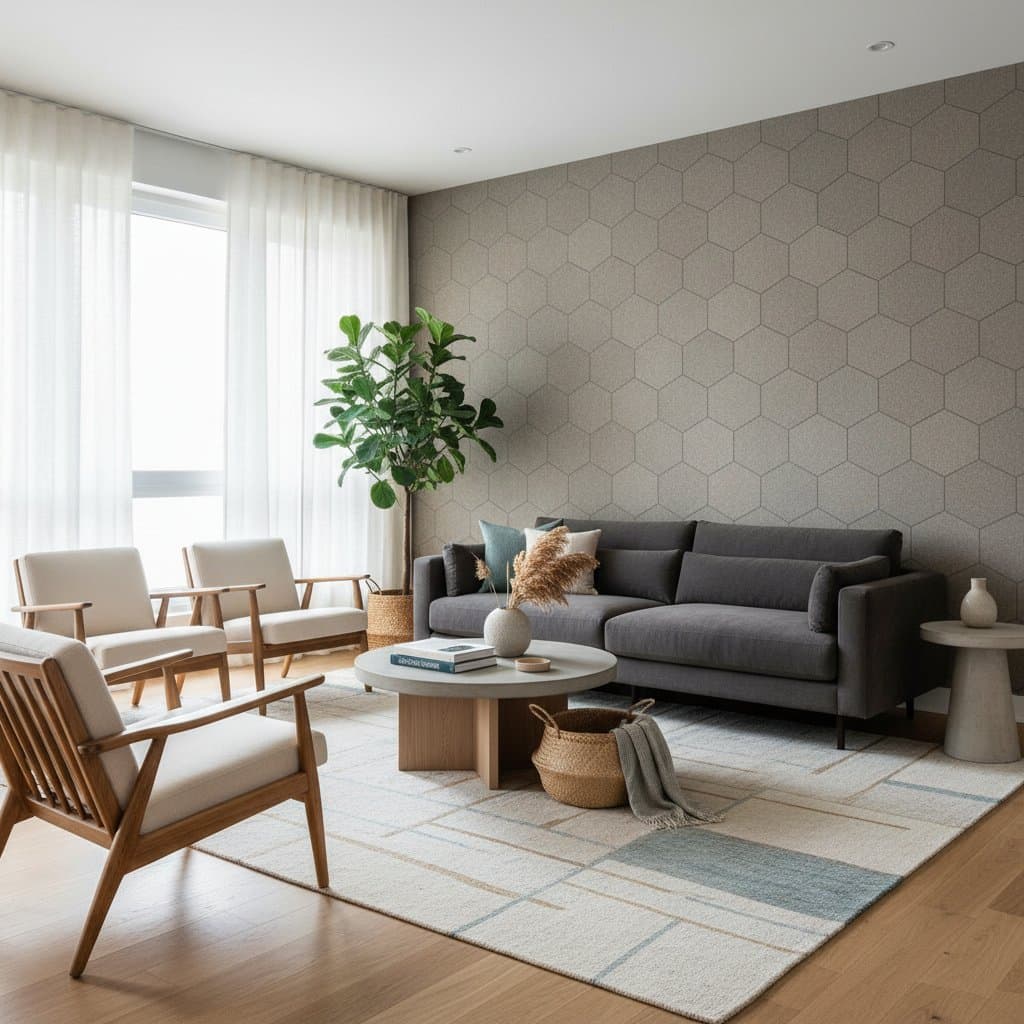
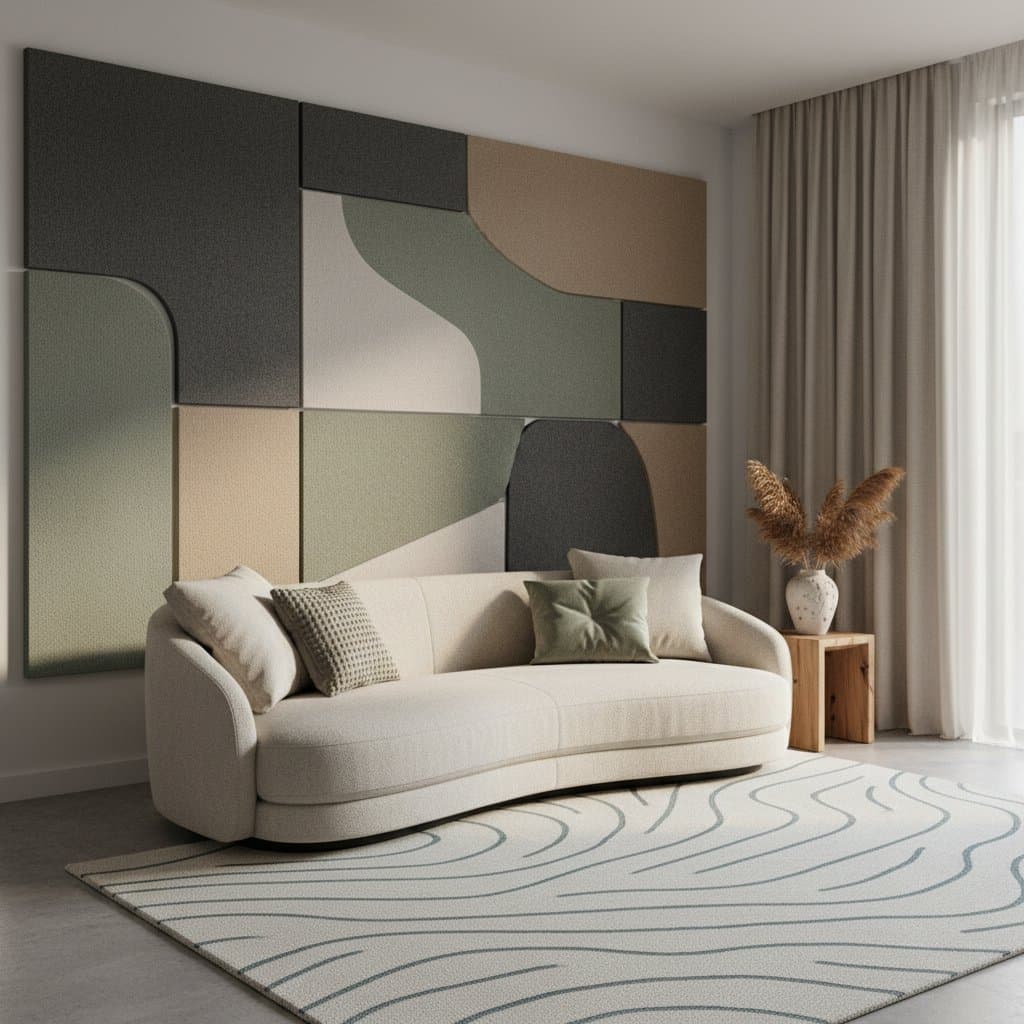
- Wall panels clad in fabric or wood slats, which diffuse sound reflections and introduce tactile depth.
- Rugs and curtains crafted from thick, sound-absorbent materials to capture ambient vibrations.
- Upholstered furniture that anchors open layouts both visually and acoustically.
- Ceiling baffles and ornamental tiles that establish rhythmic patterns while controlling overhead echoes.
- Plants and woven screens that scatter sound waves softly and infuse natural elegance.
Achieving equilibrium remains essential. Excessive absorption risks a lifeless ambiance, while insufficient treatment perpetuates resonance. Experts combine varied materials and configurations to balance serenity with subtle vitality.
The Impact on Well-Being
Noise extends beyond mere annoyance, affecting sleep, stress, and cognitive performance. Persistent ambient hums in a residence can induce unexplained tension among inhabitants. Sound decor provides an accessible method to nurture mental and emotional health via environmental adjustments.
A harmonized space promotes measured breathing and sharpened attention. It facilitates effortless dialogue and simplifies unwinding. Incremental modifications, such as installing substantial curtains or suspending fabric wall art, yield tangible improvements. Ultimately, these enhancements cultivate a residence that sustains rather than strains its occupants.
Practical Steps to Implement Sound Decor
Comprehensive renovations prove unnecessary for acoustic enhancements. Targeted actions swiftly diminish noise and cultivate peace.
- Incorporate layered textiles. Position rugs, cushions, and throws to capture sound and infuse coziness.
- Install curtains or fabric shades. These barriers attenuate external intrusions and mute internal rebounds.
- Position bookshelves or artwork strategically. Loaded shelves or framed pieces interrupt sound propagation.
- Experiment with modular panels. Select peel-and-stick options from brands offering vibrant, design-forward finishes.
- Evaluate and refine acoustics. Move through the space to identify echo hotspots, then reposition furnishings to redirect sound flow.
Cumulative tweaks accumulate significant gains. Aim for comfortable resonance where sounds integrate naturally, rather than absolute quiet.
Addressing Typical Challenges
Concerns about bulky or utilitarian appearances in acoustic elements persist. Current innovations counter this with luxurious fabrics, sustainable woods, and artistic silhouettes that resemble gallery pieces. Budget constraints also deter some, yet modest investments deliver impact; a lone panel or denser rug alters the sonic landscape effectively.
In shared households, accommodate diverse preferences for auditory environments. One occupant might seek silence for study, another ambient melody for leisure. Optimal sound decor accommodates these variances through versatile, style-aligned interventions.
Embracing Sound-Aware Design in Daily Life
Rising consciousness positions acoustic consideration alongside illumination and spatial arrangement in design priorities. This reflects a broader aspiration for sensory-nurturing homes that soothe rather than saturate. A gently resonant space welcomes inhabitants more readily, while fluid acoustics enrich interactions.
Initiate with a single element, such as a rug in a high-traffic area or a panel in a conversation nook. Gradually, observe the evolving ambiance: diminished buzz, heightened clarity, and an overall sanctuary-like quality. Such transformations affirm the profound role of sound in crafting restorative living environments.