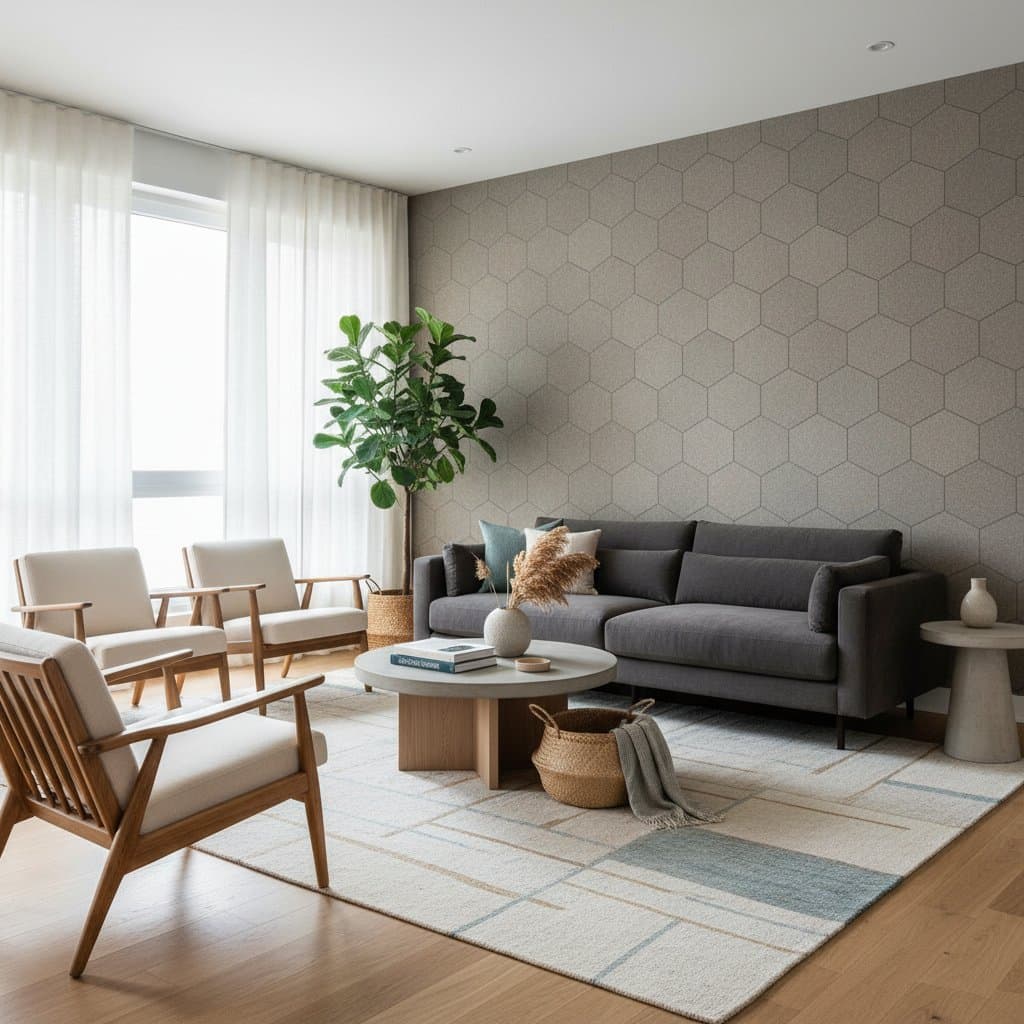
Sound-Absorbing Decor: The Essence of Quiet Luxury
A new dimension of luxury emerges, one that prioritizes sensation over spectacle. Sound-absorbing decor delivers this experience by muting echoes and nurturing a sense of peace. In this approach, design integrates seamlessly with comfort to cultivate understated elegance.
Modern homes often harbor acoustic challenges from sleek hard surfaces, expansive ceilings, and fluid open plans. These features amplify voices and prolong footsteps, creating an undercurrent of unrest despite visual appeal. Sound-absorbing elements provide an elegant remedy, infusing texture and serenity into routine environments.
Why Quiet Acoustics Matter
Serene surroundings promote relaxation, concentration, and meaningful interactions. As ambient noise diminishes, spaces acquire a profound tranquility. Discussions gain intimacy, melodies resonate more richly, and silence transforms into a soothing presence rather than a void.
True luxury resides in environments that nurture holistic well-being, rather than in lavish displays. The gentle diffusion of sound in a harmonized room offers deeper satisfaction than elaborate ornamentation. Homeowners discover that acoustic balance elevates everyday moments into restorative rituals.
Key Elements for Acoustic Softening
Targeted design selections yield significant improvements in sound management without requiring extensive overhauls. Focus on materials that naturally dampen vibrations and interrupt sound waves. Consider these proven options to initiate transformation:
- Acoustic panels: Contemporary versions feature artistic forms and premium coverings like velvet or cork. Position them on walls to serve as focal points while enhancing audio clarity in living areas or home offices.
- Textured rugs: Opt for dense, layered weaves in natural fibers such as wool or jute. These capture reverberations effectively on reflective floors, grounding rooms visually and audibly.
- Upholstered furnishings: Select pieces with thick padding and fabric upholstery, including armchairs or ottomans. Such items absorb sonic energy, preventing hollow echoes in open-concept zones.
- Heavy curtains: Choose floor-length drapes in insulating fabrics like velvet or linen blends. They moderate both illumination and noise, framing windows to form intimate enclosures.
- Bookshelves and indoor plants: Populate shelves with books and decor to scatter sound reflections; incorporate broad-leafed foliage for additional diffusion. These additions infuse organic warmth and subtle acoustic control.
Integrate these components thoughtfully to maintain your home's aesthetic coherence. Each contributes to a layered defense against noise, resulting in progressively quieter, more inviting interiors.
Practical Steps to Implement Changes
Identify a single space prone to excessive reverberation, such as a dining area or bedroom. Pause in the room and observe sound patterns: note how echoes travel from walls or ceilings. Introduce elements incrementally to assess their impact.
For instance, place a large rug beneath a conversation seating area to immediately tame footfall noise. Follow with wall-mounted panels in neutral tones that complement existing artwork. In a study, heavy curtains over windows can reduce external clamor, allowing for sustained focus during work sessions.
Monitor adjustments over a week, listening for shifts in the room's sonic profile. This methodical process ensures changes align with your lifestyle, building a cumulative effect of harmony without overwhelming effort.
Addressing Typical Challenges
Concerns about aesthetics often deter adoption of acoustic solutions, yet innovative designs dispel notions of clinical appearances. Sleek panels in matte finishes or patterned weaves blend effortlessly into contemporary, bohemian, or classic schemes.
Budget limitations pose another barrier, but resourceful adaptations maximize existing resources. Repurpose spare blankets as wall hangings or cluster cushions on shelves to create soft barriers. Rearrange seating to angle toward absorptive surfaces, redirecting sound flow with minimal cost.
Consult room dimensions when selecting items; smaller spaces benefit from modular panels, while larger ones accommodate full rugs. These strategies democratize access to acoustic refinement, proving that effective quietude requires intention more than expense.
Embracing Sustained Serenity
With noise levels subdued, finer auditory nuances emerge to enrich daily experiences. Morning light accompanies the soft patter of rain without distortion. Family meals unfold with unhurried dialogue, free from competing echoes.
This calm extends to productivity, where a hushed office sharpens mental clarity for reading or creative pursuits. Restful nights follow in bedrooms shielded from household sounds, promoting deeper sleep cycles.
Maintain this equilibrium through seasonal refreshes, such as rotating textiles or adding seasonal plants. Sound-absorbing decor evolves as an enduring commitment to aligning your environment with personal tranquility, yielding lasting rewards in comfort and poise.