Japandi Maximalism: The 2026 Bedroom Design Evolution
Minimalist bedrooms often evoke a sense of calm, yet they can sometimes lack depth and character. Japandi Maximalism addresses this by integrating expressive elements into the foundational principles of Japanese and Scandinavian design. This approach maintains serenity while introducing layers of texture, color, and personal artifacts to create inviting, dynamic spaces.
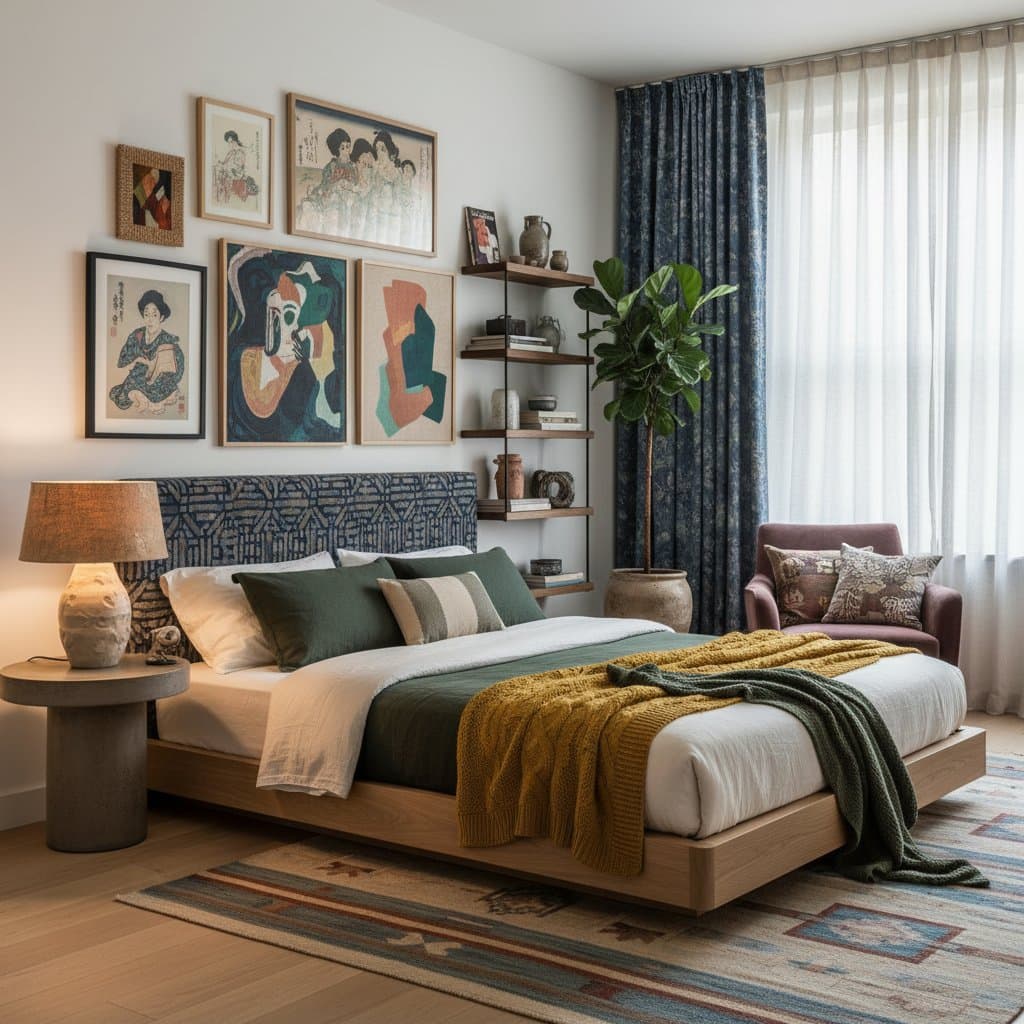
The style preserves the essence of clean lines and natural materials but allows for thoughtful additions that enhance emotional connection. Consider a low-profile bed frame in light oak accented by vibrant woven textiles and a single statement artwork. Such combinations ensure the room remains orderly yet infused with life.
The Rationale Behind Japandi Maximalism
Core Japandi design emphasizes restraint, harmony, and functionality through neutral palettes and organic forms. However, excessive minimalism risks creating impersonal environments. Maximalist influences counteract this by introducing selective boldness, promoting individuality without compromising tranquility.
This evolution represents a mindful progression from pure minimalism to a more holistic expression. It acknowledges the need for both structure and spontaneity, resulting in interiors that support well-being and creativity. Designers note that this balance resonates with modern lifestyles seeking comfort amid simplicity.
Essential Components of Japandi Maximalism
Implementing this style in a bedroom involves deliberate choices that harmonize opposing aesthetics. The following elements provide the framework for achieving balance. Each component builds on the last to create a cohesive whole.
1. Layered Natural Textures
Incorporate a variety of tactile surfaces to add dimension. Pair smooth linen bedding with a knitted wool blanket and polished wood accents with matte clay vessels. These contrasts stimulate the senses while preserving visual cohesion.
Designers recommend starting with three distinct textures per surface, such as a silk pillowcase atop a seagrass mat. This method fosters an environment that feels engaging and comforting. Experiment with samples in the room to verify how they interact with existing light.
2. Strategic Color Integration
Build on subdued Japandi tones with purposeful accents of deeper hues. Introduce forest green on a feature wall or rust orange in upholstery against a backdrop of soft grays and whites. Limit bold colors to 20 percent of the palette to maintain equilibrium.
For example, select a mustard yellow throw for the bed to draw the eye without dominating the space. This technique ensures colors enhance rather than overwhelm the composition. Test swatches at different times of day to confirm their versatility.
3. Curated Personal Artifacts
Select meaningful objects to display prominently, transforming the room into a narrative space. Position a vintage brass lantern inherited from family or a series of botanical prints acquired during travel on open shelves. Limit to five to seven items to avoid excess.
Each piece should connect to personal experiences, such as a stone sculpture from a memorable hike. This curation elevates the room from generic to intimate. Rotate items quarterly to keep the display fresh and reflective of current interests.
4. Expressive Low-Profile Furniture
Retain the grounded forms characteristic of Japanese aesthetics but enhance them with sculptural details. Opt for a platform bed with asymmetrical legs or a nightstand featuring carved motifs in sustainable walnut. These choices add visual interest without cluttering the floor plan.
Ensure furniture serves multiple purposes, like a bench with integrated storage at the bed's foot. This design promotes fluidity and presence without sacrificing practicality. Measure the space precisely before purchasing to guarantee seamless integration.
5. Intentional Pattern Application
Introduce patterns sparingly to add subtle energy. Choose ikat-inspired motifs on curtains or herringbone weaves in area rugs that complement the room's lines. Align patterns with the architecture, such as vertical stripes on panels to elongate the space.
Test patterns in natural light to confirm they integrate seamlessly. The result is rhythmic interest that supports rather than disrupts the calm atmosphere. Layer smaller patterns on accents like pillows to build complexity gradually.
6. Discreet Storage Solutions
Maintain order through integrated systems that conceal daily essentials. Install under-bed compartments with sliding panels or use modular cabinets disguised as decorative panels. Opt for materials like rattan or linen covers to blend with the aesthetic.
This organization allows expressive elements to shine while keeping the surface areas clear. Regular audits of stored items ensure only essentials remain, reinforcing the style's disciplined core. Label hidden compartments for easy access and maintenance.
7. Ambient Lighting Layers
Create mood through varied light sources that emphasize texture and form. Combine floor lamps with frosted glass shades, wall-mounted fixtures with adjustable arms, and bedside table lights with fabric diffusers. These elements highlight the room's depth at any hour.
Aim for three layers: overhead for tasks, mid-level for reading, and low for relaxation. This setup transforms the bedroom into a versatile haven that adapts to different times of day. Install smart controls to fine-tune intensity based on mood.
The Psychological Appeal of This Design
Japandi Maximalism aligns with innate desires for stability and self-expression. It provides a structured canvas for personal touches, reducing feelings of detachment often associated with stark minimalism. The result is a space that feels both secure and uniquely yours.
The sensory richness from materials and lighting promotes relaxation and mindfulness. Occupants report enhanced daily rituals, such as evening reading, feeling more immersive in these environments. Studies in environmental psychology support how such designs boost emotional well-being.
Implementing Japandi Maximalism Step by Step
Transition to this style gradually to assess its fit. Focus on incremental changes that build upon existing elements. Track progress with before-and-after photos to visualize improvements.
- Introduce a single accent color via removable wallpaper or seasonal textiles.
- Layer two new textures, such as a velvet cushion on a cotton duvet.
- Display three cherished objects on a dedicated shelf, rotating seasonally.
- Upgrade lighting with dimmable bulbs to experiment with ambiance.
- Reconfigure furniture to emphasize low profiles and open pathways.
Monitor how these adjustments influence the room's energy. Adjust proportions as needed to sustain harmony. Consult a local designer for personalized tweaks if challenges arise.
Experiencing the Transformed Bedroom
In a fully realized Japandi Maximalist space, daily interactions reveal nuanced benefits. Sunlight filters through patterned screens, casting dynamic shadows that evolve with the seasons. The room adapts effortlessly to routines, from quiet reflection to active preparation.
The environment supports restful nights and productive mornings, with personal elements providing subtle motivation. Over time, the design fosters a deeper connection to the home. Friends and visitors often comment on the welcoming yet sophisticated vibe.
Cultivating Personal Sanctuary Through Intentional Design
Japandi Maximalism demonstrates the power of intentional fusion. It merges restraint with vitality to craft bedrooms that nurture individuality within serene boundaries. Homeowners who adopt this style find their spaces evolve naturally with life changes.
This approach encourages thoughtful selection over accumulation, yielding environments that balance peace and passion. The final sanctuary invites daily renewal, blending functionality with heartfelt expression.