Japandi 2.0 Integrates Wabi-Sabi and Scandinavian Minimalism
Individuals seeking tranquility in their living environments often turn to thoughtful design principles. Japandi style merges Japanese wabi-sabi philosophy with Scandinavian minimalism, resulting in spaces that promote balance, grounding, and human connection. The emerging iteration, known as Japandi 2.0, advances this concept by retaining clean lines and organic elements while introducing greater warmth, softness, and tactile interest. These additions transform rooms from merely arranged to genuinely inhabited.
Japandi 2.0 harmonizes imperfection with comfort. The focus shifts from flawless minimalism to environments that accommodate everyday routines with elegance.
Core Principles of Japandi 2.0
Japandi 2.0 centers on intentional simplicity. It prioritizes natural materials, restrained color schemes, and items that convey subtle narratives. Wabi-sabi encourages appreciation for imperfection, while Scandinavian influences emphasize practicality and illumination. This combination yields spaces that feel alive and unpretentious.
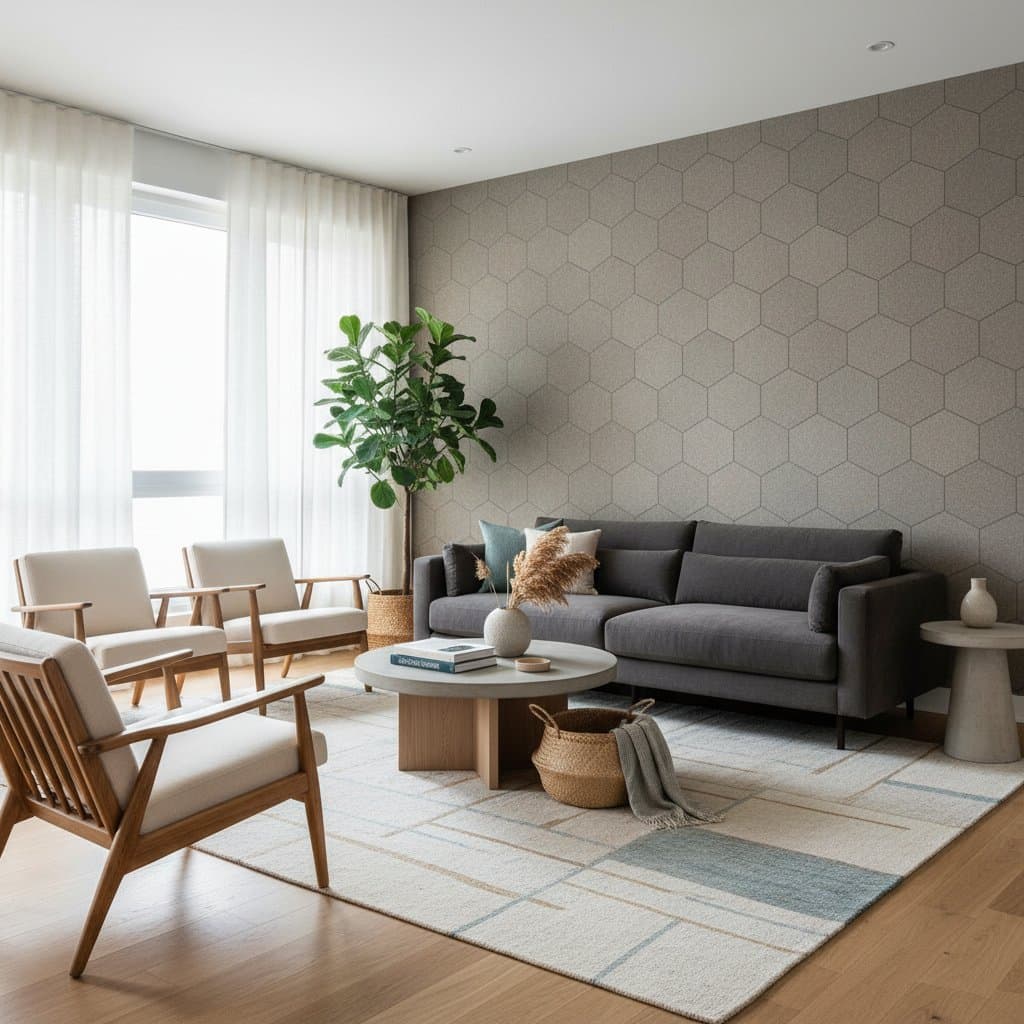
Consider a setting with linen drapes swaying lightly, an asymmetrical clay vessel on a timber surface, and diffused sunlight on neutral walls. Each component serves a function and contributes to the ambiance. The result avoids artificiality, capturing the true spirit of Japandi 2.0.
Essential Components for Implementing the Aesthetic
1. Materials That Develop Character Over Time
Select substances that mature beautifully with use. Options include oak, ash, bamboo, linen, and artisanal pottery. Steer clear of artificial coatings that maintain uniformity at the expense of vitality. Incorporate elements like a subtly flawed pottery piece or a hand-loomed blanket to infuse genuineness and coziness.
2. Subdued Neutrals and Authentic Hues
This style favors gentle whites, earthy taupes, and muted grays. Opt for seamless blending rather than sharp divisions. Build layers with shades inspired by sand, clay, and oats for added dimension. Introduce a solitary dark element, such as a picture frame or fixture, to anchor the composition without overwhelming it.
3. Curated Selection of Meaningful Items
Minimalism here implies thoughtful reduction, not void. Retain solely functional or cherished possessions. Examples include a low-slung timber seat, a plainly upholstered mattress platform, and select artisanal accents. Such choices establish a serene and cohesive presence.
4. Varied Tactile Surfaces
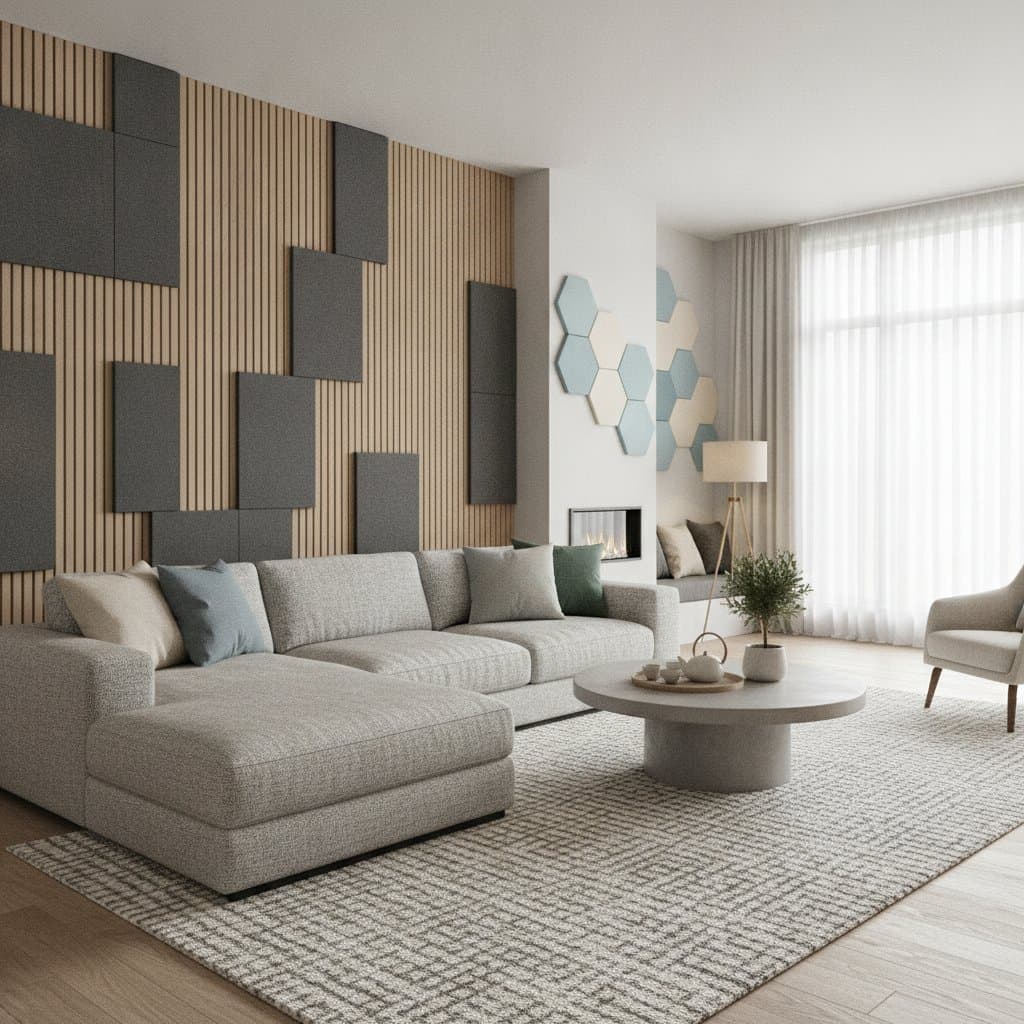
Encourage sensory engagement through diverse textures. Balance coarse and refined, matte and plush elements. For instance, combine a woolen floor covering with polished stoneware or a wicker seat with a fabric pillow. These contrasts provide understated opulence, enlivening sparse arrangements.
5. Diffused Illumination and Subtle Shadows
Employ lighting that is restrained and purposeful. Favor soft diffusion via rice paper or textile diffusers. Allow daylight to vary naturally throughout the day. Integrate shadows as integral features, enhancing equilibrium and repose.
Designing a Japandi-Inspired Bedroom Haven
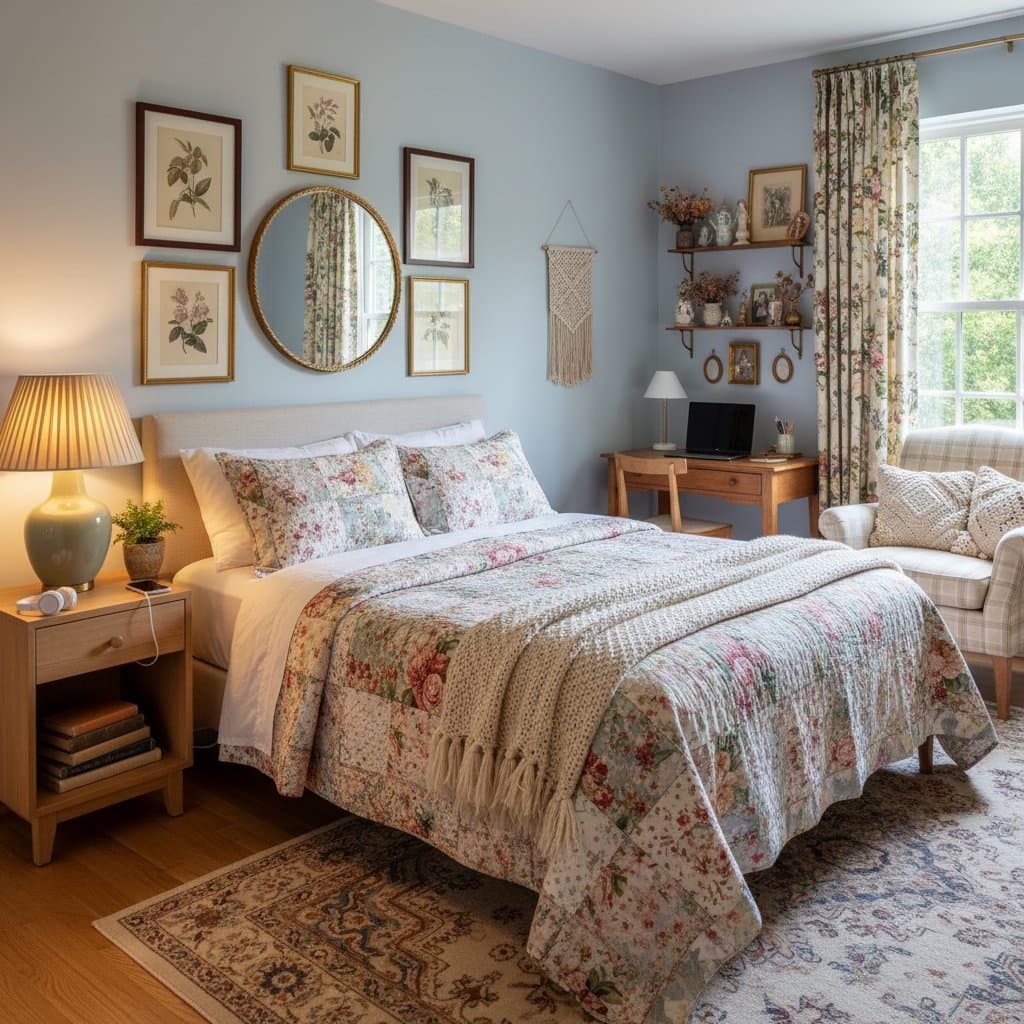
A bedroom crafted in this vein serves as a personal refuge. Begin with an organic base, like a platform bed in solid wood or a traditional futon frame. Select linens in permeable textiles such as cotton or linen, softened through repeated laundering for a casual fall. Maintain a straightforward scheme, layering warm whites and beiges with a single supplementary layer in pale gray or terracotta.
Surfaces remain uncluttered yet inviting. Place a modest container holding preserved botanicals, a receptacle for bedside literature, and a lamp emitting a gentle glow. Purposeful placement of these few pieces establishes a soothing cadence.
Conclude with anchoring features like a fibrous floor mat or a plaited textile on the wall. Such touches link the space to nature, aligning with the foundational tenets of wabi-sabi and Nordic design.
Embracing Imperfection in Daily Spaces
A liberating quality of Japandi 2.0 lies in its tolerance for flaws. Marks on timber surfaces or folds in fabric panels represent vitality rather than defects. This mindset permits genuine habitation without perpetual upkeep.
To initiate a refresh, dedicate brief intervals to minor changes. Allocate fifteen minutes to reorganize a display area or declutter a countertop. Observe the relief that reduced disarray brings to vision and cognition. Gradual modifications cultivate overall coherence and tranquility.
Maintaining the Serene Atmosphere
Preserve the essence of Japandi 2.0 by viewing the home as an evolving entity. Refresh items seasonally, ventilate rooms with outdoor breezes, and assess the sensory experience of each area. A mindful dwelling adapts fluidly.
Engage in rituals like igniting a taper during quiet hours or enjoying herbal infusion from crafted vessels. These practices embody the style's depth. Japandi 2.0 transcends visual appeal, nurturing the sensation of dwelling within. It affirms that restraint fosters profound solace and that allure resides in routine domestic instances.