Grounding Mats: Bedroom's New Wellness Flooring Trend
Designers now emphasize the surfaces that greet us upon waking. Grounding mats, known also as earthing mats, transition from specialized wellness tools to essential elements in bedrooms designed for tranquility, harmony, and optimal sleep. The concept proves straightforward and immersive. These mats employ conductive properties to replicate the sensation of strolling barefoot on earth, a practice believed to neutralize the body's electrical imbalances and alleviate the exhaustion associated with enclosed environments.
Why This Trend Matters
Bedrooms increasingly serve as havens for recovery, prompting demand for materials that deliver authentic, nurturing sensations. Homeowners routinely select organic linens and paints free of volatile organic compounds. The flooring joins this wellness framework. Designer Cara Jensen notes, "People want every surface in the bedroom to contribute to relaxation. A grounding mat offers both tactile comfort and a sense of quiet energy."
Grounding mats differ from conventional rugs through their embedded conductive elements, which link to a grounding outlet or external rod. Users position them under beds, below rugs, or as focused panels beside seating areas. Neutral palettes and subdued textures ensure compatibility with elements like light-toned woods, resilient cork, or plush wool coverings.
How It Works in Practice
Grounding mats incorporate grids of carbon or silver threads to establish a gentle electrical link to the ground. Once connected, they emulate the charge of organic terrains like meadows or dirt. Users often describe a mild yet perceptible shift, particularly beneficial for those sensitive to static electricity or the rigidity of artificial floors.
Professionals in bedroom design frequently combine these mats with diffused illumination and organic textiles to cultivate unified wellness areas. In many setups, the mat lies hidden beneath a rug crafted from natural fibers, preserving visual harmony while delivering functional advantages. This method upholds a smooth, inviting surface that aligns grounding effects with everyday habits, such as morning stretches or evening unwinding.
Design Details
- Materials: Rubber infused with conductive carbon, fabrics threaded with silver, or vinyl woven with copper
- Placement: Under area rugs, adjacent to bed frames, or as subflooring beneath low-profile carpets
- Connection: Through a cord plugged into a grounded outlet or linked to an exterior rod
- Care: Clean by wiping with a moist cloth; steer clear of abrasive cleaners
- Visual tone: Subtle matte surfaces in tones like warm taupe, cool slate, or soft linen gray
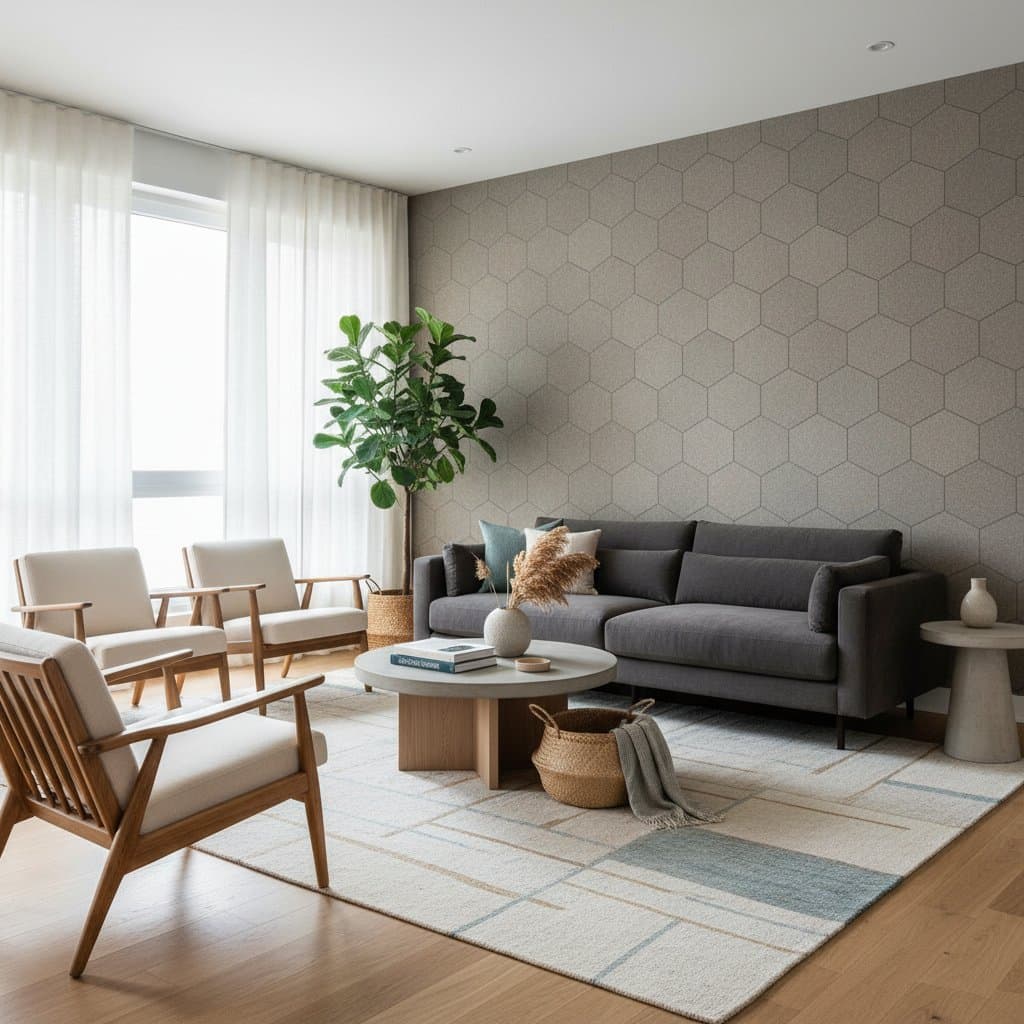
Capturing these mats in images reveals their faint luster, which contrasts gently with wooden floors. This quality grounds brighter textiles and subtle wall hues, enhancing overall room cohesion.
Smart Storage and Integration Tips
In bedrooms shared by couples, experts recommend dividing mats to cover individual sides of the bed, each with its own cord for independent use. For compact spaces, opt for a narrow runner mat extending from the entry to the bed, doubling as a pathway for grounding and a directional element in the layout. With a slim profile of about one-eighth inch or three millimeters, these mats slip seamlessly under rugs, eliminating any raised borders.
Consider installing a grounding mat as an underlayer for cork tiles or engineered hardwood. This technique conceals the conductive feature completely, providing uninterrupted access across the floor. The outcome blends aesthetics with utility, allowing homeowners to enjoy grounding benefits without altering the visible design.
To maximize integration, select mats that match the room's scale; for instance, a full-room underlay suits expansive master suites, while spot placements work in guest areas. Pair with furniture on casters to facilitate easy access for cleaning or repositioning. These strategies ensure the mat enhances rather than complicates the space.
Living with Your Design
Grounding mats redirect bedroom aesthetics toward profound sensory peace and bodily comfort. They complement permeable fabrics, sparse arrangements, and gentle illumination most effectively. Reports from users highlight how this understated contact underfoot prompts gentler evening rituals and more deliberate morning movements. As wellness influences in home design expand, grounding mats establish an understated benchmark for achieving genuine rootedness in personal sanctuaries.