Bring Earth’s Wellness Indoors with Grounding Floors
Picture yourself stepping barefoot onto a cool, textured surface at the end of a demanding day. The sensation evokes the soft earth of a forest rather than a synthetic layer. This experience introduces a profound sense of calm, as grounding floors merge architectural design with the Earth's inherent rhythms to foster spaces that rejuvenate rather than exhaust.
If you envision a residence that combines aesthetic appeal with vitality, grounding floors offer a compelling solution. These surfaces, sometimes called earthing floors, channel nature's stabilizing forces into indoor environments. They establish a tangible and emotional link to the planet, enhancing daily life through direct contact.
Why Grounding Matters in Modern Homes
Contemporary lifestyles often isolate individuals from the Earth. Rubber-soled footwear, synthetic flooring, and prolonged indoor time contribute to this disconnection, potentially disrupting personal equilibrium and vitality. Grounding floors counteract these effects by integrating conductive properties and organic textures into living areas.
This reconnection aligns everyday activities with natural elements. Surfaces that mimic the feel of soil, rock, or timber allow the body to respond intuitively. Whether through the physiological benefits of earthing or the psychological comfort of natural materials, these floors cultivate environments of harmony and revitalization.
Choosing the Right Grounding Material
Grounding floors vary in composition, each providing distinct advantages suited to different needs and environments. Select options that align with your daily habits and regional conditions while ensuring long-term resilience.
-
Clay and Terracotta Tiles
These materials deliver a rustic, inviting warmth ideal for traditional or Mediterranean-style rooms. Their porous nature naturally manages humidity, promoting fresher air in moist climates. When laid over a concrete slab, clay facilitates subtle energy conduction from the ground. -
Natural Stone
Options like slate, limestone, and travertine offer enduring elegance. These stones provide cooling relief for bare feet during warm weather and add visual interest to simple interiors. High thermal mass in stone stabilizes indoor temperatures, particularly in areas with variable daily climates. -
Cork Flooring
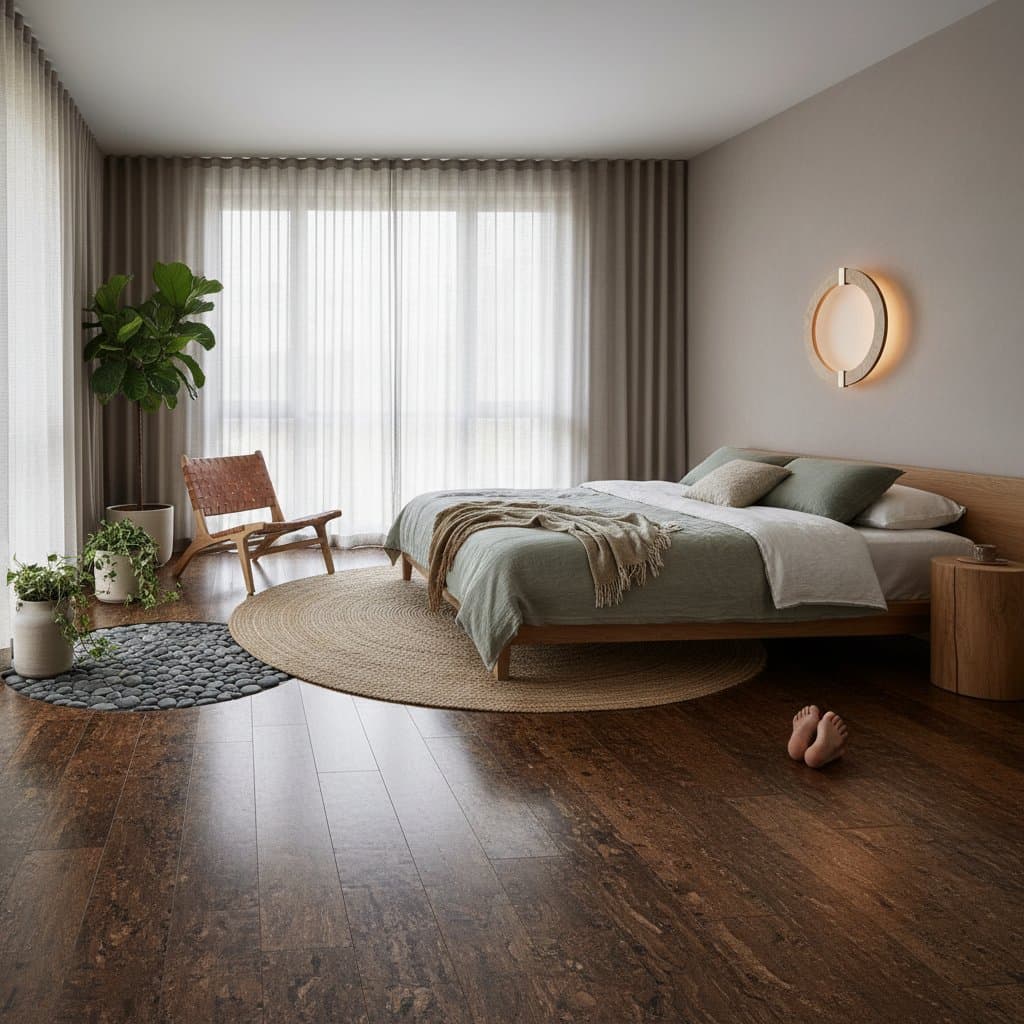
In cooler regions, cork mimics the yielding texture of a woodland path. As a renewable resource, it resists microbes and insulates effectively, lowering energy expenses for heating. Its inherent qualities create a sensory bond with nature, even without direct conductivity. -
Earthing Tile Systems
Specialized designs incorporate conductive elements linked to grounding rods or underfloor mats. They replicate soil's electrical properties, delivering verifiable grounding benefits in urban settings or elevated structures. -
Reclaimed or Untreated Wood
Species such as oak, ash, or pine, left unfinished or lightly treated, infuse spaces with cozy appeal. The wood's grain serves as a calming visual anchor. Complementing these floors with natural rugs like wool or cotton maintains tactile access without compromising comfort.
Designing for Energy Flow and Tranquility
Effective grounding floors enhance spaces that facilitate natural movement and serenity. View your home as an interconnected system that adapts to inhabitants.
- Color Palette: Opt for subdued shades like beige sands, earthy clays, soft mosses, and slate grays. These tones diffuse light softly and encourage mental repose.
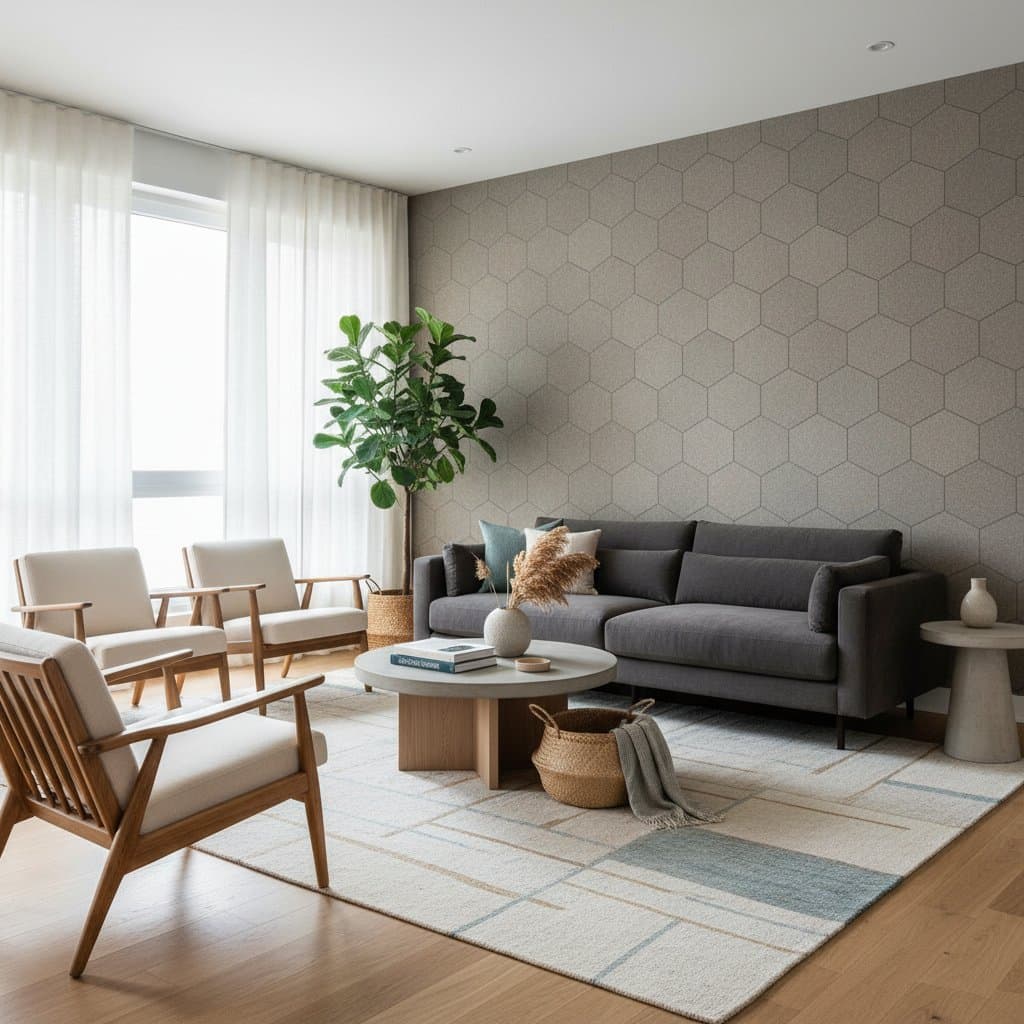
- Texture Balance: Pair sleek stone with fibrous fabrics or textured clay with smooth wooden accents. Such combinations yield organic variety.
- Layout Considerations: Design open routes to maximize direct floor contact. Limit synthetic coverings that might hinder the grounding interaction.
Installation Considerations and Safety
Successful integration of grounding floors demands careful preparation to balance aesthetics with functionality.
-
Foundation Preparation
These floors perform optimally on concrete slabs or firm soil bases. Install vapor barriers to guard against excess moisture, crucial in lower levels or humid zones. -
Electrical Grounding Systems
For conductive setups, engage qualified electricians to install meshes or rods connected to the home's grounding. This ensures safe energy transfer. -
Surface Finishes
Apply eco-friendly options such as linseed oil or beeswax. Avoid synthetic varnishes that impede conductivity and sensory qualities. -
Maintenance
These surfaces develop character over time with minimal effort. Use gentle sweeping, neutral pH cleaning solutions, and periodic sealant renewal to sustain their essence.
Budgeting for a Grounding Floor Project
Expenses fluctuate based on material selection, workmanship, and regional sourcing. Consider these estimates for informed planning.
- Clay or Terracotta Tiles: Accessible pricing spans basic handmade pieces to high-end crafts. Simple installation keeps labor fees moderate.
- Natural Stone: Elevated due to extraction and delivery, yet long-lasting. Regional varieties like local slate provide economical alternatives.
- Cork Flooring: Balanced cost with ongoing insulation benefits. Interlocking systems allow self-installation to cut expenses.
- Earthing Tile Systems: Higher investment for custom features and wiring. Suitable for targeted wellness upgrades.
- Reclaimed Wood: Variable by origin and state. On-site refinishing of salvaged pieces offers savings, while aged stock incurs premiums.
Account for subflooring, bonding agents, and treatments. Begin with focused areas like sleeping quarters to manage costs, expanding gradually.
Climate and Regional Adaptation
Local weather dictates material suitability for optimal performance.
- Humid Climates: Sealed stone or clay withstands dampness while allowing airflow.
- Cold Regions: Wood or cork delivers insulating warmth; integrate underfloor heating for added comfort.
- Dry or Hot Areas: Terracotta and stone stay refreshingly cool and robust.
Seek advice from area experts to adapt installations to specific conditions, ensuring year-round reliability.
The Emotional and Physical Benefits
Beyond structural support, grounding floors enhance holistic health. Residents frequently report heightened stability and presence following installation. The direct touch of genuine materials fosters awareness, reducing tension and aiding decompression.
Barefoot traversal boosts blood flow and posture. In dedicated zones for rest or practice, these floors promote deeper relaxation. The result extends beyond aesthetics to a symbiotic relationship with one's surroundings.
Integrating Grounding Floors with Interior Design
To amplify impacts, weave grounding floors into comprehensive wellness-oriented schemes.
-
Lighting: Select diffused, warm sources that highlight material tones. Steer clear of stark illumination that feels impersonal.
-
Furnishings: Choose fibers such as jute, linen, or wool to harmonize with the base layer.
-
Greenery: Introduce houseplants to merge interior and exterior realms, boosting both ambiance and purification.
-
Sound and Scent: Incorporate subtle audio elements like flowing water or ambient tracks, alongside aromas from oils such as cedar or patchouli, to deepen serenity.
Living with Grounding Floors Day to Day
Installed grounding floors encourage mindful routines and subtle joys. Start days with unhurried steps across invigorating surfaces. Conclude them in grounded repose, attuned to enduring support.
Children and animals instinctively seek these stable zones. Gradually, the residence attunes to a natural cadence, echoing planetary steadiness.
Steps to Embrace Grounding in Your Space
Floors form the foundation of daily interactions, often overlooked. Adopting grounding options reframes this essential element. Select materials attuned to your locale and preferences to craft environments of equilibrium.
Initiate the process by assessing compatible choices, then collaborate with skilled installers versed in sustainable methods. This approach yields a home that nurtures balance and vitality.