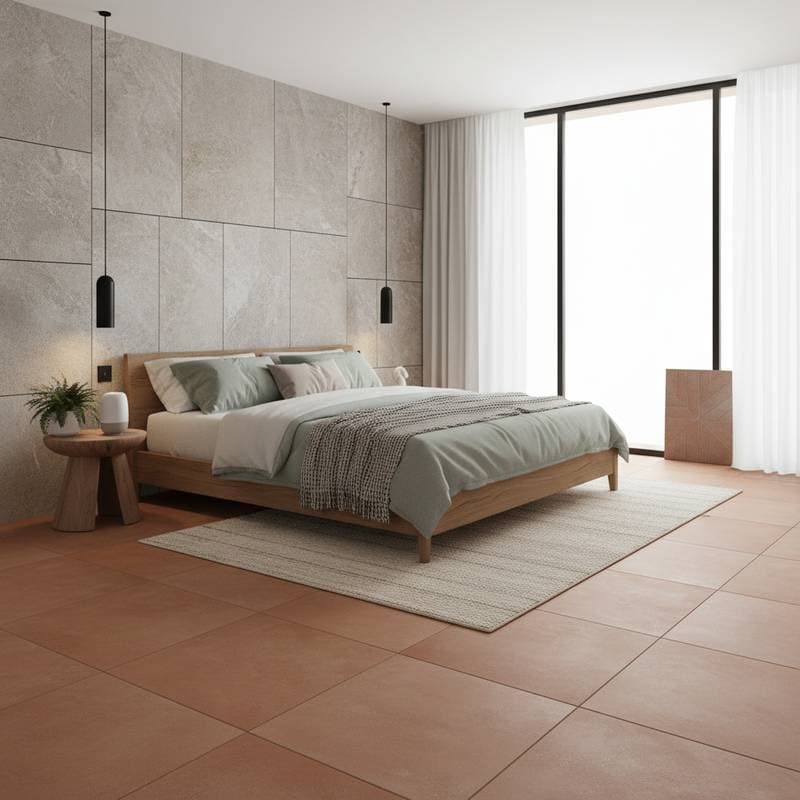
Grounding Flooring: Tiles for Bedroom Wellness
Imagine stepping out of bed onto a surface that feels cool yet subtly warm, stable and soothing. This sensation arises from grounding flooring, where materials support more than footsteps; they cultivate wellness from the foundation. Such floors draw from the earth's natural properties to enhance daily comfort and balance.
Understanding the Desire for Grounded Living
Homeowners increasingly view wellness as integral to interior design. Beyond lighting or furniture, the bedroom floor shapes sleep quality, relaxation levels, and environmental connection. Grounding flooring, particularly earthing tiles, adds a layer of tactile and energetic harmony inspired by nature.
A stable floor influences bodily responses positively. It establishes a foundation for restful nights and energized days. For serene retreats or minimalist spaces, these floors align with natural rhythms to aid recharging.
The Science and Spirit Behind Grounding
Grounding, or earthing, involves reconnecting with the earth's electrical charge. Advocates suggest this practice lowers stress, improves sleep, and boosts vitality. Although research evolves, users often describe greater calm and focus in grounded environments.
Flooring achieves grounding via conductive or earth-mimicking materials. Clay, stone, and mineral tiles possess inherent properties for this purpose. The effect stems from sensory steadiness rather than overt changes, allowing the body to unwind naturally.
The Appeal of Tiles in Grounding Design
Tiles offer enduring durability and adaptability. For grounding, they provide a practical medium through natural compositions. Clay, terracotta, and stone tiles interact subtly with surroundings without releasing synthetic elements, delivering authentic foot contact.
Engineered ceramic or porcelain tiles incorporate conductive elements for enhanced effects. Certain designs include hidden grounding systems via mats or connectors, simulating earth contact discreetly. These innovations maintain balance while supporting varied aesthetics.
Choosing the Right Tile for Bedroom Wellness
Tile selection balances sensory appeal and functionality. Consider these categories to guide decisions:
-
Natural Stone Tiles
Slate, marble, and travertine deliver raw sophistication. Variations in each piece reflect nature's diversity. These materials regulate temperature effectively, staying cool in heat and steady in cold. Opt for 12-inch by 12-inch squares for even coverage in standard bedrooms. -
Terracotta Tiles
Terracotta evokes warm, earthy vibes reminiscent of Mediterranean settings. Its porous nature permits moisture exchange, promoting a fresher atmosphere. This quality contributes to overall room equilibrium. Choose unglazed versions to maximize natural conductivity. -
Clay and Earthing Tiles
Clay tiles crafted for grounding suit wellness priorities. Conductive finishes or mineral layers amplify benefits. They foster a genuine link between occupant and space. Select tiles with at least 20 percent clay content for optimal energy transfer. -
Porcelain and Ceramic with Grounding Layers
Advanced porcelain and ceramic include conductive integrations. These options merge practicality with grounding principles. Durability and low maintenance adapt to diverse styles. Look for tiles certified with carbon-infused backing for reliable performance.
Creating a Grounding Experience: Texture, Tone, and Temperature
Texture shapes bodily perception of grounding. Polished surfaces suit elegance, yet matte or ridged options feel more organic. Barefoot traversal over terracotta or textured stone heightens sensory awareness and mindfulness.
Earthy colors like soft browns, grays, and taupes induce tranquility. These hues echo soil and clay, bridging indoors with nature. Integrate with linen bedding, woven elements, and daylight for unified serenity.
Temperature regulation matters greatly. Stone and clay differ from wood or synthetics in heat retention. In humid areas, their cooling aids relief; in cooler zones, underfloor heating preserves comfort alongside grounding advantages. Install radiant systems set to 70 degrees Fahrenheit for balanced warmth.
Step-by-Step Approach to Grounding Tile Installation
Installing grounding tiles requires preparation for optimal results. Follow this sequence:
-
Evaluate Your Subfloor
Confirm levelness, dryness, and stability. Address irregularities to support even layout and energy flow. Use a moisture meter to ensure subfloor humidity stays below 12 percent. -
Select Materials Thoughtfully
Prioritize sustainable clay or stone without chemical treatments. Align choices with design and wellness objectives. Verify supplier certifications for eco-friendly sourcing. -
Plan for Conductivity
For conductive tiles, map connections with installers. Incorporate mats or rods under the surface as needed. Position grounding rods outside to connect directly to soil. -
Hire a Qualified Contractor
Engage professionals experienced in specialty tiles. They handle conductive aspects precisely. Request references from similar wellness-focused projects. -
Seal and Finish Mindfully
Apply natural sealants to retain conductivity. Select options that preserve material properties. Avoid silicone-based products that block electron flow. -
Test and Maintain
Perform continuity checks on grounding features. Clean routinely with gentle, non-acidic solutions. Use a multimeter to confirm resistance below 10 ohms annually.
Budget and Practical Considerations
Grounding projects remain accessible across budgets. Factor in material, labor, and extras:
- Terracotta or Clay Tiles: Cost-effective at $3 to $7 per square foot. Suitable for initial wellness updates.
- Natural Stone Tiles: Mid-to-high pricing at $8 to $15 per square foot based on type and processing. Demands skilled installation for handling.
- Porcelain or Ceramic Grounding Tiles: Premium at $10 to $20 per square foot due to tech features, but offer longevity.
Account for underlayment and sealing costs, which add 20 to 30 percent. For electrical ties, involve certified experts to ensure safety. Bedrooms seldom need permits, yet verify locally. Projects typically span three to five days, accounting for curing.
Safety and Comfort First
Prioritize structural and electrical safety. Conductive tiles demand code-compliant installation to avoid issues. Use designated kits, not direct wiring. Consult local building codes for any grounding requirements.
Enhance comfort through temperature and texture. Add thin natural rugs bedside for softness without impeding contact. Select items that complement tile benefits, such as wool rugs under 1/4-inch thick.
Blending Grounding Design with Bedroom Aesthetics
Grounding enhances style without sacrifice. Explore these pairings:
- Modern Minimalist: Gray slate under white walls and oak frames for refined poise. Pair with LED strip lighting along baseboards.
- Rustic Retreat: Terracotta with baskets, linens, and greenery for cozy warmth. Incorporate wooden nightstands for organic flow.
- Urban Wellness Loft: Concrete-style porcelain with sleek lights and neutrals for serene modernity. Add metallic accents for subtle contrast.
Mix textures via curtains or throws. This contrast enriches the grounding sensation. Layer sheer fabrics over solid tones to diffuse light evenly.
Maintaining the Connection Over Time
These floors endure with proper upkeep. Dust lightly and clean with neutral solutions, skipping waxes. Reseal stone every two years to sustain vibrancy.
For conductive parts, annual tests verify function. Incorporate barefoot walks to attune senses, turning routines into restorative pauses. Schedule professional inspections every three years for long-term reliability.
Integrating Earth Energy into Daily Rest
Grounding flooring builds a bedroom that nurtures balance and beauty. Steps on these surfaces reinforce restoration. Embrace this upgrade to foster lasting wellness through the earth's subtle influence.