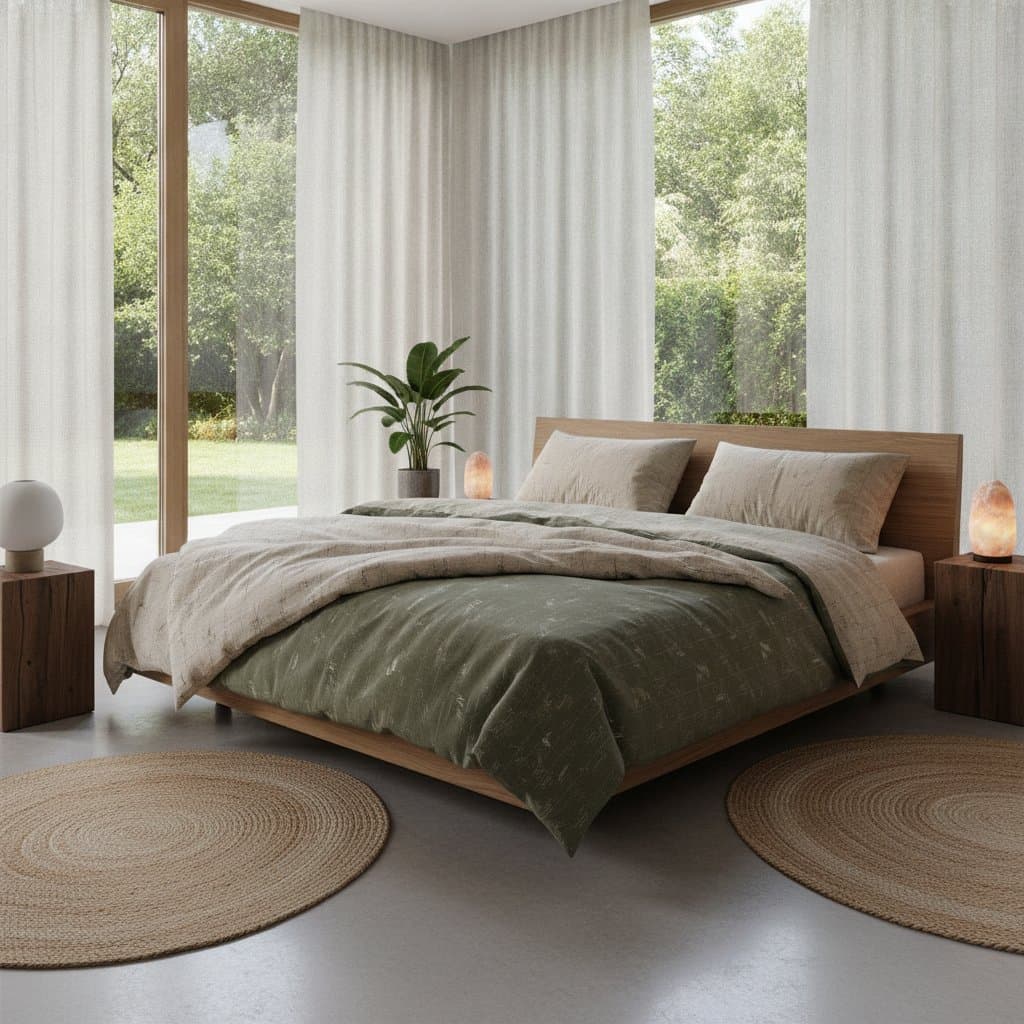
Bring Earth Energy Indoors with Grounding Floors
Consider the moment when one steps onto cool grass and senses immediate relaxation. The air feels calmer, breathing steadies, and thoughts quiet. This contact with the ground offers more than pleasure; it provides balance. Replicating that grounded calm within a home proves simpler than expected. Select appropriate flooring materials and apply thoughtful design to channel the earth's steadiness directly underfoot.
Grounding floors represent less a fleeting trend and more a return to practical wisdom. These choices emphasize materials that feel comfortable, endure well, and link inhabitants to nature's rhythm amid modern surroundings. During remodeling or updates to a single room, the floor serves as an ideal starting point for introducing restorative energy.
1. Clay and Earthen Plasters Underfoot
Clay ranks among the planet's oldest building materials and delivers profound warmth. Earthen floors, crafted from clay, sand, straw, and natural oils, yield a matte surface that appears handcrafted and feels inherently grounding. Color variations mimic soil and stone, fostering an indoor connection to the outdoors.
Proper sealing renders these floors remarkably durable. They absorb daytime heat and release it gradually, maintaining room comfort. Barefoot walking on clay evokes a therapeutic sensation, akin to traversing a serene garden path.
One client described her earthen floor as the household element that never argues back. This serene presence captures the essence of such materials.
2. Stone Surfaces for Enduring Stability
Natural stone provides timeless stability and a direct tie to geological forces. Options like slate, limestone, or flagstone offer varied textures and colors drawn from quarries worldwide. These surfaces resist wear and age with dignity, developing subtle patinas that enhance their appeal over time.
Stone excels in high-traffic areas due to its density and low porosity when sealed. It remains cool underfoot in summer and radiates warmth from underfloor heating in winter. To integrate stone effectively, source locally to minimize environmental impact and select honed finishes that reduce slipperiness while preserving natural veining.
Pair stone with neutral grout to highlight its organic patterns. This approach creates a foundation that feels unyielding yet inviting, grounding daily routines in elemental strength.
3. Wood That Breathes with You
Wood stands as the quintessential grounding material for compelling reasons. Each board features unique grain and rhythm. It expands and contracts with humidity, signaling its vitality. Oak and ash deliver strength and lightness, whereas walnut or cherry impart richness and depth.
Maintain an authentic connection by opting for low-VOC finishes and oils rather than thick coatings. Allow the wood to breathe and mature gracefully. A matte or satin finish accentuates the natural grain without excessive sheen.
Living with genuine wood brings subtle joys as it evolves. Sunlight deepens tones, and footsteps imprint gentle traces of daily life. This material grounds in the truest way, serving as a living chronicle of experiences.
4. Cork for Resilient Comfort
Cork, harvested from renewable cork oak trees, combines sustainability with underfoot resilience. Its cellular structure provides natural cushioning, absorbing impact and reducing noise. Available in tiles or planks, cork displays warm, speckled patterns reminiscent of forest floors.
This material insulates effectively, keeping floors comfortable year-round. Apply a durable sealant to protect against moisture and stains, ensuring longevity in kitchens or playrooms. For added customization, cork accepts stains to match wood tones or bold accents.
Walking on cork feels supportive and forgiving, promoting better posture during extended standing. Its eco-friendly profile aligns with mindful design, offering a soft yet sturdy link to natural resources.
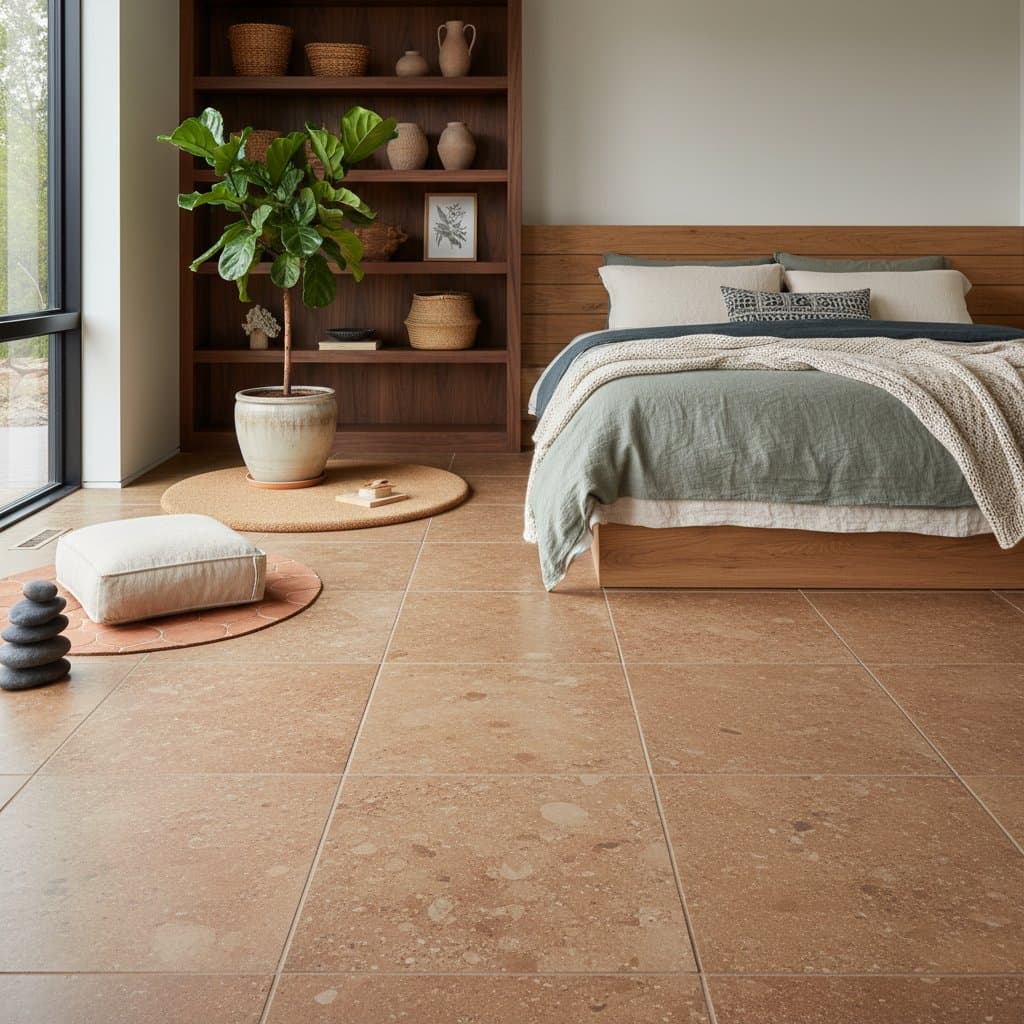
5. Terra Cotta Tiles That Hold the Sun
Terra cotta, meaning baked earth, encapsulates its inherent appeal. Each tile retains kiln-fired warmth, both in appearance and touch. Subtle irregularities add character and conceal everyday scuffs.
These tiles hold heat exceptionally well, suiting entryways or sunlit spaces. Combine them with broadleaf plants or woven textiles for a blend of rustic elegance. Guests often remove shoes instinctively, attracted to the tile's inviting texture.
A straightforward wash and reseal every few years preserves terra cotta's vibrancy. This method sustains the earthy bond indoors with minimal effort.
Designing for Balance
Material selection forms only part of the equation. Design application influences the overall grounding sensation. Consider these principles to enhance spatial harmony:
- Transition gradually between materials, such as from stone to wood, to prevent abrupt visual shifts.
- Maximize natural light, as sunlight accentuates flooring textures and variations, animating the surface.
- Limit the color palette to two or three complementary tones for layered calm without clutter.
- Incorporate rugs judiciously, exposing ample natural flooring in high-traffic zones to heighten sensory contact.
- Balance acoustics by pairing soft elements like cork or wool rugs with firmer surfaces, mitigating echoes while adding warmth.
Such decisions shape daily interactions with the space. A grounded room promotes deliberate movement, fuller breaths, and a profound sense of place.
Living with Grounding Floors
After installation, grounding floors integrate seamlessly, supporting activities without drawing focus. Their presence registers most upon returning home, with the shift evident the moment shoes slip off.
Routine care involves regular sweeping or vacuuming, steering clear of abrasive chemicals, and resealing as required. Patinas emerge as cherished features. Minor marks and shifts reflect authentic living rather than defects.
To intensify grounding benefits, layer with complementary naturals like clay walls, linen curtains, and stone surfaces. Introduce plants and adjustable lighting to cultivate stability and renewal effortlessly.
Steps to Sustain Your Grounded Foundation
Grounding floors extend beyond aesthetics to shape movement, rest, and environmental ties. They encourage mindfulness in each stride, acknowledging the reliable base beneath.
Select based on lifestyle: clay for artisanal warmth, stone for durability, wood for vitality, cork for cushion, or terra cotta for solar retention. This choice builds more than a surface; it establishes a vital, responsive base.
Every footfall reaffirms support, equilibrium, and earthly linkage. Such enduring comfort defines timeless refinement.