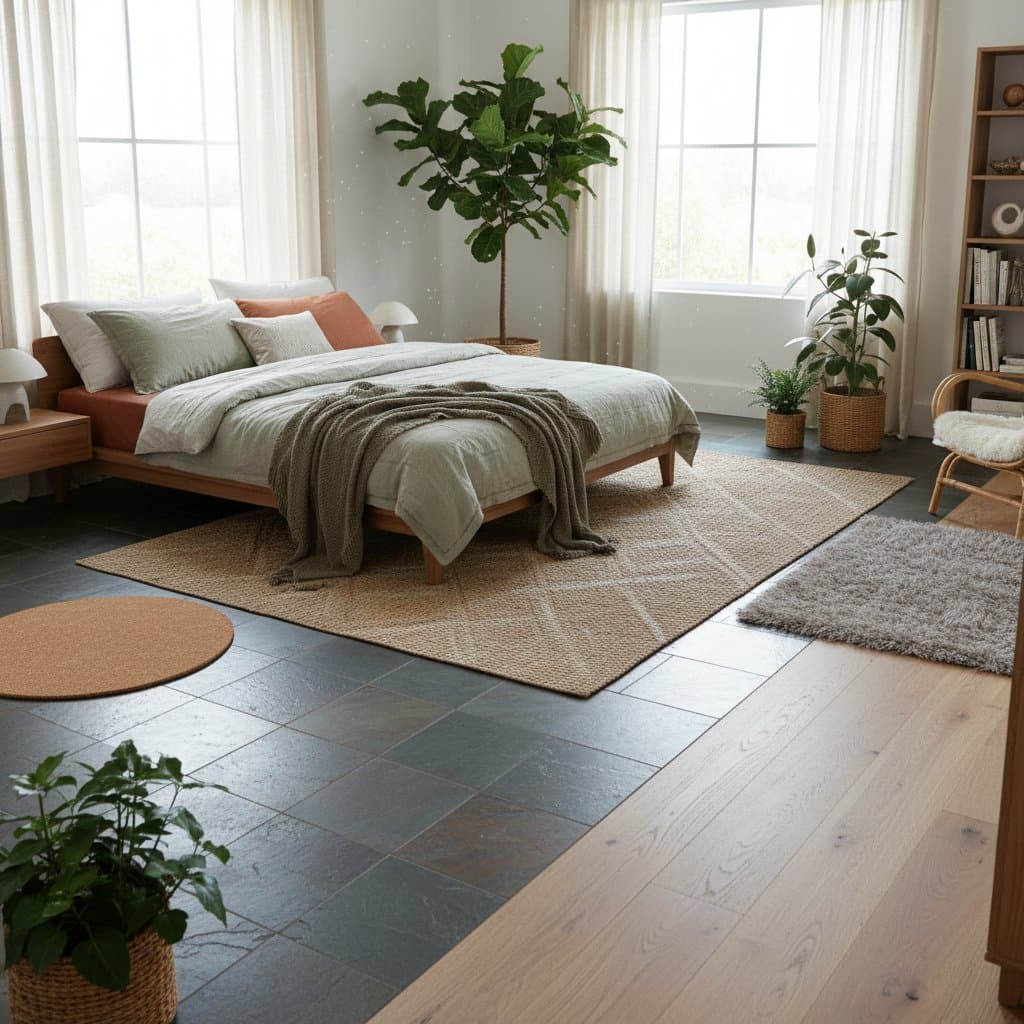
Indoor Grounding: Earthing Materials for Bedroom Floors
Imagine stepping out of bed onto a surface that feels disconnected and chilly. Even visually appealing flooring often fails to provide a sense of vitality. Indoor grounding, or earthing, solves this issue by creating a direct connection between your body and the earth's natural electrical charge right inside your home. Choose materials that conduct or replicate this energy to build a calming, welcoming bedroom that syncs with natural cycles.
Grounding floors go beyond passing fads. They offer a tactile route to balance in the room meant for rejuvenation. No matter the height of your home or the type of foundation, you can add these features to reestablish a natural link underfoot. Review the materials and installation methods below to refresh your bedroom flooring.
The Importance of Grounding in Indoor Environments
People pass most of their time indoors, surrounded by artificial barriers that block contact with the earth. Synthetic carpets made from plastic, vinyl floors, and rubber-soled shoes prevent the flow of electrons that happens when you walk barefoot on soil, rock, or wood.
Studies suggest that grounding reduces stress, improves sleep, and lowers inflammation. Natural surfaces also deliver better sensory experiences. These floors hold steady temperatures, muffle sounds well, and create visual calm, all of which help the body unwind in a space designed for recovery.
1. Conductive Carpets and Mats
Keep the comfort of carpet while adding grounding benefits. These carpets and mats weave thin metallic threads, typically silver or carbon, into bases of cotton or wool. Connect them to a grounded outlet to mimic the electrical charge from walking barefoot on the earth.
This method maintains the soft feel of a rug combined with the earth's energy field. It works well for individuals who enjoy walking barefoot but dislike cold floors.
Choose patterns that match your decor. Many options look like ordinary rugs, with a slim cord that tucks away behind items like a nightstand. Check the connection once a year to confirm it operates correctly.
2. Earthing-Compatible Wood Floors
Wood offers natural grounding through its touch and qualities, even if it does not always conduct electricity. Solid hardwood brings an organic grain, a light wood scent, and quick warmth to your steps. Select oil finishes instead of synthetic varnishes to keep the wood's true character intact.
The direct contact with wood calms the nervous system, much like a natural cushion for your feet.
After installation, many homeowners notice they walk barefoot more often, changing how they move through the space. Opt for reclaimed or sustainably sourced wood to strengthen the eco-friendly aspect. Sand and refinish the surface every few years to keep it smooth and effective.
3. Stone and Clay Tile Options
Stone and clay capture the earth's solid nature with their enduring weight. Choices like slate, travertine, or limestone manage temperature shifts, staying cool in the morning and holding warmth from the sun later in the day. Handmade clay tiles add unique textures for a timeless look in the bedroom.
These materials signal strength, helping the mind slow down as you prepare for sleep.
To address coolness, place tiles only near the bed and pair them with warming rugs or mats. Seal with natural, permeable products to prevent artificial blocks. Have a professional level the subfloor for stable installation and long-term use.
4. Cork and Natural Rubber Choices
Cork, taken from tree bark without harm, provides bounce, warmth, and padding underfoot. This renewable material resists allergens and bacteria on its own. Pair it with conductive layers underneath for full earthing effects.
Cork absorbs footsteps quietly, eases pressure on joints, and carries a faint forest aroma.
Install a conductive mesh below the cork to allow energy flow. Skip glues with harsh chemicals; choose water-based ones instead. Replace individual tiles as they wear to keep the floor performing well.
5. Conductive Underlays and Grounding Paints
Upgrade current floors without a full redo by adding conductive underlays or paints. These go beneath your existing surface to direct electrical balance from your body to the ground. They blend under tiles, wood, or cork to spread the advantages evenly.
This hidden upgrade brings subtle gains, like better rest or less static electricity.
Unlike underfloor heating systems, these focus on energy harmony. Confirm they suit your subfloor material. Bring in trained installers for even application and secure results. Inspect for damage and refresh every five to seven years.
6. Natural Fiber Rugs for Tactile Grounding
Skip electrical features and focus on touch with rugs of jute, wool, or sisal. Their rough weaves offer mild stimulation to the feet, encouraging relaxation. Earthy colors and uneven designs cut down on the busyness of man-made options.
The physical interaction matches electrical grounding in building a natural bond.
Lay a jute rug under the bed to anchor furniture and tie the room together. Vacuum it weekly to protect the strands; turn it every few months for balanced use. Mix in conductive mats for combined results if desired.
7. Integrated Grounding Bed Accessories
Carry earthing past the floor with sheets, pads, or toppers that conduct energy, connected to outlets or ground rods outside. When used with floor elements, they form a complete system for renewal.
This keeps the link active while you sleep, leading to more energized mornings and less stiffness.
Have an electrician verify your outlets ground properly before setup. Pick fabrics with silver threads for strength and gentle contact. Follow care instructions from the maker to preserve the conductive properties.
Integrating Grounded Elements for Lasting Serenity
Adding these materials changes the bedroom in quiet ways. Colors from wood, stone, and fibers create visual steadiness, while varied textures invite slower steps. The space grows quieter, easing the overall energy.
These updates fit into any style, from simple additions to major changes. Each piece closes the gap between indoors and nature, supporting ongoing peace.
Steps to Implement and Maintain Your Grounded Bedroom
Start by checking your current floor and electrical system. Work with experts on any conductive setups to meet safety rules.
Buy from suppliers certified for sustainability. Log improvements with a sleep diary or health tracker. Renew the surfaces at set intervals to hold their connecting power, keeping harmony with natural flows.