Gen Z's Shift Toward Grandmillennial Maximalism
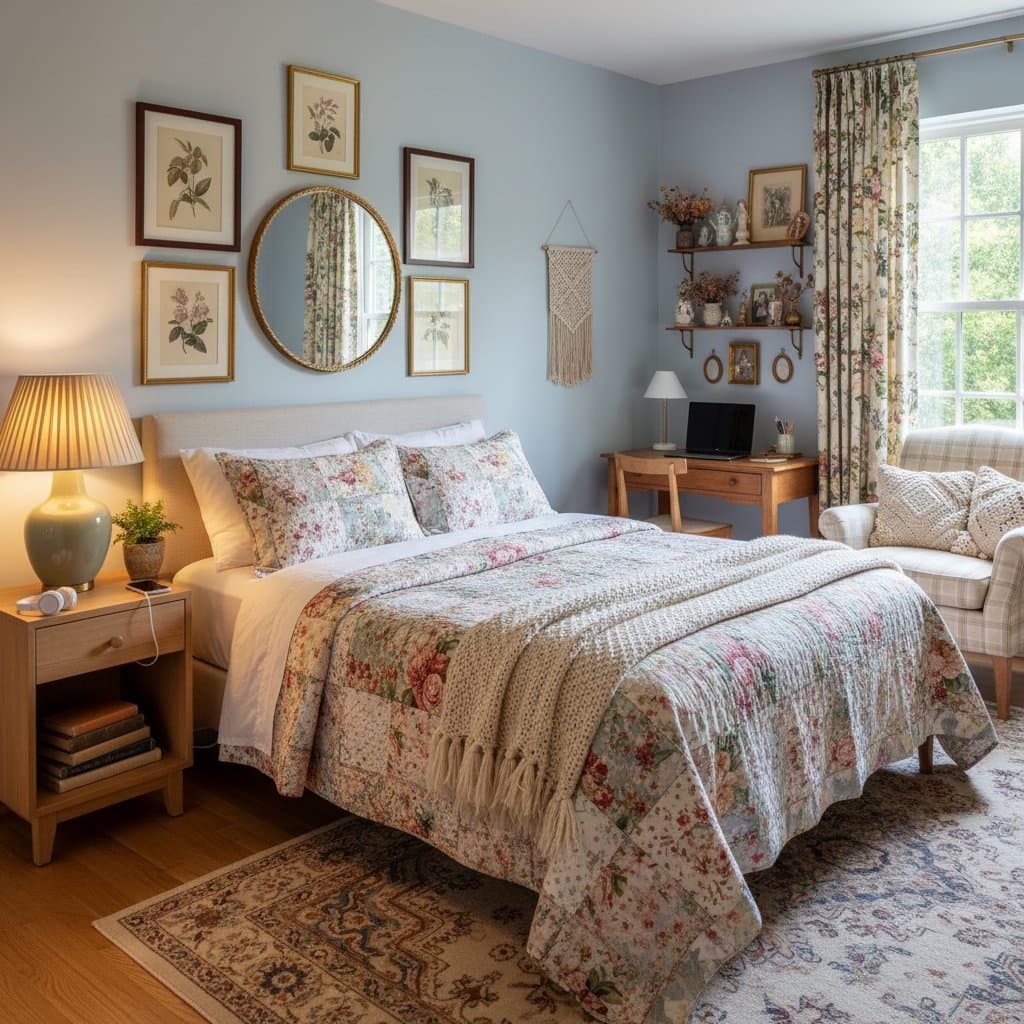
Social media timelines often showcase neutral palettes and streamlined furniture, yet a countertrend emerges with vibrant floral prints and textured accents. Gen Z designers and homeowners now favor grandmillennial maximalism, a style that layers vintage-inspired elements with contemporary flair. This approach serves as a deliberate pushback against the uniformity of digital-age living.
The appeal lies in its ability to infuse spaces with emotional depth. Younger generations seek environments that reflect personal narratives rather than conform to fleeting trends. Grandmillennial maximalism achieves this by honoring inherited aesthetics while adapting them for today's lifestyles.
The Era of Minimalist Restraint
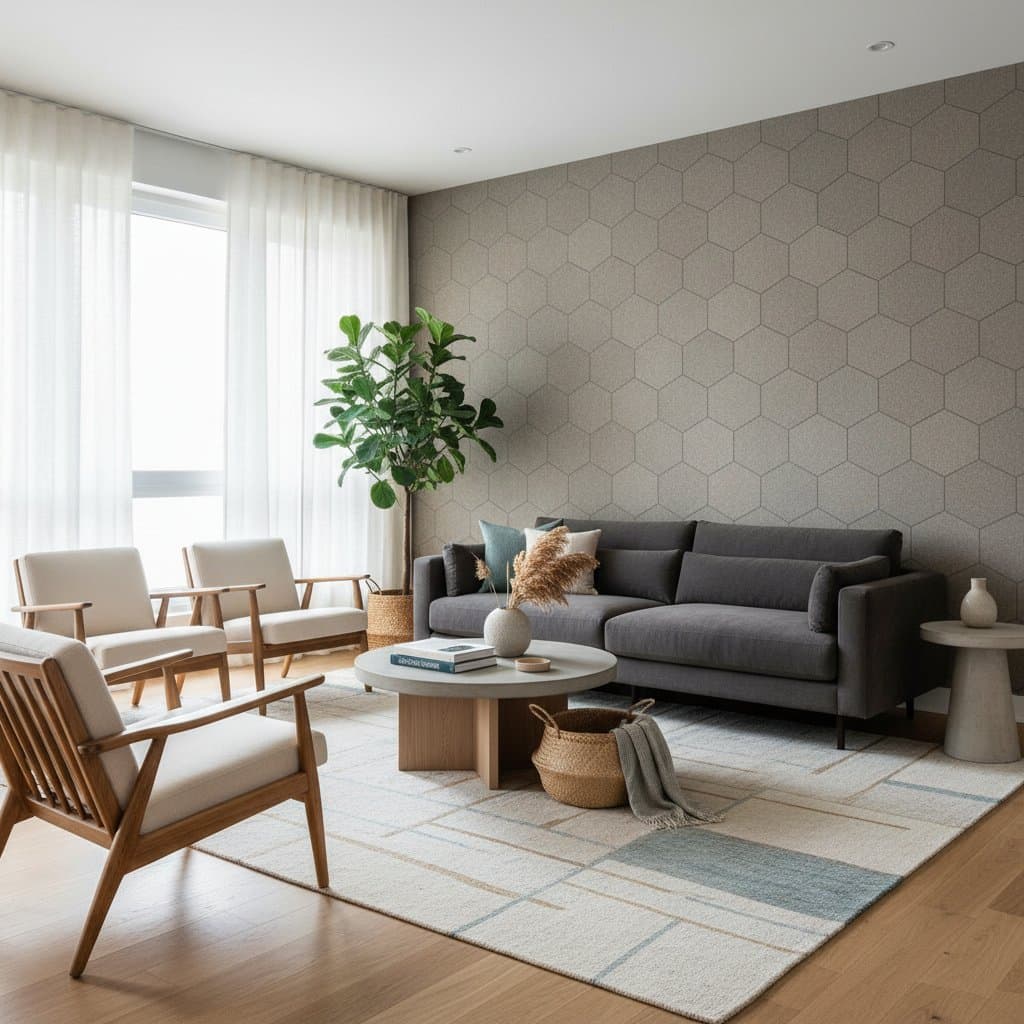
Interior design long emphasized simplicity, with clean lines, neutral tones, and sparse furnishings dominating homes. Such spaces promoted serenity and ease of maintenance, yet they often lacked warmth and uniqueness. Many felt disconnected in these pared-down settings, where individual stories faded into the background.
Gen Z identifies this void and responds with authenticity drawn from secondhand markets and family heirlooms. They prioritize designs that evolve over time, building layers of meaning through collected pieces. This transition marks a broader cultural move toward substance over surface-level appeal.
The Rise of Layered, Nostalgic Interiors
Grandmillennial maximalism combines classic motifs with thoughtful modern integrations. Imagine a tufted armchair upholstered in subtle stripes adjacent to a hand-painted vase on a reclaimed wood side table. These elements create harmony between past and present, inviting interaction and reflection.
The style thrives on balance amid abundance. Designers select motifs that complement rather than compete, ensuring visual cohesion. For instance, a room might feature a patterned area rug under a sleek metal console, grounding exuberance with subtle structure.
Key Elements Shaping Grandmillennial Design
To adopt this style, focus on components that build narrative and texture. Below are essential features, each with practical guidance for implementation.
-
Layered Patterns: Combine motifs like paisley with polka dots or damask with checks. Select varying scales, such as oversized blooms against fine stripes, to guide the eye across surfaces. Start by choosing a dominant pattern for walls or upholstery, then layer smaller ones in accessories.
-
Curated Collections: Assemble items from thrift shops, auctions, or family attics, including mismatched china or woven baskets. Embrace visible wear as character; polish only what enhances the piece. Arrange displays on open shelving to showcase progression, rotating items seasonally for freshness.
-
Rich Wood Tones and Ambient Lighting: Incorporate woods like mahogany or teak for furniture bases that anchor bold fabrics. Pair with diffused light sources, such as fabric-shaded pendants or ceramic table lamps, to soften edges and highlight textures. Position lights to cast warm shadows, enhancing the room's inviting quality.
-
Subtle Contemporary Accents: Introduce clean elements like glass tabletops or slim metal frames to prevent overload. Use these sparingly, perhaps as a side table amid ornate pieces, to maintain lightness. Test placements by photographing the space and adjusting for equilibrium.
-
Harmonious Color Schemes: Blend soft neutrals with vibrant accents, such as sage green alongside deep blues. Create flow by repeating hues across items, like a mustard throw echoing wallpaper flecks. Experiment with swatches in natural light to ensure tones enhance rather than overwhelm.
Reasons for Its Timely Appeal
This style resonates in an era of fast-paced change, offering stability through enduring materials. Secondhand sourcing aligns with sustainability goals, reducing environmental impact while keeping costs manageable for young adults. The process of sourcing fosters creativity and connection to heritage.
Homeowners report greater satisfaction in spaces that evolve personally. A thrifted lamp beside a digital photo frame exemplifies this blend, merging sentiment with utility. Such designs encourage mindfulness in daily routines, turning homes into sanctuaries of self.
Integrating Grandmillennial Maximalism Practically
Begin implementation by assessing your current space for potential anchors, like an existing wooden dresser. Source one or two focal pieces, such as a patterned runner or ceramic pitcher, to introduce the aesthetic gradually. Layer additions over months, evaluating comfort and cohesion at each step.
Maintain vitality through periodic reviews: retain items that spark joy and donate those that disrupt flow. This method ensures the style supports lifestyle needs, from hosting gatherings to quiet evenings. The outcome yields interiors that nurture well-being and celebrate individuality.
Grandmillennial maximalism transforms ordinary rooms into vibrant extensions of personal history. It proves that blending tradition with intention creates lasting beauty. Homeowners gain not just visual appeal, but a deeper sense of rootedness and joy.