Acoustic Furniture That Actually Reduces Home Noise Levels
After a long day, settling into a favorite chair should bring peace. Instead, echoes from the hallway, appliance hums, and overhead footsteps often intrude. Sound travels freely through modern open layouts with hard floors and sparse fabrics. Many homeowners now recognize that noise control involves more than walls and insulation. Strategic furniture placement plays a direct role.
Everyday Furniture as a Sound Control Tool
Furniture selections typically focus on style and comfort. Certain pieces also reduce reverberation when they incorporate sound-absorbing materials. Acoustic furniture traps sound energy instead of reflecting it. This approach lowers overall noise levels, cuts distractions in home offices, and supports better sleep.
These items integrate into existing rooms without visual disruption. A sofa upholstered in dense fabric can soften conversation echoes. A padded headboard can buffer street sounds. The dual benefit of appearance and performance appeals to many residents.
Sound Behavior and Furniture Design
Sound waves reflect off hard surfaces and create echoes. Porous materials capture and dissipate those waves. Acoustic furniture applies this principle through layered construction. A dense core blocks external noise. Outer layers of felt, wool, or high-density foam absorb interior sounds.
The finished piece retains the look of conventional furniture while functioning as an acoustic treatment. Multi-layer builds deliver measurable reductions in reverberation time.
Recommended Acoustic Furniture Categories
Review the following options to match specific room needs and noise sources.
-
Acoustic Sofas and Sectionals
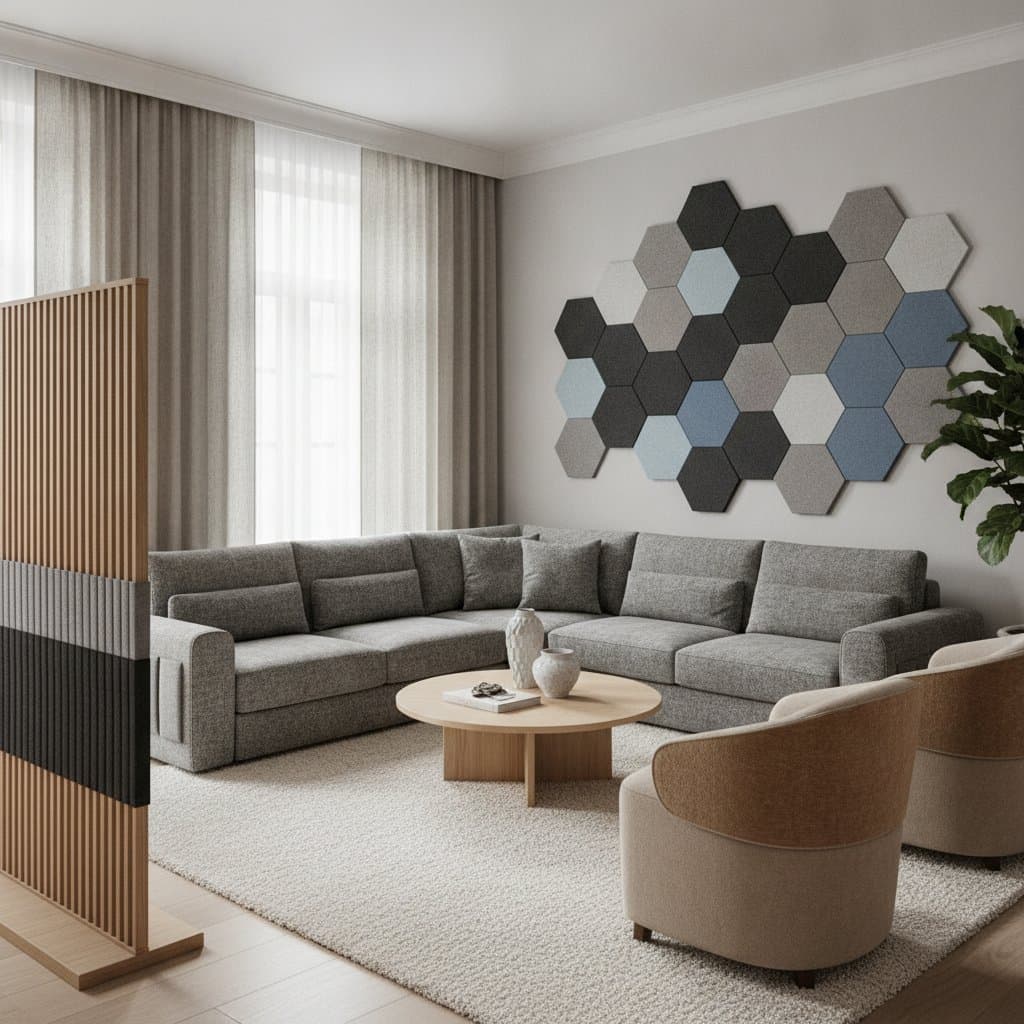
Thick velvet, wool, or microfiber upholstery absorbs sound in open living areas. Deep cushions add extra absorption layers. Modular designs fit tightly against walls and corners where reflections occur most. -
Upholstered Headboards and Bed Frames
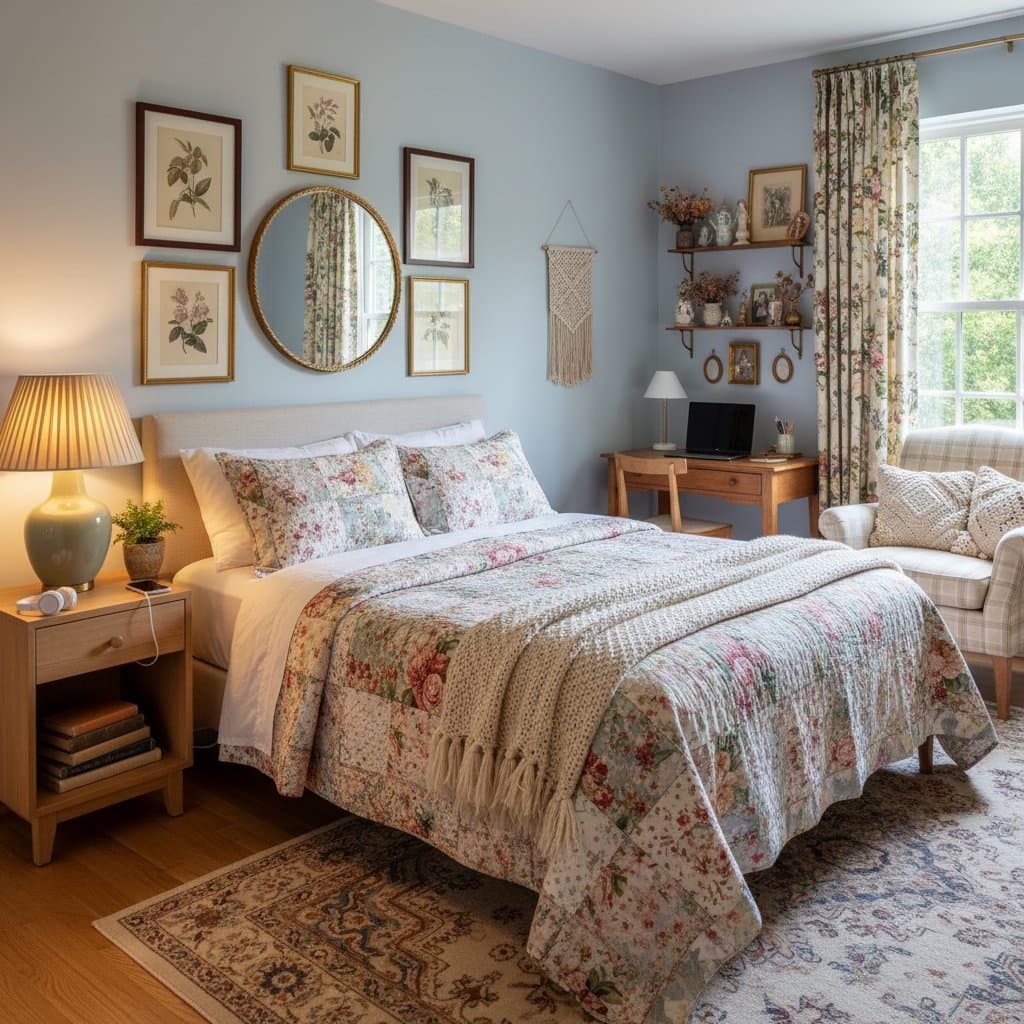
Shared walls and windows transmit noise into bedrooms. A padded headboard with a dense internal frame creates a sound buffer. Tufted surfaces or thick batting increase effectiveness. Pair with heavy drapes for added control. -
Acoustic Room Dividers
Freestanding panels made from compressed felt or recycled PET fiber separate zones and reduce sound transmission. Some models include shelves or planters for added utility in studios or offices. -
Sound-Absorbing Cabinets and Storage Units
Felt-lined doors or cork panels dampen noise from appliances and dishes. Position units flush against walls to prevent new reflective surfaces in kitchens or media rooms. -
Acoustic Lounge Pods and Privacy Chairs
Wraparound designs lined with absorbing fabric create personal quiet zones. These higher-cost options suit reading or focused work and deliver noticeable isolation from ambient sound.
Supporting Additions for Greater Effect
Smaller items enhance results without major replacements.
- Thick wool rugs reduce footstep noise and hallway echoes.
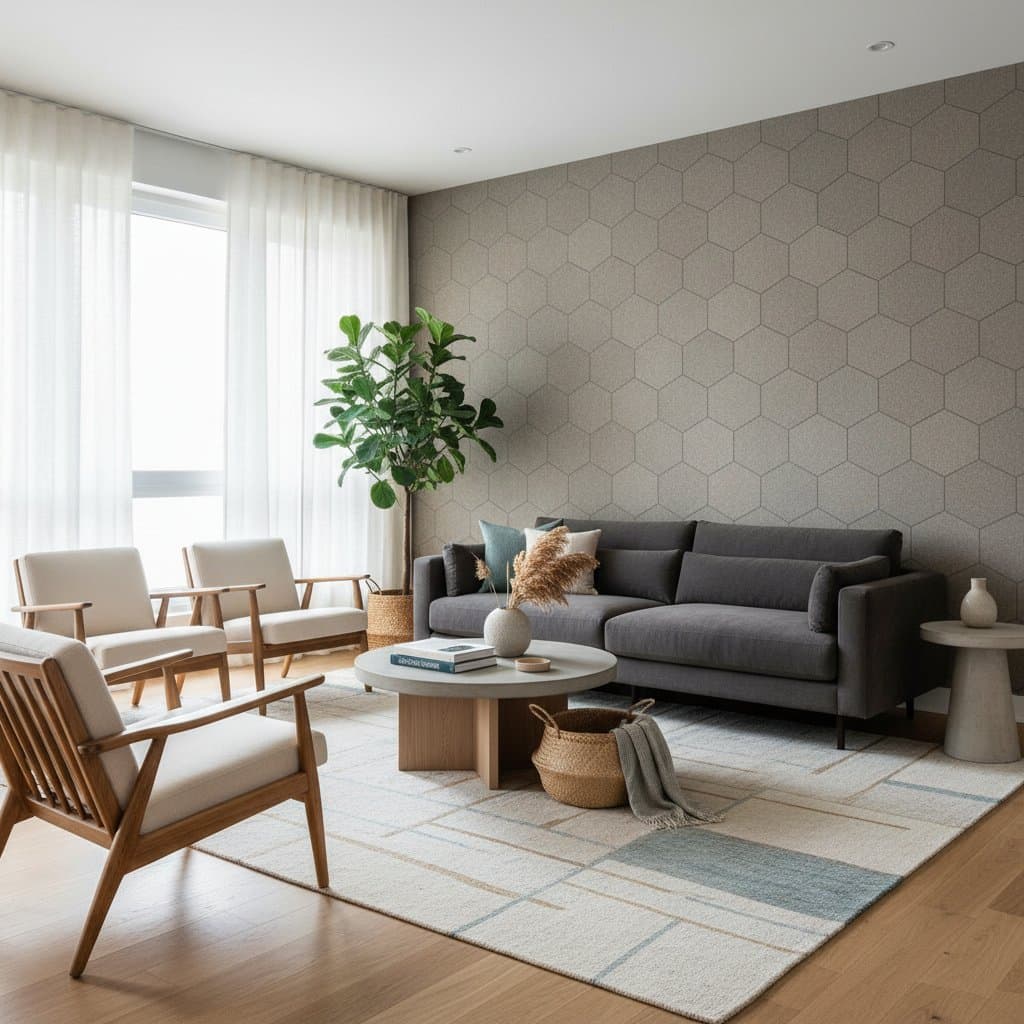
- Fabric wall panels serve as both art and sound treatment on large blank surfaces.
- Floor-to-ceiling lined drapes block outside noise from streets.
- Cushioned dining chairs replace hard seats and soften reflections around tables.
Budget, Placement, and Upkeep Factors
Identify the noisiest rooms first. Kitchens, living rooms, and bedrooms usually show the quickest gains. Begin with one area and expand based on observed changes.
Entry-level pieces such as felt dividers or padded headboards start at a few hundred dollars. Mid-range sofas or cabinets with specialized materials reach the low thousands. Custom pods cost more but provide superior isolation.
Most items require no special installation. Wall-mounted pieces need secure anchoring. Select flame-retardant fabrics and materials that meet indoor air quality standards. Vacuum fabrics regularly to maintain absorption performance. Felt and wool surfaces resist dirt and moisture naturally.
Finding Professional Guidance
An interior designer or acoustic consultant can evaluate specific layouts and match furniture to both aesthetic and functional goals. For built-in cabinetry or complex installations, a qualified contractor ensures proper support and code compliance.
Selecting Initial Pieces for Your Space
Start with one high-impact item such as an upholstered sofa or padded headboard. Test the acoustic difference in daily use. Add supporting elements like rugs or drapes as needed. This measured approach builds a quieter home over time.