Ceiling Clouds: The Trending Solution for Taming Noisy Living Rooms
Picture settling into your living room for a peaceful evening, only to have every noise amplify off the surfaces around you. The tap of a utensil, footsteps across the floor, or dialogue from a television all reverberate, turning a relaxing space into one filled with distraction. Fortunately, ceiling clouds provide a proven way to restore tranquility and elevate the room's aesthetic appeal.
Identifying Acoustic Challenges in Living Rooms
Living rooms often feature hard materials like hardwood floors, large windows, and bare walls that reflect sound waves rather than absorb them. Open floor plans and tall ceilings exacerbate the issue, creating hollow echoes that hinder clear conversations and focused relaxation. These elements contribute to an environment that feels visually open yet acoustically overwhelming during everyday use.
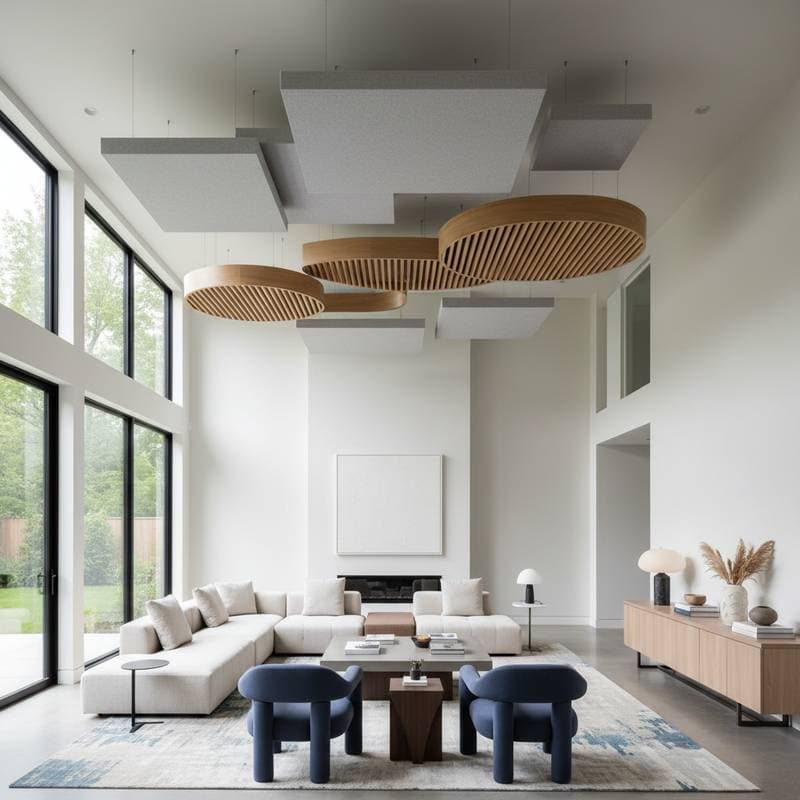
Ceiling clouds address this directly. These panels suspend from the ceiling to capture sound from overhead, minimizing reflections and enhancing overall clarity. Beyond functionality, they introduce layered visual interest, blending seamlessly with modern interiors to achieve both acoustic balance and stylistic harmony.
How Ceiling Clouds Function
Ceiling clouds consist of lightweight panels positioned horizontally several inches beneath the ceiling surface. They intercept sound waves mid-air, preventing them from rebounding into the occupied space below. Strategic placement targets high-reflection zones, delivering measurable noise reduction without major structural changes.
The panels employ absorbent materials that convert sound energy into minimal heat, rather than allowing it to echo. This process results in crisper audio for media, easier dialogue during gatherings, and a more immersive atmosphere for personal downtime. Homeowners notice the improvement immediately upon installation.
Selecting Styles to Match Your Interior
Ceiling clouds integrate design versatility with acoustic performance, allowing customization to suit any living room aesthetic. Consider these options based on your space's character and needs:
-
Fabric-Wrapped Panels
Suited for contemporary or streamlined settings, these panels feature customizable fabrics in neutral or bold hues. Opt for woven textures to introduce subtle warmth or sleek materials for a refined appearance that complements existing decor. -
Wood Veneer Panels
Ideal for homes with natural or vintage influences, wood options provide organic texture alongside sound control. Select light oak for brightness or darker walnut for depth, ensuring the grain patterns align with furniture tones. -
Sculptural Baffle Designs
For bold statements, choose angular or flowing shapes that add three-dimensional interest. Position them over key areas like sofas to draw attention upward while diffusing sound evenly. -
Custom-Printed Variants
Creative users can incorporate patterns or images, transforming the ceiling into an artistic element. Work with manufacturers to match prints to wall art or themes, maintaining acoustic efficacy.
Planning Installation for Optimal Results
Effective installation begins with evaluating your room's acoustics. Identify hotspots, such as areas near glass surfaces or entertainment setups, where echoes originate. Clouds perform best when aligned over interaction zones, like seating clusters or media walls, to maximize coverage.
Follow these steps for a smooth process:
- Measure ceiling dimensions and note any obstacles like lights or vents.
- Identify secure attachment points, such as joists, using a stud finder.
- Mark positions for cables or wires to ensure even suspension.
- Secure panels at a consistent height, typically 12 to 24 inches below the ceiling.
- Conduct a sound test post-installation and adjust as necessary for balance.
Professional assistance proves valuable for overhead work or intricate setups. A qualified installer verifies structural integrity, particularly in homes with suspended ceilings or integrated systems, guaranteeing long-term safety and performance.
Managing Costs and Long-Term Value
Ceiling cloud expenses depend on size, material quality, and customization level. Basic fabric models range from $50 to $150 per panel, while premium wood or bespoke designs climb to $300 or more. A typical 200-square-foot living room requires 4 to 8 panels, plus hardware, totaling $500 to $2,500 including labor.
Begin with targeted coverage over high-use areas to control initial outlay, scaling up as budget allows. These panels offer added benefits, such as minor thermal insulation that stabilizes room temperature by trapping air pockets above. Consult local specialists through vetted services for precise estimates based on your layout and preferences.
Achieving Balanced Acoustics and Aesthetics
Ceiling clouds elevate living rooms by merging practical sound management with architectural elegance. They guide the gaze upward, creating a sense of height and rhythm that complements furniture arrangements below. This integration fosters spaces conducive to meaningful interactions, whether during intimate dinners or casual viewing sessions.
Implement ceiling clouds to redefine your home's auditory experience. The result is a versatile room that supports both solitude and sociability, proving that thoughtful design enhances daily comfort without compromise.