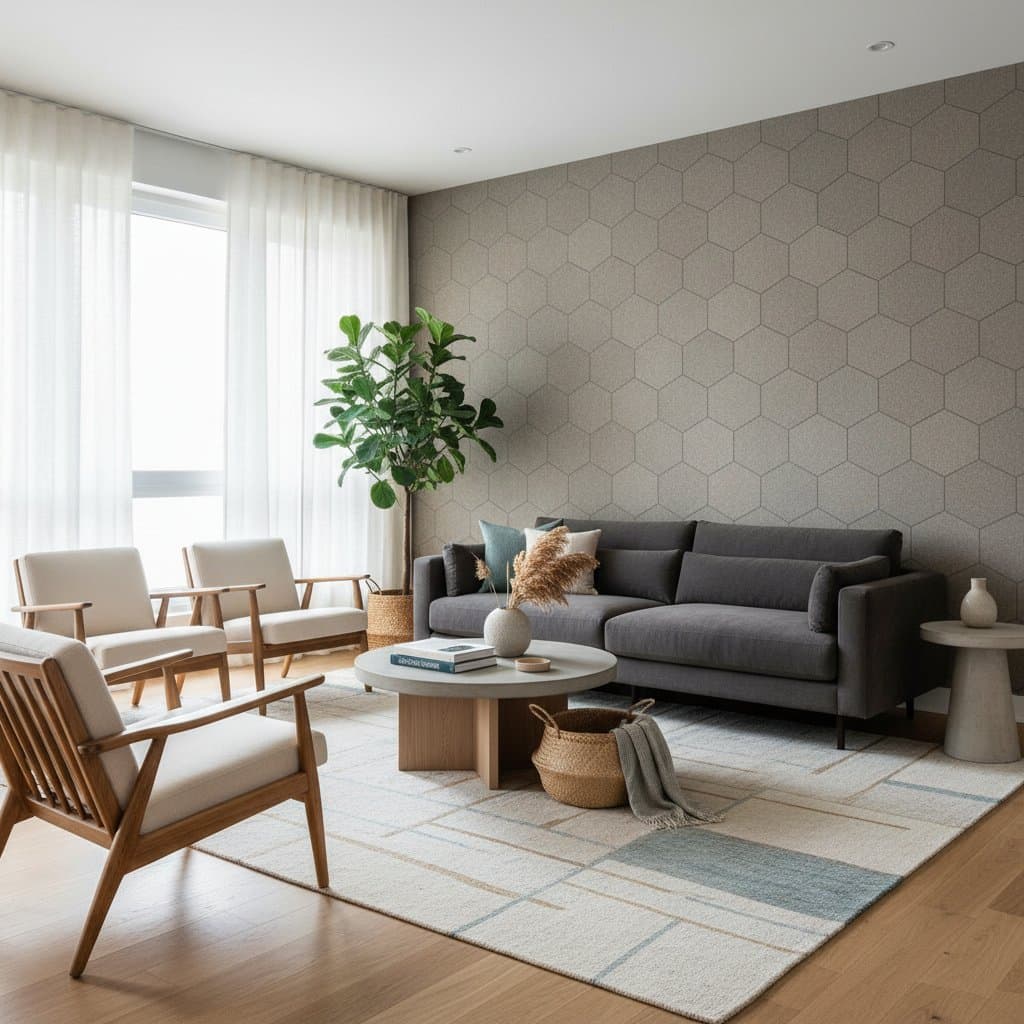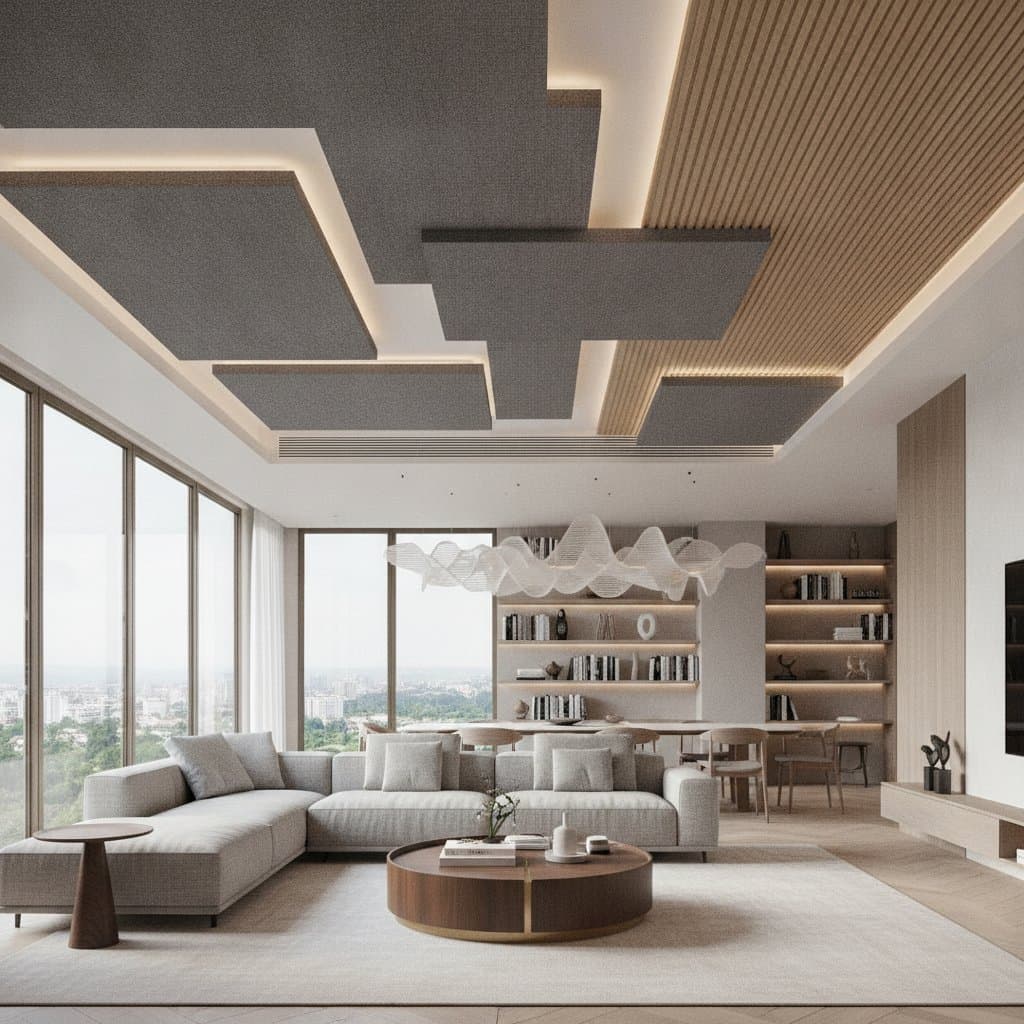
Acoustic Panels: Ceiling Design Meets Soundproofing
A calm, balanced space often begins from above. The ceiling shapes how a room feels and sounds. When footsteps echo or voices carry too sharply, the atmosphere shifts from relaxing to restless. Acoustic panels turn an empty overhead surface into a thoughtful part of home comfort.
Used correctly, these panels absorb sound while softening the energy of a space. They create visual interest and bring design cohesion that feels natural. Whether refreshing a home office, taming noise in an open plan living area, or seeking a quieter bedroom, ceiling acoustic panels help achieve peaceful balance.
Why Start with the Ceiling
The ceiling often holds untapped design potential. Many rooms already have limited wall space filled with artwork, shelving, or windows. The ceiling remains open and available for visual structure. Installing acoustic panels overhead delivers several practical benefits.
- Reduce overall echo in large or open spaces.
- Create a sense of coziness by lowering sound intensity.
- Enhance lighting when panels are combined with recessed or indirect fixtures.
- Add texture and pattern that brings subtle sophistication.
- Preserve wall space for decor or storage.
Ceiling panels blend utility with aesthetics. They appear as part of the design rather than a mechanical addition.
Installation Made Simple
Ceiling acoustic panels may sound technical, yet installation remains approachable. Many systems support easy mounting. Small projects can often be handled without professional help, while larger layouts benefit from expert assistance.
Steps to Get Started
- Measure the space and identify areas most affected by echo or noise.
- Plan the layout by sketching how panels will appear overhead and balance function with design.
- Prepare the surface by cleaning the ceiling and marking positions with light pencil lines or painters tape.
- Mount panels securely using adhesive strips, clips, or screws according to manufacturer directions.
- Check alignment by stepping back and viewing the pattern from different angles before finalizing.
A weekend often suffices to install panels in a medium sized room. Sound feels softer immediately after completion.
Common Roadblocks and How to Handle Them
Even simple projects can bring hesitation. Lightweight adhesive backed panels address concerns about ceiling damage because they can be removed later. Starting with a few panels above the main seating or work area clarifies placement questions through direct listening tests. Mixing high quality panels with DIY alternatives such as cork or fabric covered foam boards manages budget constraints in less visible areas. Panels that match the ceiling color prevent visual clutter.
Each small step advances progress toward desired sound quality and atmosphere. Partial coverage produces meaningful improvement.
Experiencing Quieter Spaces Daily
Once acoustic panels become part of the room, daily experience changes noticeably. Concentration, rest, and conversation become easier over time. Gentle vacuuming or wiping with a soft cloth keeps panels dust free. Most materials require minimal care. Panel layout can be adjusted whenever furniture or lighting changes. The result supports flexibility and harmony.
Spend a few minutes this week observing sound in a favorite room. If the environment feels too sharp or busy, select a panel style that matches personal sense of calm. Gather tools and begin with one section. The completed room carries a new quiet confidence that reflects care and attention to home comfort.