Built-In Scent Systems: Revolutionizing Bathroom Design
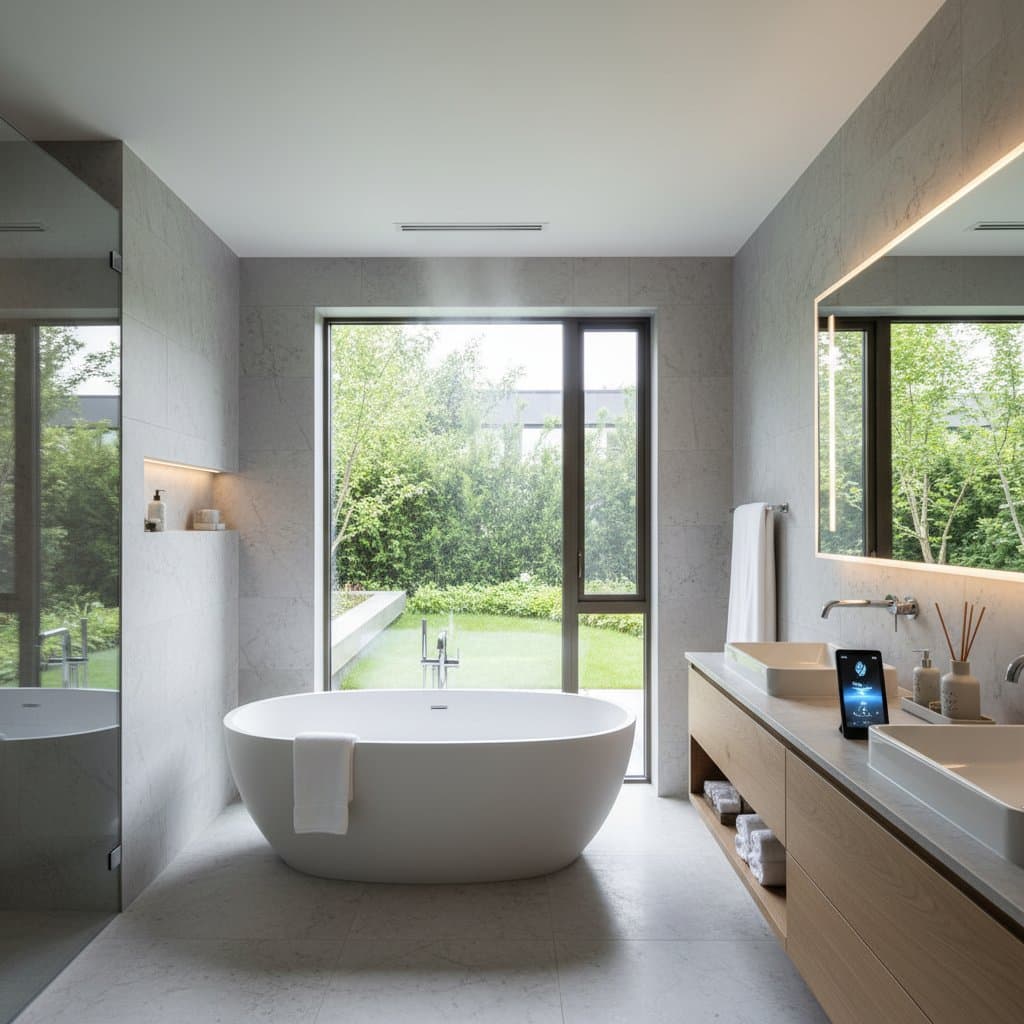
Modern bathroom design extends beyond visual appeal and functional storage. Designers now incorporate scent as a core element to enhance the overall experience. Built-in scent systems, previously limited to high-end spas and luxury hotels, integrate seamlessly into residential spaces. These systems connect to ventilation ducts, cabinet interiors, or recessed lighting fixtures, elevating fragrance to the level of essential design components like fixtures and finishes.
Bathrooms serve as sanctuaries for daily rituals of cleansing and renewal. Controlled scent diffusion adds layers of relaxation, concentration, or invigoration to these routines. As interior designer Lila Moreno observes, "We think about texture and color every day. Scent is the next layer that makes a bathroom feel complete."
Mechanics of Built-In Scent Diffusion
These systems employ micro-diffusion technology to release fragrance as a fine, dry vapor, avoiding heat sources or aerosol sprays. The vapor disperses through existing HVAC channels or dedicated tubing concealed behind tiles, walls, or cabinetry. This method prevents moisture buildup and protects nearby surfaces from residue or discoloration.
Many units integrate with smart home ecosystems for precise operation. Homeowners can program scent release schedules via mobile applications or voice commands, setting intensities from subtle hints to more pronounced aromas. Motion-activated models trigger diffusion upon detecting presence, ensuring efficiency and conservation of fragrance reserves.
Operations remain unobtrusive, with low-voltage power sources tucked away behind access panels or mirrors. Cartridge capacities typically span 50 to 120 milliliters, providing two to six months of intermittent use depending on settings. Maintenance involves straightforward cartridge swaps through front-loading mechanisms, eliminating the need for structural disassembly.
Selecting an Optimal Fragrance Profile
Fragrance selection mirrors the deliberation applied to color schemes or material choices. The ideal scent harmonizes with the bathroom's aesthetic, lighting, and usage patterns, influencing the space's ambiance from morning preparations to evening unwinding.
Consider these fragrance categories to match specific design themes:
- Citrus and herbal compositions: These invigorating options suit sleek, monochromatic schemes featuring marble countertops, polished chrome hardware, and expansive glass elements.
- Woody and resinous accords: Such profiles lend grounding warmth to spaces with earthy tones, natural stone surfaces, and matte finishes.
- Floral and powdery essences: Soft and evocative, they enhance traditional or eclectic interiors with ornate vanities and soft lighting.
- Eucalyptus and mint infusions: These purifying scents excel in moisture-heavy environments like steam showers, promoting respiratory ease and a refreshed atmosphere.
Professionals recommend sampling diluted fragrance testers within the actual space prior to installation. Factors such as natural light variations, surface reflections, and airflow dynamics can subtly alter scent perception during diffusion.
Integrating Aromatherapy for Wellness
Rooted in aromatherapy science, built-in scent systems deliver targeted olfactory experiences that affect emotional and physical states. Consistent exposure to calming lavender or grounding sandalwood fosters tranquility, while uplifting grapefruit or clarifying peppermint boosts alertness. In a bathroom dedicated to personal care, these elements amplify the sense of rejuvenation.
Wellness expert Priya Deshmukh emphasizes intentionality in implementation: "A built-in scent system is not about masking odor. It’s about creating a consistent atmosphere that supports how people want to feel in their homes." This multisensory strategy aligns with contemporary trends prioritizing holistic environments that stimulate sight, touch, sound, and smell.
Research supports these benefits; for instance, certain scents can reduce perceived stress levels during grooming routines. Homeowners report heightened satisfaction when bathrooms evolve into therapeutic retreats, blending hygiene with subtle mood enhancement.
Advanced Controls for Personalized Experiences
Contemporary integrations enable dynamic scent management tied to lifestyle rhythms. App-based platforms facilitate programming, such as energizing citrus bursts at dawn and soothing vanilla waves at dusk. Humidity-responsive features modulate output during bathing, preventing overload in steamy conditions.
Multi-room setups benefit from zoned controls, allowing distinct profiles across bathrooms. A powder room might feature neutral, welcoming linen notes, whereas a master bath indulges in rich, oriental spices. This customization embeds scent within the home's narrative, adapting to individual preferences and seasonal shifts.
Installation considerations include compatibility with existing wiring and plumbing. Consult certified professionals to route diffusion lines without compromising waterproofing or aesthetics. Long-term, these systems offer scalability, with upgrades for expanded fragrance libraries or integration with lighting and audio cues.
Implementing Built-In Scent Systems Effectively
Begin by defining the desired emotional tone for your bathroom: serene for meditation, vibrant for motivation, or neutral for versatility. Review product specifications for diffusion rates, compatible cartridge types, and integration options with your home automation setup.
Acquire sample kits from manufacturers to evaluate scents in situ, noting interactions with your specific ventilation and materials. Prioritize systems with user-replaceable components and quiet fans to maintain the space's tranquility.
As adoption grows, these innovations underscore scent's role in architectural storytelling. They convert standard bathrooms into immersive havens, where every inhalation contributes to well-being and personal expression.