Sound-Absorbing Furniture Quiets Home Chaos
You settle into your living room for a quiet evening. Echoes of conversation, clattering dishes, and the hum of appliances bounce off walls. Sound ricochets from surface to surface, transforming a peaceful space into a noisy arena. Hard, reflective surfaces often dominate modern interiors and make homes feel louder than necessary. Transform your space into a calm retreat without tearing down walls or installing industrial panels. Use furniture that looks beautiful and absorbs sound.
The Growing Need for Quieter Interiors
Open floor plans, high ceilings, and minimalist decor offer striking visual appeal. These elements often create acoustic challenges. Sound waves bounce around when they encounter no soft surfaces, amplifying every small noise. Families, remote workers, and apartment dwellers find this echo exhausting. Soften reverberations while maintaining cohesive decor. Sound-absorbing furniture provides that balance, blending style with quiet performance.
What Sound-Absorbing Furniture Actually Does
Sound-absorbing furniture captures and diffuses sound waves before they reflect into the room. Materials such as wool, felt, thick upholstery, and acoustic foam play key roles. Integrated into furniture, these materials turn everyday items into effective noise reducers. A plush sofa hushes conversation echoes. A felt-covered room divider doubles as art. This approach reduces noise and creates a sanctuary that supports focus, relaxation, and connection.
Common Sources of Home Noise
Identify noise sources before selecting new furniture. In most homes, these elements act as primary culprits:
- Hard floors such as tile, wood, or polished concrete
- Sparse furnishings that allow sound to bounce freely
- Large windows or glass doors without heavy drapery
- Open layouts without partitions or rugs
- Electronics and appliances that generate ambient hums
Understand these sources to introduce sound-absorbing pieces strategically and intercept them.
Types of Sound-Absorbing Furniture That Make a Difference
Not all furniture contributes equally to quieting a space. Some pieces serve acoustics specifically, while others use suitable materials and shapes. Consider these effective options:
-
Upholstered Sofas and Armchairs
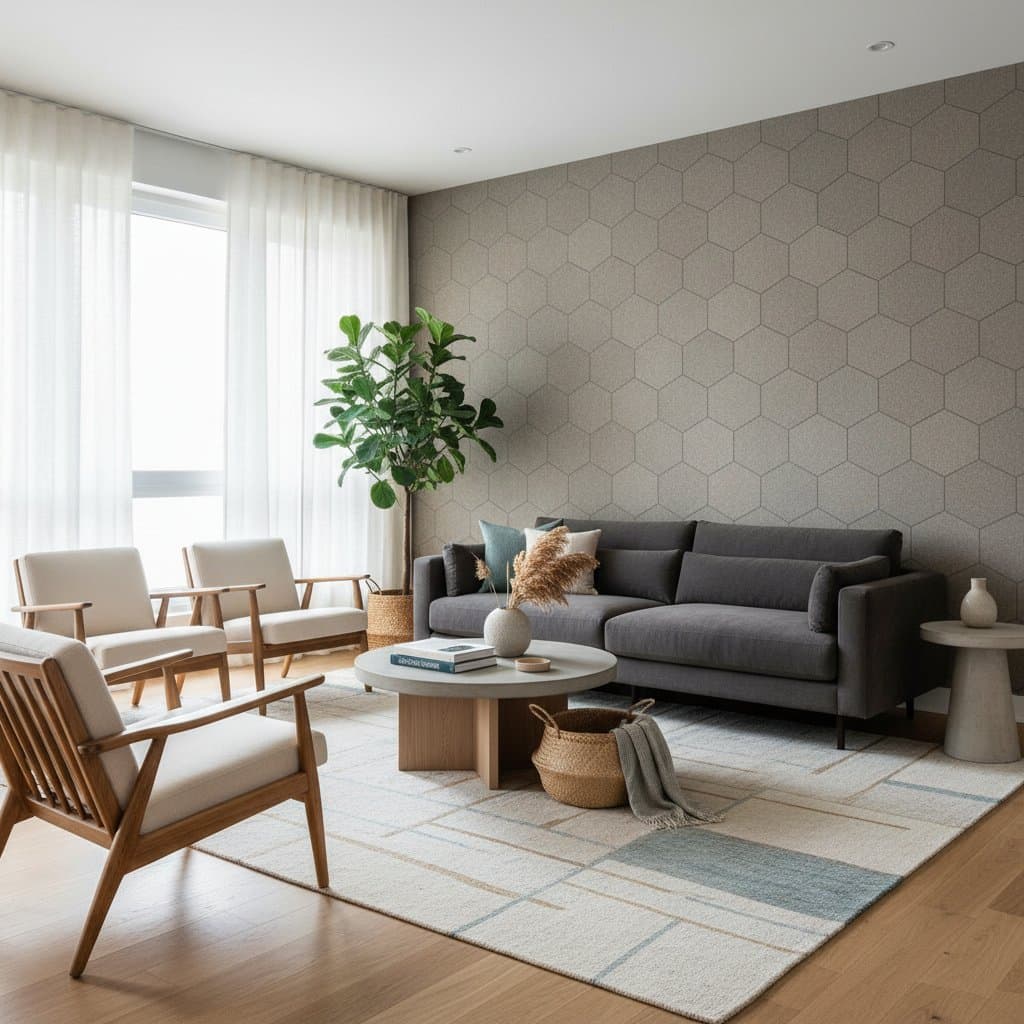
Thick, densely padded seating absorbs mid- to high-frequency sounds that make chatter and television audio harsh. Select woven fabrics like wool blends, tweed, or velvet for enhanced acoustic effects. Sectional sofas prove especially effective in open rooms, as they break up long sound paths. -
Acoustic Wall Panels Disguised as Art
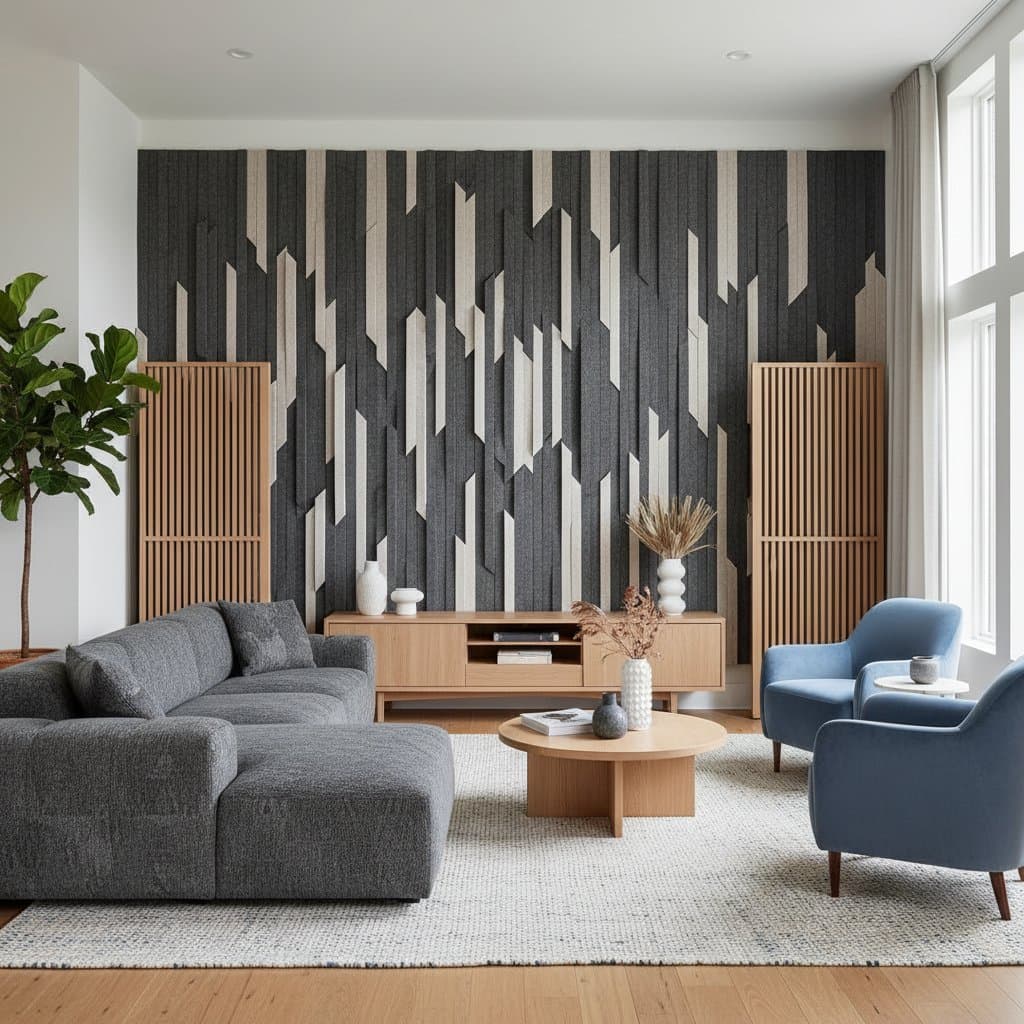
Modern acoustic panels integrate into framed fabric pieces or modular wall tiles. They soften reflections near entertainment areas or dining zones without disrupting decor themes. -
Felt-Covered Room Dividers
These movable panels create privacy while capturing sound energy. They suit home offices or studio apartments needing subtle zone separation. -
Textile-Heavy Headboards and Bed Frames
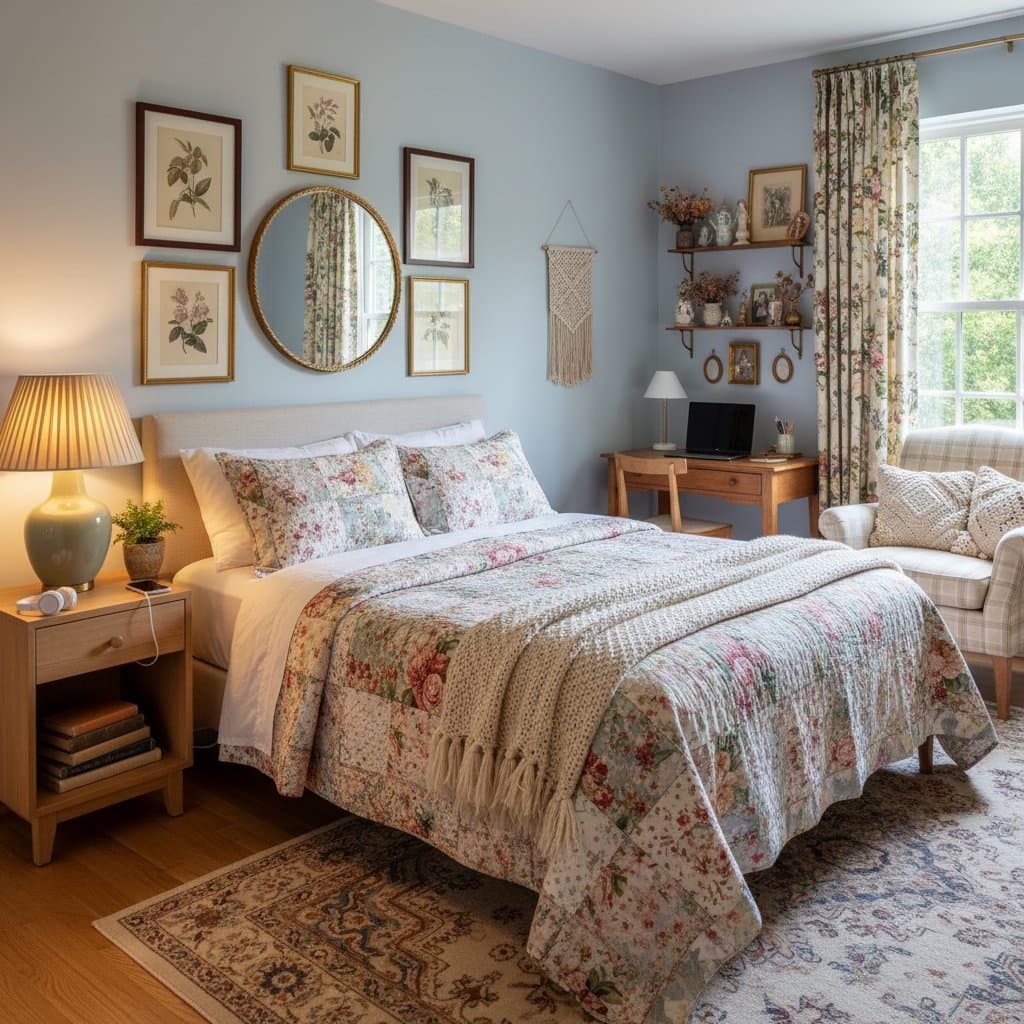
In bedrooms, upholstered headboards prevent sound from bouncing off walls. This improves rest and maintains a serene atmosphere. -
Soft Ottomans and Benches
Cushioned ottomans or storage benches offer comfort and sound absorption. Grouped together, they form small acoustic barriers that reduce echo in large rooms. -
Acoustic Shelving and Cabinets
Shelves lined with books or fabric-backed panels scatter sound and reduce sharpness. Manufacturers offer cabinets with felt inlays or perforated wood fronts that trap noise behind decorative surfaces.
Designing for Both Style and Silence
Achieve sound control without sacrificing beauty. Balance texture, pattern, and tone in the best acoustic interiors. Pair a wool sofa with linen curtains and a thick area rug to create layers that absorb or diffuse sound differently. In minimalist aesthetics, select neutral acoustic panels or low-profile felt tiles that blend with wall colors. For vibrant spaces, incorporate patterned upholstery or colorful dividers as focal points.
Plan layouts with sound travel in mind. Position soft pieces opposite reflective surfaces. Place a large sofa across from a window wall. Flank a dining table with upholstered benches rather than bare chairs. Small placement adjustments yield noticeable calm.
Local Climate and Material Choices
Regional climate affects fabric and finish performance. In humid areas, choose moisture-resistant textiles like treated wool blends or acoustic polyester felt that resists mildew. Dry climates benefit from natural cotton or jute blends that balance air while adding tactile softness. Cooler zones suit thicker materials such as boucle or heavy upholstery, which quiet rooms and add warmth. Locally sourced materials reduce costs and environmental impact, while aligning with regional design traditions.
Cost and Installation Considerations
Sound-absorbing furniture requires no structural renovation, which serves as a key advantage. Quality materials and craftsmanship vary widely in price. Entry-level options, such as felt cushions, small wall tiles, or soft ottomans, cost $50 to $200 per piece. Mid-range solutions, including upholstered sectional sofas, acoustic room dividers, or decorative panels, range from $300 to $1,000 depending on size and brand. High-end designs, like custom acoustic cabinetry or designer wall systems, reach $1,500 or more but combine aesthetics with measurable performance.
Most pieces involve no special installation beyond standard home assembly. Large wall panels or built-in shelving may require professional mounting. Confirm that wall anchors and fasteners match your wall type for safety.
Safety and Maintenance
Sound-absorbing furniture remains safe for everyday use with proper maintenance. Vacuum fabric surfaces regularly using a soft brush attachment to remove dust that diminishes acoustic performance. Apply non-abrasive cleaners to felt or wool, and avoid oversaturating fabrics. Select fire-rated materials that meet local building codes, particularly in multi-unit residences. Hypoallergenic acoustic fabrics resist dust mites while maintaining softness for allergy-sensitive households.
Integrating Professional Help
Balance aesthetics with acoustic function by consulting a local interior designer or acoustic specialist if uncertain. Many homeowners post projects on free contractor-matching services to connect with vetted professionals. These experts measure reverberation times, recommend materials, and ensure pieces contribute to the desired soundscape. Trusted platforms provide design insight and peace of mind through thorough contractor reviews.
Practical Tips for Everyday Noise Reduction
Make incremental improvements before investing in new furniture:
- Add thick curtains or layered drapery over large windows.
- Place plush rugs with sound-absorbing pads on hard flooring.
- Fill bookshelves with staggered items to create varied surfaces that scatter sound.
- Mount fabric-covered cork boards or textile wall hangings in echo-prone corners.
- Rearrange seating so major conversation areas surround soft materials.
These steps complement sound-absorbing furniture and foster a consistently calm atmosphere.
The Emotional Effect of a Quieter Home
Silence creates space for life to breathe, rather than representing absence. An acoustically balanced home highlights subtle moments: the soft rustle of fabric, the low hum of conversation, the gentle rhythm of daily living. Rooms feel more intimate, and minds unwind faster. Sound-absorbing furniture delivers sensory relief for serene reading nooks, distraction-free offices, or restful bedrooms.
Steps to Achieve Acoustic Harmony in Your Home
Rethink sound movement to transform your home into a tranquil retreat. Every upholstered chair, felt panel, and cushioned bench contributes to harmony. Alter surfaces and fabrics rather than architecture. Identify noisiest zones first, then select key pieces that blend beauty with acoustic benefits. Seek expert guidance by posting your project on a reputable free service connecting you with local designers and furniture specialists who prioritize form and function. Experience your home as peaceful, inviting, and restorative.