Japandi Maximalism: A Bold Fusion for Serene Bedrooms
Cluttered rooms often disturb mental clarity, while overly sparse spaces may seem cold and impersonal. Between these extremes exists a design philosophy that achieves both grounding stability and vibrant energy. Japandi Maximalism integrates the tranquil core of Japanese minimalism with the multifaceted warmth of Scandinavian and eclectic influences. In the bedroom, this method emphasizes equilibrium, purpose, and solace. It encourages individuals to curate surroundings that resonate personally without inducing overwhelm.
The Essence of Japandi Maximalism
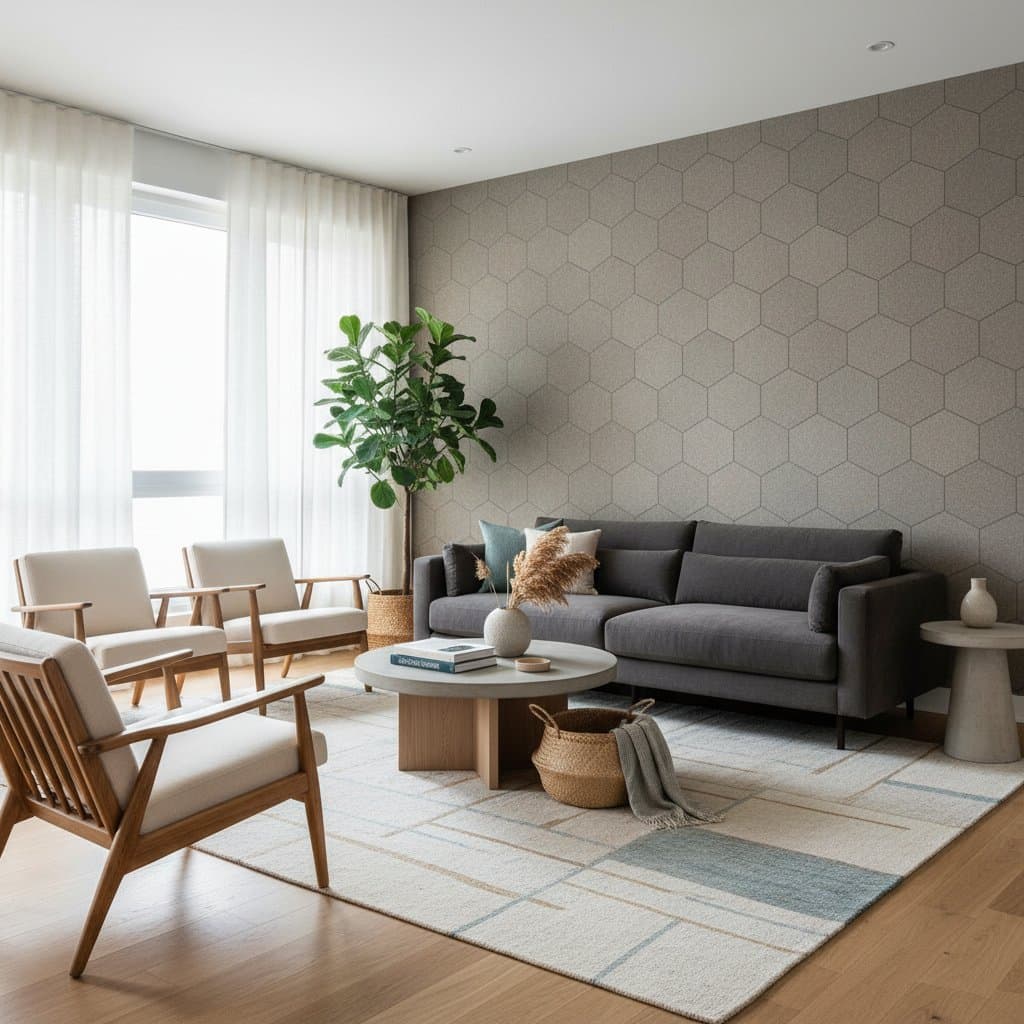
Japandi Maximalism respects simplicity while embracing abundance. Consider natural elements and subdued colors from traditional Japandi, enhanced by sensory textures, curated artifacts, and subtle pops of color or pattern. The outcome is an environment that conveys mindfulness and vitality simultaneously. Rather than adhering to rigid minimalism, this style promotes deliberate selection. Every element carries significance or function, and each surface narrates a subtle tale.
Traditional Japandi might limit choices to wood, linen, and stone, but this evolution permits greater flexibility. For instance, a velvet throw might drape over a straightforward oak bed frame, or a vintage lamp could stand beside a sleek ceramic vase. The objective remains enrichment through inviting textures and enduring materials, rather than mere accumulation.
Setting the Mood
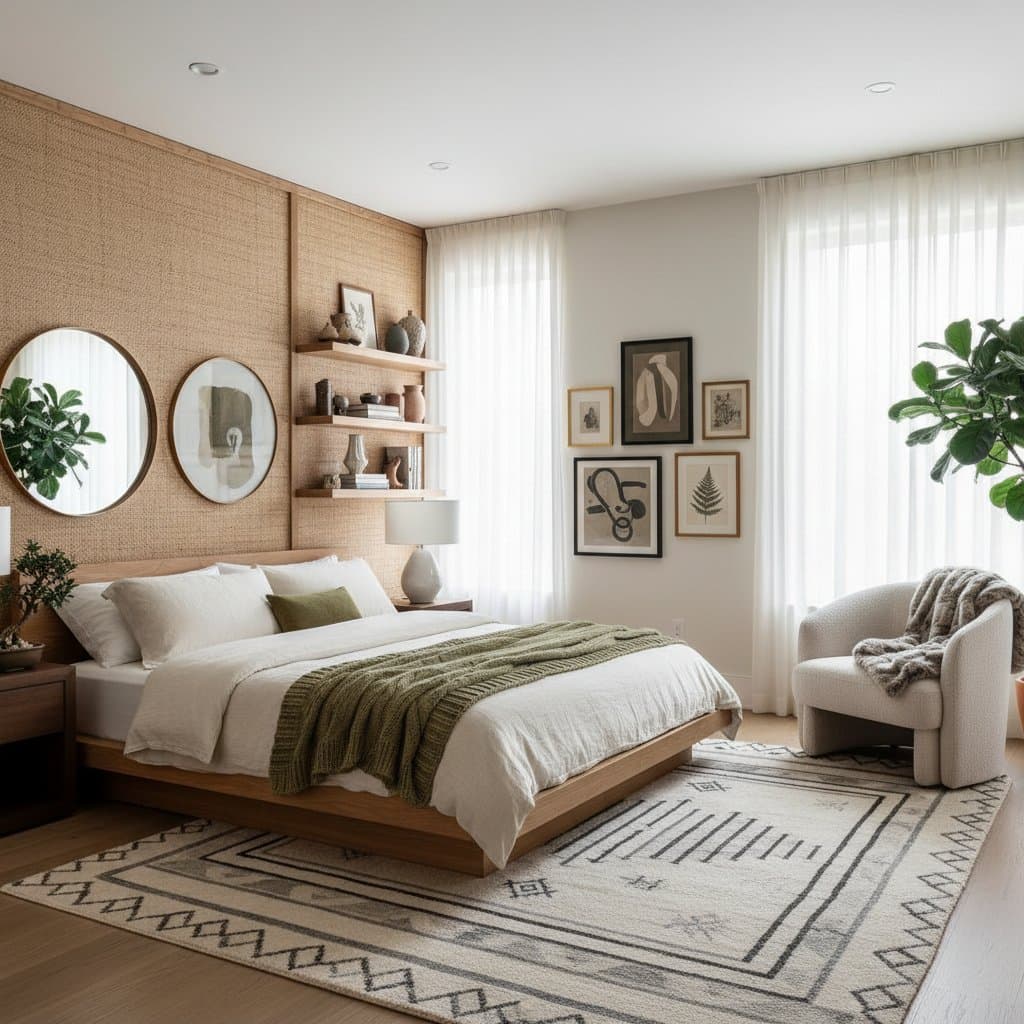
A Japandi Maximalist bedroom appears restful upon initial view, then unveils nuanced details on inspection. Lighting remains diffused, typically passing through rice paper or textile diffusers. Base colors draw from nature, such as sandy beige, earthy clay, and soft gray, with deeper shades like indigo or forest green providing dimension. Metallic accents in brass or matte black introduce subtle contrast without harshness.
View the room as an evolving arrangement where unity prevails over discord. A handwoven rug secures the foundation. A modest assortment of artisanal pottery on the dresser imparts understated personality. A quilt with gentle patterns, draped across the bed's foot, infuses historical warmth and tactile appeal.
Steps to Create the Look
1. Establish a neutral foundation.
Select gentle, earth-inspired hues for walls and major furnishings. Options like pale taupe, creamy off-white, or muted gray provide a serene canvas that highlights subsequent textures and highlights.
2. Incorporate natural materials.
Combine wood, linen, rattan, and wool to emphasize inherent patterns, weaves, and surfaces. A live-edge wooden stool, for example, introduces an authentic, anchoring presence.
3. Introduce color purposefully.
Select one or two hues that reflect personal taste. A subdued terracotta cushion or a moss-green blanket suffices to add vitality while preserving overall composure.
4. Integrate art and cherished items.
Maximalism emerges here through selective display. Opt for a trio of framed illustrations, a compact sculpture, or a beloved ceramic vessel to convey narrative without excess.
5. Harmonize symmetry and fluidity.
Position the bed as the central element, then temper its form with varied textiles. Arrange pillows in diverse forms and let a throw cascade naturally rather than align precisely.
6. Infuse natural elements.
Incorporate a potted fern, a slender branch in a vase, or bundles of preserved grasses to link the interior with seasonal rhythms. Such organic shapes encourage mental repose.
7. Illuminate with softness.
Select fixtures that emit warm, diffused light. Rice paper lanterns, cloth-covered shades, or adjustable bulbs cultivate an ambiance suited to relaxation and reflection.
Avoiding Clutter and Chaos
Merging minimalism and maximalism demands careful limits. Excess can erode the tranquility central to this aesthetic. Employ these deliberate practices to sustain equilibrium.
- Restrict decorative elements to compact, intentional groupings.
- Review and refine possessions periodically, perhaps quarterly, discarding items that no longer inspire or serve.
- Prioritize variation in size over volume; a single substantial artwork often fosters greater serenity than numerous petite ones do.
- Embrace unoccupied areas; blank expanses contribute their own elegant repose.
This cycle of curation and refinement ensures the space remains dynamic yet clear. It adapts alongside personal growth, avoiding stagnation.
Common Roadblocks and How to Overcome Them
Indecision between excess and restraint.
Commence modestly. Experiment with a single zone, like the nightstand, by stacking textures and accents. Assess the sensation, then gradually extend the approach.
Concerns over style compatibility.
Shift focus from labels to common traits. Pieces sharing natural origins, tactile qualities, and warm tones integrate seamlessly.
Fatigue during the process.
Dedicate brief intervals of 10 to 20 minutes. Incremental efforts accumulate impact; acknowledge each advancement to sustain momentum.
Apprehension about diminishing serenity.
Anchor additions in the core palette and materials. Test new elements in isolation first, ensuring they enhance rather than disrupt the foundational calm.
Embracing the Evolving Space
After arranging your Japandi Maximalist bedroom, inhabit it fully before alterations. Observe morning light patterns, the feel of surfaces, and elements that captivate attention. Gradual adjustments refine the composition over time. The aesthetic flourishes through adaptation, not flawlessness.
This philosophy extends to routine care. Smooth linens with deliberate strokes when making the bed. Admire forms and histories while dusting. Such practices transform upkeep into contemplative acts. The bedroom evolves from mere sleeping quarters into an integral source of daily equilibrium.
Refining Your Sanctuary
Japandi Maximalism champions both repose and individuality. It illustrates that tranquility arises without rigidity, and character thrives without disorder. Gentle fabrics, rooted pigments, and thoughtful assemblies yield an authentic, profoundly relatable haven.
Should your bedroom currently swing toward bustle or barrenness, consider this blend as an accessible trial. Start with existing pieces, introduce layers incrementally, and maintain openness. Progressive refinements draw the environment nearer to internal poise. A single repositioned shelf or added glow can profoundly alter the atmosphere, underscoring the style's versatile charm.