Acoustic Tiles: Stylish Soundproofing for Modern Homes
In a bustling household, silence often emerges as a rare commodity. The blend of conversations, appliance hums, footsteps, and external disturbances can disrupt even the most tranquil settings. Acoustic tiles present a straightforward and refined method to dampen these sounds, restoring serenity to living areas. Beyond mere noise reduction, these tiles integrate seamlessly into decor, contributing texture, color, and visual interest to walls and ceilings.
This guide examines the ways acoustic tiles harmonize functionality with aesthetics. Applicable to open-concept layouts or compact apartments, they enable the creation of quieter, more centered environments.
The Importance of Sound Management in Residential Spaces
Noise impacts far beyond immediate discomfort; it shapes concentration, relaxation, and interpersonal interactions. Environments with controlled acoustics promote smoother dialogues, deeper rest, and heightened creativity. As reverberations diminish, nuanced audio elements such as melodies, voices, or soft movements gain clarity and presence.
Effective sound management requires no extensive renovations or seclusion. Incremental additions like acoustic tiles, alongside draperies or area rugs, yield significant enhancements. Spaces that resonate well also evoke greater ease, encouraging inhabitants to unwind and engage more fully.
Selecting Appropriate Styles and Materials
The choice of acoustic tiles hinges on specific objectives, visual preferences, and existing room configurations. Consider these essential elements to guide decisions.
Material Textures
- Felt or Wool Variants: These options deliver warmth, tactile appeal, and eco-friendly attributes, while introducing subtle depth to surfaces.
- Foam-Based Panels: Valued for their portability and efficacy, particularly in recording environments; overlay with textiles to achieve a polished finish.
- Wood or Bamboo Composites: Provide organic aesthetics paired with reliable absorption capabilities.
- Fabric-Enveloped Designs: Suited for communal rooms, offering a customized, cushioned aesthetic that complements upholstery.
Shapes and Configurations
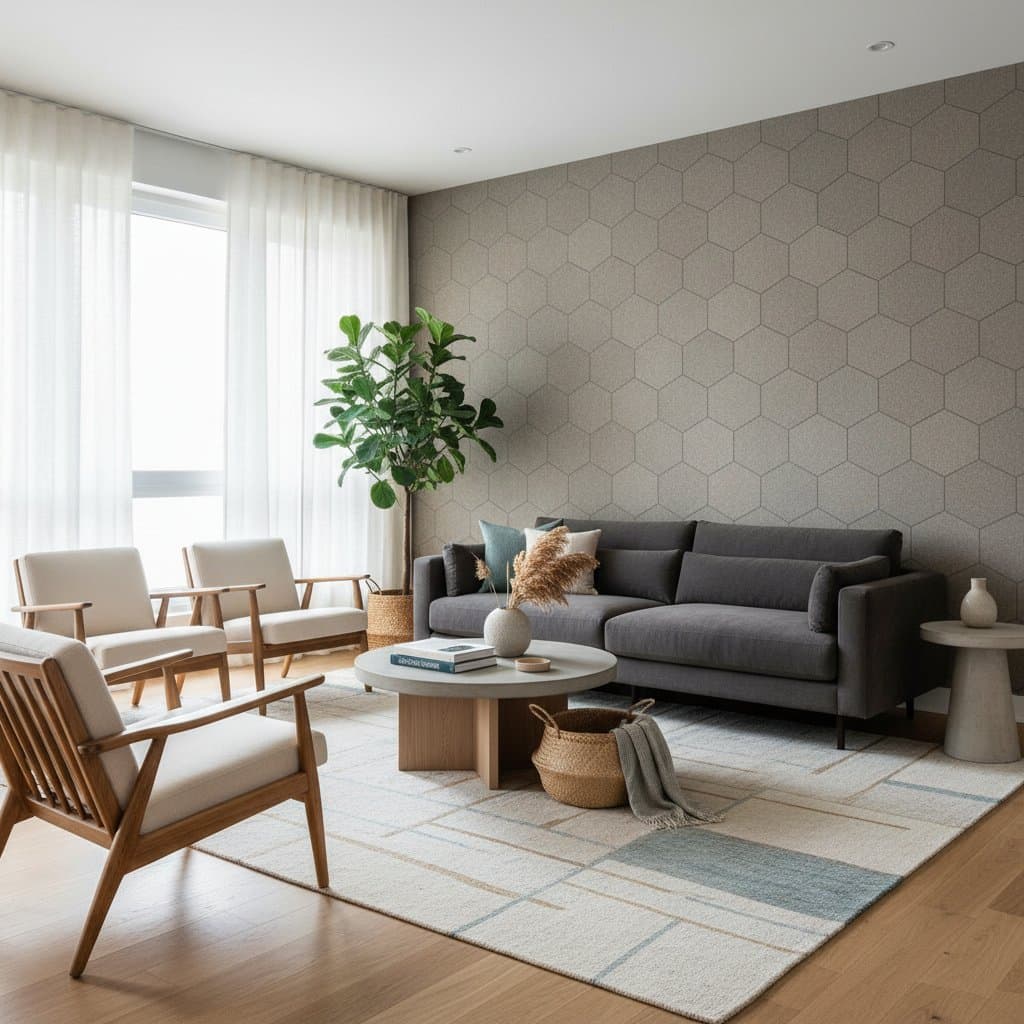
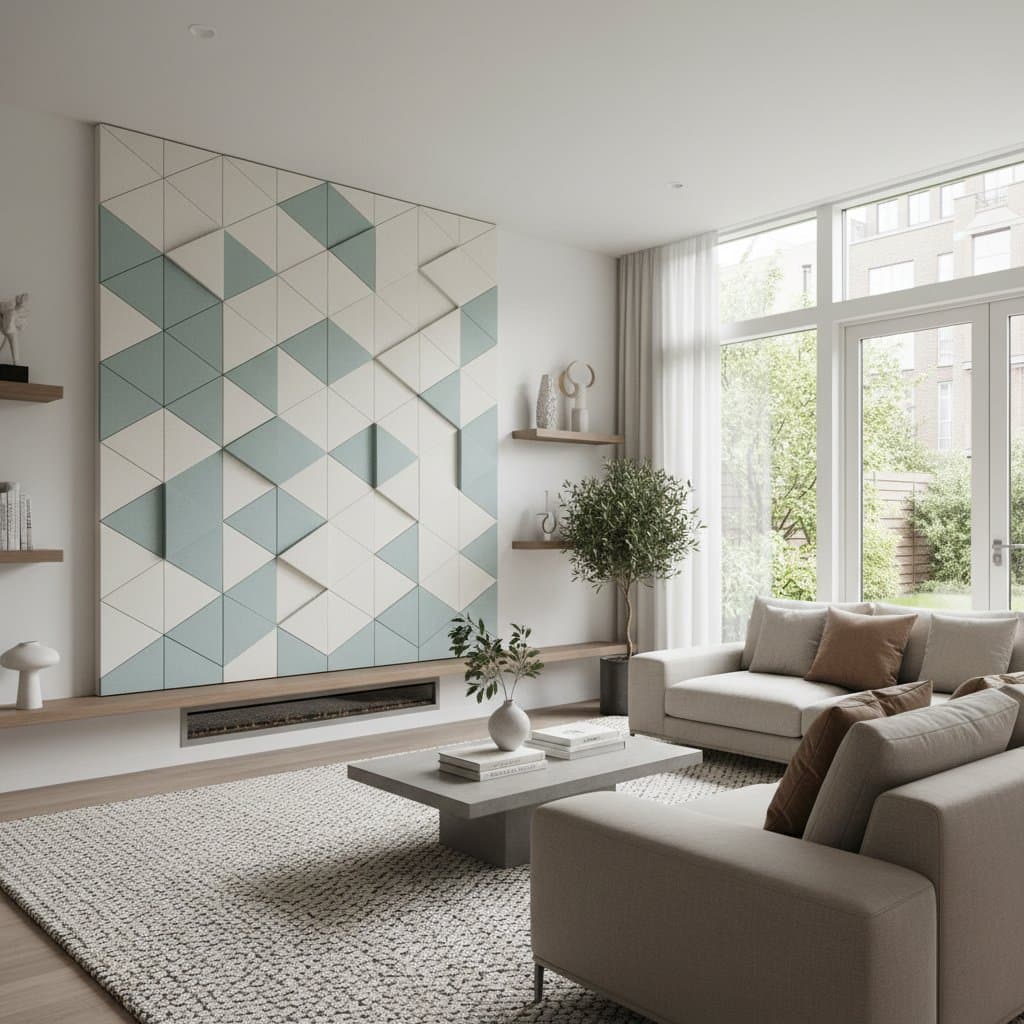
Acoustic tiles appear in standard squares, elongated rectangles, circular forms, or bespoke geometries. Uniform repetitions establish visual cadence, whereas asymmetrical placements introduce whimsy and creativity. Experiment with color variations or scaled combinations to amplify dynamism.
Color Influences on Ambiance
Hue selection profoundly affects spatial perception. Neutral or pale shades maintain openness and brightness. Richer tones capture both light and sound, fostering an enveloping intimacy. For understated cohesion, align tile shades with surrounding walls; for striking impact, opt for complementary contrasts that function as decorative focal points.
Installation Methods
Options range from self-adhesive applications to clip-secured or framed systems. Select according to installation proficiency and property status, such as tenancy versus ownership. Adhesive-free alternatives facilitate trial and adjustment without residue.
Addressing Typical Obstacles
Home improvement endeavors, even modest ones, may provoke uncertainties. The following addresses frequent concerns with practical resolutions to maintain momentum.
-
Concern: Acoustic tiles might impart an overly utilitarian appearance.
Resolution: Prioritize pliable fabrics and earthy palettes; felt or textile coverings integrate fluidly with domestic furnishings. -
Concern: Rental restrictions limit structural alterations.
Resolution: Employ detachable adhesives or portable panels that remove cleanly, preserving surfaces. -
Concern: Uncertainty about initiation.
Resolution: Commence with a single surface or focal area; allocate 10 to 20 minutes for placement trials to gauge immediate acoustic shifts. -
Concern: Balancing auditory benefits with aesthetic appeal.
Resolution: View tiles dually as functional elements and artistic compositions; configure motifs that satisfy visual and sonic criteria. -
Concern: Perceived subtlety in outcomes.
Resolution: Integrate tiles with complementary absorbers, including sheer curtains, thick floor coverings, and padded seating, to amplify results.
Incremental advancements suffice; each adjustment cultivates progressively serene surroundings and empowers environmental stewardship.
Crafting Designs Centered on Tranquility
Incorporate auditory considerations into broader renovation plans, akin to deliberations on palette and materiality. Acoustic tiles render this integration accessible and inventive.
- For living rooms, combine amber-hued panels with textured linens and timber accents to evoke coziness.
- In home offices, neutral or subdued blues enhance concentration and precision.
- Bedrooms benefit from pastel tones and velvety finishes that soothe and invite repose.
- Children's spaces thrive with vibrant geometries that serve as both decor and auditory buffers.
Such deliberate strategies elevate sound control to an expressive facet of interior philosophy, nurturing holistic wellness.
Implementing Acoustic Enhancements
Achieving residential quietude demands no grand overhaul. Acoustic tiles enable incremental, aesthetically pleasing measures toward equilibrium.
Begin in a single area and observe shifts in disposition and attentiveness. Sound management extends past suppression; it enriches vocal warmth, sonic fullness, and everyday gentleness.
Sustain this design mindfulness across periods. Periodically assess auditory qualities, refine arrangements, and pursue an ambiance resonant with subtle harmony. Acknowledge each step as a milestone in fostering enduring calm.