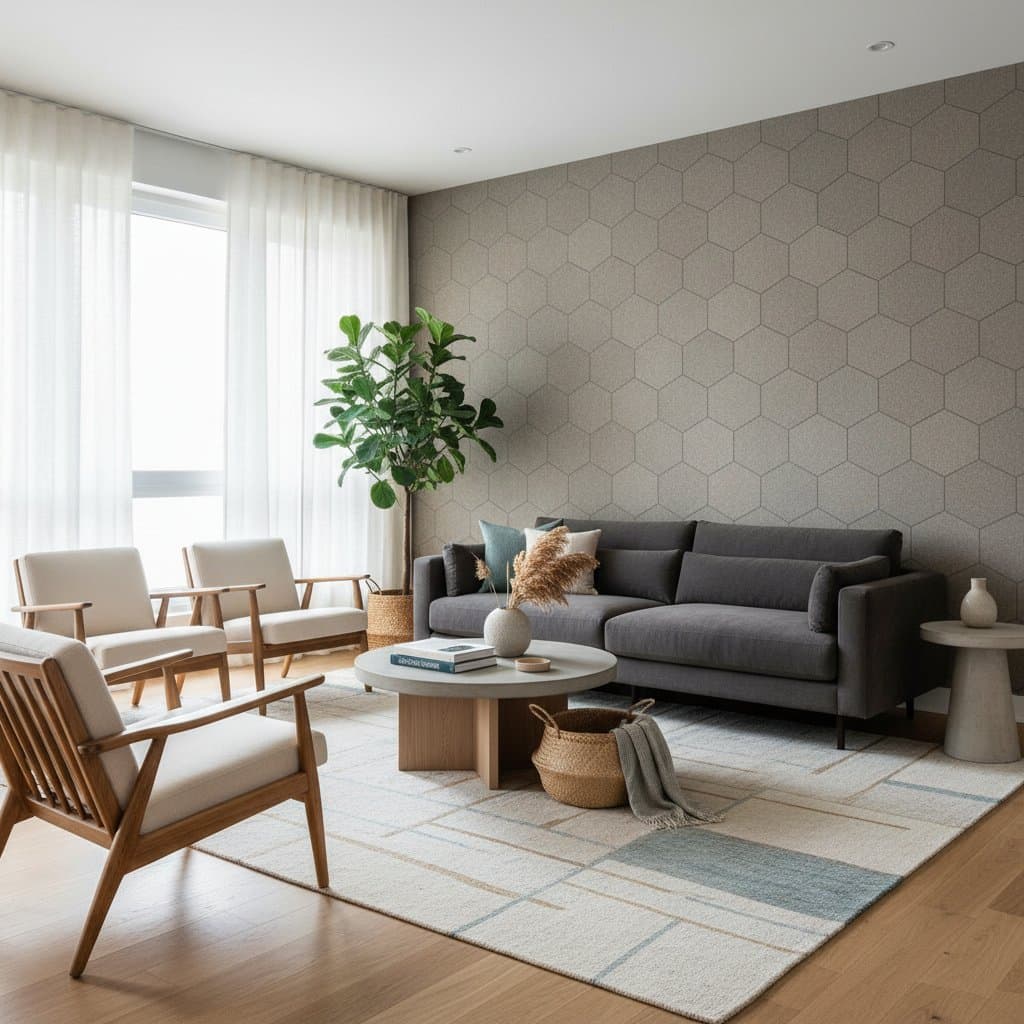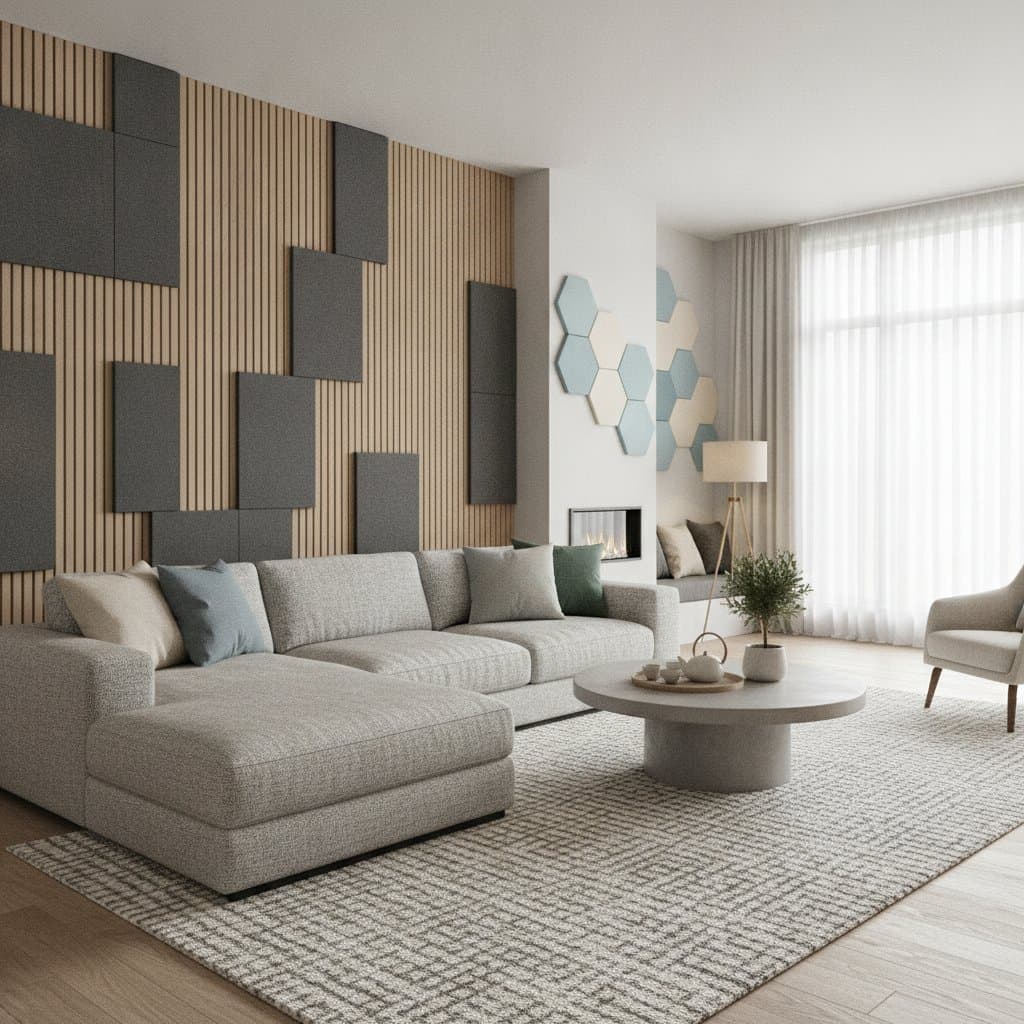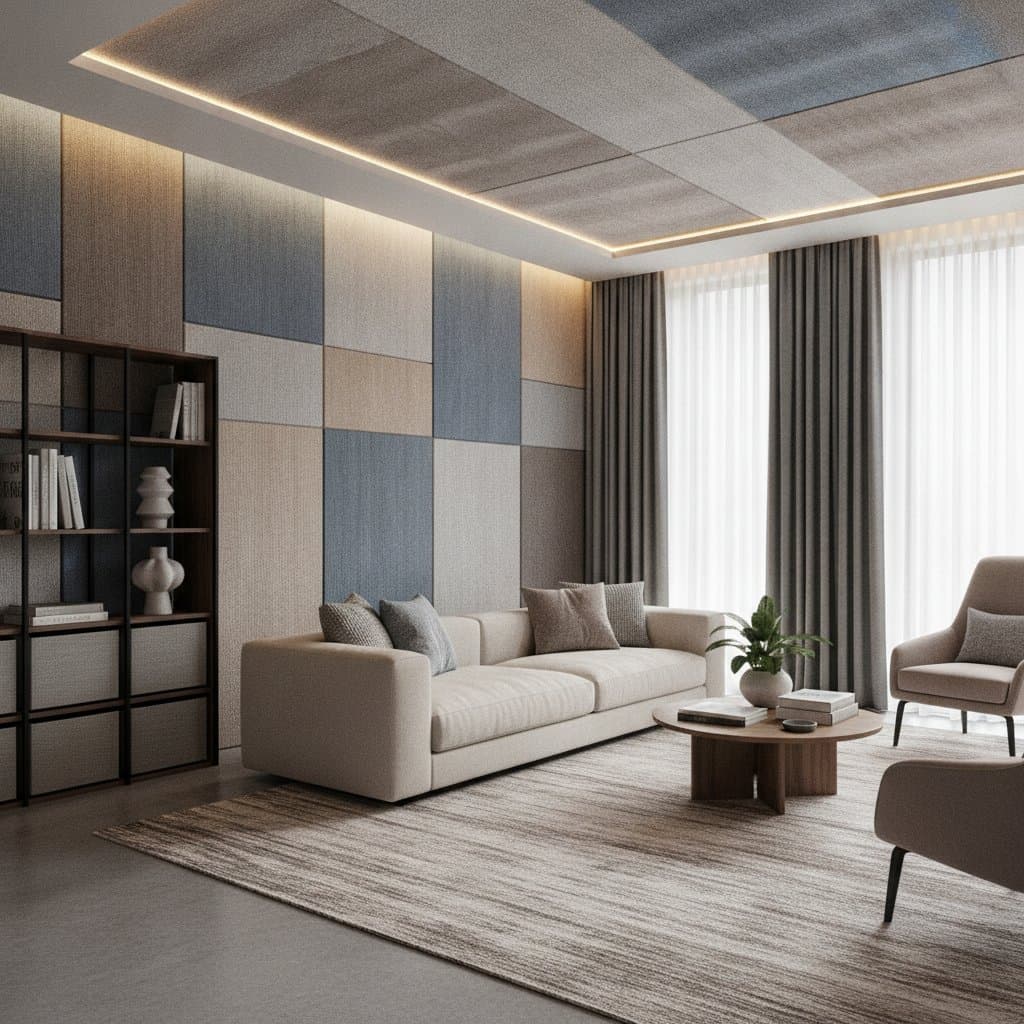
Acoustic Textiles Reduce Noise While Enhancing Home Interiors
A quiet home supports focus and rest. Hard surfaces often reflect sound and create echoes that disrupt daily routines. Acoustic textiles address this issue by absorbing sound while contributing texture and warmth to interiors.
Why Sound Matters at Home
Noise levels influence mood and concentration. Rooms that amplify voices or footsteps can increase fatigue. Acoustic textiles adjust sound movement to produce steadier, more comfortable environments.
What Are Acoustic Textiles?
Acoustic textiles consist of woven or layered fabrics engineered to trap sound waves. They appear as wall coverings, curtains, or furniture upholstery. Many options incorporate recycled fibers for added sustainability.
These materials maintain ordinary fabric appearances while their internal structure reduces reverberation. They suit minimalist rooms as well as traditional settings.
Where to Use Them
Placement depends on room use and sound patterns.
- Living Room: Mount fabric panels behind seating or hang lined drapes at windows to soften television audio and group conversations.
- Bedroom: Install padded headboards or wall panels to limit outside noise and promote rest.
- Home Office: Position absorbent screens near desks to improve call clarity and reduce interruptions.
- Dining Area: Apply ceiling or wall textiles to lessen dish sounds and create relaxed meal settings.
- Hallways: Add narrow panels to control footstep echoes before they reach other rooms.
Types of Acoustic Textiles
- Wall Panels: Fabric-covered boards that attach directly and provide both visual interest and sound control.
- Ceiling Baffles: Suspended panels that capture overhead noise in open spaces.
- Curtains and Drapes: Dense fabrics with acoustic backings that block external sound.
- Upholstered Furniture: Padded seating and beds that absorb ambient noise during regular use.
- Room Dividers: Freestanding textile screens that separate areas while managing acoustics.
Combine several types for stronger results. Layer curtains with rugs and panels to ground lively rooms.
Choosing the Right Fabric
Performance varies with thickness and density. Select wool blends, felt, or heavy cotton for reliable absorption. Engineered polyester options deliver consistent durability.
Matte textures outperform glossy surfaces. Neutral tones reduce visual busyness, while deeper shades create intimacy in large rooms.
Simple Steps to Get Started
- Walk through each room and note locations where echoes persist.
- Introduce one or two soft surfaces such as a large rug or lined curtain.
- Shift panel positions and test sound changes before adding more elements.
- Blend fiber types to balance acoustic performance with visual texture.
- Choose stain-resistant finishes in busy areas to maintain both appearance and function.
Addressing Common Concerns
Modern acoustic products remain slim and adaptable. Many panels function as artwork or blend with existing walls. Budget options include single panels or ready-made curtains that deliver measurable improvement.
Renters can use freestanding dividers or tension-mounted pieces that require no wall damage. A thick tapestry often provides noticeable relief in smaller apartments.
The Connection Between Sound and Comfort
Lower background noise supports slower breathing and clearer conversations. Acoustic textiles create this effect without visual dominance. The result appears gradually as rooms feel more restful during ordinary activities.
Sound control works alongside lighting and temperature to shape daily experience. Gentle acoustics make spaces feel supportive rather than demanding.
Maintaining Acoustic Textiles
Vacuum panels with a soft brush attachment. Follow label instructions for curtains and use gentle cleaners on upholstery. Check mounting hardware periodically to preserve performance.
Replaceable fabric faces allow updates without full panel replacement when styles change.
Integrating Acoustic Textiles into Daily Living
Select one room that feels overly bright or noisy. Observe sound behavior, then add a single textile element such as a hallway rug or office panel. Assess the difference before expanding to other areas.
Acoustic comfort fits homes of any scale. Thoughtful fabric additions help conversations stay pleasant, music remain clear, and quiet periods feel restorative.