Acoustic Textiles Reduce Echo in Open Living Rooms
How Acoustic Textiles Address Living Room Noise
You sit down with a book or a show and notice the space sounds like an echo chamber. The clinking glasses, the hum of a fridge, and faint traffic outside all bounce around the room. Hard surfaces such as windows, floors, and painted walls reflect sound and create that hollow feeling.
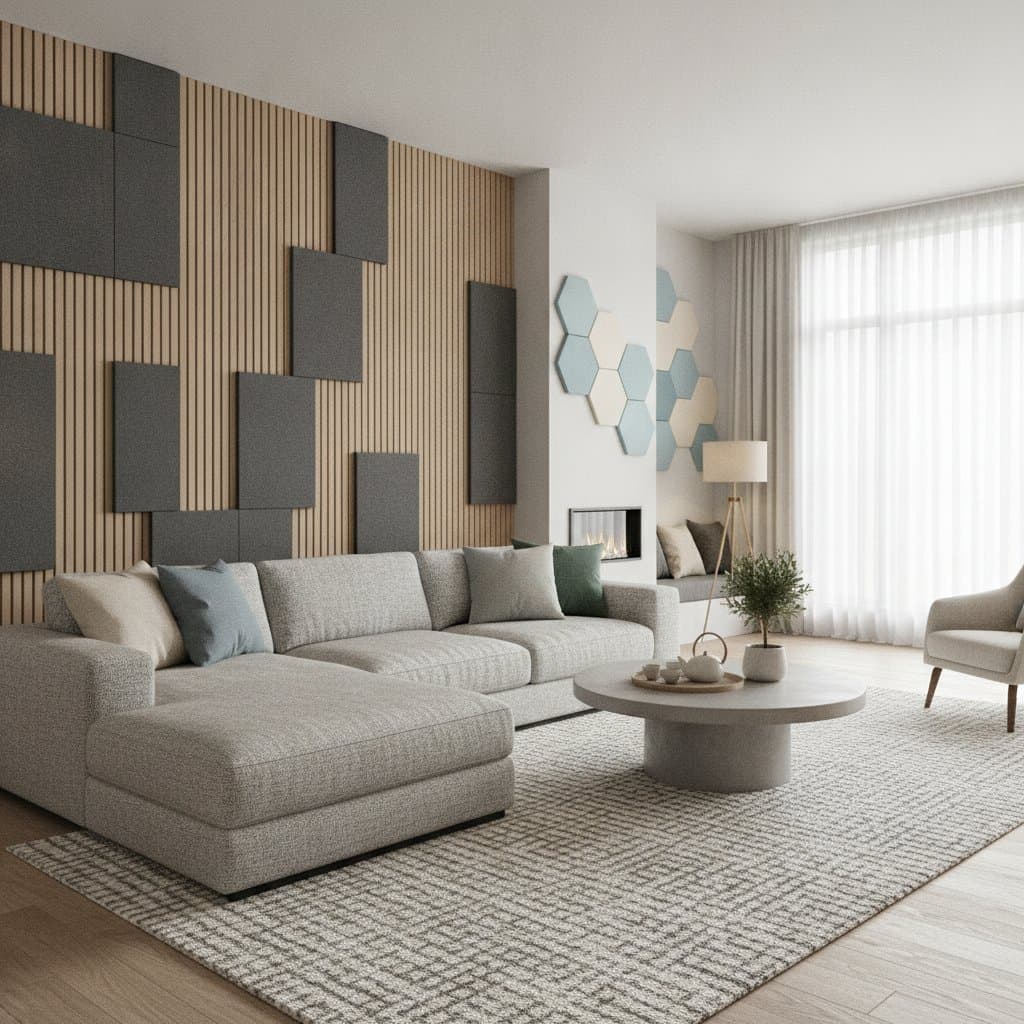
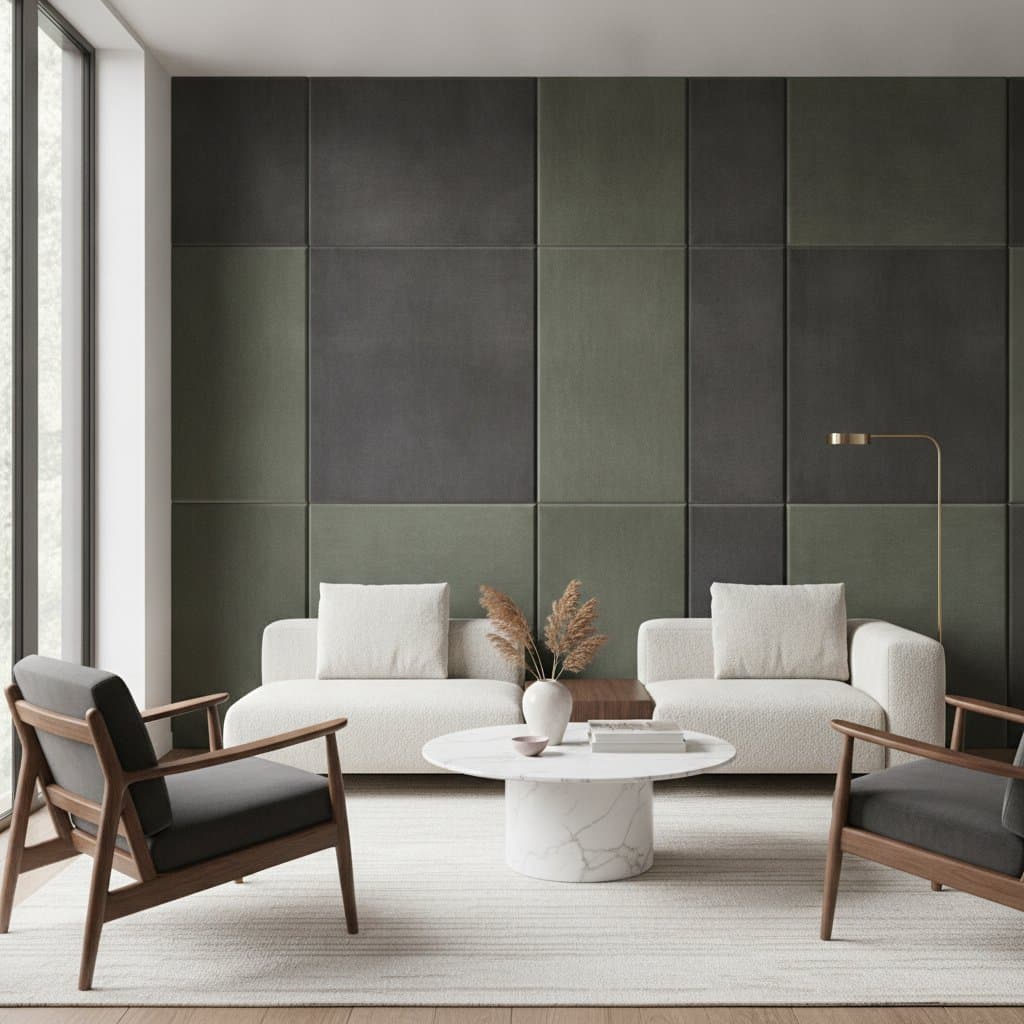
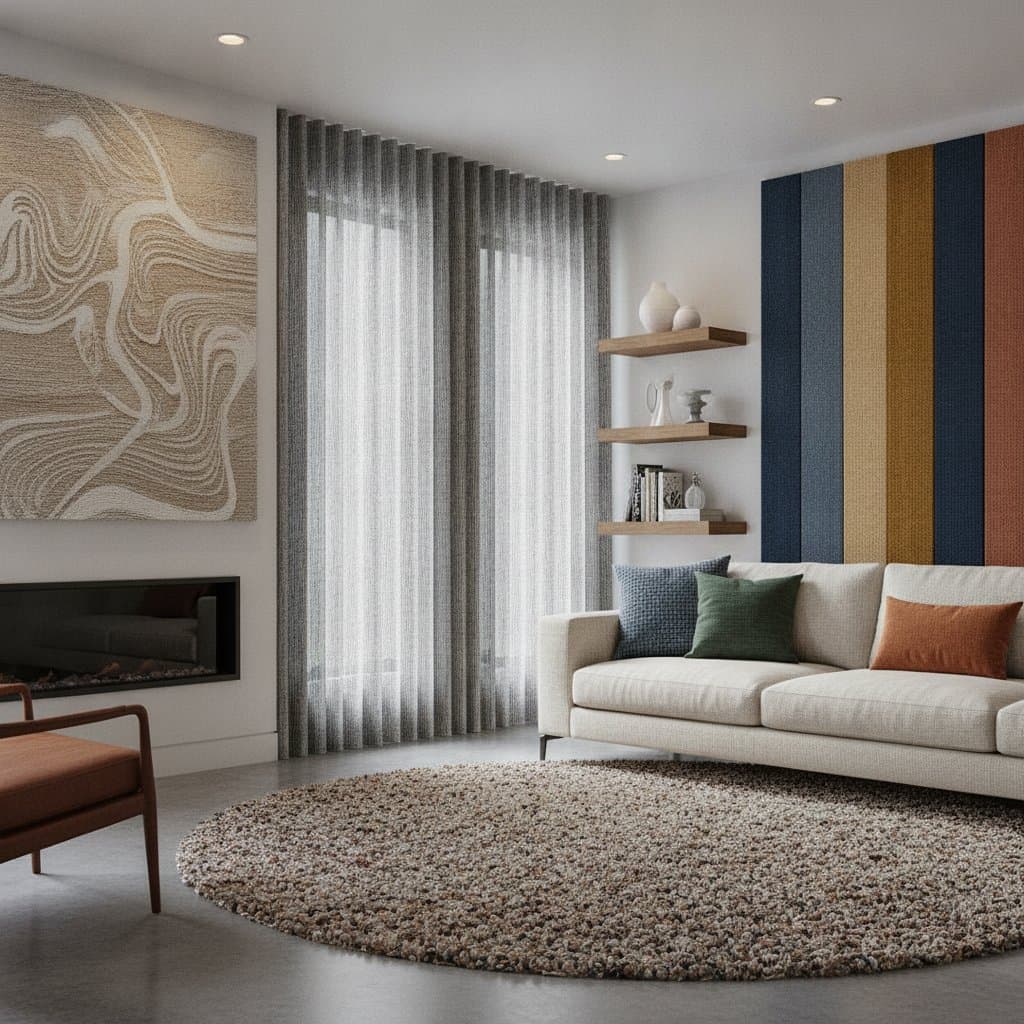
Acoustic textiles bring both visual softness and sound control to living rooms. These fabrics absorb sound waves, reduce echo, and make conversation clearer. They appear as drapery, wall panels, or upholstery so the room feels cozy without resembling a recording studio.
How Sound Absorption Works
Acoustic textiles interrupt the path of sound waves. When sound hits a dense, soft surface, the fibers convert part of that energy into a small amount of heat through friction. The sound wave loses strength as it passes through the fabric.
Thicker or more porous textiles perform better. Fabrics with depth, texture, or layered backing prove particularly effective. Wool blends, felted polyester, and heavy cotton weaves serve as common choices. Some manufacturers bond these materials to acoustic foam or recycled fiber panels to create decorative yet functional wall art.
Look for descriptions such as sound absorbing, acoustic grade, or noise reduction fabric when selecting materials. These terms indicate the textile has been engineered to trap sound rather than reflect it.
Selecting the Right Acoustic Textile
Texture and Density
Heavier fabrics with visible texture absorb more sound. Wool felt, thick linen, and tightly woven polyester blends work well. Smooth, shiny fabrics reflect sound more readily, so use them sparingly or layer them behind softer materials.
Color and Finish
Color does not affect sound performance, yet it influences how the space feels. Deep hues create a grounded atmosphere while lighter tones produce a sense of airiness. When sound levels drop, these visual cues become more noticeable.
Maintenance and Durability
Choose fabrics that can be vacuumed, spot cleaned, or gently washed. Acoustic performance lasts longer when textiles remain dust free. Some high performance fabrics receive treatments that resist stains without losing sound absorbing qualities.
Installation Options
Some textiles come by the yard for custom drapery or upholstery. Others arrive pre mounted on panels or tiles. Start with one or two panels on a wall or replace standard curtains with acoustic versions to notice the difference quickly.
Benefits of Acoustic Textiles
Adding acoustic textiles changes more than decibel levels. Conversation becomes easier because words remain distinct at normal volume. Music sounds warmer because fabric reduces harsh reflections that make speakers sound tinny. Stress levels drop in a quieter space. Design details stand out more clearly without echo.
Homeowners often report they did not realize how tiring their rooms sounded until they added these materials. One described the change as the difference between living inside a bell and living in a hug.
Design Flexibility
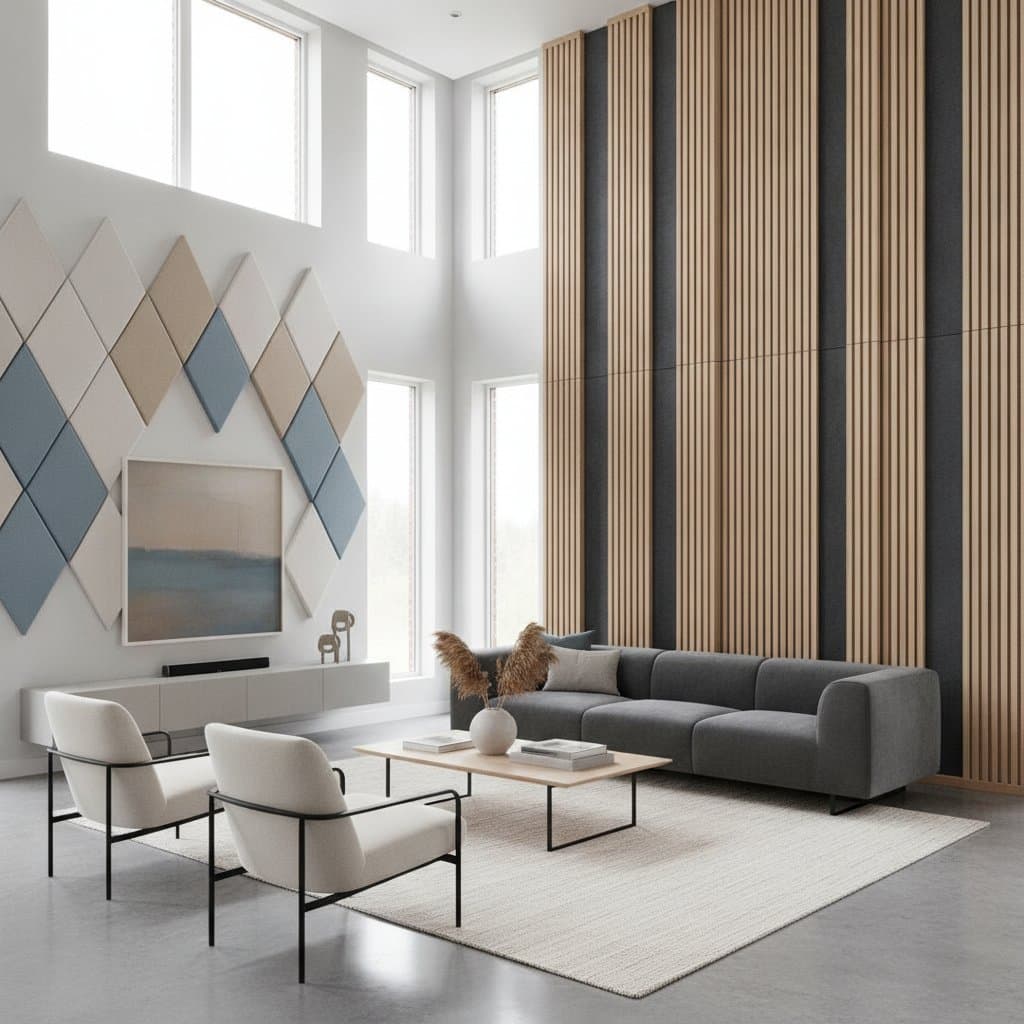
Acoustic textiles appear in subtle neutrals, bold patterns, and custom prints. Some receive laser cutting into geometric shapes that function as art installations. In minimalist settings they blend into the background. In eclectic rooms they add visual rhythm.
Daily Integration
Once installed, acoustic textiles fit seamlessly into daily routines. They require no special attention yet improve television clarity, soften a dog bark, and make family chatter more pleasant. A light vacuum or gentle brush keeps fibers clean. Check panel attachments and curtain movement every few months to preserve both appearance and performance.
Many residents extend the same calm to other areas with a fabric headboard, a felt pinboard in the home office, or a wool runner in the hallway.