Acoustic Panels: Soundproof Walls as Stylish Art
Consider the sharp clang of a dropped pot lid echoing through the home, or the distracting thuds of footsteps overhead during work hours. These scenarios highlight the need for acoustic panels, which extend beyond recording studios to become essential home improvements. These panels provide functionality while offering visual appeal, functioning as artwork that quiets, calms, and elevates spaces.
Traditional soundproofing remained concealed behind drywall or beneath carpets. Contemporary panels emerge prominently, mounted as sculptural decor on walls. Their progression from basic fabric forms to textured, vibrant, and personalized options positions them as integral design elements. Homes achieve acoustic excellence alongside visual harmony.
Why Acoustic Panels Matter
Persistent noise contributes to fatigue, elevating stress and disrupting even attractive interiors. Acoustic panels capture sound waves, rendering rooms softer and more intimate. This effect proves most evident in areas with high ceilings, open floor plans, or reflective surfaces such as tile and glass. Installed panels clarify speech, enrich music playback, and eliminate reverberations.
Modern iterations integrate seamlessly as artistic or architectural features. Sound benefits arrive without stylistic compromise. Designers employ them creatively to infuse comfort into daily environments, as detailed in the following approaches.
Six Strategies for Integrating Sound Control with Design
1. Textured Wall Panels as Artistic Elements
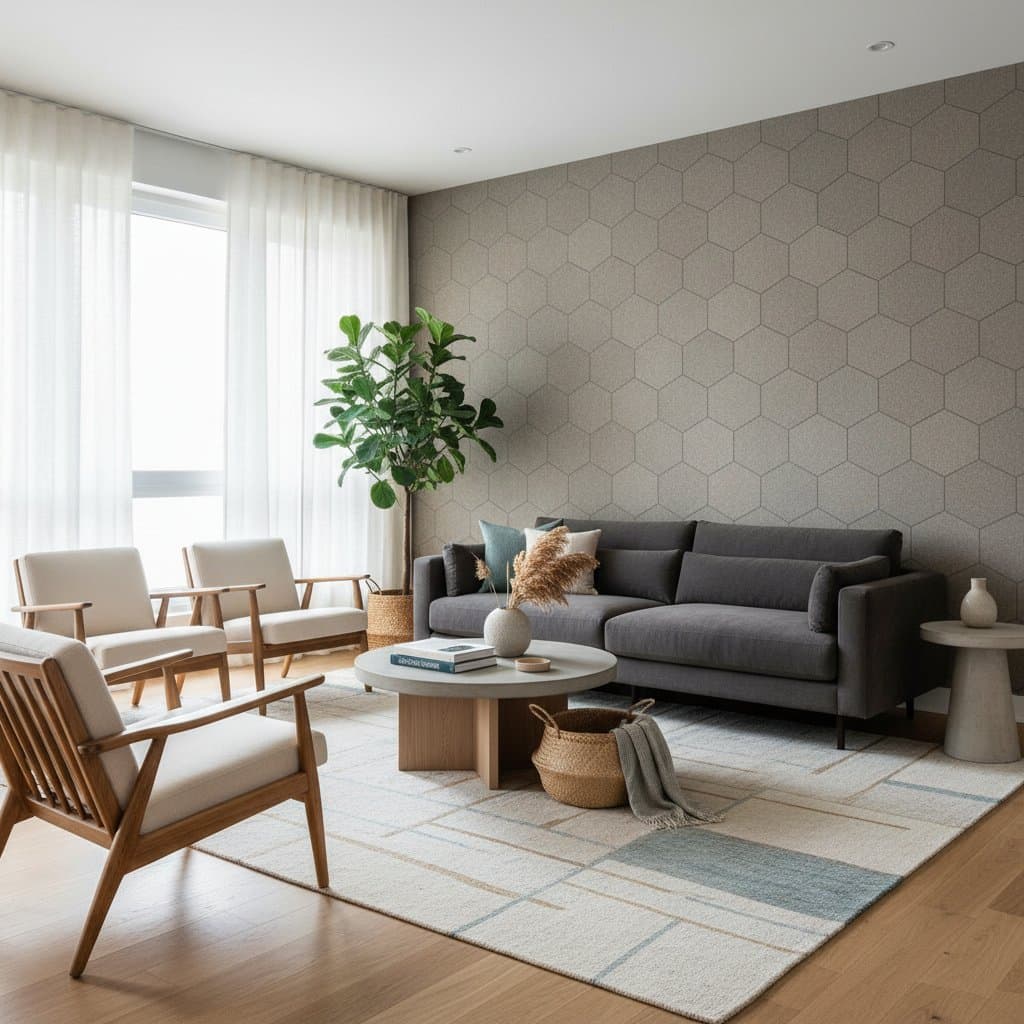
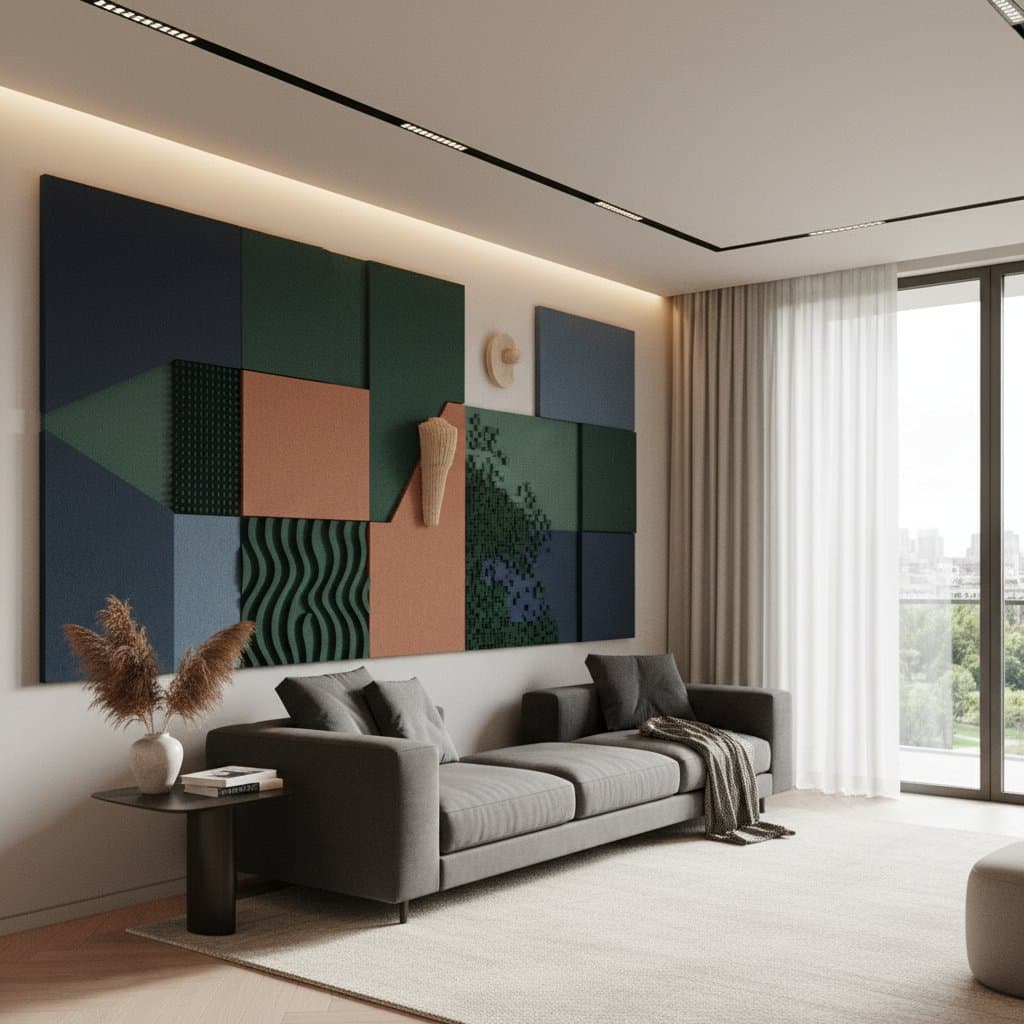
Visualize walls adorned with gentle geometric contours that interact with light, resembling molded textiles. These panels masquerade as feature walls while controlling reverberations. Constructed from felt, wool, or recycled polyester, they form hexagons, undulating waves, or petal motifs arranged mural-style. Texture introduces dimension, and the composition dampens noise.
Homeowners report that such installations spark inquiries from visitors. The revelation that these forms maintain acoustic tranquility adds intrigue to the decor.
2. Fabric-Wrapped Panels Featuring Custom Imagery
Select a cherished artwork or photo and transfer it onto sound-absorbent fabric. These panels accommodate any motif, hue, or scheme. They form gallery arrangements that enhance auditory quality discreetly. A sound-trapping core underlies the fabric exterior.
Such solutions suit open living areas, media rooms, or professional spaces demanding character and efficacy. Panels permit future updates to align with evolving tastes, delivering perceptible auditory improvements.
3. Wood Slat Panels for Warmth and Visual Rhythm
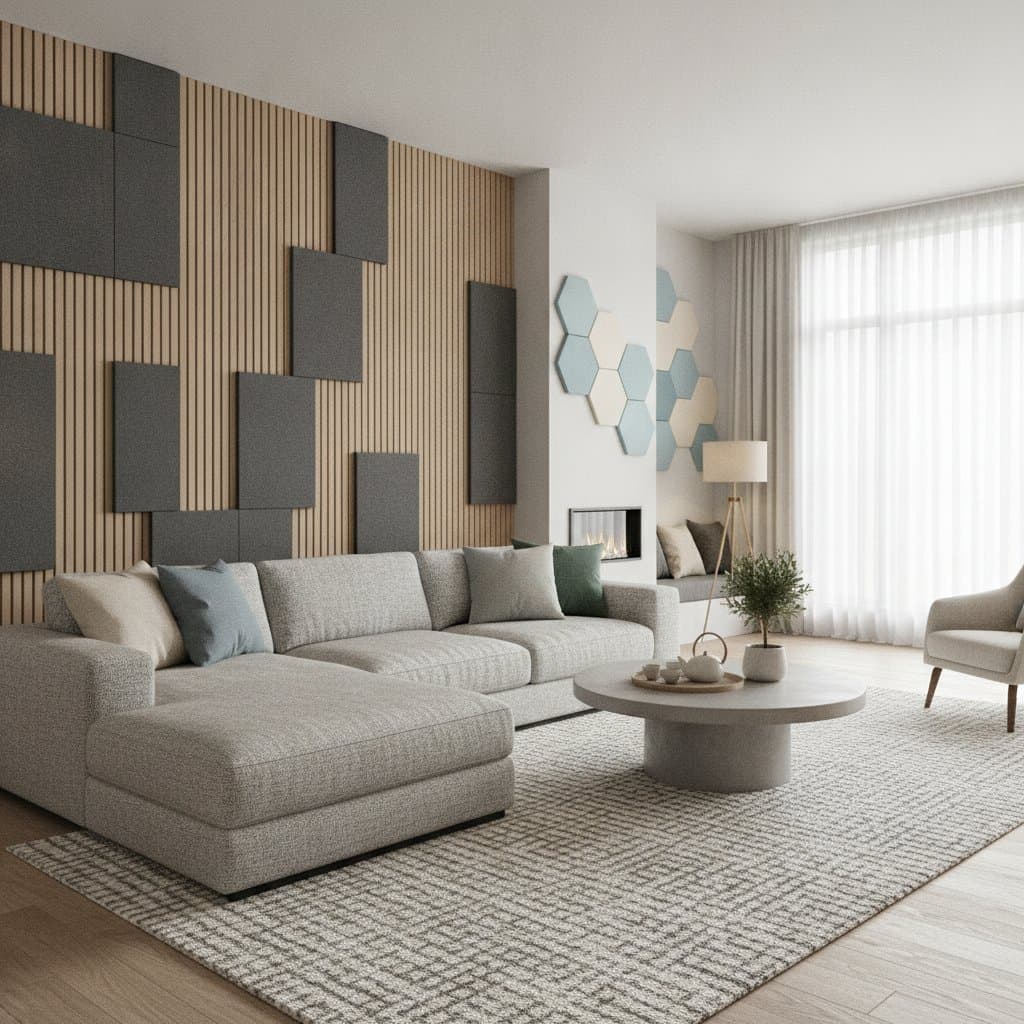
Wood slat configurations gain prominence in design for their ability to introduce pattern and break monotonous expanses. With acoustic underlayment, they excel at sound mitigation. The outcome yields walls that convey sophistication and stability.
Opt for oak to evoke Nordic simplicity or walnut for deeper ambiance. Vertical orientation extends perceived height; horizontal aligns broaden visual width. Wood's inherent warmth combined with noise reduction encourages prolonged stays in previously resonant areas.
4. Suspended Ceiling Clouds for Overhead Dampening
Noise reflects from ceilings as readily as walls. Acoustic clouds suspend just below the surface, producing a levitated appearance. They address sound in kitchens, dining zones, or workspaces without altering wall treatments.
Shapes range from circular and elliptical to streamlined rectangular. Upholstery in vibrant textiles or subdued tones integrates with surroundings. Installation adjusts the room's overall sonic character, moderating external clamor while preserving spatial openness.
5. Modular Tiles for Customizable Arrangements
Individuals seeking versatility benefit from modular acoustic tiles in varied forms and shades. These enable personalized mosaics, from gradual fades to striking contrasts. Adhesive application simplifies setup, with options for reconfiguration.
Renters or frequent updaters find them practical. Beyond aesthetics, tiles sharpen audio precision, such as in remote work settings where virtual meetings gain clarity over echoes. Modularity offers swift enhancements with minimal permanence.
6. Concealed Integrations within Architectural Features
Subtlety defines superior design in some contexts. Concealed acoustics embed into cabinetry, perforated screens, or padded surfaces. They preserve clean lines while refining the sonic atmosphere.
Minimalist or elegant settings favor this method for unobtrusive tranquility. Slatted barriers or taut fabrics disguise the panels as structural components. Occupants sense the calm without identifying its source.
Designer Perspectives on Acoustic Innovation
Professionals value acoustic panels for their dual role in utility and ingenuity. They facilitate surface modulation, geometric exploration, and sensory richness. Materials frequently incorporate eco-friendly elements like reclaimed fibers or wool, supporting acoustic gains with reduced ecological impact.
These elements foster emotional ease. Diminished noise promotes relaxation, smoother dialogue, and immersive audio. Spaces gain purpose through deliberate acoustic tuning, granting control over auditory experiences.
Efficient Installation for Lasting Impact
Acoustic panels deliver rapid transformations without extensive overhauls. Most adhere directly to walls or ceilings, requiring mere hours. A resonant dining area evolves into an acoustically equilibrated zone conducive to thoughtful exchange.
Tangible Advantages Extending to Acoustics
- Enhanced Concentration: Minimized reverberation alleviates cognitive strain, particularly in hybrid work environments.
- Superior Rest: Attenuated bedrooms facilitate mental decompression.
- Refined Entertainment: Films and tracks acquire precision and immersion.
- Increased Confidentiality: Discussions remain localized, avoiding spillover.
- Aesthetic Enhancement: Panels introduce vibrancy, motifs, or coziness to barren surfaces.
These outcomes compound, cultivating pervasive serenity. The shift registers subtly yet profoundly.
Cultivating Harmony Through Texture and Silence
Awareness of sonic dynamics in residences alters perception permanently. Rigid flooring, transparent partitions, and glossy walls amplify sound akin to light on mirrors. Panels interrupt these patterns, dispersing noise softly.
Homeowners may adjust media volumes lower or forgo additional softening layers. Panels shoulder the acoustic burden effectively.
Texture links utility to elegance. Felt's suppleness, wood's grooves, fabric's weave, or plaster's contours all mitigate or redirect sound. Blend elements for unified layering; pair a plush seating piece with slatted accents and fibrous flooring to achieve sonic equilibrium. Aim for balanced resonance over absolute quiet.
Aligning Acoustics with Aesthetic Vocabularies
Panels adapt to diverse styles. In urban lofts, expansive gray rectangles inject intensity while curbing resonance. Coastal retreats employ linen in neutral sands for seamless fusion. Vibrant grids in gem shades elevate walls to dynamic canvases.
Illumination enhances effects; directed beams cast shadows that accentuate contours. Light-surface dynamics impart depth sans excess.
Implementing Acoustic Enhancements
To initiate, pinpoint resonant hotspots like kitchens, communal areas, corridors, or workspaces. Determine if panels should accentuate or recede into the scheme.
Follow these steps:
- Evaluate Acoustics. Generate a clap or moderate audio; persistent ring indicates treatment needs.
- Select Materials. Felt, textiles, timber, or synthetics vary in tactility and efficacy.
- Determine Positions. Align wall units at listening levels or above activity centers; ceiling placements target focal zones.
- Layer Treatments. Pair panels with floor coverings, drapery, or cushioned pieces for comprehensive control.
- Consult Experts. Acoustic advisors optimize coverage for peak performance.
Partial application suffices; targeted placements resolve primary issues. Focus on equilibrium over eradication.
Experiencing Acoustic Refinement
Post-installation, auditory shifts emerge promptly. Routine sounds mellow; utensil impacts recede; discourse warms. Ambient cadence eases.
Design converges with wellness here. Panels underscore that ease encompasses auditory realms alongside visual and tactile. They craft inviting refuges for attentiveness, repose, and interaction. Each contributes to orchestrated habitations.
Walls as artistry and therapy mark elevated intentionality. Serenity attains visual splendor.