Acoustic Panels: Art That Silences Your Living Room
Imagine stepping into your living room after a long day. You seek relaxation, yet the faint hum of traffic, echoes of conversation, or sharp clatter from the kitchen prevent unwinding. You increase the television volume, but the sound only intensifies the chaos. The solution to this frustration can transform your space into a gallery-worthy retreat. Acoustic panels merge art with function to turn noise into calm.
The Hidden Challenge of Everyday Noise
Many homeowners overlook how ambient noise affects comfort at home. The living room often contains hard surfaces such as tile floors, glass windows, and sleek furniture. These elements create an echo chamber where sound bounces repeatedly. Even small rooms can seem loud as voices reverberate or television audio distorts. This constant stress diminishes the sanctuary feeling your home should offer.
Open-concept layouts, high ceilings, and minimalist designs exacerbate the issue. Without sufficient sound-absorbing materials, the room may appear beautiful yet sound harsh. Acoustic panels provide a refined solution to restore balance without sacrificing style. Modern versions move beyond dull foam squares from recording studios. They feature shapes, fabrics, and finishes that rival fine art.
The Appeal Lies in the Blend of Form and Function
Acoustic panels absorb sound waves to reduce echoes and control reverberation. The underlying science proves simple yet effective. Sound striking a hard surface reflects and creates layered noise. Panels constructed from dense, porous materials such as mineral wool or acoustic foam capture those waves. The sound energy dissipates instead of bouncing, resulting in a softer, clearer environment.
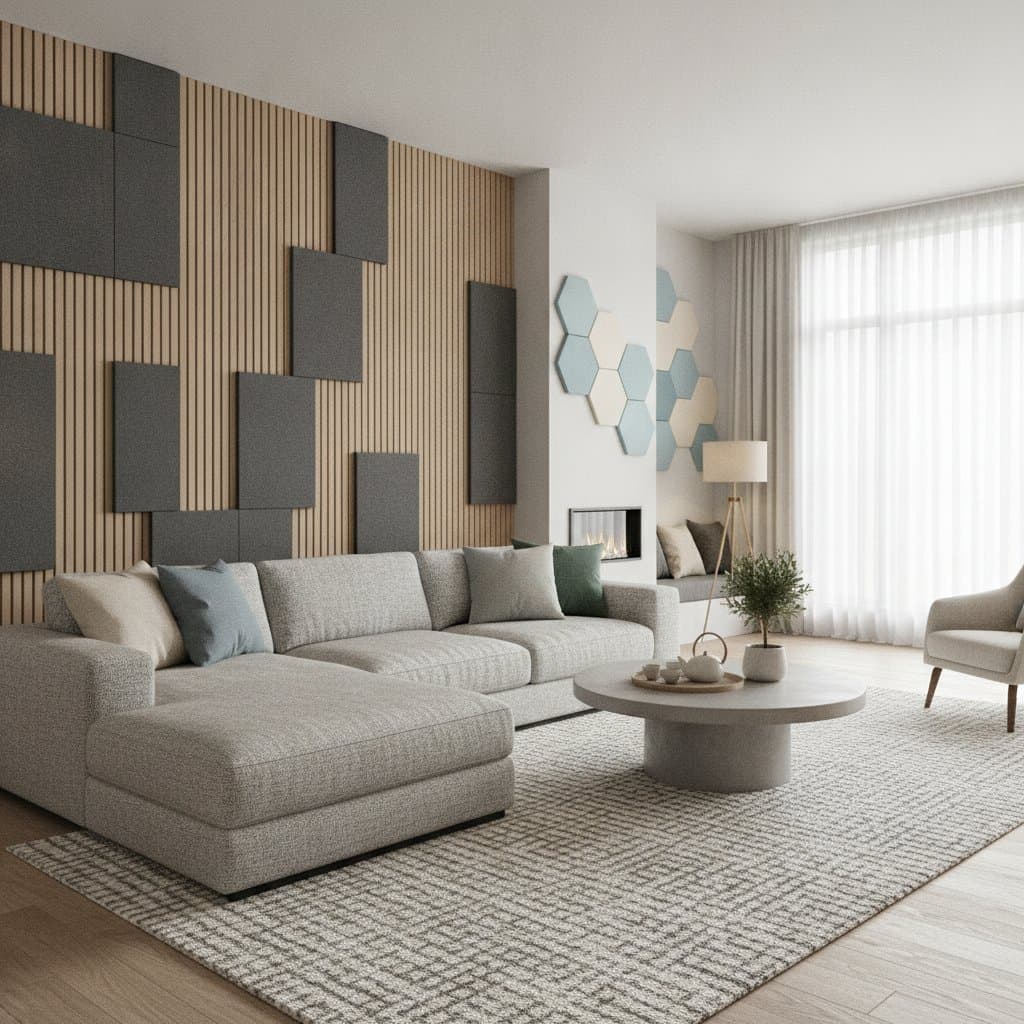
The true appeal emerges in how these panels integrate with your space. Whether you envision a minimalist Scandinavian retreat or a cozy urban loft, acoustic panels align with your aesthetic. They resemble abstract artwork, fabric wall hangings, or textured wood installations. The focus extends beyond quieting the room to elevating the overall decor.
Exploring Your Options
Several types of acoustic panels exist, each offering distinct benefits and installation approaches. Consider these popular categories:
-
Fabric-Wrapped Panels
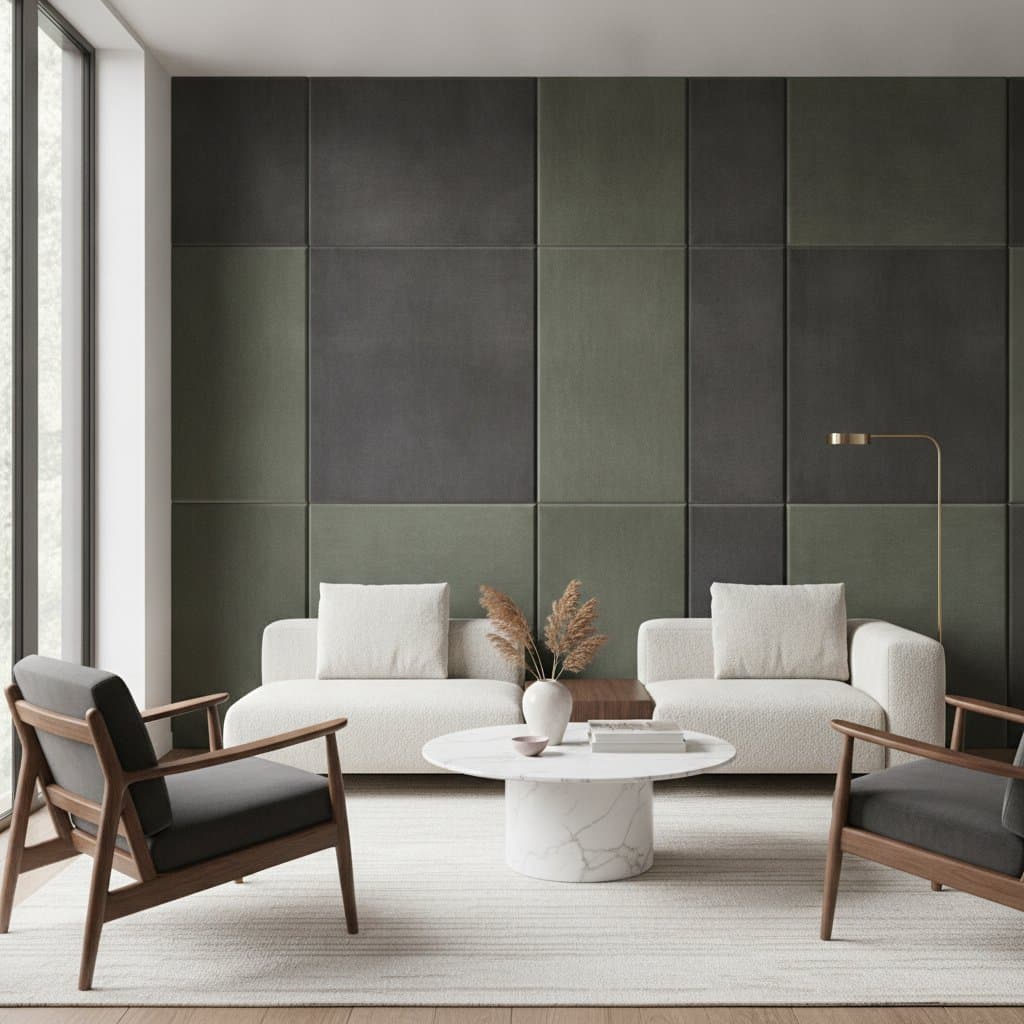
These panels suit residential settings well. A solid core wraps in customizable fabric for color, pattern, or texture. The fabric permits sound passage while providing a soft, decorative element. Position them behind sofas or in large wall arrays for optimal effect. -
Artistic Printed Panels
These options appeal to those seeking dual-purpose soundproofing and wall art. They display photographic images, abstract designs, or subtle gradients. The printed surface conceals functionality while infusing personality into the living room. -
Wood Slat Panels
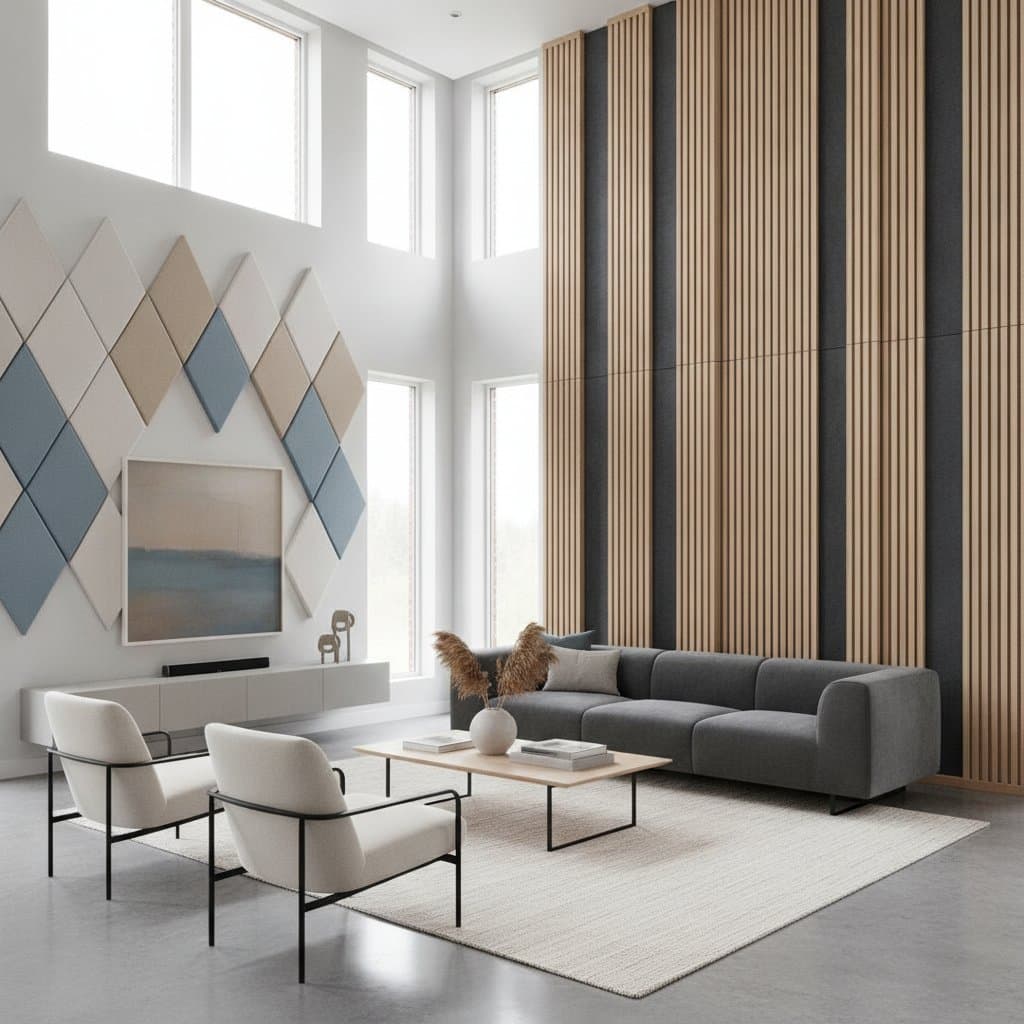
Popular in modern designs, these combine wood strips with acoustic felt backing. They deliver natural warmth alongside sound absorption. Install them on feature walls or ceilings for a striking look, especially in coastal or rustic homes where texture matters. -
Modular Acoustic Tiles
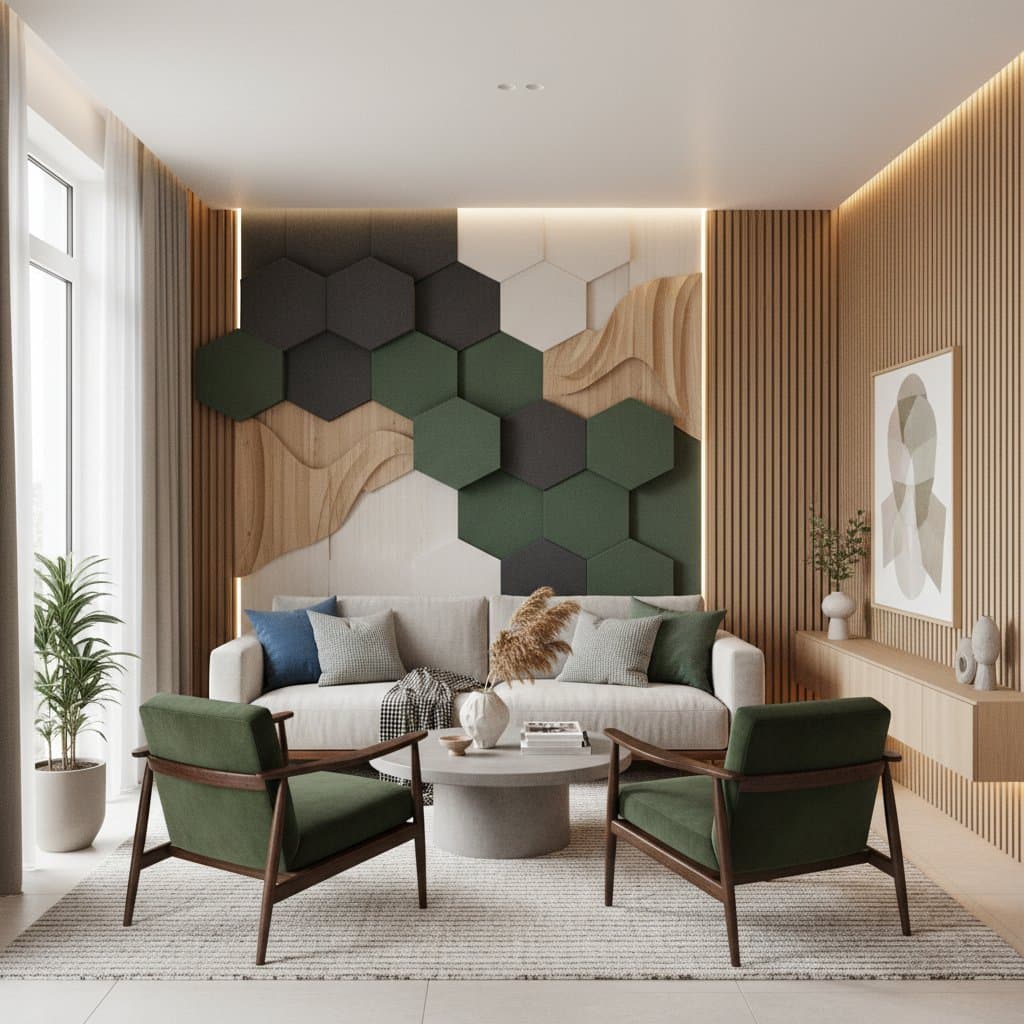
These smaller, geometric tiles arrange like a puzzle for custom patterns. They suit renters or those desiring flexibility, as removal or repositioning occurs easily. -
Ceiling Clouds and Baffles
High ceilings allow sound to linger overhead. These ceiling-mounted panels, known as clouds or baffles, capture that echo. They introduce dramatic architectural interest while enhancing acoustics.
Step-by-Step: Designing a Quieter Living Room
Transform your living room into an acoustic oasis with a plan that balances aesthetics and performance.
-
Assess Your Space
Walk through the room and clap once. Note how long the sound persists. Spaces with significant reflection require greater absorption. Identify hard surfaces like glass, tile, or bare walls. -
Identify Problem Zones
Corners, high ceilings, and large blank walls often produce echoes. For entertainment systems, target the wall behind the television first. -
Choose Your Style
Determine if panels should blend seamlessly or serve as focal art. Consider existing colors and textures in furniture and flooring. -
Measure and Plan Placement
Strategic positioning enhances performance over random placement. Align panels at ear level for seated listeners or distribute evenly across walls. -
Select Materials and Finishes
Opt for fabric textures like linen or wool to add softness and sophistication. For a natural appearance, select wood slats or woven bamboo. Combine materials to create layered visual interest. -
Install Safely
Use adhesive strips for some panels or brackets and screws for others. Follow manufacturer guidelines and employ a level for alignment. Consult a local contractor specializing in acoustics if uncertain.
Practical Considerations Before You Begin
Design decisions involve trade-offs, including acoustic treatments. Keep these elements in mind:
-
Budget Range:
Basic fabric panels begin at a modest price per square foot. Designer wood or printed versions reach premium costs. A full living room setup ranges from a few hundred dollars for DIY kits to several thousand for custom work. -
Maintenance:
Most panels require simple upkeep. Vacuum gently or dust regularly to maintain cleanliness. Steer clear of harsh cleaners that might harm fabric or finishes. -
Safety and Materials:
Choose panels with low-VOC adhesives and fire-rated components, particularly near light fixtures or heating vents. -
Permits and Building Codes:
Residential projects rarely need permits for acoustic panels. For ceiling or structural installations, verify with your local building department. -
Installation Time:
Complete small projects in an afternoon. Customized layouts may span a few days, accounting for adhesive drying or paint touch-ups.
For hands-off installation, utilize a free contractor-matching service. It links you with vetted local experts knowledgeable in design and acoustics. This ensures your panels perform and appear as intended.
Enhancing the Aesthetic Experience
Acoustic panels extend beyond noise reduction to shape the living room mood. Picture panels in deep charcoal for a cinematic media area or natural linen that merges with sunlit walls for a serene reading nook. Selected colors and textures influence light play, crafting atmosphere alongside sound control.
Bold designs benefit from grouping panels in varying sizes for a collage effect. Frame them with narrow wood trim or add LED backlighting for evening glow. Balance acoustic coverage with visual rhythm to integrate panels into your home narrative.
Sustainable and Local Choices
Numerous manufacturers provide eco-friendly options from recycled fibers or sustainably sourced wood. Selecting local suppliers minimizes environmental impact and enables in-person sampling of fabrics and finishes. Local artisans can produce custom frames or prints that capture your region's essence, infusing the living room with place-specific peace.
Bringing It All Together
Installation yields an immediate transformation. Conversations gain intimacy, music clarifies, and silence offers gentle comfort. The living room reclaims its role as a restorative retreat, visually appealing and emotionally nurturing. Family members may spend more time there, drawn by the hush that fosters connection over distraction.
Explore styles that resonate with you to begin. Visit design showrooms, compare samples, or seek guidance through a contractor-matching service. A professional advises on density, placement, and finishes tailored to your acoustics and decor. Sound remains invisible, yet its power endures. Thoughtful design lets you harness it, rendering your living room a haven where every sound serves purpose and silence evokes artistry.