Acoustic Panels: Artful Luxury for Quiet Living Rooms
Excessive noise in a living room disrupts relaxation as much as visual clutter. Sounds from appliances, echoing conversations, or footsteps from upper levels erode tranquility. A living room deserves to soothe the senses rather than overwhelm them. Acoustic panels provide an effective solution to reclaim peace while introducing elegant design elements. Previously limited to recording studios and theaters, these panels now integrate seamlessly into residential spaces, complementing styles from sleek minimalism to warm traditionalism.
Achieving quiet elevates a space to luxurious status, and intentional design ensures it appears that way as well.
Why Sound Control Enhances Living Room Comfort
Living rooms serve as hubs for family interactions, entertainment, and daily routines. Discussions, television audio, pet movements, and ambient life sounds all accumulate in this central area. Materials such as hardwood floors, large windows, and unpainted walls reflect these noises, leading to persistent echoes and auditory strain.
Acoustic panels capture sound waves to prevent reflection. This process yields a more balanced auditory environment that fosters relaxation and meaningful exchanges. With reduced background interference, speech becomes distinct, music gains depth, and the atmosphere promotes genuine calm.
Innovations in Acoustic Panel Aesthetics
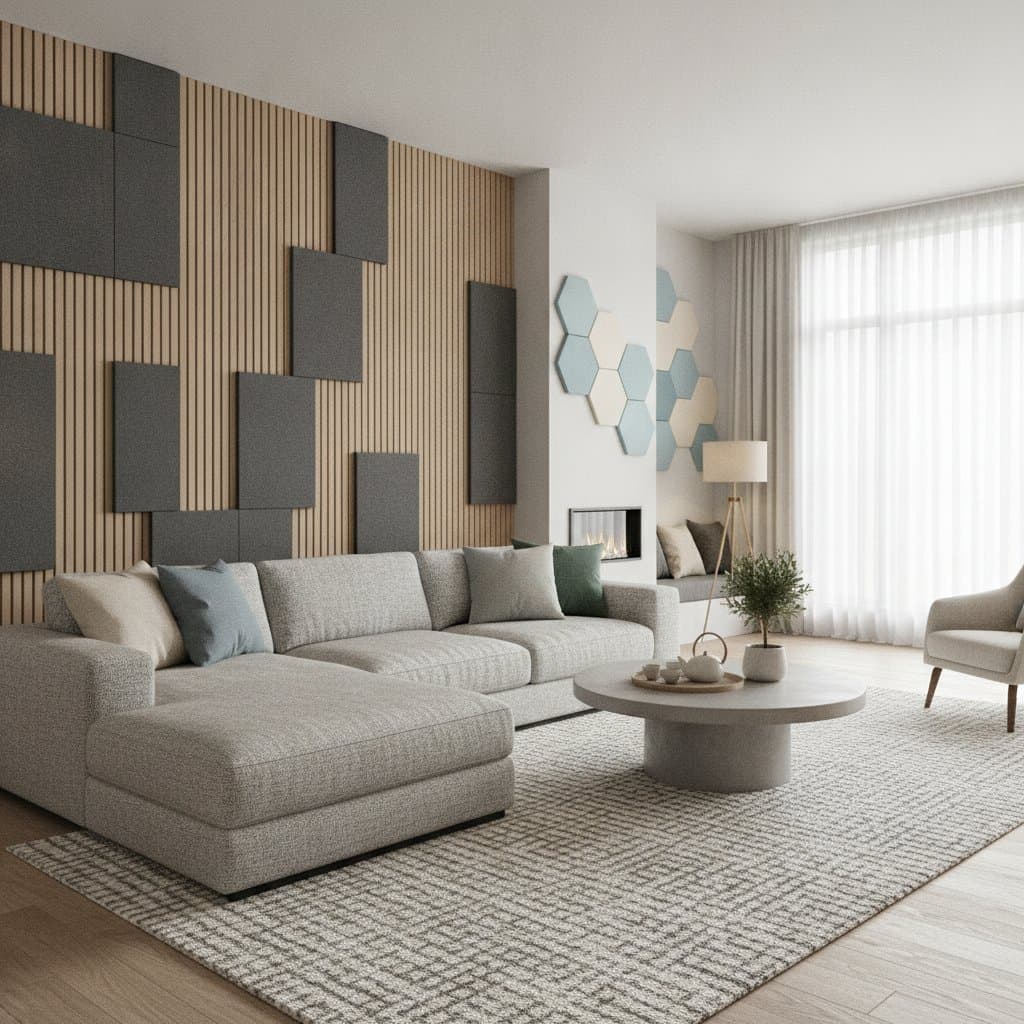
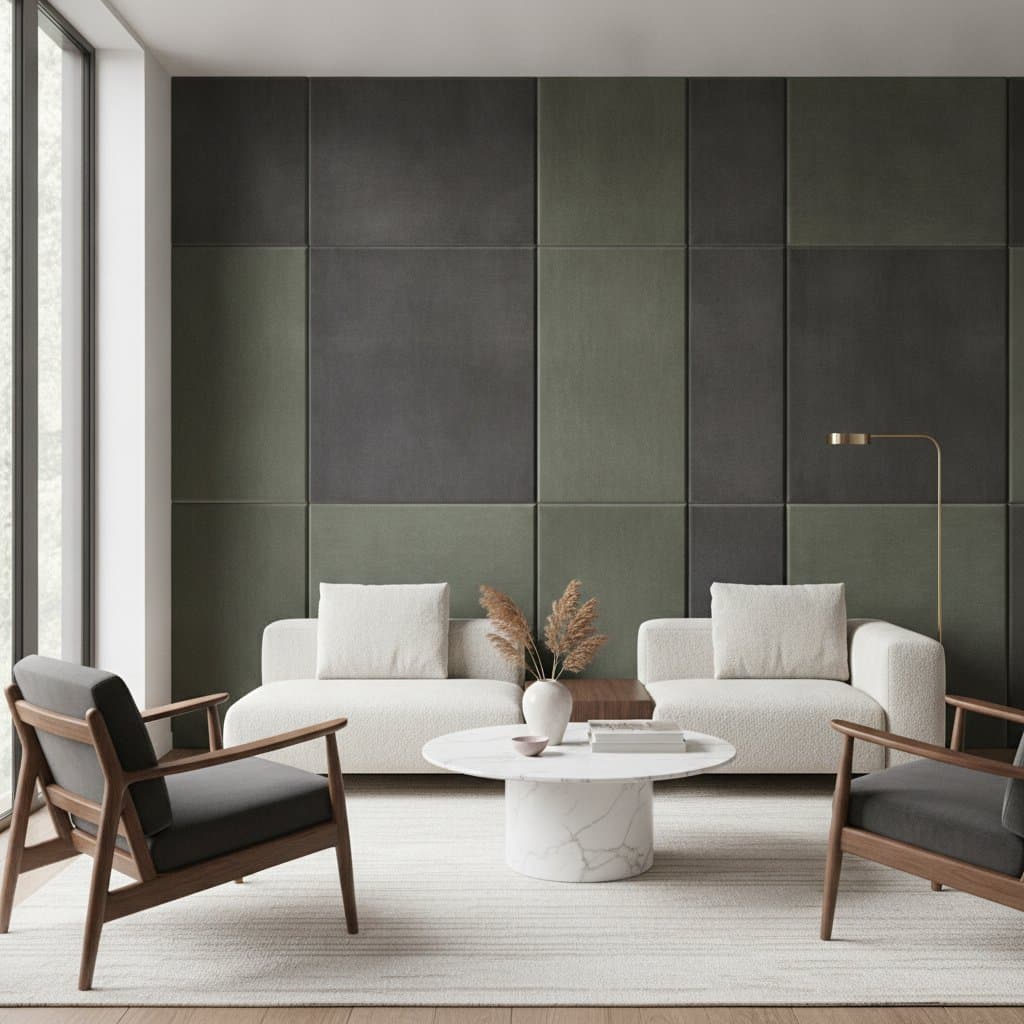
Contemporary acoustic panels transcend outdated utilitarian designs. Available in diverse fabrics, finishes, and configurations, they function as decorative accents. Options include canvas-wrapped frames resembling fine art, three-dimensional sculptures, or intricate textile weaves that add tactile interest.
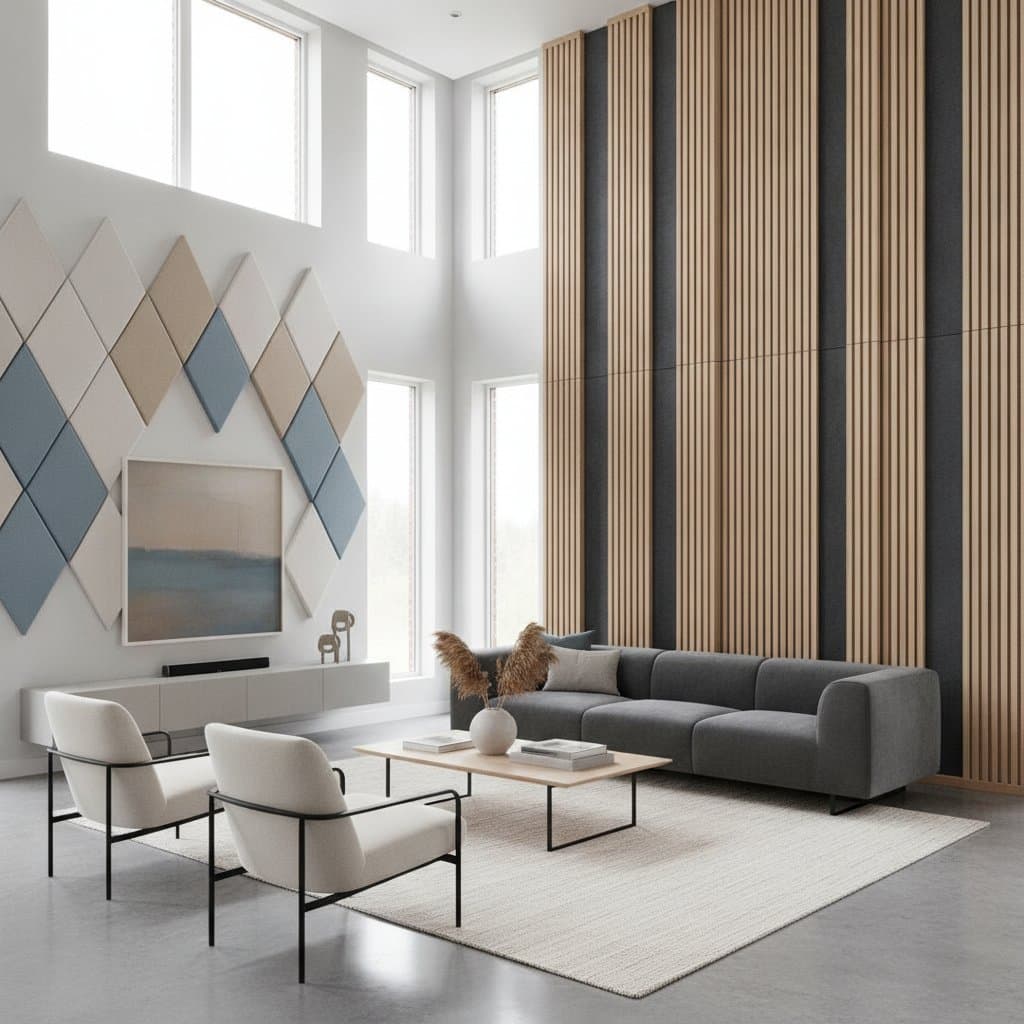
Installation possibilities range from grouped arrangements to bespoke wall murals. Select panels to harmonize with existing decor, such as matching upholstery tones or introducing complementary textures. Homeowners often position them as functional headboards or focal points above seating areas. Ultimately, these elements dampen noise while enriching the room's visual and spatial qualities.
Selecting Acoustic Panels Tailored to Your Living Room
Strategic choices ensure acoustic panels deliver both performance and style. Consider these steps to integrate them effectively.
1. Assess noise origins. Observe areas prone to reverberation, such as expansive open layouts, high ceilings, or reflective surfaces like glass. This analysis guides placement priorities.
2. Select materials aligned with interior themes. Options like dense felt provide modern minimalism, wool offers natural warmth, cork adds organic texture, and fabric coverings enable custom upholstery matches. Each material absorbs sound efficiently while enhancing decor cohesion.
3. Weigh performance against visual impact. Larger panels cover more surface area for superior absorption, ideal for high-noise zones. Smaller units allow for creative arrangements, such as geometric mosaics, to prioritize artistic expression.
4. Optimize positioning for maximum effect. Target walls that redirect sound toward occupants, including those behind seating or facing media setups. In vaulted or open-concept areas, ceiling-mounted options address vertical sound paths.
5. Integrate color and lighting considerations. Subtle neutrals ensure subtlety, blending with surroundings. Vibrant hues or metallic accents create statement features. In low-light rooms, lighter tones reflect illumination to maintain brightness.
Implementing Acoustic Improvements Gradually
Approach sound enhancement as an incremental process, avoiding comprehensive overhauls. Begin modestly and refine based on results.
-
Incorporate foundational soft elements. Thick area rugs, floor-to-ceiling drapes, and plush upholstery naturally mitigate echoes. Evaluate the room's acoustics after these additions to gauge initial improvements.
-
Introduce panels to problem areas. Install a set on the most resonant wall, such as one opposite a conversation zone. Pause to experience the shift in sound clarity post-installation.
-
Scale up strategically. If the initial change proves beneficial, extend coverage to adjacent surfaces. Aim for even distribution to achieve uniform acoustic balance without over-dampening.
-
Vary forms for dynamic appeal. Uniform squares promote structured elegance, whereas circular or irregular shapes inject whimsy. Combine formats to suit the room's mood and layout.
These progressive adjustments refine serenity while preserving the space's inherent character.
Addressing Challenges in Acoustic Panel Adoption
Integrating with existing aesthetics. Opt for panels that emulate beloved elements, such as gallery-style frames or basketry-inspired patterns. This approach ensures harmonious incorporation.
Simplifying setup processes. Most units feature self-adhesive backs or lightweight hardware, requiring tools no more complex than those for picture hanging. Professional assistance remains available for custom installations.
Managing budget constraints. Prioritize high-impact locations with a minimal number of panels. A targeted application often yields substantial acoustic gains without extensive expenditure.
Avoiding excessive muting. Effective design tempers reflections while preserving vibrancy. Conversations retain clarity, and media playback avoids distortion, resulting in comfortable rather than stifled acoustics.
Experiencing the Benefits of a Refined Soundscape
After integration, acoustic panels become unobtrusive enhancements, akin to well-chosen textiles or millwork. Subtle advantages emerge over time. Media volumes require less adjustment. Dialogues flow without competing resonances. Even solitary activities, like perusing a book, demand less mental effort.
A tempered environment encourages unhurried engagement. Residents may extend time in the space, opting for reflective pursuits over distractions. Freed from auditory overload, focus sharpens, and interpersonal bonds strengthen.
Steps to Integrate Acoustic Panels Today
To initiate this upgrade, dedicate time this week to auditory evaluation. Identify resonant zones and envision panel placements. Select a single surface for experimentation, sourcing samples in compatible materials.
Procure versatile options from reputable suppliers, focusing on customizable dimensions. Measure target areas precisely and test arrangements with temporary mounts. Track changes in comfort levels to inform further refinements.
Quiet represents intentional space, not absence. Acoustic panels cultivate this in living rooms, blending acoustic precision with visual allure. The result is an inviting sanctuary that nurtures well-being upon every return home.