Acoustic Panels: Art That Absorbs Home Noise
Consider the frustration of attempting focused work in a home office, only to be distracted by the distant hum of a washing machine or a neighbor's barking dog. Acoustic panels address this challenge effectively. Beyond their functional role, these panels now serve as striking visual elements, evolving far from the plain, utilitarian designs of the past into sophisticated features that enhance both sound quality and interior aesthetics.
This article examines the mechanics of acoustic panels, their rise in popularity among designers, and practical guidance for selecting options that align with specific spaces and personal tastes.
Evolution of Acoustic Design
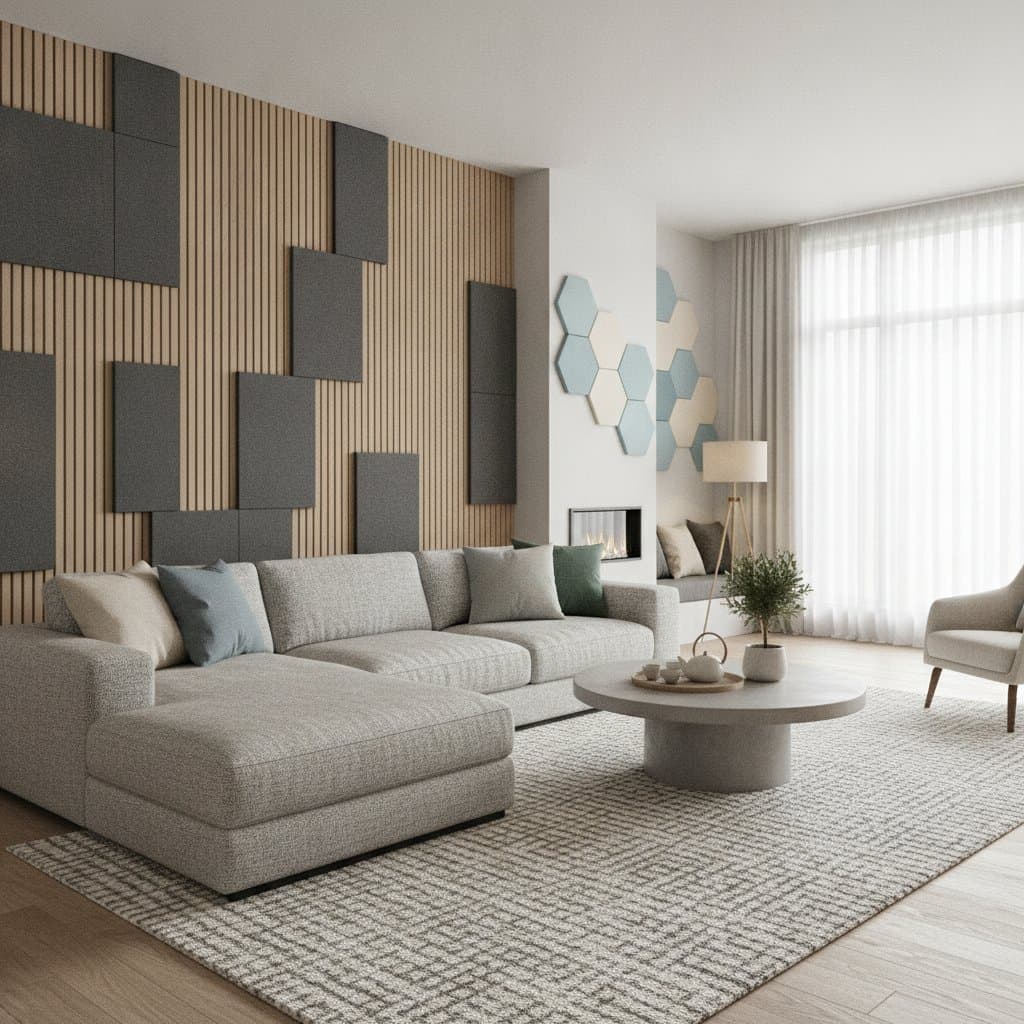
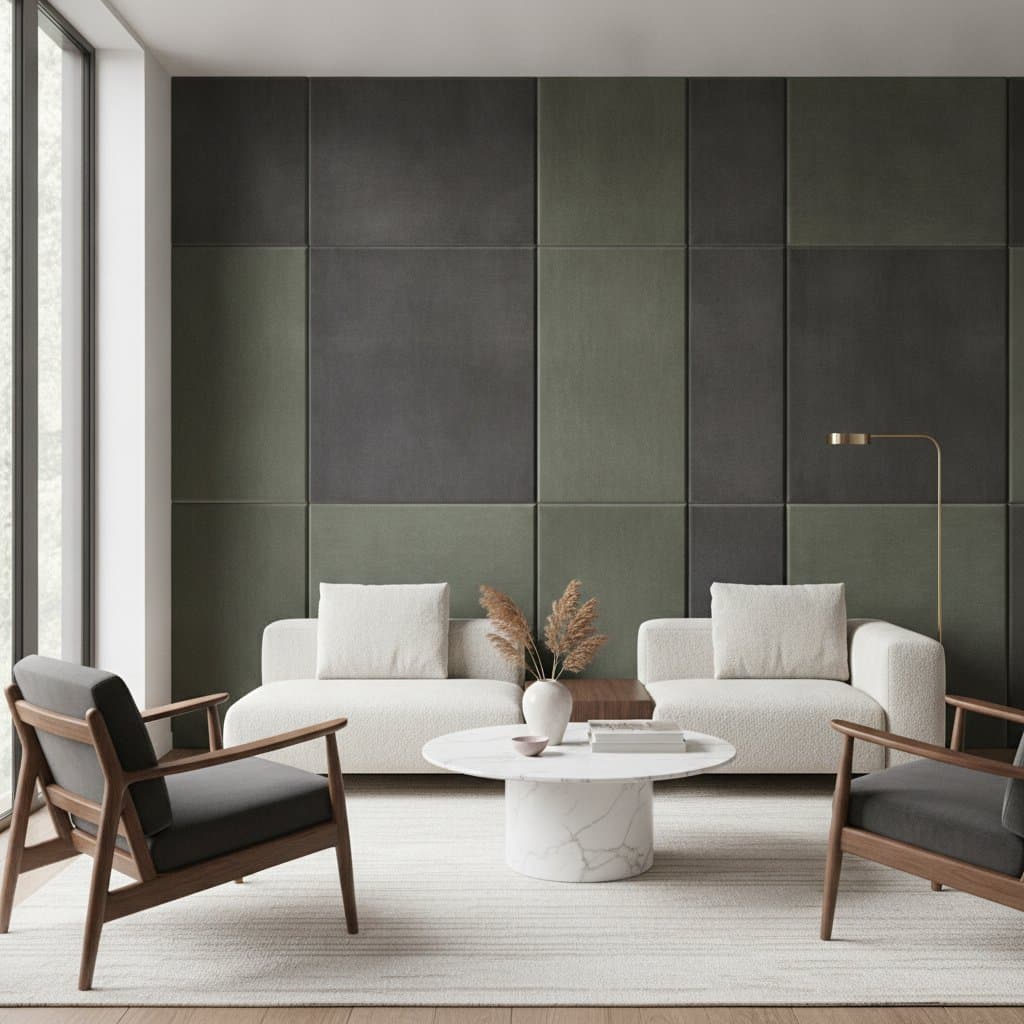
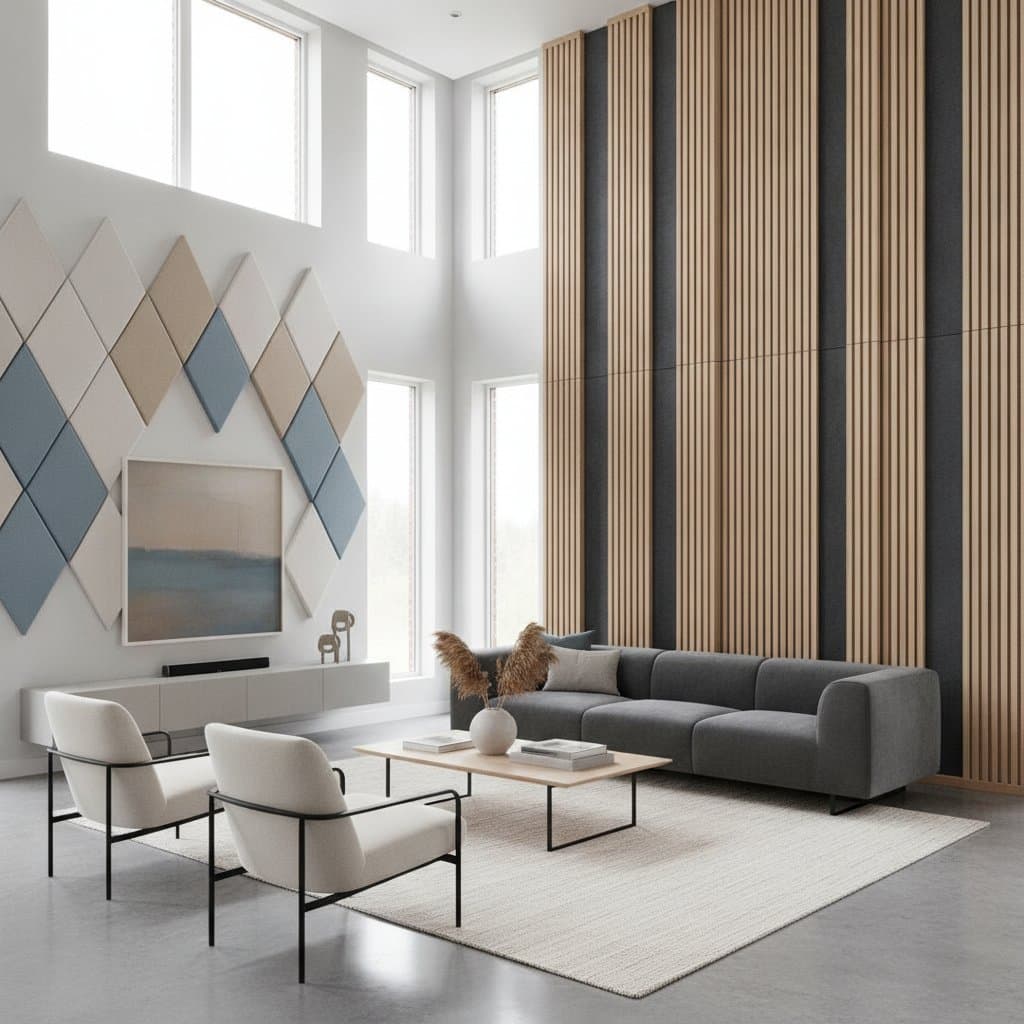
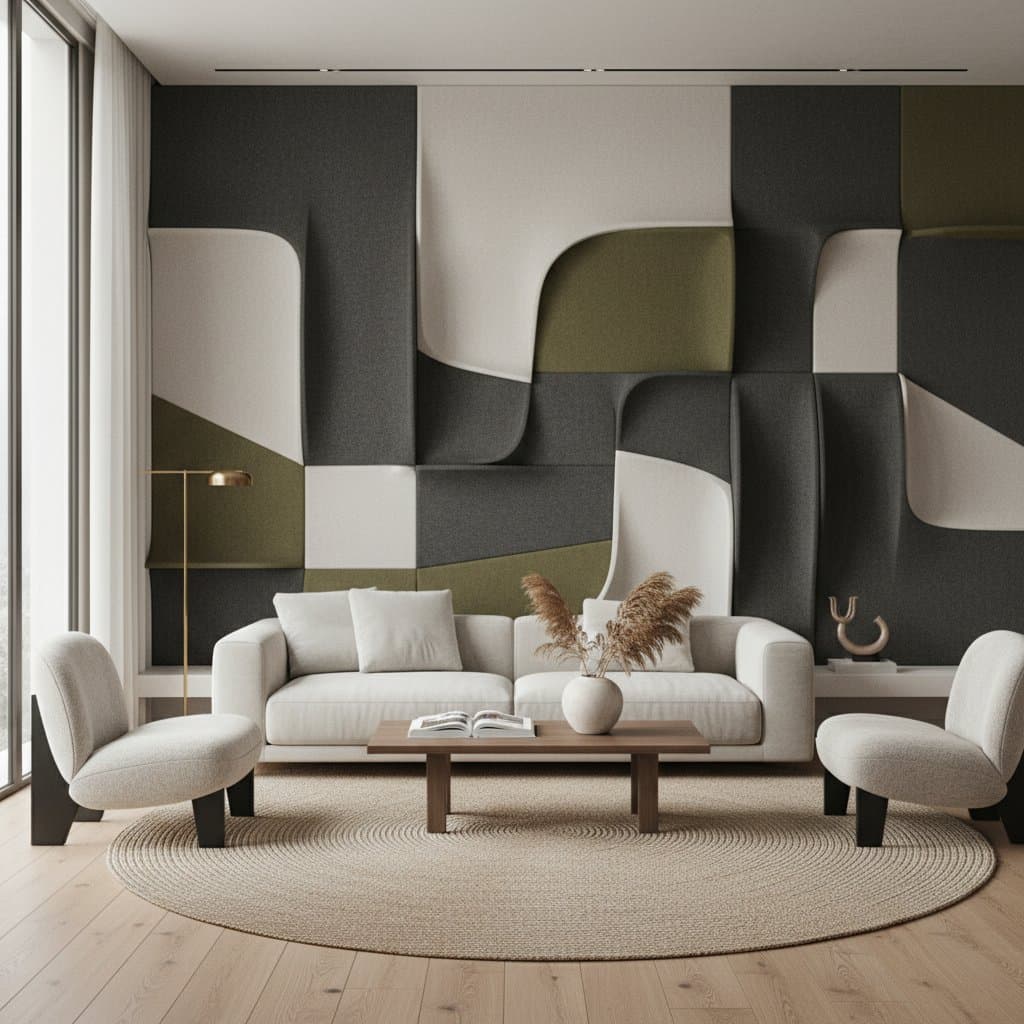
The appeal of modern acoustic panels lies in their integration of form and function. Designers position them prominently rather than concealing them in corners. Available in materials such as compressed felt, recycled wood fibers, cork, and natural wool, these panels emulate woven fabrics, sculptural forms, or abstract artwork.
In a spacious living area, geometric felt tiles can cover an entire wall, absorbing conversational echoes while resembling contemporary gallery pieces. In bedrooms, upholstered panels form headboards that provide sound insulation and evoke the luxury of high-end accommodations. Such applications demonstrate how acoustic solutions enhance visual harmony without sacrificing performance.
Principles of Sound Absorption
Acoustic panels function by trapping sound waves within porous materials, preventing reflection and reducing reverberation. High-density felts excel at capturing mid- and high-frequency noises, such as voices or appliance sounds. Wood slat designs, often paired with absorbent backings, manage lower frequencies and add architectural depth.
Placement plays a crucial role in effectiveness. Position panels on walls opposite noise sources or in areas with hard surfaces that amplify echoes. For optimal results, cover 20 to 30 percent of wall space in larger rooms, adjusting based on room volume and usage. Testing with a simple clap reveals untreated echoes, guiding strategic installation.
Selecting Acoustic Panels
Choose panels by evaluating room needs, material properties, and design compatibility. Identify high-noise zones first, such as open-plan kitchens or media rooms, to prioritize coverage.
Key Material Considerations
- Felt and Fabric Panels: These absorb a broad range of frequencies, ideal for offices or family areas. Opt for dense, non-woven felts for durability and ease of cleaning.
- Wood Slat Panels: Combine acoustic backing with wooden veneers for warmth. They suit modern or rustic interiors and effectively reduce echo in dining spaces.
- Cork Panels: Sustainable and naturally resilient, cork provides subtle absorption while offering a textured, organic look for eco-conscious homes.
Aesthetic and Installation Factors
Treat panels as design elements by selecting colors that complement existing decor. Neutral tones blend seamlessly, while bold hues create focal points. Arrange in patterns like grids for symmetry or clusters for organic flow; custom shapes from manufacturers allow precise fits.
For renters, adhesive-backed panels offer non-permanent solutions. Measure walls accurately and use leveling tools during installation to ensure professional results. Brands providing sample kits help preview visual impact before committing.
Maintenance for Lasting Performance
Acoustic panels demand minimal care to preserve both appearance and efficacy. Use a soft brush vacuum attachment weekly to remove dust from surfaces. For fabric varieties, spot-clean stains with mild soap and water, avoiding saturation that could compromise absorption.
Wood and cork options develop a natural patina over time, enhancing character without intervention. Modular systems facilitate updates: replace individual panels or reconfigure layouts as needs evolve. Proper ventilation prevents moisture buildup, extending panel lifespan to 10 years or more.
Benefits in Daily Living
After installation, subtle shifts become evident. Dialogues gain clarity without straining to hear. Media playback requires lower volumes, minimizing disturbance to adjacent rooms. Even ambient sounds, like footsteps or pet movements, soften, fostering a more restful atmosphere.
These panels cultivate environments that support productivity, relaxation, and social interaction. They underscore the value of sensory balance in home design, where reduced noise amplifies comfort and well-being. Begin with targeted applications, such as behind a workspace or along hallways, to experience incremental improvements that enhance overall living quality.