Acoustic Panels: Integrating Style and Sound Control
Consider the frustration of a home office where every keystroke echoes, or a dining area where conversations blur into background noise. Acoustic panels address these issues by absorbing sound waves and reducing reverberation, creating environments that feel more focused and inviting. These solutions combine functional benefits with aesthetic appeal, allowing homeowners to enhance both acoustics and interior design without compromise.
Understanding the Role of Sound in Interior Spaces
Sound influences the perception of a room as profoundly as visual elements do. Excessive echo from hard surfaces like concrete floors or glass windows can make spaces feel larger yet emptier, leading to fatigue during extended stays. Conversely, overly muffled areas may suppress natural vibrancy. Acoustic panels achieve equilibrium by selectively absorbing mid-to-high frequency sounds, ensuring voices carry clearly while ambient noise diminishes. This balance fosters comfort, making rooms suitable for relaxation, work, or social gatherings.
Homeowners often overlook acoustics during renovations, yet simple interventions yield measurable improvements. For instance, in open-plan layouts common in modern homes, untreated sound can amplify distractions. Panels mitigate this by targeting reflection points, such as walls opposite noise sources, resulting in spaces that support productivity and tranquility.
Selecting Acoustic Panels for Design Harmony
Effective acoustic treatment requires panels that align with existing decor while delivering performance. Materials vary in absorption rates, measured by the Noise Reduction Coefficient (NRC), which indicates how much sound a surface absorbs. Panels with an NRC of 0.8 or higher provide substantial control without altering room volume. Placement matters: position them at ear height or on ceilings to intercept sound paths efficiently.
To integrate panels seamlessly, evaluate room dimensions and usage. A 200-square-foot living room might benefit from 10 to 20 percent wall coverage, adjustable based on furnishings. Professional acousticians recommend testing with a sound meter app before full installation, ensuring targeted application.
Exploring Panel Types and Applications
Acoustic panels come in diverse forms, each suited to specific aesthetics and functional needs. Below are detailed options, including installation considerations and performance insights.
-
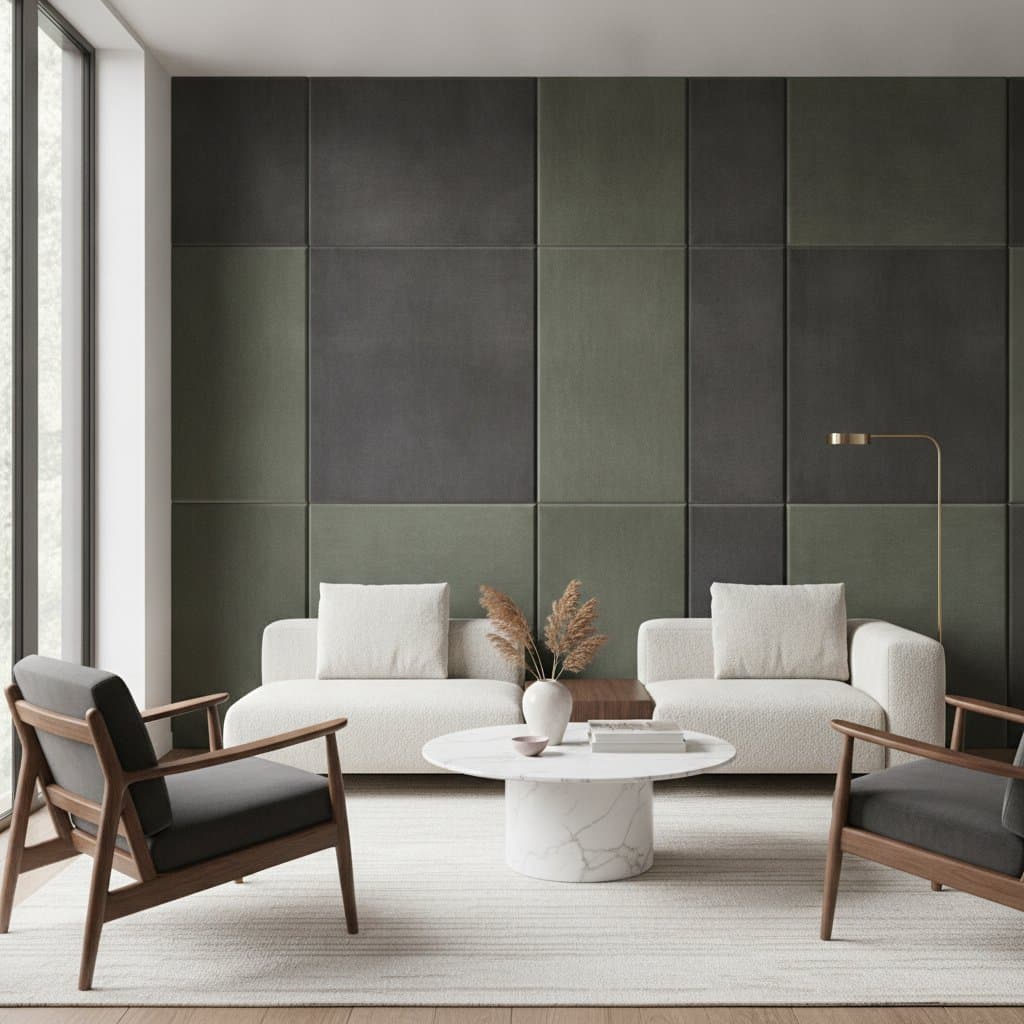
Fabric-Wrapped Panels
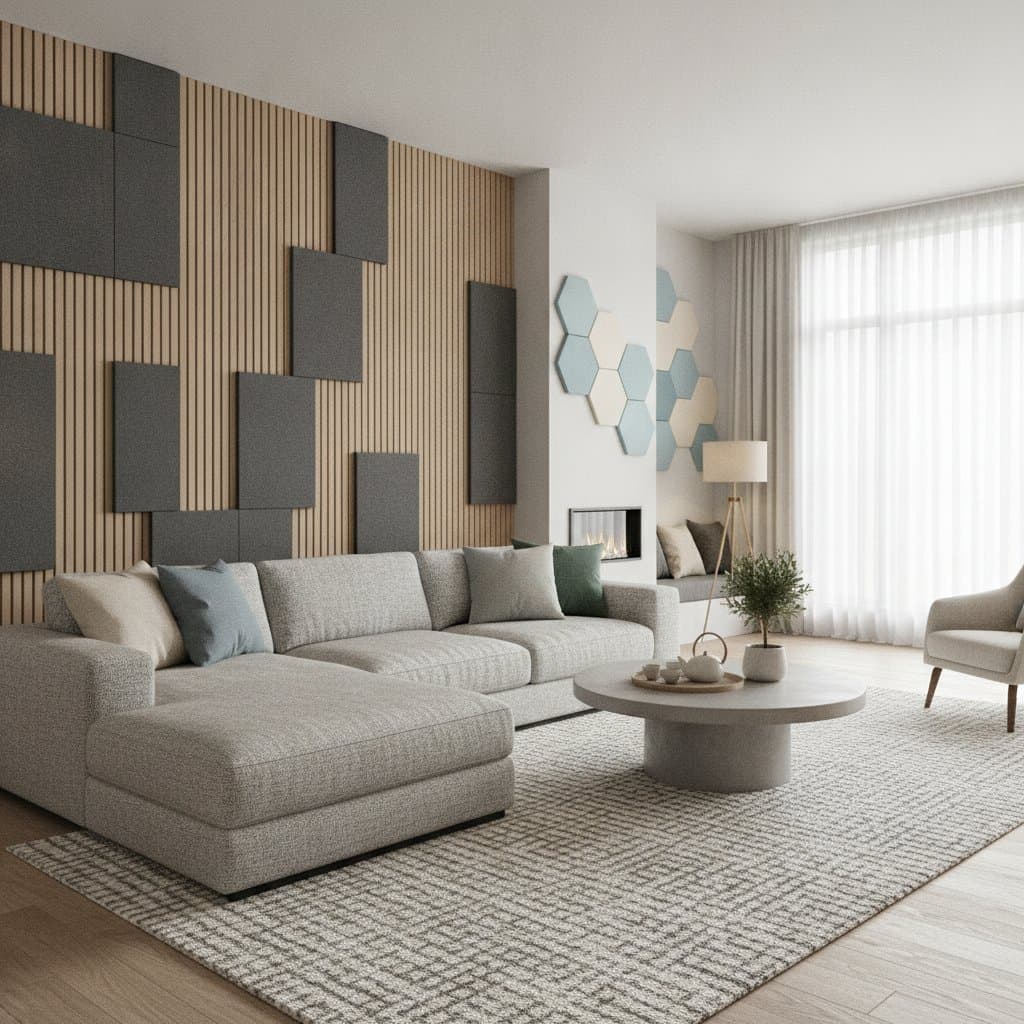
These panels feature a core of fiberglass or foam encased in acoustically transparent fabric. Select fabrics with subtle textures, such as linen or wool blends, to match upholstery in seating areas. Installation involves mounting frames to walls using screws or adhesive hooks, typically requiring 30 minutes per panel. They excel in absorbing frequencies from 500 to 4000 Hz, ideal for reducing speech interference in home theaters or conference spaces. -
Wood Slat Acoustic Panels
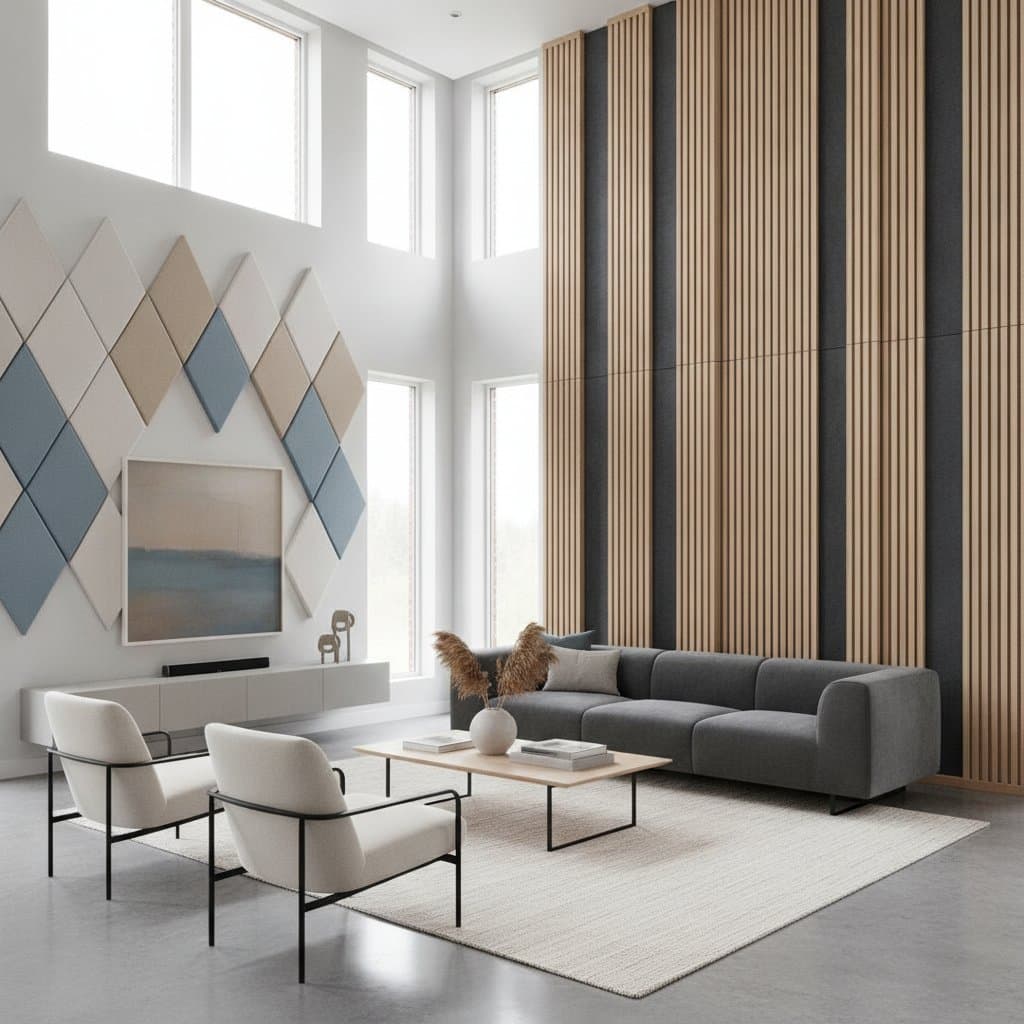
Constructed with wooden battens over absorptive backing, these panels evoke mid-century modern or rustic styles. Opt for sustainably sourced woods like oak or walnut, finished with low-VOC stains for indoor safety. Secure them with concealed clips for a floating effect, covering areas up to 4 by 8 feet per unit. Their slatted design diffuses sound while allowing light passage, making them perfect for hallways or behind televisions. -
Modular Felt Tiles
Made from recycled polyester felt, these lightweight tiles offer NRC values up to 0.95 and come in hexagonal or square configurations. Arrange them in patterns like herringbone for visual interest, adhering directly to walls with double-sided tape. This versatility suits creative spaces, such as nurseries or art studios, where reconfiguration supports evolving tastes. Maintenance is simple: dust with a soft brush to preserve appearance. -
Ceiling-Mounted Baffles
Suspended from chains or rods, baffles target overhead reflections in high-ceiling rooms. Fabric or foam cores wrapped in neutral tones blend with architectural elements. Install them 8 to 10 feet above floors, spacing units 4 feet apart for optimal coverage in areas like kitchens or gyms. They prevent sound from cascading downward, enhancing clarity in multi-level homes. -
Art-Integrated Acoustic Panels
These feature printed images on permeable substrates, transforming walls into focal points. Choose designs from abstract patterns to landscape photography, ensuring the backing material maintains absorption efficacy. Frame them like conventional artwork using picture hooks, positioning near sound sources such as speakers. This approach adds cultural depth to libraries or bedrooms without overt functional cues. -
Integrated Millwork Solutions
Conceal panels within cabinetry or behind perforated screens for subtle integration. Custom fabricators can embed absorptive layers into bookshelves or headboards, using materials like melamine for durability. This method preserves minimalist aesthetics in contemporary interiors, with sound benefits emerging through reduced overall reverberation time, often from 0.5 to 0.2 seconds.
Measuring and Achieving Acoustic Improvements
The impact of acoustic panels extends beyond immediate quieting to long-term well-being. Users report enhanced focus during virtual meetings and deeper relaxation in media rooms. Quantify benefits by noting reduced background hum or improved audio fidelity from integrated systems. In shared living areas, panels minimize sound bleed to adjacent rooms, promoting household harmony.
To maximize results, combine panels with complementary strategies. Add area rugs or curtains to floors and windows, which absorb lower frequencies. Regular assessment ensures evolving needs, such as accommodating new electronics, are met without redesign.
Practical Steps for Implementation
Begin by mapping your space: identify echo-prone areas using a clap test, where sharp sounds reveal reflection delays. Measure walls and ceilings, calculating coverage needs based on room volume. Source panels from reputable suppliers offering warranties on absorption performance.
Professional installation suits complex setups, but DIY options abound for standard panels. Follow manufacturer guidelines for secure mounting, ensuring even distribution. Post-installation, allow 24 hours for materials to settle before evaluating changes.
Budget considerations include initial costs from $20 per square foot, offset by energy savings in heated spaces due to improved insulation. Start with focal zones, expanding as benefits become evident.
Enhancing Everyday Living Through Acoustic Design
Acoustic panels elevate homes by prioritizing sensory comfort alongside visual appeal. They create environments where interactions flow naturally and rest feels restorative. By thoughtfully incorporating these elements, spaces evolve into personalized retreats that nurture both mind and ear.