Acoustic Panels: Art That Silences Your Living Room
A calm living room extends beyond mere quietude. It becomes a sanctuary where sounds feel muted, voices carry intimacy, and the atmosphere promotes repose. Modern homes frequently suffer from reverberation due to hard surfaces, high ceilings, and expansive layouts that amplify every utterance. If your living room amplifies noise beyond its visual scale, acoustic panels provide an effective solution. These panels capture sound waves, diminish echoes, and foster a more soothing environment. Moreover, they integrate seamlessly as elegant wall art, enhancing both the appearance and ambiance of the space.
Understanding Acoustic Panels at Home
Acoustic panels consist of fabric-wrapped cores engineered to trap sound waves. Rather than allowing noise to reflect endlessly, the panels dissipate it, resulting in reduced reverberation from sources such as television audio, dialogue, or melodies. The room often feels more serene immediately after installation.
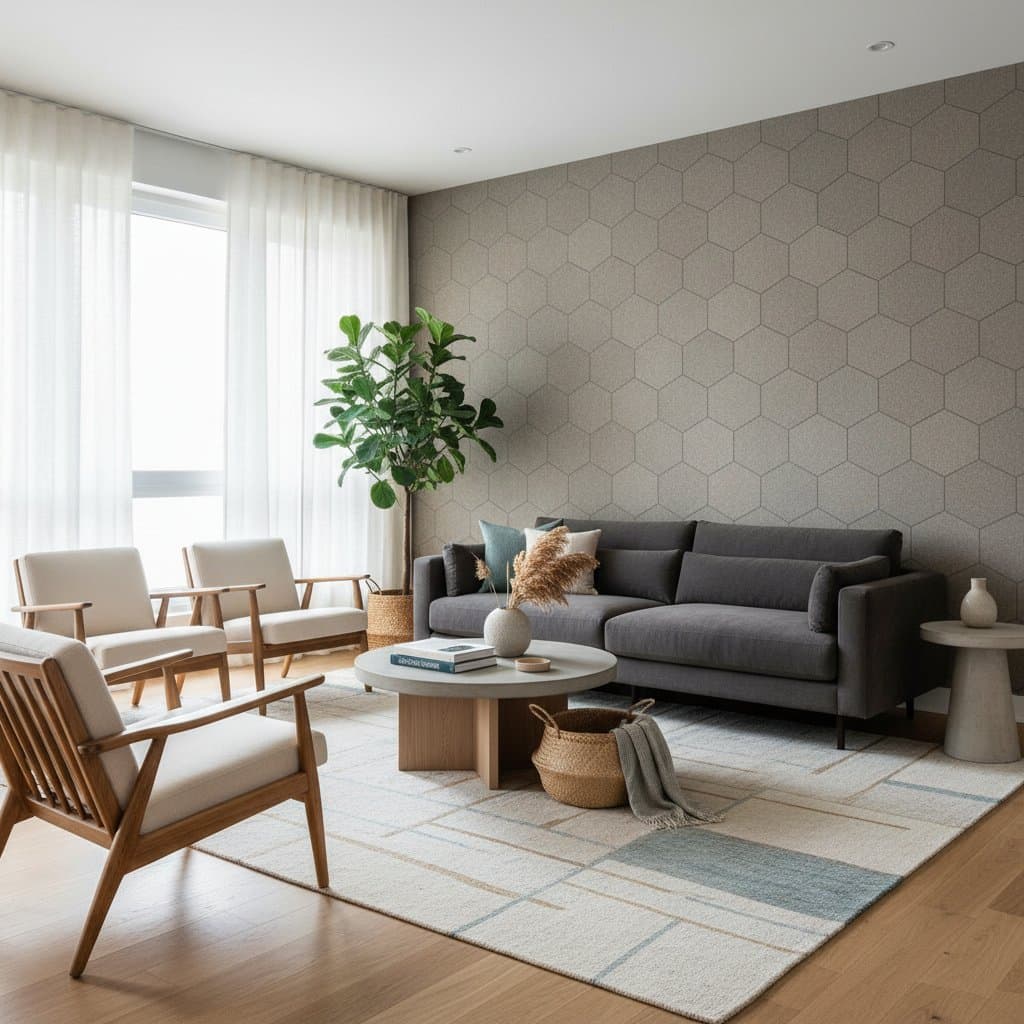
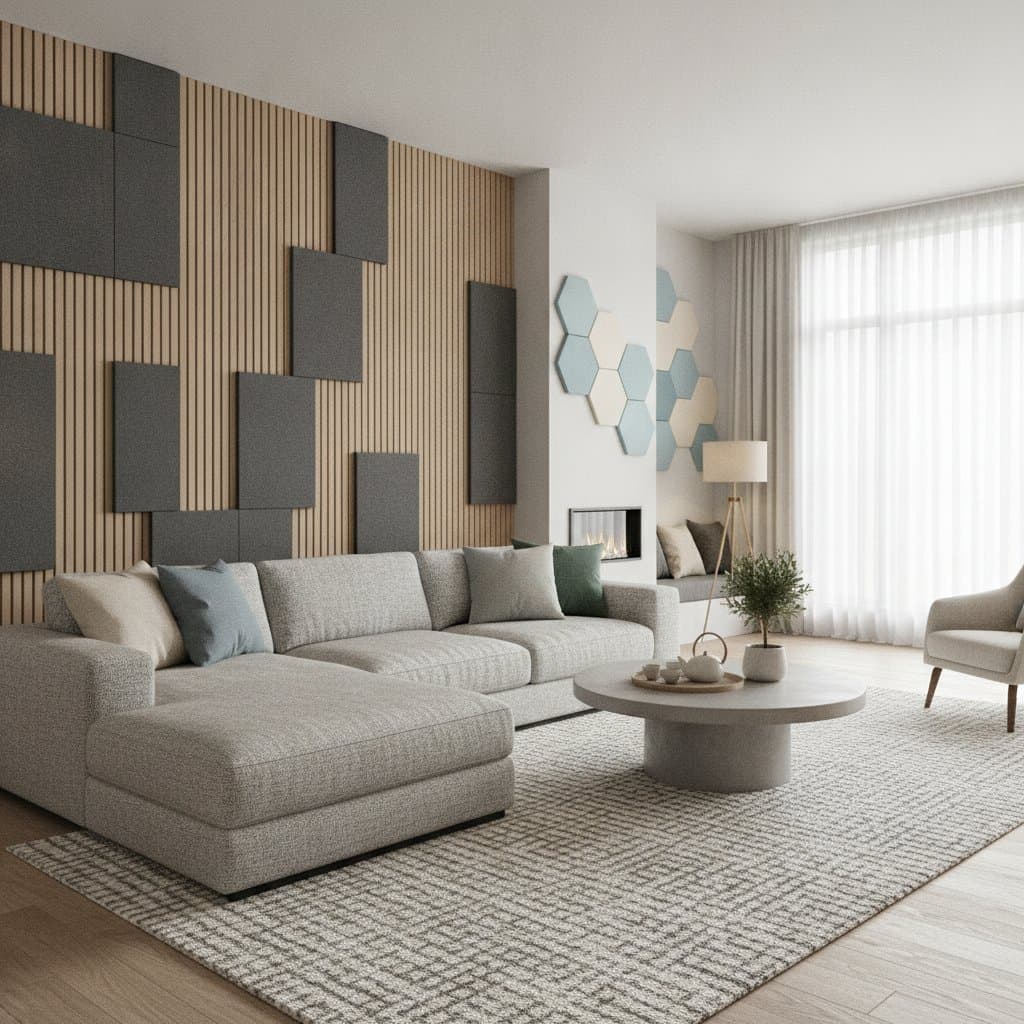
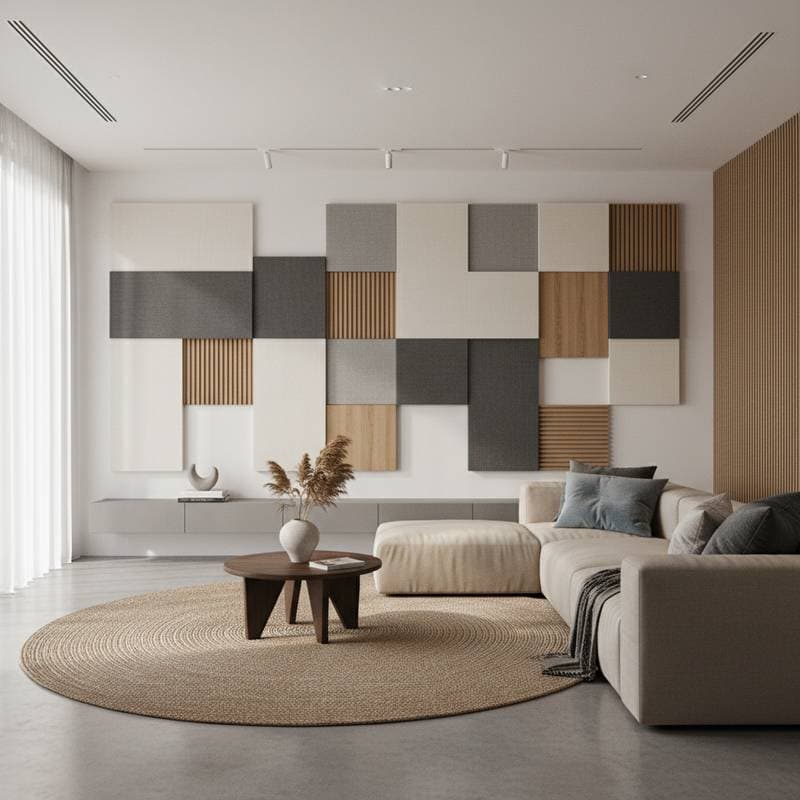
Advancements in design have made these panels suitable for residential settings. They transcend utilitarian appearances, offering luxurious fabrics, varied textures, and forms that evoke contemporary artwork. Options include framed versions resembling gallery pieces, clustered geometric forms with sculptural appeal, or expansive wall coverings that mimic intricate weaves.
Why Your Living Room Needs Sound Softeners
The living room typically serves as the home's most active area, hosting discussions, entertainment, and routine interactions. This activity can accumulate into subtle auditory strain. Reflections from uncovered walls create an unsettled vibe, even in visually organized spaces.
Incorporating acoustic panels restores equilibrium to this dynamic. By dampening harsh sound frequencies, the panels allow the room to feel more expansive and relaxed. Relaxation becomes effortless, television viewing requires lower volumes, and conversations proceed without elevation. The transformation proves understated yet profound, shifting from pervasive clamor to nuanced auditory layers.
Choosing Panels That Suit Your Space
Begin by identifying the primary noise sources. For general echo control, position panels on the widest bare wall to maximize absorption. To address audio from media devices, target the wall adjacent to or behind the source. Ceiling-mounted options prove useful if sounds reflect from above.
Approach design selections as you would curate artwork. Select hues that align with your current color scheme for cohesion. In minimalist interiors, opt for tones matching the walls to achieve a subtle integration. For dynamic emphasis, incorporate vibrant patterns or distinctive silhouettes to draw attention.
Consider these tailored recommendations:
- Neutral Canvas: Subtle beige or gray panels that merge with surroundings, ideal for light-filled, tranquil spaces.
- Bold Geometry: Angular triangles or hexagons in vivid contrasts, suitable for creating a striking modern feature wall.
- Textured Warmth: Options in felt, linen, or wool that introduce tactile depth and visual gentleness.
- Natural Touches: Frames of reclaimed wood or cork accents that complement organic room elements like stone or greenery.
Evaluate panel thickness based on room size; thicker cores offer superior absorption in larger areas, while slimmer profiles suffice for compact rooms.
Simple Installation Steps
Most acoustic panels require basic tools and precision for setup. The process mirrors hanging framed artwork, demanding minimal expertise.
-
Plan Placement: Apply painter's tape to outline positions. Retreat several steps to assess balance within the room's overall layout.
-
Measure Evenly: Ensure alignment and uniform spacing. This attention to detail conveys deliberate artistry.
-
Mount Securely: Employ wall anchors for heavier units or heavy-duty adhesive hooks for lighter ones, verifying weight compatibility.
-
Test the Sound: Activate audio sources post-installation. Observe reductions in reverberation and refine positions as necessary.
Strategic placement of three to five panels often yields significant improvements without overwhelming the decor.
Combining Function and Style
Acoustic panels integrate optimally when viewed as integral decor components. Coordinate them with ambient lighting, plush furnishings, and botanical accents. These additions further mitigate sound, amplifying the panels' impact.
In contemporary settings, select streamlined contours and non-reflective surfaces for elegance. Traditional or bohemian rooms benefit from earth-toned wrappings in organic textiles. Experiment with layered arrangements, such as staggered heights or asymmetrical clusters, to craft visual rhythm.
Layering panels with complementary absorbers, like upholstered seating, creates a multifaceted acoustic strategy while maintaining stylistic unity.
Overcoming Common Hesitations
Homeowners often pause before committing to wall modifications. Concerns about bulkiness or an industrial aesthetic persist, as do fears of insufficient coverage for efficacy. In reality, targeted applications deliver measurable acoustic benefits without dominating the space.
Commence modestly by installing panels near high-activity zones, such as behind seating or media setups. Allow a week to acclimate and evaluate shifts in auditory comfort. This trial reveals enhanced containment of sounds and an overall pacified atmosphere.
Such improvements often heighten appreciation for finer details. With diminished noise, fabric textures, hue variations, and illumination effects emerge more vividly, rendering the room more cohesive and immersive.
Extra Touches for a Quieter Atmosphere
While acoustic panels form the foundation, supplementary elements enhance serenity.
-
Add Curtains: Opt for thick, multi-layered window treatments to capture sound at entry points.
-
Use Rugs: Position broad area rugs beneath key furniture to intercept floor reflections.
-
Incorporate Bookshelves: Stocked units naturally scatter sound waves, adding diffusion.
-
Mix Materials: Blend velvety soft goods with coarser weaves to regulate sound propagation evenly.
These integrations cultivate a harmonious environment, akin to orchestrating elements for optimal resonance.
Living with Your Sound-Softened Space
With panels in place and echoes subdued, a nuanced tranquility emerges. This differs from absolute hush; it represents an attentive space that complements rather than competes.
Daily experiences evolve: media volumes decrease naturally, ambient dialogues gain intimacy, and solitary pursuits like reading or reflection deepen in the tempered acoustics.
Making It Happen
To achieve a more serene living room, initiate this accessible enhancement. Dedicate time to sourcing panels aligned with your aesthetic vision. Proceed with measurements, installations, and auditory assessments.
Acoustic panels transcend mere utility; they embody intentional design that influences sensory perception. Each absorbed reflection underscores that true comfort encompasses both sight and sound.