Built-In Upholstered Niches
Homeowners planning a remodel frequently miss opportunities to incorporate built-in elements for better sound management. An upholstered alcove or reading niche equipped with embedded acoustic panels effectively captures echoes and establishes an appealing centerpiece. This method integrates practical sound control into the room's core structure.
These niches prove valuable by focusing absorption in high-use zones, like seating arrangements or secluded spots. The cushioned lining blocks sound buildup, which promotes tranquility without disrupting the existing floor plan. Residents experience reduced auditory distractions during daily activities.
For installation, choose resilient, noise-absorbing fabrics in subdued colors that harmonize with your color scheme. Add discreet lighting options, including recessed LED fixtures, to accentuate the area and position it as a go-to retreat. Take precise measurements in advance to guarantee a flush fit, optimizing both sound dampening and visual harmony.
Design Pairings for Seamless Integration
Acoustic panels adapt effortlessly to various interior themes, supporting rather than dominating the decor. Review these thoughtful pairings to synchronize acoustic solutions with your personal style.
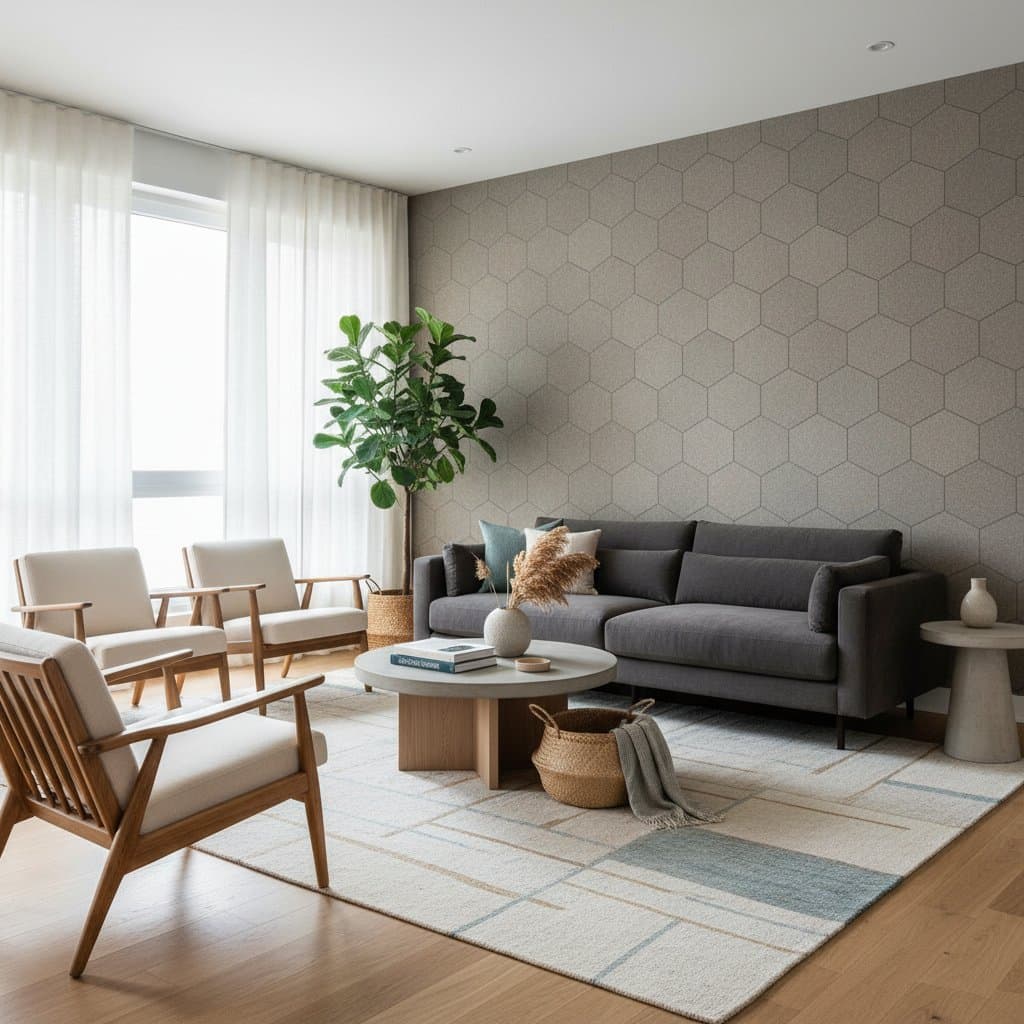
- Modern Minimalist: Select slim wood slat panels or smooth fabric wraps in pale grays and beiges. Preserve sharp edges and permit natural illumination to form gentle shadows, which add depth minus excess visual elements.
- Bohemian Cozy: Combine panels with braided jute, soft velvet, or bold-colored textiles resembling art pieces. This varied layering brings warmth and depth, offsetting lively motifs with quieter acoustics for a stable, welcoming vibe.
- Traditional Elegant: Encase fabric panels within decorative trim to convey enduring grace. View them as an outgrowth of conventional paneling, applying faint damask motifs or leather accents for polished refinement.
- Industrial Loft: Use untreated felt layers or holed metal accents to mirror bare brick and girders. Such choices moderate sharp resonances in vast, rigid areas while upholding the unrefined, city-inspired essence.
These combinations add sensory qualities that improve routine ease. Careful incorporation of panels demonstrates how sound improvements can polish both acoustics and aesthetics, resulting in more purposeful and comfortable rooms.
Benefits Extending Past Noise Reduction
Diminishing sound levels in a living room delivers significant enhancements to daily life. Decreased volume lowers stress indicators, improves focus for tasks like reading or remote work, and enables smoother exchanges between household members. Routine pursuits, such as watching videos or informal discussions, achieve greater precision as background reverberations diminish.
From a design perspective, panels foster a restful mood via their inherent textures. Gentle fabrics and timber elements scatter light evenly, generating a soft luster that reduces visual fatigue unlike glossy rigid materials. This understated change yields settings that seem deliberately arranged, supporting holistic health.
Research in environmental psychology affirms these outcomes, indicating that harmonious soundscapes link to greater contentment in residential areas. In the long run, inhabitants describe increased comfort, with environments that aid both efficiency and repose.
Simple Maintenance Routines
Acoustic panels require little ongoing care, which supports their enduring utility. Clean fabric exteriors each week with a gentle brush on a vacuum to avoid dust accumulation. For persistent fibers, apply a lint roller with care to regain a even surface without harming the fabric.
Timber or slatted versions need basic attention: polish with a dry microfiber towel to erase smudges or minor marks. Steer clear of surplus water to safeguard the surface quality. Felt varieties handle soft brushing well, preserving volume and functionality.
Numerous panels include straightforward mounting methods, like Z-clips or magnetic attachments, which permit repositioning for style updates. This flexibility keeps the panels effective through changes in room setup, prolonging their usefulness.
Steps for Acoustic Enhancements
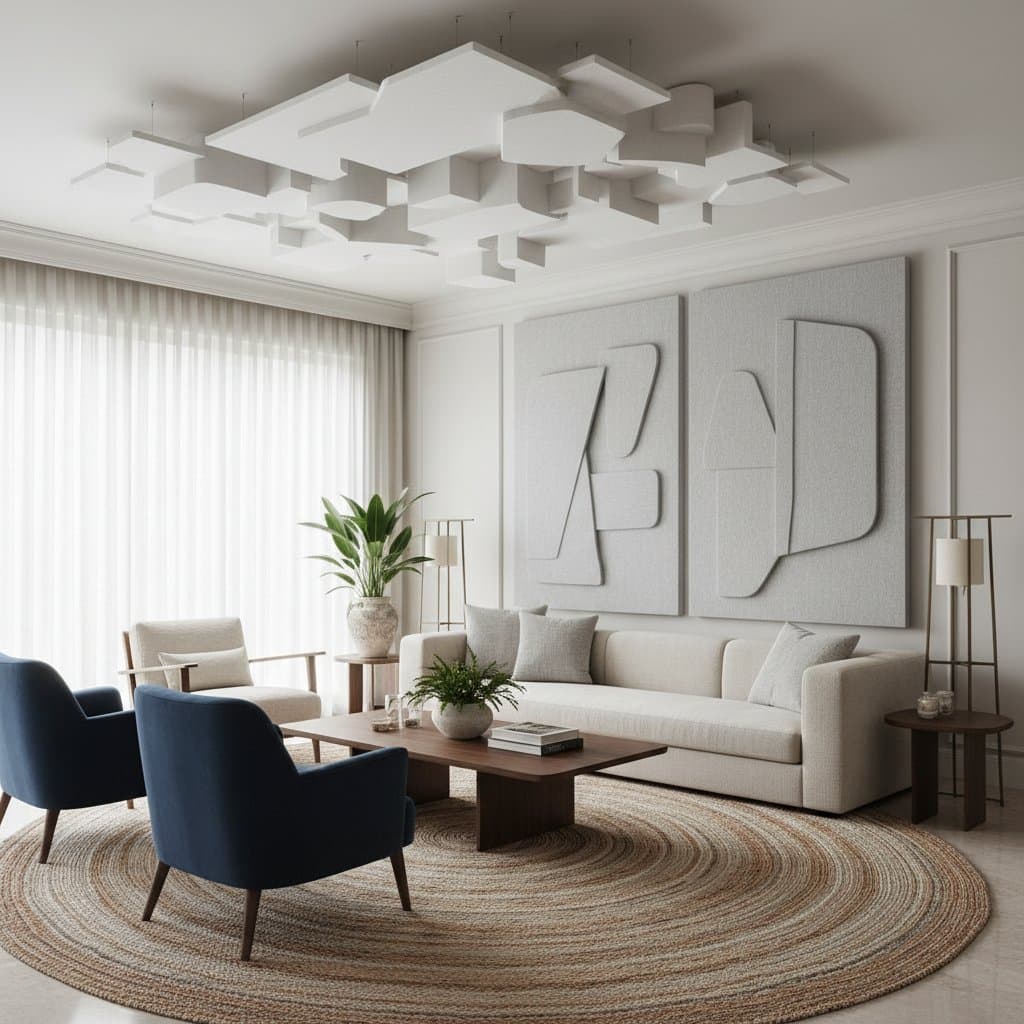
Introduce evident serenity without complete overhauls by focusing on strategic placements. Install panels on the wall behind the television to curb playback echoes, or affix them near furniture to mute peripheral sounds. Notice the prompt easing of audio and heightened feeling of intimacy.
Choose panels according to room size: rooms below 200 square feet benefit from two to four pieces; bigger spaces often require six or additional for thorough effect. Experiment with locations using provisional adhesive fasteners prior to fixed setup to perfect alignment.
As implementation grows, arrange panels at different elevations to manage sound travel in height. This systematic strategy constructs a unified soundscape, where precision and peacefulness enrich all engagements. Ultimately, these upgrades cultivate living areas that nurture well-being through balanced design and acoustics.