How Acoustic Panels Blend Sound Control with Artistic Design
Picture yourself relaxing in the living room, interrupted by distant traffic noise or echoing footsteps from upstairs. In a home office, video calls might suffer from unwanted reverberation that distorts your voice. These minor disturbances erode comfort and productivity. Modern acoustic panels address such issues by merging noise reduction with aesthetic appeal, making them a focal point in interior design.
Understanding Everyday Noise Challenges
Noise infiltrates spaces subtly, reflecting off hard walls, floors, and ceilings to create echoes. Homeowners often detect these problems after settling in, when discussions feel strained or music lacks depth. Urban apartment residents contend with street sounds and shared walls, while suburban households deal with appliance hums or entertainment system bleed.
Earlier soundproofing methods relied on plain foam or neutral fabrics that clashed with contemporary interiors. Recent innovations prioritize visible integration, where panels enhance rather than conceal. These solutions dampen sound while introducing texture and visual interest to surfaces.
The Appeal of Artistic Noise Reduction
Contemporary panels feature sculptural shapes, vivid patterns, and bespoke surfaces comparable to gallery pieces. They suit diverse settings, from subdued lofts with muted palettes to lively studios with bold accents. Materials like felt, timber, upcycled textiles, and plant-based elements form panels that serve as design anchors.
This combination of utility and style shapes room ambiance. Strategically placed, panels guide attention and soften acoustic reflections, fostering tranquility.
The Science Behind Acoustic Panels
Sound waves rebound from rigid surfaces, generating reverb. Panels capture these waves using porous structures that dissipate energy. Denser, more fibrous compositions excel at low-frequency absorption.
Unlike barriers that isolate external sounds, panels optimize internal acoustics for better speech intelligibility and ease. Home theaters gain sharper audio cues. Dining areas support natural dialogue flow. Shared workspaces promote concentration amid activity.
Selecting Panels to Suit Your Environment
Room dimensions, furnishings, and surfaces define unique sound profiles. Panel selection requires aligning performance with desired mood. Consider these categories:
-
Fabric-Covered Panels
Versatile absorbers with a refined appearance. Wraps in linen, velvet, or motifs coordinate with existing textiles for unified aesthetics. -
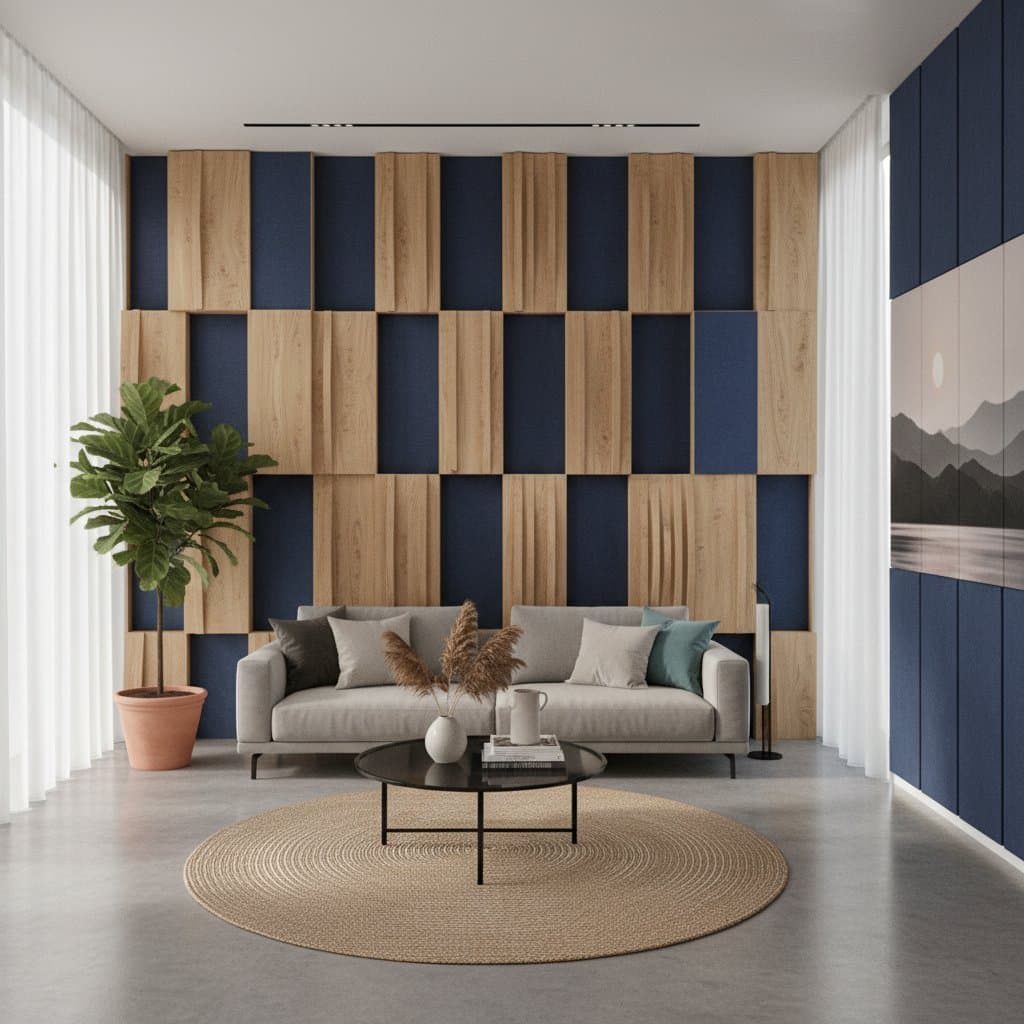
Wooden Slat Configurations
Ideal for warm, organic feels. Slats over absorbent layers trap sound while providing dimensional interest. They fit contemporary lounges, professional areas, and creative hubs. -
Custom-Printed Panels
Transfer images or graphics onto absorptive bases. Such pieces spark dialogue in artistic workspaces, casual gathering spots, or playful rooms. -
Geometric Tile Systems
Interlocking units with raised patterns diffuse sound multidirectionally. They create engaging wall features in high-traffic zones. -
Sustainable Material Options
Crafted from reclaimed fibers, natural cork, or wool composites. These choices in neutral hues add subtle texture while supporting environmental goals.
Guide to Implementing Acoustic Improvements
Systematic planning maximizes results.
-
Identify Echo Sources
Clap in the space to detect rebounds. Note areas where sound lingers between surfaces or overhead. -
Plan Coverage Layout
Diagram walls for even distribution. Address ceilings in tall or bare-floored rooms. -
Determine Thickness Needs
Opt for 1-inch panels for treble control; 2-3 inches for bass management. -
Match Visual Elements
Evaluate harmony with lights, seating, and schemes. Decide on subtle integration or prominent display. -
Prepare for Mounting
Use hooks or tapes for ease. Engage specialists for extensive or elevated setups.
Cost Considerations and Regional Variations
Pricing depends on composition and personalization. Standard fabric units begin at twenty dollars per square foot, including setup. Premium woods or graphics escalate to fifty dollars plus.
A modest living area treatment might total three hundred dollars for key zones. Comprehensive applications approach two thousand dollars. Factor in area-specific labor and sourcing; consult qualified experts for accurate estimates.
Ensuring Longevity and Safety
Prioritize panels with verified fire resistance for homes or offices. In damp regions, select treated fabrics or synthetics to prevent issues.
Care involves gentle vacuuming or damp wiping. Detachable facings simplify cleaning in active areas. Quality installations preserve form and efficacy over time.
Harmonizing Panels with Interior Styles
Panels complement varied motifs.
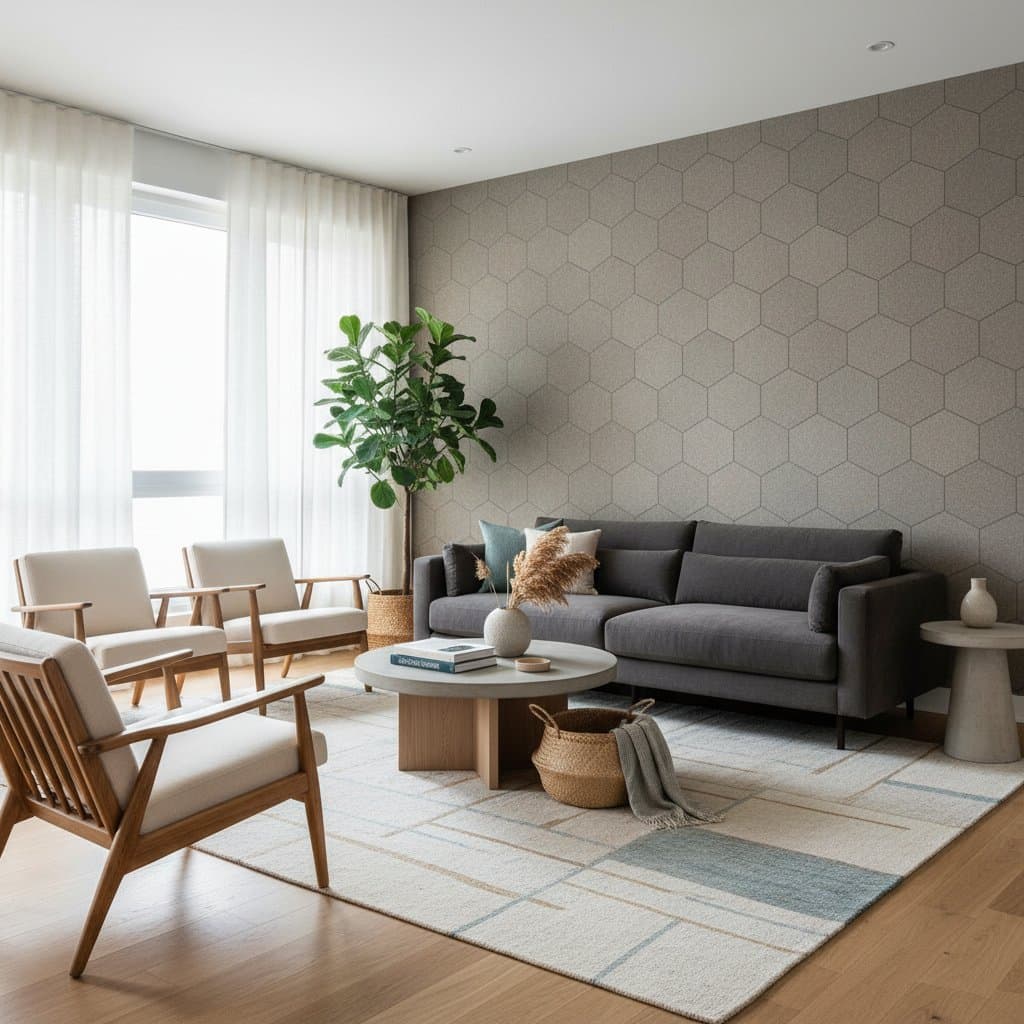
- Sleek Contemporary: Grid neutral felts for clean, exhibit-style walls.
- Cozy Traditional: Reclaimed timbers mimic natural grains for inviting surrounds.
- Industrial Edge: Frame fabrics in metals for structured contrast.
- Vibrant Workshop: Layer hues and offsets to fuel imagination.
In fluid layouts, suspended elements divide areas acoustically. Compact units benefit from targeted placements near key functions.
The Impact of Balanced Acoustics on Well-Being
Auditory environments shape emotions. Lingering reverb builds unease; refined sound promotes peace. Users report enhanced rest, sharper focus, and reduced tension post-installation.
Quietude aids routines, from better slumber to smoother interactions. Decorative panels deliver these gains stylishly.
Steps to Achieve Your Ideal Acoustic Setup
Begin by sampling materials and schemes online or in stores. Outline your needs, then seek professional input for precise execution. This approach yields spaces that soothe the ears and please the eyes.