Acoustic Panels: Style Meets Soundproofing in Decor
Imagine stepping into your living room after a long day, ready to unwind. You encounter the echo of your own footsteps or the muffled thump of traffic from outside. The space appears beautiful, yet the atmosphere feels restless. Acoustic panels introduce serenity and sophistication, blending art and science to transform how spaces look and feel.
The Problem You Hear but Rarely See
Noise disrupts modern living in subtle ways. Open floor plans, hard flooring, and minimalist furnishings create visual openness while amplifying sound reflections. The hum of nearby conversation or the clatter of dishes can invade personal comfort. Sound influences mood, concentration, and overall well-being more than many realize.
In urban lofts, suburban home offices, or cozy apartments, echoes and reverberations make stylish interiors feel chaotic. Homeowners and designers address this by incorporating acoustic panels. These solutions reduce noise and enhance design elements simultaneously.
The Appeal of Acoustic Panels
Acoustic panels serve a dual purpose: they control unwanted sound and add visual texture, color, and form. Previously limited to recording studios and theaters, these treatments now enhance living rooms, dining areas, and bedrooms. They create calm oases without compromising style.
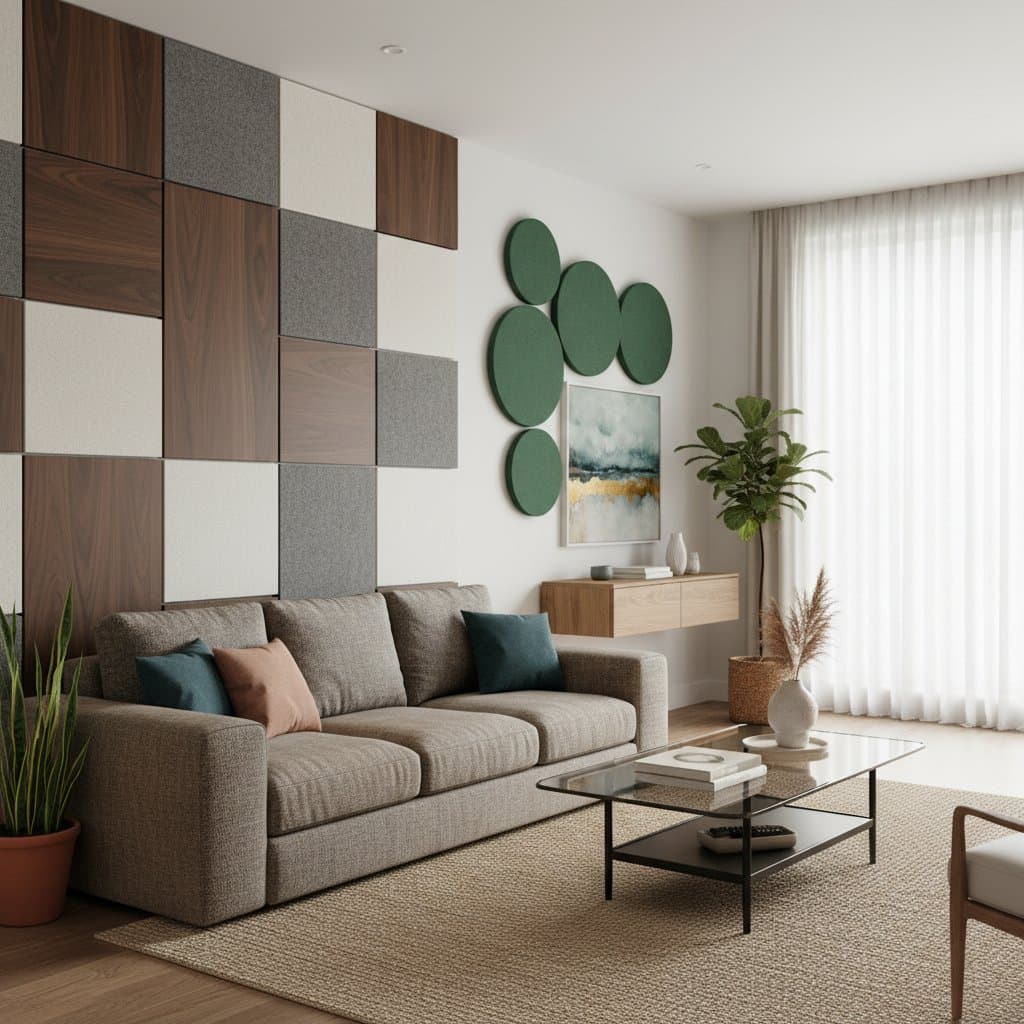
Contemporary panels vary widely, from sleek fabric-wrapped rectangles to sculpted wooden arrays resembling wall art. Their versatility allows integration into any aesthetic. Options range from subtle blends with existing decor to bold statements that capture attention.
How Acoustic Panels Work
Sound travels in waves that reflect off hard surfaces such as walls, floors, or ceilings, producing echoes. Acoustic panels absorb these reflections effectively. A core material, typically dense foam or mineral wool, traps sound energy inside the panel.
This process results in a cleaner, more peaceful environment. The principle mirrors the difference between furnished and unfurnished rooms: soft materials absorb sound, while hard ones reflect it. Acoustic panels apply this concept through precise engineering and artistic design.
Choosing the Right Panels for Your Space
Selecting acoustic panels involves curating how a room functions and feels. Consider key factors to guide your decisions.
-
Identify the Sound Source: Pinpoint if the goal is blocking external noise, reducing internal echo, or isolating sound in a specific zone. Different objectives demand varied materials and placements, such as thicker panels for traffic noise versus diffusers for room echo.
-
Assess Room Size and Shape: Larger open spaces require greater coverage, often 20 to 30 percent of wall surface. Compact rooms benefit from targeted placement. Corners and high ceilings amplify reverberation, so position panels there first.
-
Select the Right Material: Fabric-covered fiberglass excels in broad absorption for offices. Wooden slat panels diffuse sound with a warm tone, ideal for living areas. Felt tiles provide vibrant colors and easy customization for creative environments.
-
Consider Placement: Install panels at ear height or midway up walls to intercept reflections. For dedicated spaces like home theaters, add ceiling clouds or corner bass traps to handle low frequencies.
-
Balance Function and Form: Integrate panels into decor elements, such as gallery walls or headboards. This approach ensures they contribute to the overall visual harmony.
Styles that Speak Volumes
Acoustic solutions integrate seamlessly into room narratives. Explore these styles to combine sound control with visual appeal.
-
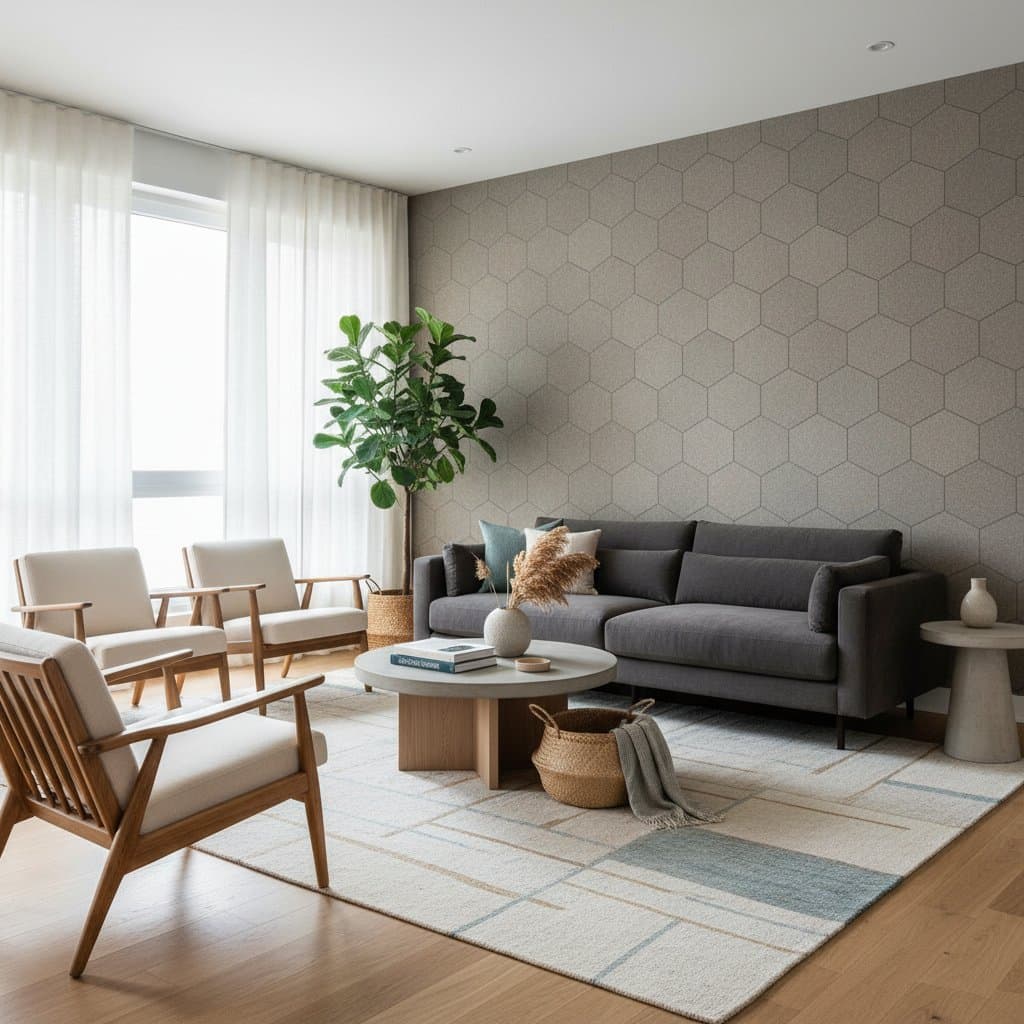
Modern Minimalist: Opt for slim fabric panels in neutrals like stone or ivory. These enhance open-plan and Scandinavian designs with clean lines.
-
Rustic Warmth: Select wood veneer panels for natural texture. They complement exposed brick and reclaimed wood floors effectively.
-
Artistic Expression: Use printed acoustic canvases that replicate artwork. Customize patterns to align with your preferred color scheme.
-
Playful Geometry: Arrange felt hexagons or modular tiles into dynamic patterns. This suits home offices, art studios, or play areas.
-
Luxury Texture: Choose upholstered panels in velvet or linen. They deliver acoustic benefits alongside a high-end, hotel-like ambiance.
The Practical Side: Budget, Installation, and Maintenance
Acoustic panels span various price ranges. Basic polyester felt tiles start at a few dollars per square foot. Premium wood or fabric options command higher costs, often $20 to $50 per square foot.
For medium-sized rooms, professional installation falls in the mid-range budget, around $500 to $2000, based on materials and coverage. DIY options include panels with adhesive backing or simple hardware mounts. Ceiling installations or custom setups benefit from professional help to ensure safety and effectiveness.
Verify surface compatibility for adhesives and check load capacities for overhead work. Maintenance remains straightforward: dust with a soft brush or vacuum gently. Spot clean fabric panels as needed, and polish wood surfaces lightly to preserve their finish.
Acoustics and Home Wellness
Better acoustics extend beyond sound quality to support well-being. Quieter environments lower stress and fatigue levels. They foster relaxation, improved focus, and deeper rest.
In shared living areas, panels clarify conversations and reduce distractions. Bedrooms gain from diminished external noise for better sleep. Workspaces see gains in productivity through minimized auditory interference.
Incorporate acoustic design into your home wellness strategy. Pair it with lighting choices for mood and color selections for comfort. Sound management completes a holistic approach to living spaces.
Permits and Professional Guidance
Home installations seldom require permits for acoustic panels. Consult experts if combining them with electrical elements or structural changes. Commercial projects must adhere to local codes, often mandating fire-rated materials.
Engage a contractor or designer for complex layouts. These professionals balance technical needs with aesthetic goals. Use vetted services to connect with local specialists and obtain tailored quotes.
Integrating Acoustics into Your Home Design
Acoustic panels elevate reading nooks, home theaters, or offices into exceptional spaces. They unite beauty and utility, crafting environments that soothe the senses.
Select materials that echo your style, colors that energize, and textures that engage. Thoughtful integration turns sound into an artistic element. Collaborate with professionals to realize a home that resonates with quiet elegance.