Acoustic Panels: Noise Reduction as Living Room Art
Cluttered sound can feel as heavy as cluttered space. When echoes bounce off walls and every conversation carries across the room, even the most beautiful decor can begin to feel restless. Acoustic panels offer a gentle solution that soothes both the ear and the eye.
Once seen only in studios and theaters, they have found a new home in living rooms. They bring calm through thoughtful sound design and creative expression. If you have ever wished your living space felt more peaceful, acoustic panels might offer the quiet comfort you are looking for.
The Quiet Beauty of Sound Control
Sound shapes how we experience space. A soft, balanced soundscape makes a room feel grounded and welcoming. Without it, the hum of daily life can feel amplified and turn open layouts or high ceilings into echo chambers.
Acoustic panels work by absorbing sound waves that would otherwise reflect off hard surfaces. While the science behind it is straightforward, the transformation they create feels almost magical. A well placed panel can take a room from noisy and sharp to calm and clear.
Modern panels no longer look like dull foam squares. They come in beautiful fabrics, wood finishes, and printed designs that turn functional sound control into a design feature.
Choosing the Right Style for Your Space
Acoustic panels can blend with nearly any interior style. The key is to choose materials, colors, and shapes that feel consistent with your existing decor. Consider these directions.
- Minimalist Fabric Panels: Neutral fabric panels fit quietly into calm, uncluttered spaces. Choose soft beige, ivory, or gray tones that match your walls or curtains. These panels fade elegantly into the background while quietly improving sound quality.
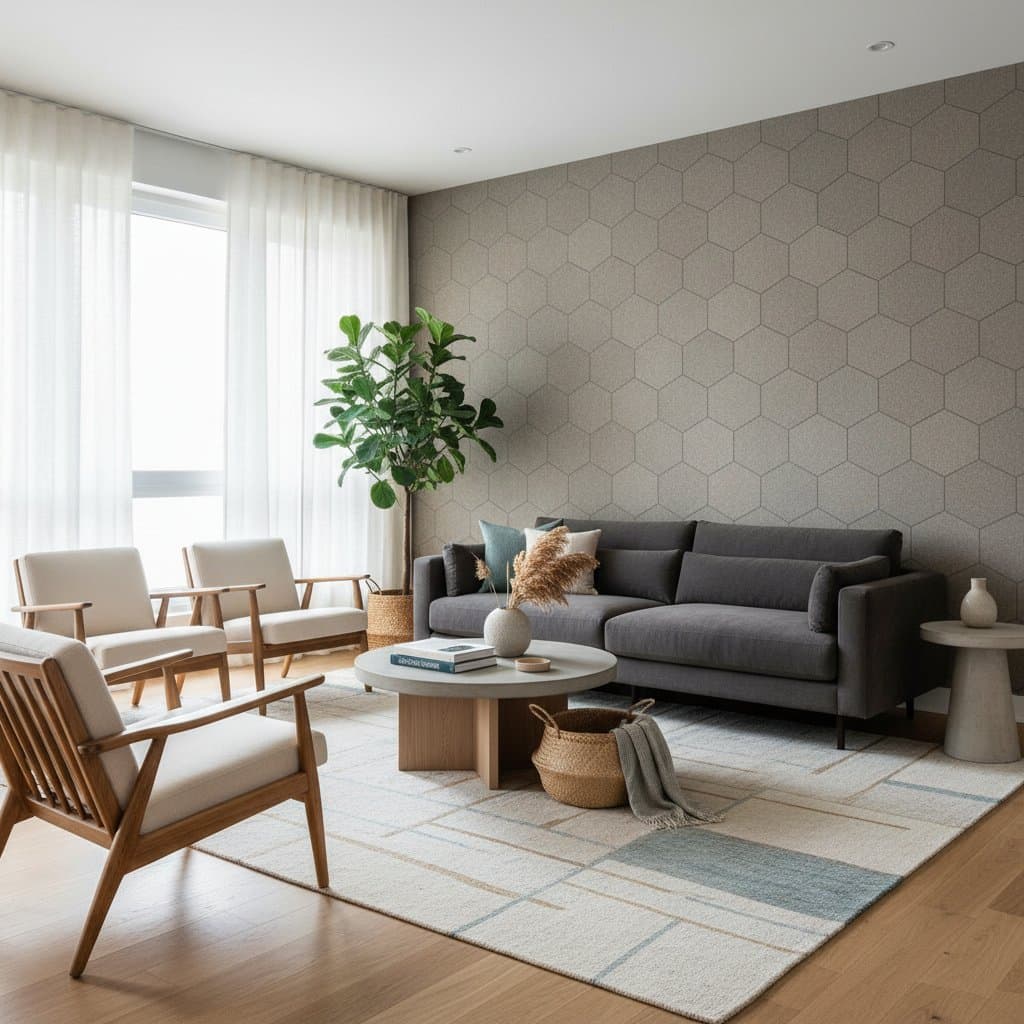
- Geometric Patterns: Panels cut into hexagons or diamonds create sculptural interest. Group them in clusters for a modern wall feature that looks intentional and artistic.
- Natural Textures: Wood veneer panels or fabric in earthy tones bring warmth and depth. They pair beautifully with woven rugs, linen sofas, and indoor plants.
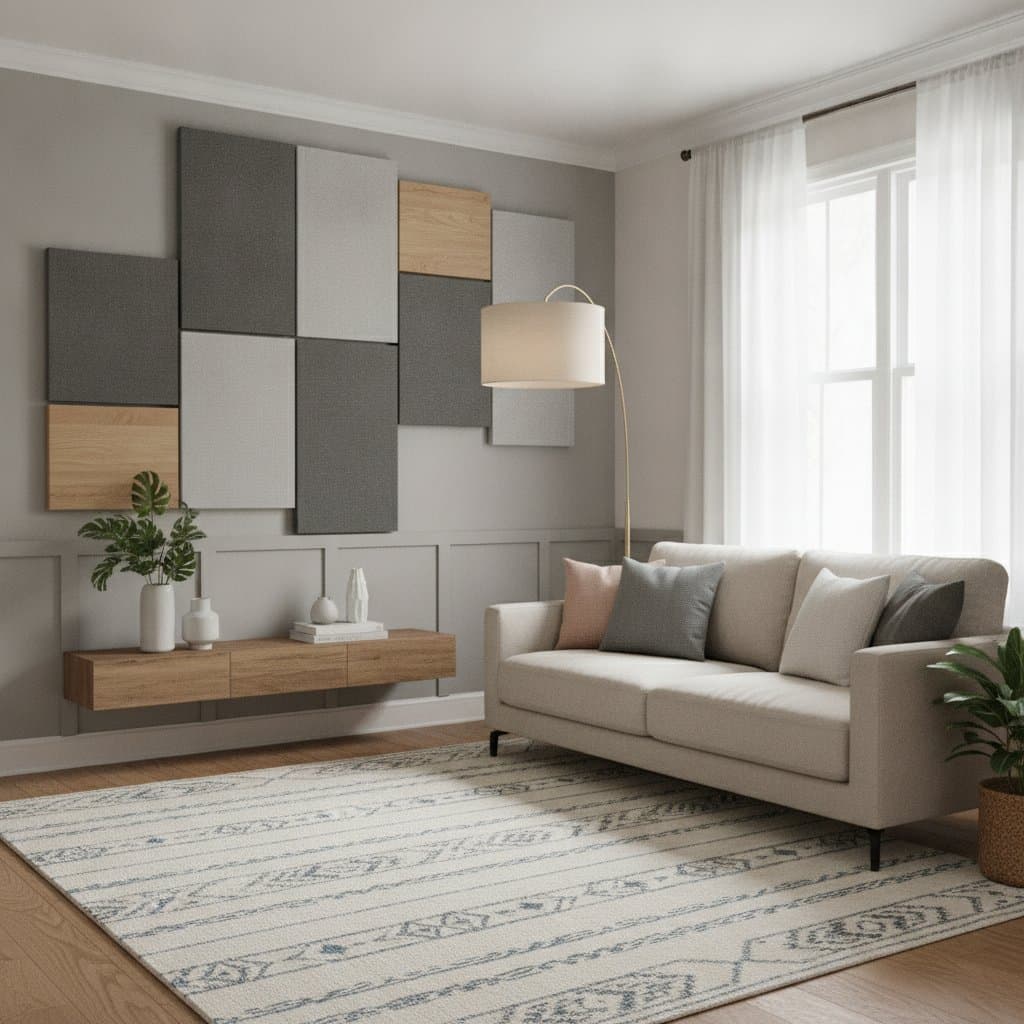
- Printed Artwork Panels: Some companies print custom images on acoustic panels. You can display a favorite landscape, abstract art, or even family photos while softening sound reflections.
- Fabric Wrapped Frames: For a DIY friendly option, build simple frames, stretch acoustic fabric over them, and hang them like canvas art. This approach allows personal creativity and flexibility in color and size.
Where to Place Acoustic Panels
Placement matters as much as style. To reduce echo, focus on surfaces where sound bounces most. These include walls opposite windows, behind seating areas, and along large open walls.
- Behind the sofa: This is often the largest uninterrupted wall in the living room. Panels here both decorate and absorb conversation level sounds.
- Adjacent to the television or media center: Panels in this zone help balance sound from speakers and create a clearer audio experience.
- On the ceiling: Ceiling panels or clouds are ideal for rooms with tall ceilings. They visually soften the space while controlling reverberation.
- Corner placement: Bass traps or corner panels control low frequency buildup, which can make sound feel muddy.
Spend a few minutes clapping in different parts of your living room and listening for echo. This simple test can reveal where panels will have the most effect.
How to Install Panels with Ease
Installation can be simple and satisfying. Many panels hang like picture frames or attach with adhesive strips. For heavier options, use wall anchors or French cleats for secure mounting.
Follow this quick setup plan. Measure your wall area and start with the spots where sound feels harshest. Mark your layout and arrange panels on the floor first to test patterns. Mount the panels and follow the manufacturer instructions while checking alignment as you go. Step back and listen to notice how even a few panels shift the sound energy in the room.
This process can take less than an afternoon, yet the comfort it brings will last far longer.
Balancing Sound and Style
Acoustic panels can either blend in or make a statement. The choice depends on how you want your living room to feel. For a seamless look, choose panels in the same color as your walls. They will visually disappear while still working hard acoustically.
For a bold accent, use contrasting colors or prints to create an art wall that doubles as sound control. For layered texture, combine materials like felt, wood, and linen in complementary tones. This adds depth and warmth without overwhelming the space.
If your living room has open shelving, rugs, and textiles, you already have elements that absorb sound. Panels simply refine that balance and enhance the sense of calm.
The Emotional Side of Quiet
A quieter home often feels more restful. When echoes fade and background noise softens, conversations sound gentler and music feels richer. The atmosphere becomes more grounded and encourages slow evenings, easy gatherings, and peaceful focus.
Sound comfort has a subtle effect on well being. It helps the nervous system settle and allows the mind to rest. Think of it as part of your home invisible comfort layer, just like soft lighting or cozy textiles.
DIY Options for Creative Souls
If you enjoy hands on projects, making your own acoustic panels can be deeply satisfying. It allows you to customize both the look and performance. Gather wooden frames or canvas stretcher bars, acoustic insulation or dense felt, breathable fabric such as cotton, linen, or specialized acoustic cloth, and a staple gun or upholstery tacks.
Build or assemble your frame. Cut insulation to fit snugly inside. Wrap the fabric smoothly around the frame and secure it at the back. Hang it as you would a picture. You can create several smaller panels instead of one large piece. This modular approach makes it easy to rearrange if you redecorate later.
Overcoming Common Hesitations
Some people hesitate to add acoustic panels because they fear the room will look too technical or studio like. The truth is that modern panels are designed with living spaces in mind. Soft edges, refined fabrics, and decorative patterns make them feel more like tapestry than equipment.
If cost feels like a barrier, start small. A single panel behind the sofa or near the television can make a noticeable difference. You can always add more as you notice how sound improves. Another common worry is damaging walls. Many products now use removable adhesive or lightweight hanging systems that protect your surfaces.
Living with Your Design
Once your panels are in place, take a moment to sit quietly in the room. Notice how voices sound fuller, how background noise fades, and how your favorite music feels more balanced. That small shift in acoustics changes the whole mood of the space.
To keep panels fresh, dust them gently with a soft cloth or vacuum brush every few weeks. If you chose fabric covers, check if they are removable for occasional washing or spot cleaning. You might find that the new stillness inspires other gentle updates, like adding a cozy rug or rearranging furniture for better flow. Sound comfort tends to spark visual harmony too.
Embracing Daily Acoustic Comfort
Creating a peaceful acoustic environment does not require dramatic renovation. It begins with curiosity and a few thoughtful choices. When you treat sound as part of your home design, you invite calm into every corner.
Start by listening. Notice where your living room feels too loud or too hollow. Then choose one wall to soften with panels that please both the ear and the eye. As you live with this change, you may find that quiet becomes its own kind of decor. It is the space between words, the gentle hum that supports relaxation, and the invisible layer that turns a house into a calm retreat.
Celebrate each small improvement. Every softened echo and balanced tone brings you closer to the peaceful home you deserve.