Acoustic Panels That Boost Style and Cut the Noise
Imagine walking into your living room after a long day and craving a moment of calm. Instead, every word echoes while traffic hums outside. Sound bounces off walls and prevents relaxation. Acoustic panels change this experience. They turn a home into a sanctuary of peace and add visual sophistication that matches any designer accent wall.
The Acoustic Challenge in Modern Homes
Many modern homes feature sleek, open designs with hard surfaces. Tile floors, large windows, and high ceilings reflect sound rather than absorb it. The result is constant reverberation that affects focus, mood, and sleep. Poor acoustics create an invisible frustration during quiet evenings, podcast recordings, or virtual meetings.
This challenge also presents an opportunity. Acoustic panels serve as both functional fixes and design upgrades. They refine a space character and create an atmosphere that feels intentionally planned.
How Acoustic Panels Balance Style and Performance
Acoustic panels reduce noise while enhancing visual appeal. They come in many textures, shapes, and finishes. Some resemble sculptural art. Others blend with walls or ceilings. Panels absorb unwanted sound to make rooms quieter and more comfortable. They also express personality and warmth.
The goal extends beyond noise control. It involves creating harmony between what you hear and what you see.
The Science Behind Sound Absorption
Acoustic panels absorb sound waves through porous materials. Sound that hits a hard surface bounces back and creates echoes. Panels capture these waves and convert them into small amounts of heat energy. This process reduces reflection and overall noise levels.
Effective panels go on walls or ceilings where sound reflects most. Placement depends on room shape, size, and existing materials. A square room with bare walls needs more absorption than one with curtains, rugs, and upholstered furniture.
Popular Styles and Materials
Panels match nearly any decor style. Common options include the following.
- Fabric wrapped panels work well in home theaters and offices. They offer many colors and textures. Custom printing allows patterns or images that reflect personal taste.
- Wood slat panels suit natural finishes. Slim wooden strips sit over acoustic felt backing. They add warmth to living rooms and dining areas while diffusing sound.
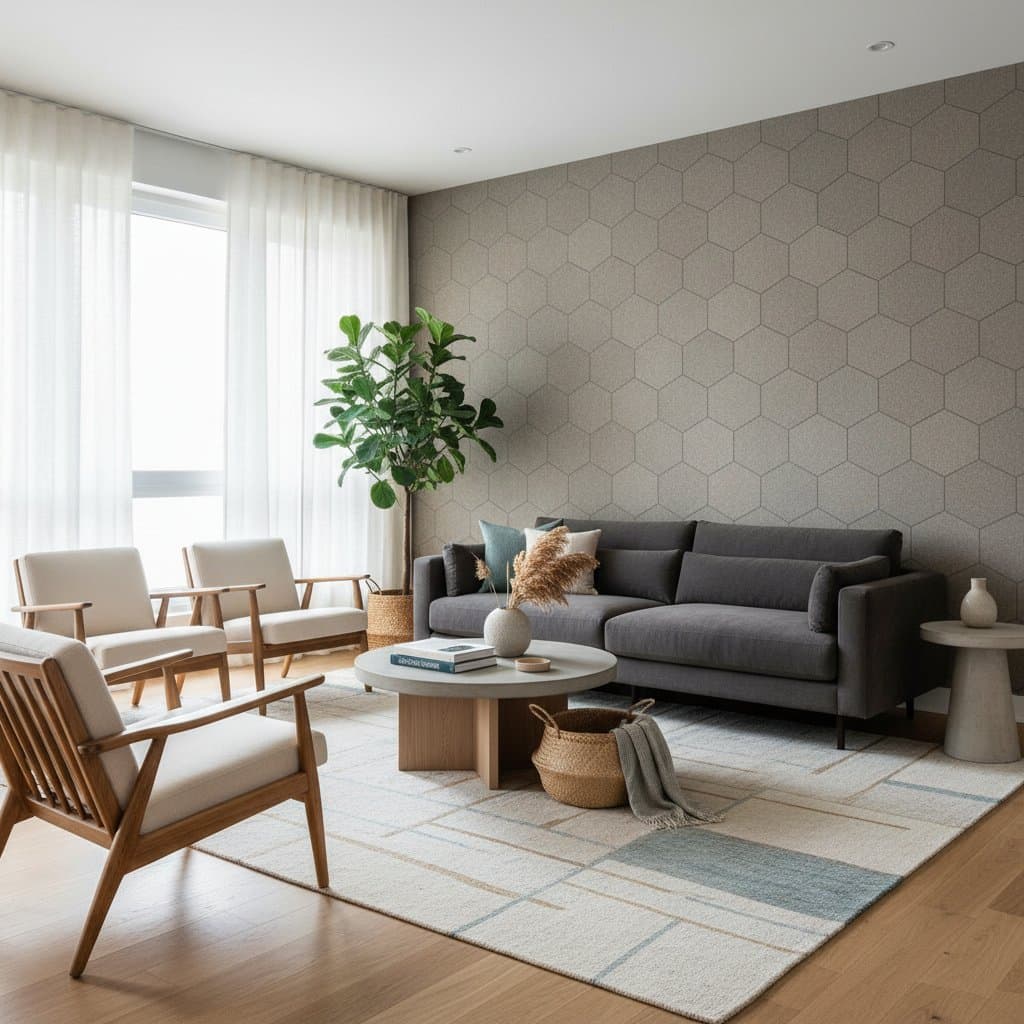
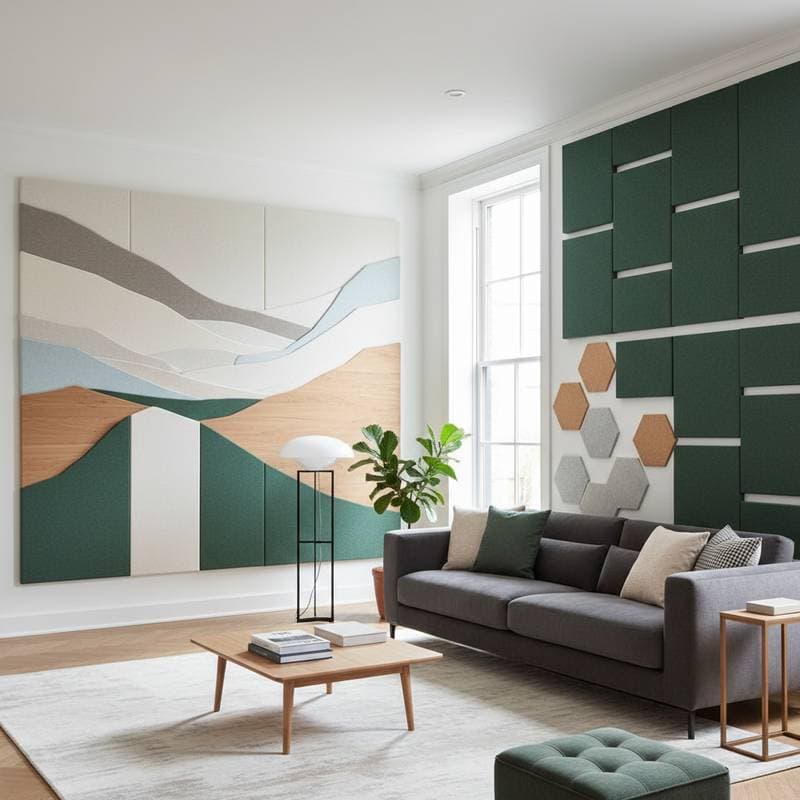
- Felt or wool panels provide a soft, sustainable option. Many come from recycled materials and appear in bold or neutral tones. They can form geometric designs or layered effects.
- Perforated metal panels create an industrial look. Backed with acoustic insulation, they deliver a sleek statement suitable for lofts or modern kitchens.
- Artistic acoustic murals function as wall art. Printed designs or scenic images turn noise reduction into a conversation piece.
Strategic Placement for Maximum Effect
Placement determines effectiveness. Consider the room as a stage where sound travels in all directions.
- Mount panels on walls opposite sound sources, such as behind speakers or across from a television.
- Hang panels on ceilings above seating or dining areas to reduce echo in high ceiling rooms.
- Place thicker panels or bass traps in corners to absorb low frequency sounds.
- Add smaller panels in doorways and hallways to limit noise travel between rooms.
Budget Planning and Cost Ranges
Panel prices vary by material and installation needs. Simple fabric or felt panels remain affordable for do it yourself projects. Wood slat or printed panels cost more yet deliver strong visual and acoustic results. Artistic murals or suspended ceiling systems reach premium rates and usually require professional installation.
Value comes from improved concentration, privacy, and comfort. Good acoustics can make a small apartment feel larger and a busy household feel calmer.
Material Choices for Different Climates
Humid areas call for moisture resistant materials such as treated wood or synthetic fabrics. These choices prevent warping or mold. Drier climates benefit from natural wool or cotton panels that help balance indoor humidity. Local suppliers can recommend finishes suited to regional conditions.
Safety and Installation Practices
Secure mounting matters, especially for heavier wood or metal panels. Use proper anchors on drywall and follow weight guidelines for ceiling work. Fire rated materials or flame retardant coatings add protection near light fixtures or electronics.
Creative Integration Ideas
Acoustic panels extend beyond basic rectangles. Fabric panels behind a bed create a soft headboard and absorb sound. Freestanding screens divide open plan spaces while controlling noise. Suspended ceiling baffles add drama to living areas. Some designers embed panels into cabinet doors or shelving for subtle control. Accent walls can combine textures and colors for a striking feature.
Maintenance for Long Term Performance
Most panels need only occasional dusting or vacuuming. Fabric types benefit from light brushing. Wood and metal surfaces clean with a damp cloth. Avoid harsh chemicals. Quality panels retain acoustic properties for years when kept from direct sunlight and heavy moisture.
The Benefits of Thoughtful Acoustic Design
A space that sounds good also feels good. Conversations become clearer. Music sounds richer. Moments of silence turn restorative. Acoustic comfort supports concentration and emotional well being. Panels help tune an environment to match daily life, whether the goal is a quiet reading nook or a focused home office.