The Luxury of Silence: Acoustic Panels in Home Decor
Quiet once characterized recording studios and libraries exclusively. Homeowners now recognize silence as a luxury element. Open floor plans, hard flooring, and tall ceilings, which dominate modern designs, allow sounds to reverberate, producing echoes that fatigue listeners. Acoustic panels, previously limited to functional roles, now serve as decorative components that dampen noise and introduce visual interest.
Why Sound Control Belongs in Everyday Design
Minimalist interiors promote light and openness, yet they intensify unwanted noise. Voices travel across rooms, appliances buzz through open kitchens, and footsteps echo on solid surfaces. Interior designer Marissa Kent noted, “When a space looks beautiful but sounds harsh, the comfort level drops instantly.”
Acoustic panels capture and disperse sound waves, minimizing reverberation while preserving ambient vitality. This creates a more refined setting that aids concentrated tasks and leisurely meals alike. Professionals view acoustic comfort as integral to wellness, comparable to ample daylight and fresh ventilation.
Where Form Meets Function
Contemporary acoustic panels avoid concealment behind fabrics or drapes. They manifest as sculptural forms, artistic arrangements, or structural accents that define areas. Materials include felt, wool, recycled polyester, or wooden slats over absorptive cores. Homeowners select options aligning with preferences, from sleek minimalism to mid-century vibes or rustic charm.
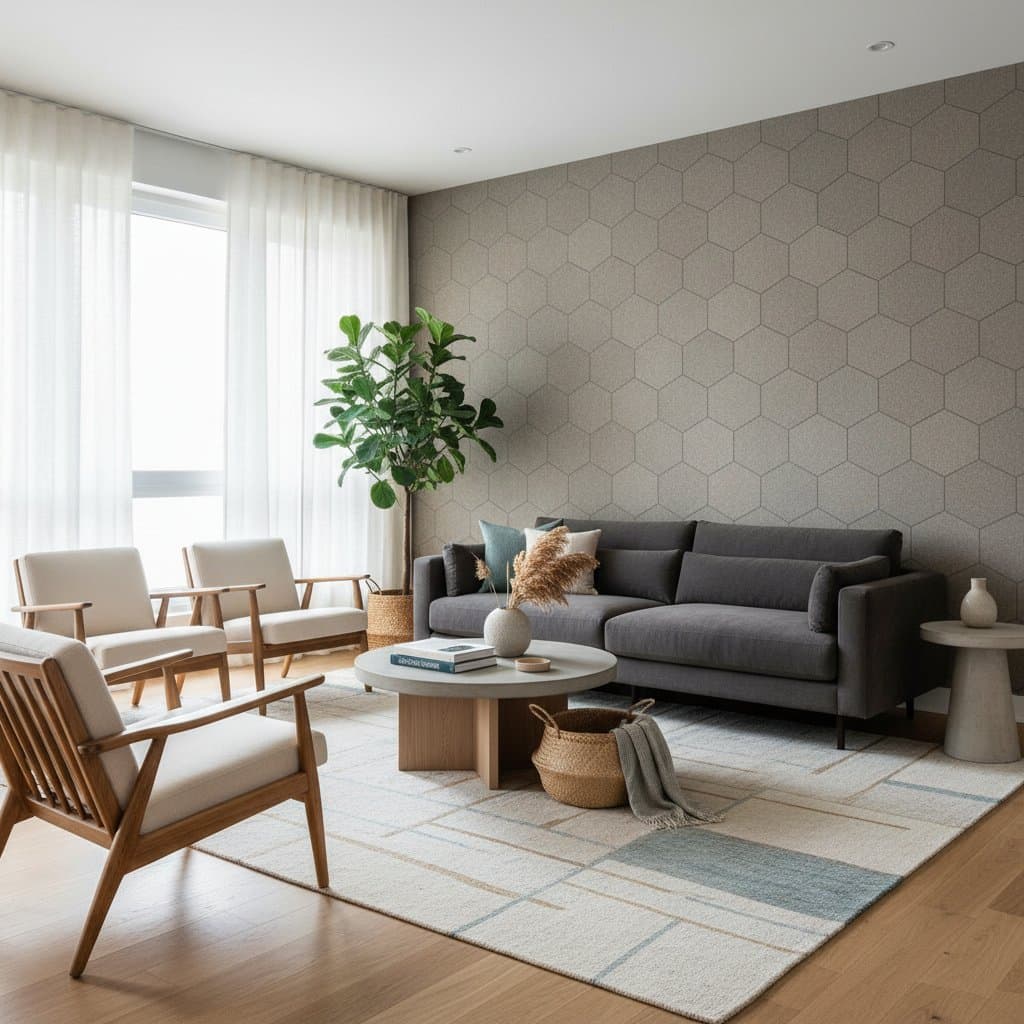
One popular choice involves slatted wood systems, featuring slim oak or walnut strips over dark absorptive felt. Intervals between slats scatter sound, while the wood infuses warmth. Panels fit single walls or span ceilings for seamless coverage. Alternatively, soft felt tiles deliver vibrant patterns, arranged in hexagons, circles, or stripes using harmonious hues.
Architectural designer Jonas Laird stated, “We treat sound panels like any other finish. The texture, color, and rhythm must complement the rest of the room.” This perspective elevates acoustic solutions to deliberate aesthetic decisions.
At a Glance
- Best for: Open-plan living areas, home offices, dining rooms, bedrooms
- Key materials: Felt, wool, cork, wood veneer, recycled PET
- Mounting options: Adhesive, clips, or concealed rails
- Design tip: Alternate materials and depths for balanced absorption and reflection
Before: Echoes in Open Living
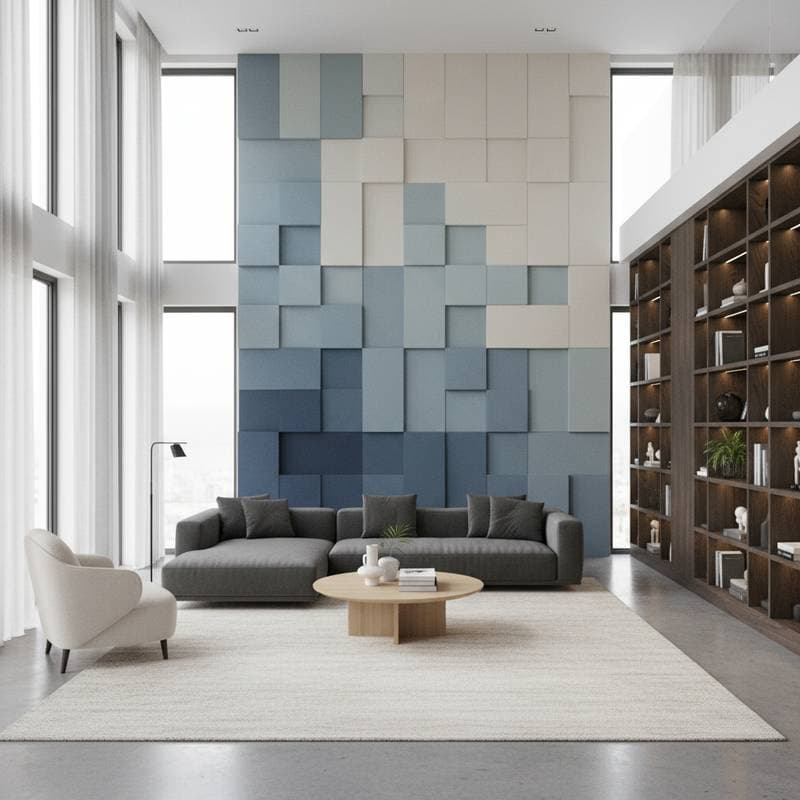
Homeowners often detect acoustic issues post-renovation. Expansive glass, plaster, and stone surfaces form resonant chambers where noises persist. In a urban loft, residents experienced dialogues echoing from the kitchen island to the lounge, disrupting music and intimate talks. The homeowner remarked, “We loved the openness but the noise made it feel chaotic.”
After: Panels as Sculpture
The design team fitted a full-height grid of natural wool panels on the primary wall. Pale oak framing matched the floors, positioning the installation as a centerpiece. Post-installation, speech clarifies, television levels decrease, and the area radiates composure.
Illumination enhances the setup. Recessed lights project gentle shadows over the textured face, emphasizing dimension and softening brightness. The outcome yields a harmonious space that appears intentional and resonates peacefully.
Design Details
- Material: 1 inch (2.5 cm) thick wool felt backed by acoustic foam
- Finish: Oak trim with matte sealer
- Color palette: Warm gray and sand tones
- Mounting: Modular panels on concealed clips for easy removal
- Lighting integration: Linear LED grazers above panels to highlight texture
Beyond the Living Room
This approach extends to bedrooms, offices, and kitchens effectively. In an office, felt panels behind the workstation mitigate reflections from screens and plain walls. Kitchen installations with cork backing serve as message boards while muting utensil sounds.
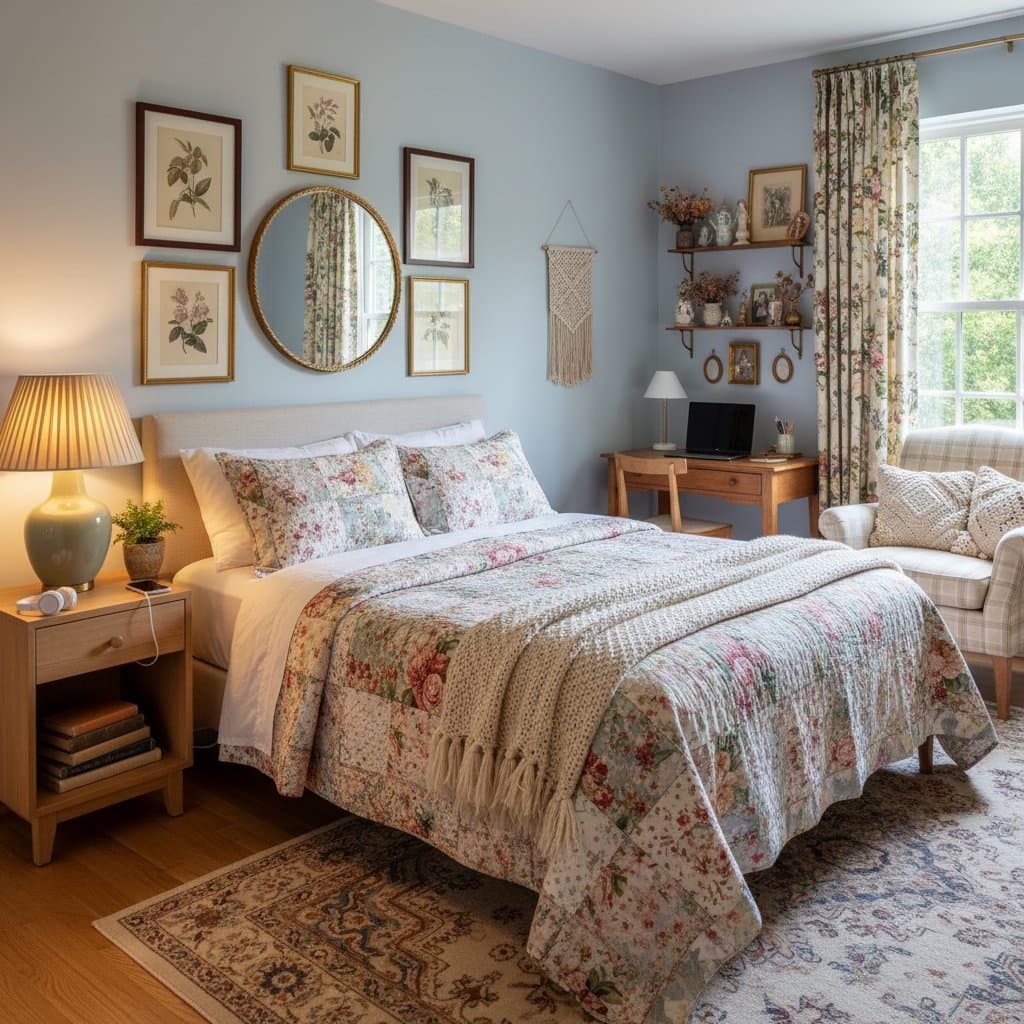
Bedrooms gain from padded headboards extending wallward, combined with overhead panels that lessen footfall echoes from upper levels. In multi-story dwellings, vertical fins along staircases shape the pathway and block inter-floor noise transmission.
How to Choose the Right Panel
- Define the problem area. Pinpoint zones where sounds sharpen or dialogues strain. Corners, ceilings, and glazed sections typically require focus.
- Estimate coverage. Aim for 20 to 30 percent of wall or ceiling area to achieve clear gains.
- Select material and style. Wool and PET felt excel in absorption; wood slats offer diffusion with organic appeal.
- Plan lighting together. Position downlights or grazers to accentuate texture and elevate panels visually.
- Check installation method. Adhesives suit compact spots; clips or rails fit broad or overhead uses.
Smart Storage Moves
Designers integrate acoustics into furnishings. Perforated doors with felt lining hush cabinet noises in kitchens or entertainment zones. Living room built-ins with fabric-backed shelves dampen sounds discreetly. Such integrations preserve clean lines while enhancing livability.
Trade Offs to Consider
- Budget: Quality panels span moderate to high costs based on composition and detailing.
- Maintenance: Vacuum felt and wool periodically for dust; wipe wood slats lightly with moisture.
- Installation: Professionals handle ceiling work for secure, uniform placement.
- Aesthetic balance: Excessive absorption dulls vitality; pair with mirrors or metals for equilibrium.
Adding Acoustic Art
For partial commitments, acoustic art panels provide accessible starts. These feature printed images on taut absorptive fabric over frames, functioning like paintings yet refining sound in lounges or corridors.
Designer Tessa Monroe observed, “Clients love that they can swap the image without losing the sound benefit. It keeps the design flexible.” This suits tenants or those trialing enhancements pre-overhaul.
Sustainable Choices
Eco-considerations influence material selection increasingly. Producers employ recycled PET from bottles, regenerative cork, or binder-free wool felt. These endure, emit minimally, and foster purer air indoors.
Upcycled fabric panels introduce nuanced tones and resilient, matte finishes that resist marks. Opting for regional sources cuts transport emissions and bolsters local artisans.
Essential Insights
- Comfort through quiet: Echo reduction fosters privacy and relaxation.
- Design integration: Panels enhance aesthetics beyond utility.
- Material variety: Choices span plush felt to rigid wood for diverse tastes.
- Flexible installation: Modular setups permit phased implementations.
- Sustainable appeal: Eco-materials deliver ethics and uniqueness.
Living with Your Design
Thoughtfully placed acoustic panels blend seamlessly into routines, elevating them subtly. Without grating rebounds, speech flows naturally, tunes sharpen, and pauses deepen. Gradually, the subdued setting aids concentration, repose, and interactions.
Residents who endured ambient clamor discover quiet as an inherent enhancement. As Kent expressed, “Once you experience a calm acoustic environment, you never want to go back.”
The luxury of silence emphasizes mastery over hush. Acoustic panels sculpt that mastery, layering sound into design's fabric.