Style and Silence: Acoustic Velvet Panels Revealed
Imagine stepping into a living room where every sound feels soft. Conversation flows without echo, and walls invite calm. Lighting glows, textures envelop, and air feels hushed. That quiet magic comes from acoustic velvet panels, a design choice that merges beauty with serenity. These panels suit cinematic home theaters, mindful workspaces, or peaceful bedroom retreats. They transform spaces into sanctuaries of sound and style.
The Growing Desire for Tranquil Interiors
Open-concept living often brings sharp clatter or hollow echoes that make elegant rooms feel unfinished. Homeowners seek ways to reduce noise while elevating design. Traditional soundproofing materials appear bulky or industrial. Velvet acoustic panels shift this narrative. They add tactile richness that absorbs sound and brings depth and color to walls.
Velvet's dense pile softens acoustics by capturing sound waves. Its luxurious surface catches light in subtle, shifting tones. These panels do more than quiet a room. They refine its atmosphere.
Understanding the Acoustic Advantage
Sound behaves indoors by reflecting off hard surfaces like drywall, glass, and hardwood floors. This creates echoes and muddled noise. Soft materials absorb reflections, reduce reverberation, and improve clarity. Velvet, with its thick weave and plush fibers, serves as a natural sound absorber.
Mounted on acoustic backing such as mineral wool or foam, velvet panels reduce mid- to high-frequency reflections that cause ear fatigue. The result is a balanced, comfortable sound environment. This benefits dinner parties, music recording, or quiet reading. The difference proves profound.
Aesthetic Versatility and Design Possibilities
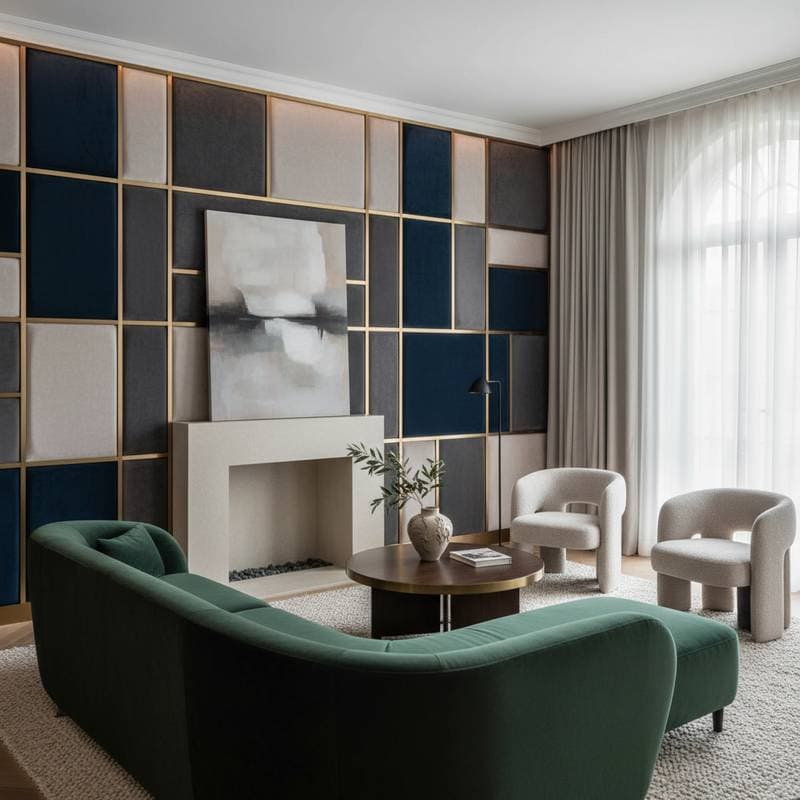
Velvet panels fit modern minimalism, vintage glamour, or cozy classic decor. Designers view them as functional art. They serve a purpose while acting as visual centerpieces.
Consider these approaches:
-
Wall-to-Wall Serenity
Cover an entire wall in deep velvet panels. Charcoal gray, navy, or forest green creates a cocooning effect. This suits media rooms and bedrooms. -
Framed Elegance
Use panels as framed inserts between moldings or picture rails. This adds texture without overwhelming smaller rooms. -
Geometric Layouts
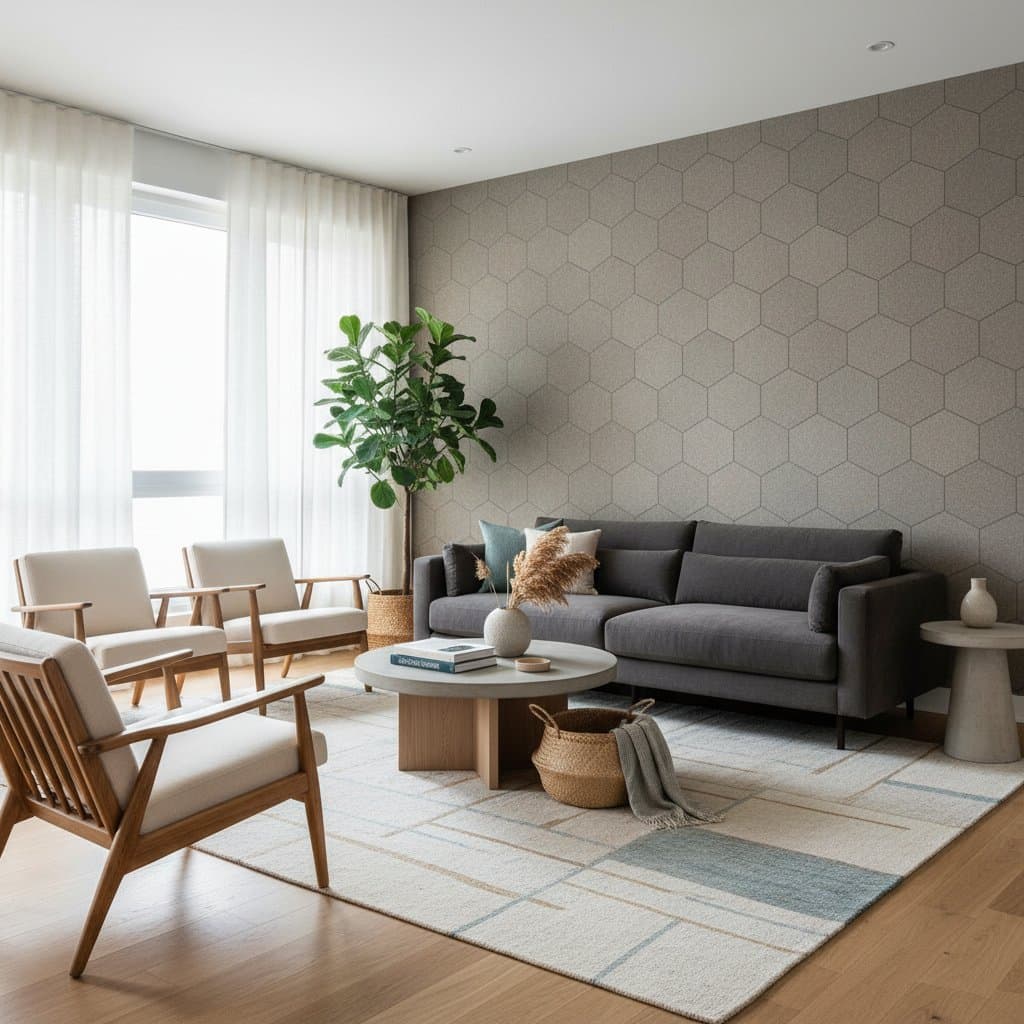
Arrange panels in diamond or hexagonal shapes. This adds movement and dimension. A simple wall feels architectural and dynamic. -
Headboard Extensions
Extend velvet panels beyond the bed frame. This creates a dramatic headboard wall that absorbs sound and adds grandeur. -
Ceiling Treatments
Apply panels above to enhance aesthetics and sound control. This works well in rooms with high ceilings or hard flooring.
Choosing the Right Velvet
Not all velvets perform equally in acoustics. Cotton velvet offers a matte, dense texture that absorbs sound efficiently. It requires extra care in humid climates. Synthetic velvets resist moisture and staining. They suit family spaces or commercial settings. Crushed velvet provides shimmering surface and visual drama but offers slightly less absorption.
For optimal results, select upholstery-grade velvet rated for durability. Pair it with a sound-absorbing core. Manufacturers test fabrics for sound absorption coefficients. This helps choose materials that meet specific acoustic goals.
Installation Paths: Professional Precision or DIY Creativity
Acoustic velvet panels install in two main ways. Pre-fabricated panels arrive ready to mount with concealed brackets or adhesive backings. They ensure consistent results and sleek finishes. Custom installations build on-site for creative freedom in patterning, dimensions, and integrated lighting.
For a do-it-yourself project, frame panels using wooden frames, acoustic foam, and fabric stapling. This method saves costs but demands careful measurement and tensioning to avoid wrinkles. In larger rooms or for professional sound control, hire an experienced installer. Such experts ensure flawless results.
Budget and Cost Considerations
Costs for acoustic velvet panels vary by size, customization, and materials. They range from modest to premium, reflecting craftsmanship and performance.
- DIY or Basic Kits: Start at $50 to $100 per panel, including mounting hardware.
- Custom Panels with Premium Velvet: Range from $20 to $50 per square foot, based on fabric and backing density.
- Professional Installation: Labor adds $500 to $2,000, depending on region and complexity, especially with lighting or framing.
Velvet panels cost more than standard fabrics. Yet they provide unmatched aesthetic and acoustic value. Sound comfort affects mood, focus, and relaxation. This makes them an investment in daily living.
Maintenance and Longevity
Velvet's rich surface needs gentle care. Dust regularly with a soft brush or vacuum attachment to keep fibers fresh. Spot clean with mild fabric cleaner, testing in an inconspicuous area first. Avoid heavy moisture or aggressive rubbing, which can crush the pile. Well-maintained panels retain luster and efficiency for years.
Removable panels benefit from occasional rotation to even out light and wear exposure. Some homeowners refresh panels seasonally. They swap colors for new moods while keeping the acoustic core.
Integrating Velvet Panels into Different Rooms
Each room presents unique opportunities for acoustic velvet panels. Targeted ideas follow:
-
Living Rooms
Create a soft backdrop behind the sofa or entertainment unit. Pair with warm lighting and wool throws for a layered, inviting atmosphere. -
Bedrooms
Install panels behind the bed or around reading nooks for quiet rest. Lighter shades like blush or champagne brighten small rooms while soothing. -
Home Theaters or Media Rooms
Deep, dark velvets improve sound quality and visual immersion. Combine with blackout draperies and plush carpeting for cinematic effects. -
Home Offices
Panels reduce echo during calls and enhance privacy. Select colors like muted greens or calming blues to inspire focus. -
Dining Areas
Install on one feature wall to reduce dish clatter and conversation noise. This forms an intimate acoustic envelope for gatherings.
Climate and Local Adaptation
In humid or coastal climates, synthetic velvet resists moisture and mildew better. In drier regions, cotton velvet provides breathable, natural texture for organic themes. Discuss local conditions with suppliers to select proper materials and ensure ventilation.
Homes with temperature swings require panels to acclimate before installation. This prevents fabric tension and ensures a smooth fit.
Safety and Building Considerations
Velvet panels must meet fire safety standards, particularly in commercial or multi-unit buildings. Suppliers offer fire-retardant finishes that preserve softness while complying with codes. Request certification details before purchase.
Secure mounting prevents sagging or detachment. For ceilings, professional installation is essential. Consult licensed contractors to verify anchoring and wall integrity.
Beyond Soundproofing: The Emotional Impact
Velvet carries emotional resonance through its inviting texture, warm color depth, and quiet sheen. Combined with acoustic engineering, it brings sensory balance. A quiet room achieves more than technical success. It offers calm as a gift.
Consider spaces for unwinding. Velvet panels create gentle silence that clarifies thoughts, eases conversation, and envelops in comfort. They turn ordinary moments into rich experiences.
Steps to Incorporate Velvet Panels
Transform your home theater, office acoustics, or bedroom with acoustic velvet panels. They provide a path to beauty and tranquility. Begin by visiting design showrooms for inspiration. Order fabric samples to compare textures and tones in natural light.
For installation, connect with professionals skilled in sound design and interiors. Experience how silence becomes a design feature. With these panels, quiet gains visibility, texture turns functional, and walls anchor your home's atmosphere.