Acoustic Panels: Art That Tames Living Room Noise
Imagine walking into your living room after a long day. You encounter a jumble of echoes bouncing off every wall. The laughter from the kitchen sounds sharp. The television audio feels muddled. Even quiet conversations appear louder than intended. That constant hum of reflected sound turns your intended sanctuary into a source of stress. A beautifully simple solution exists that preserves design while enhancing comfort: acoustic panels.
When Your Living Room Has Too Much to Say
Open-concept homes, tall ceilings, and hardwood floors offer undeniable appeal. These features amplify sound in unexpected ways. The surfaces that create a bright and airy feel also transform noise into a persistent companion. Conversations overlap. The soundscape grows chaotic. A cozy movie night loses its appeal.
Clap your hands and listen for a sharp echo. You experience what designers term reverberation. This issue extends beyond acoustics. It influences the overall sense of calm or chaos in the space. Reducing reverberation reshapes your living room into the oasis envisioned upon moving in.
The Beauty of Acoustic Panels
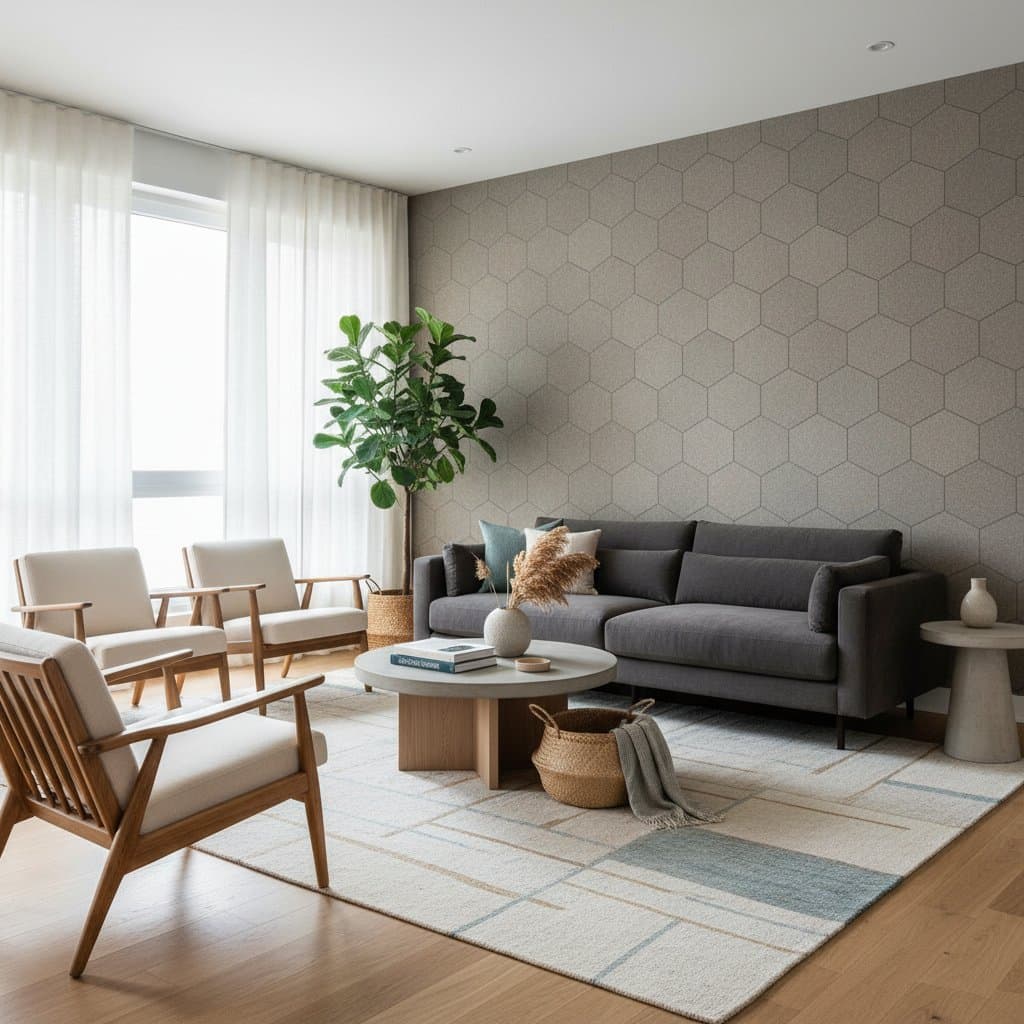
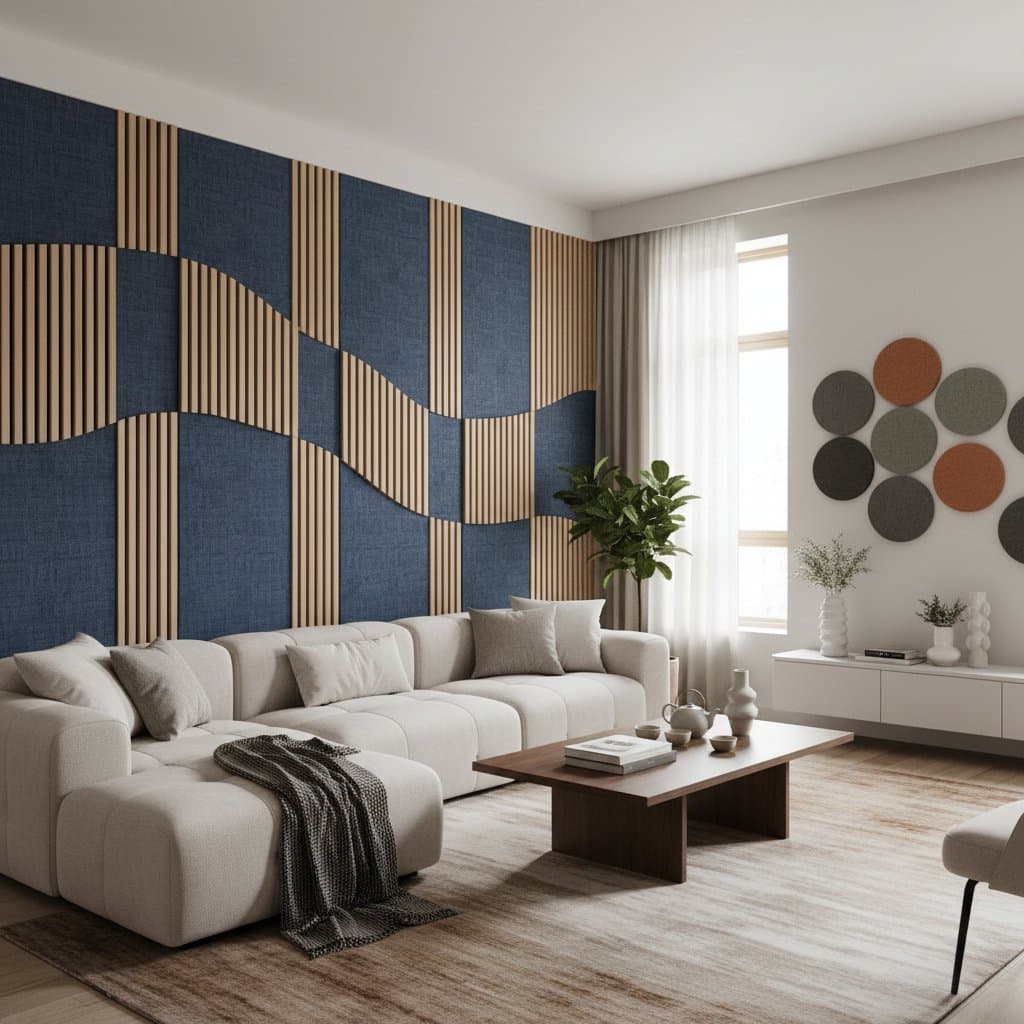
Acoustic panels transcend the gray, utilitarian squares once limited to recording studios. Modern designs serve as statements of style. Materials include wood, felt, or fabric. Options span every color, shape, and texture imaginable. Choose soft geometric patterns, bold abstract art, or natural wood slats inspired by local craftsmanship. A style exists to match any taste.
Their dual purpose defines their appeal. Panels absorb sound waves to prevent bouncing. They also function as decorative elements that elevate wall aesthetics. The goal surpasses mere quieting. It involves curating an intentional and balanced living environment.
How Acoustic Panels Work
Every sound creates vibrations that travel through the air. These vibrations strike surfaces and reflect. Hard surfaces bounce them back. Porous materials absorb them. Acoustic panels capture sound waves within fibers or foam cores. The panels convert this energy into subtle heat rather than noise. The outcome delivers a softer, cleaner auditory experience.
Install panels at ear level on walls prone to reflection. Common spots include areas behind the sofa or opposite the television. Ceiling-mounted options address vertical echo effectively. Select panels with noise reduction coefficients above 0.5 for noticeable impact in medium-sized rooms.
Choosing the Right Style and Placement
-
Identify your sound issues. Position yourself in various room areas and listen carefully. Note if voices sound harsh or television dialogue proves difficult to discern. Pinpoint intrusive noise sources to direct placement decisions.
-
Match your design vision. Explore fabric-wrapped panels, those printed with custom art, or sculptural wooden slats. Align choices with your home's color palette and architectural style. For minimalist spaces, opt for neutral tones; in vibrant rooms, select patterned fabrics.
-
Plan for balance. Distribute panels evenly across reflective surfaces. In a 15-by-20-foot living room, three to five panels often suffice for initial improvement. Avoid clustering to prevent uneven sound control.
-
Mix textures. Integrate panels with rugs, curtains, and upholstered furniture. This layering absorbs sound naturally while maintaining an inviting atmosphere. Thick wool rugs, for instance, complement wall panels by dampening floor reflections.
Budget and Installation Considerations
Acoustic panels accommodate diverse budgets. Basic fabric versions cost similarly to framed wall art, starting at $50 per panel. Custom wood or art-printed options range from $200 to $500 each. For a standard living room, allocate $300 to $1,500 total, depending on scale and materials.
Homeowners often handle installation independently. Panels remain lightweight and include mounting kits with adhesive hooks or screws. For ceiling applications or complex arrangements, engage a local contractor for accuracy and safety. Verify wall compatibility; plaster or concrete surfaces demand specialized anchors.
If planning proves challenging, consult professionals familiar with acoustics and design. They assist with layout, material choices, and secure setup to optimize performance.
Local and Climate-Specific Tips
Humidity and temperature variations impact material durability. In coastal or humid areas, choose panels with moisture-resistant backings. Steer clear of untreated wood to prevent swelling. Drier climates suit felt or cork panels, which resist cracking and warping.
Local artisans frequently produce panels from sustainable, region-appropriate materials. These options incorporate community aesthetics, such as reclaimed barn wood in rural settings or recycled ocean plastics in seaside locales. Such choices enhance environmental harmony.
Safety and Maintenance
Reputable acoustic panels utilize fire-rated materials that comply with residential safety standards. Verify certifications like Class A fire rating before purchase. This ensures protection in high-traffic family areas.
Maintenance requires minimal effort. Use a soft vacuum attachment or lint roller on fabric panels to remove dust. Wipe wood surfaces with a dry cloth. Refrain from harsh cleaners, as they may degrade acoustic fibers or protective finishes. Regular care preserves both appearance and effectiveness over years.
Realizing Everyday Comfort Through Sound Control
Installation reveals immediate changes. Sound warms noticeably. Conversations gain intimacy. The room exhales a sense of peace. Music plays with enhanced clarity. Moments of silence enrich the experience.
Your living room fulfills its potential as a visual and auditory centerpiece. It serves as a genuine retreat from external demands. Acoustic panels achieve this without sacrificing aesthetic appeal. Tailor them to minimalist Scandinavian styles, lush bohemian lounges, or sleek modern designs. The result bridges form and function seamlessly.