Acoustic Panels: Advanced Sound Control for Modern Homes
Imagine arriving home after a long day, ready to unwind in your living room, only to face interruptions from traffic sounds, footsteps overhead, or echoes off hard surfaces. These disturbances shatter peace and prevent true relaxation. Acoustic panels offer an elegant solution, merging innovative materials with visual charm to create balanced, quiet interiors.
Why Acoustic Control Matters in Today's Homes
Modern home designs often feature open floor plans, high ceilings, and smooth surfaces that amplify sound reflections. This configuration creates unwanted echoes that interfere with comfort. Acoustic panels absorb these sound waves, fostering a calmer atmosphere without altering the room's appearance.
People install panels in various settings, including dedicated home offices, entertainment rooms, or restful bedrooms. These elements go beyond noise reduction; they support thoughtful space planning where materials and positions improve overall wellness.
Choosing the Right Acoustic Panels
Start by identifying your goals, whether blocking outside noise or improving sound clarity for discussions, media viewing, or quiet reflection. Consider these key factors to match panels to your space:
-
Materials and Build Quality
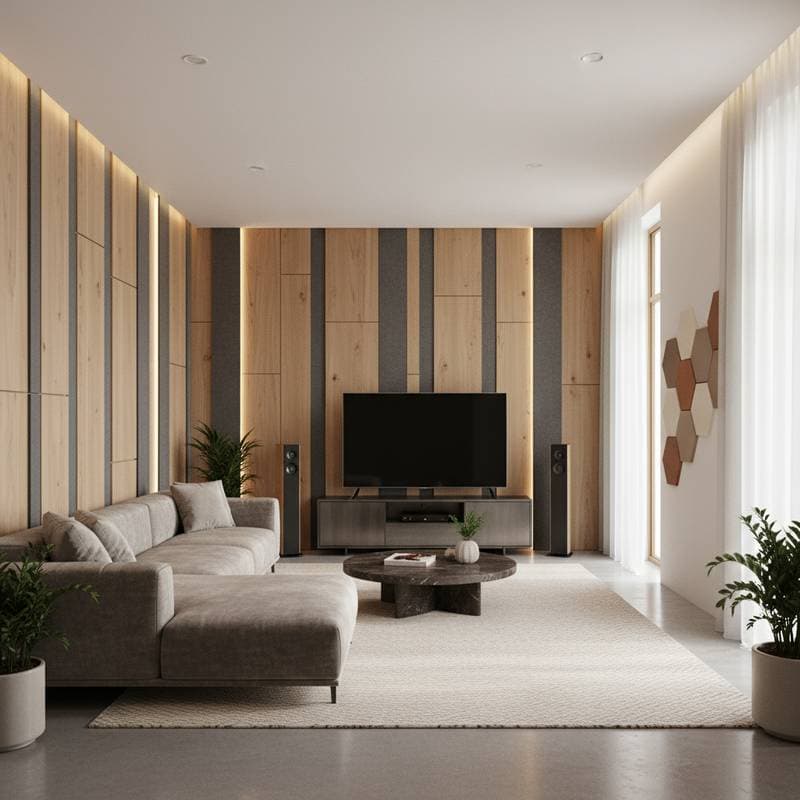
Materials such as porous fabrics, wool mixtures, or high-density foams provide excellent absorption, often with noise reduction coefficients exceeding 0.8. For added sophistication, select panels wrapped in luxury fabrics or finished with wood veneers over absorbent cores. These options deliver natural texture and maintain high performance levels. -
Design and Placement Options
Panels come in forms ranging from grid systems to bespoke wall art, fitting any decor style. Place them on walls facing sound sources or hang from ceilings in busy areas for best results; for example, position pairs around seating zones to reduce voice echo during conversations. -
Color Choices and Textures
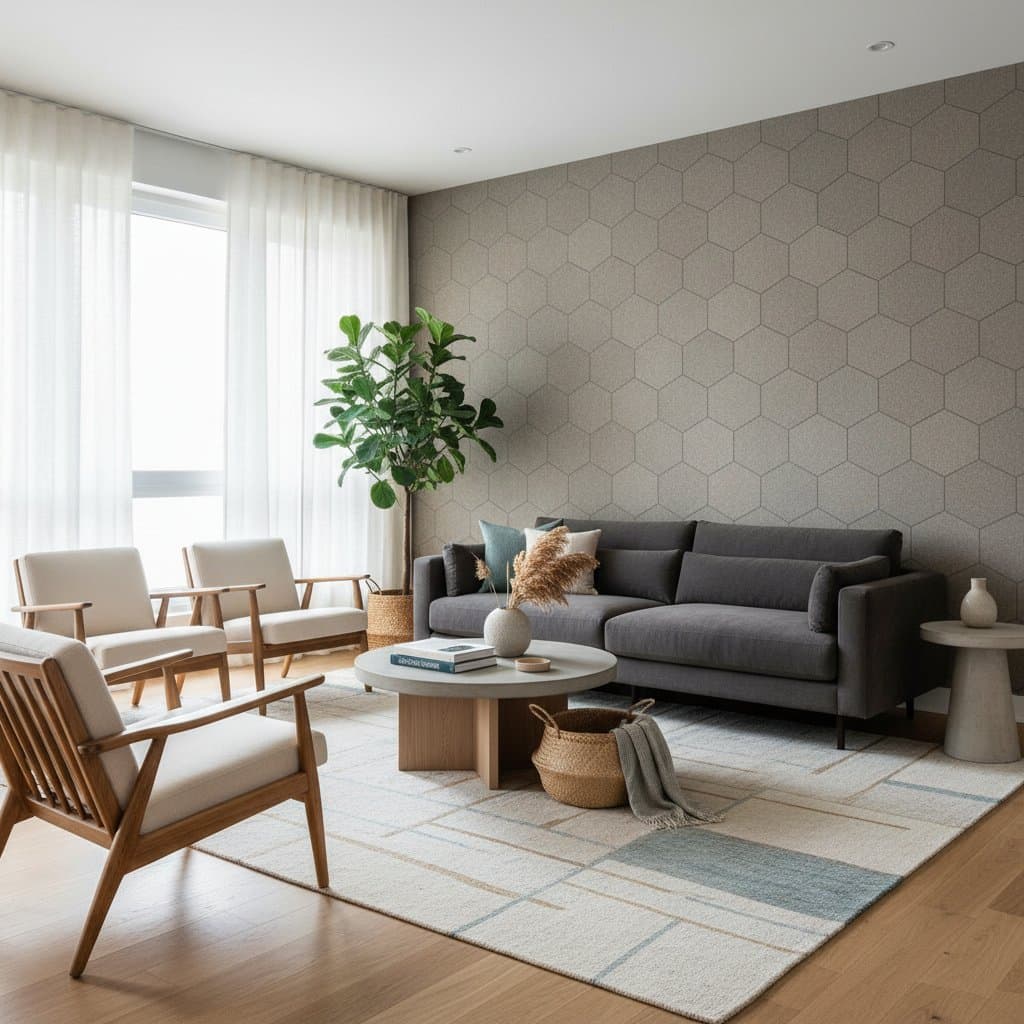
Opt for neutral tones like light gray or taupe to blend seamlessly in minimalist environments. Bold colors such as deep navy, forest green, or terracotta accents draw attention in varied spaces. Textures from sleek fabrics to intricate weaves add dimension, enhancing both acoustics and visual interest.
Steps to Implement Acoustic Enhancements
-
Assess Your Space's Needs
Tour your home to identify areas with echo issues, such as large living rooms, long corridors, or multipurpose studios. Perform a clap test: clap your hands sharply and listen for lingering reverberation, which indicates spots requiring treatment. -
Plan and Calculate Requirements
Consult an acoustics expert or use design software to calculate the number of panels needed based on room size and target noise levels. In a typical 200-square-foot space, four to six panels can achieve significant improvements in sound clarity. -
Install with Precision
Attach wall panels using strong adhesive hooks or Z-clips for easy, non-permanent fixes suitable for rentals. For ceiling installations, use robust anchors into joists or heavy-duty wires supporting at least 50 pounds per panel. Adhere to manufacturer instructions to preserve the panels' absorption properties. -
Blend with Existing Decor
Combine panels with elements like soft lighting or area rugs to heighten warmth. This integrated method allows acoustics to support the overall design without overpowering it.
Costs, Timelines, and Practical Considerations
Acoustic panel prices vary by material and customization: basic foam types cost $3 to $8 per square foot, while custom fabric-covered or artistic designs reach $30 to $60 per square foot. Professional installation, especially for ceilings or complex arrangements, adds $500 to $2,000 per room based on the project's demands.
Most projects take three to seven days from order placement to finish, with shipping usually requiring one to two weeks. Check local regulations for ceiling or wall changes in apartments; permits might be necessary for structural adjustments.
Work with professionals trained in sound engineering and interior design to prevent common errors. Online directories help connect you with specialists in acoustic solutions and aesthetic harmony.
Build a Calmer Home Environment
Acoustic panels enable the creation of living spaces filled with intention and tranquility. They extend far beyond simple noise management, cultivating areas that refresh the mind and body each day. Choose setups that reflect your daily routines, from understated additions to prominent displays, and experience how superior sound quality enriches time spent indoors.