Living Rooms Become More Comfortable with Acoustic Panels
A calm living room provides essential rest after a demanding day. Many homes contain hidden noise sources that hinder relaxation. Hard floors, tall ceilings, and large windows reflect sound and produce echoes that distort conversation. Acoustic panels address these issues by combining sound control with visual appeal.
Why Sound Quality Affects Daily Comfort
Sound shapes the mood of a space alongside color and light. Excessive echo creates restlessness during ordinary activities. Television audio carries too far, voices seem amplified, and background noise persists. Acoustic panels reduce these reflections to produce clearer speech and warmer music playback.
How Acoustic Panels Absorb Sound
Acoustic panels capture sound waves before they reflect from surfaces. Manufacturers construct them from compressed felt, natural fibers, or foam covered in fabric. Strategic placement lowers reverberation and distributes sound evenly. The outcome is a controlled acoustic environment rather than complete silence.
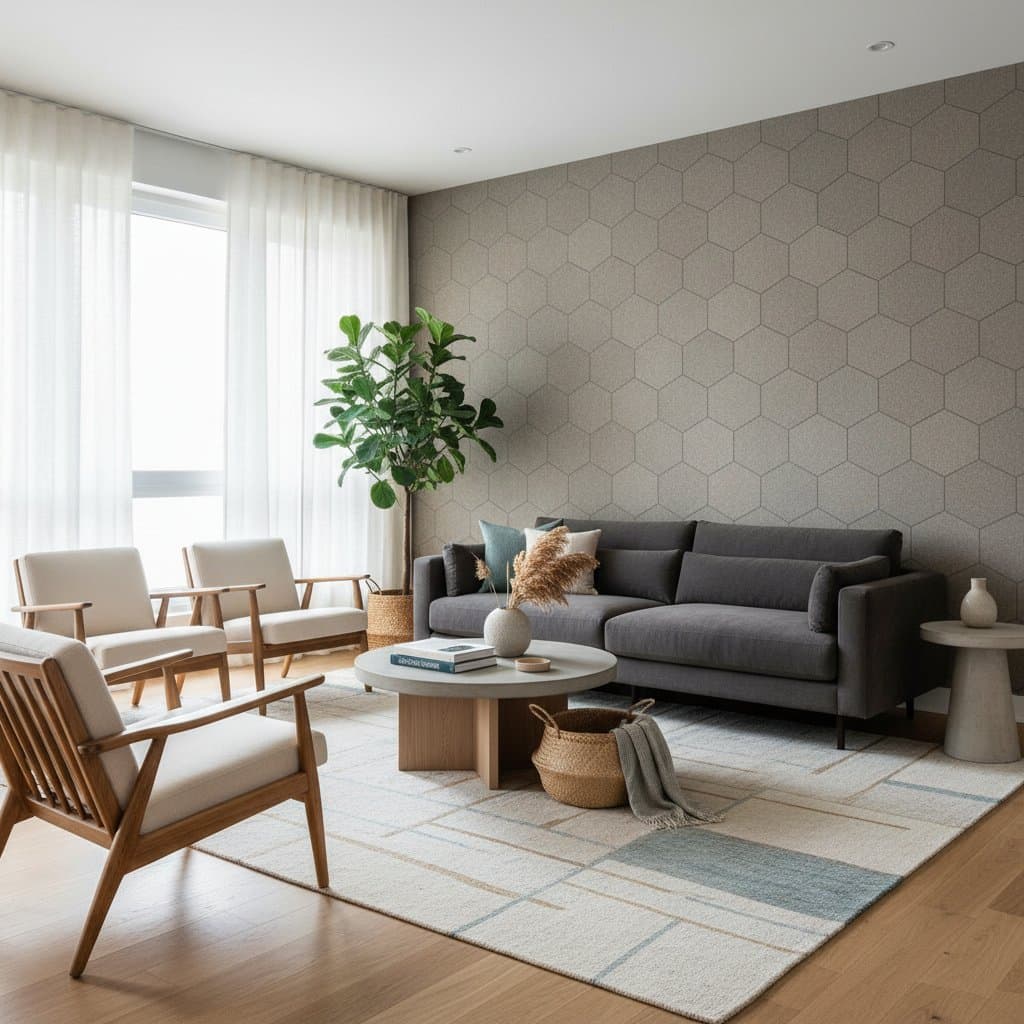
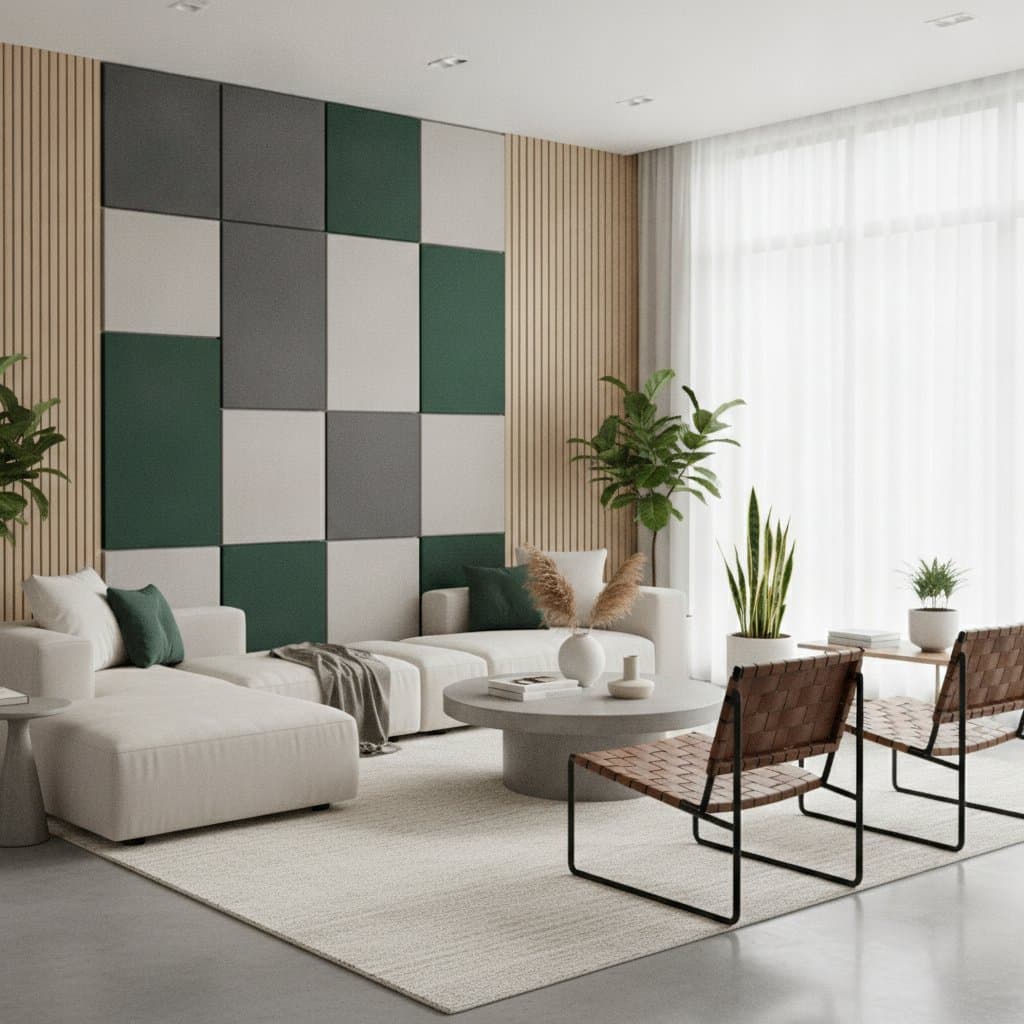
Modern panels serve as decorative elements. Available options include textured fabrics, wood slats, geometric forms, and printed surfaces that resemble artwork. Some designs incorporate shelving to combine utility with style.
Selecting Panels That Match Your Interior
Effective acoustic treatment integrates with existing décor. Consider the dominant materials and color palette of the room.
- Fabric panels create an upholstered surface. Select warm neutrals to increase coziness or saturated hues for visual interest.
- Wood veneer panels introduce linear texture. They suit minimalist or organic schemes and complement plants or daylight.
- Felt tiles permit custom patterns. Arrange them to accent modern or playful settings.
- Printed panels replicate artwork or photography while providing sound absorption.
Position panels on upper walls or ceilings in rooms with high ceilings. In smaller spaces, target reflection points behind seating or beside media equipment.
Practical Installation Steps
Begin with targeted additions rather than a full renovation.
- Assess the room by turning off all devices and speaking normally to locate echo sources.
- Treat one primary wall first, typically the surface opposite windows or open areas.
- Mount panels as part of an existing gallery arrangement alongside framed images.
- Layer additional absorption through curtains, rugs, and upholstered furniture.
- Evaluate results after several days and add panels only where residual reflections remain.
Integrating Function with Aesthetics
A balanced acoustic space retains vitality. Choose materials with appealing tactile qualities and colors that support the intended atmosphere. Soft grays, sandy beiges, and muted greens promote stability. Brighter accents supply energy where needed.
Lighting enhances texture. Position fixtures to graze panel surfaces and emphasize material depth. In open plan layouts, clustered panels above seating areas define conversation zones while smoother finishes near work areas maintain activity.
Addressing Installation Concerns
Cost and complexity often delay adoption. Several approaches reduce barriers.
- Adhesive or clip systems eliminate drilling requirements.
- Freestanding or movable panels allow testing before permanent placement.
- Budget options combine commercial panels with fabric covered cork or felt lined canvas frames.
Renters can use removable hangings such as thick woven textiles to achieve measurable improvement.
Maintaining Acoustic Performance
Reduced echo changes how occupants experience the room. Conversations become more focused. Music playback requires less volume. The environment supports mental ease during rest periods. Panels contribute to this shift by managing auditory input alongside visual design.
Dust panels regularly with a soft attachment. Reassess acoustics after furniture changes or rearrangements. Panels can relocate to different walls during future updates to maintain performance and appearance.