Acoustic Panels as Bold Living Room Statement Pieces
A quiet home fosters a profound sense of calm. Balanced sound ensures clearer conversations and a gentler atmosphere. However, many living rooms suffer from unintended echoes due to hard floors, expansive windows, and open floor plans, which amplify noise and sharpen voices. Acoustic panels address these issues practically while offering opportunities to enhance the room's overall aesthetic through deliberate placement and innovative designs.
Rethinking What Acoustic Panels Can Be
Historically, acoustic panels functioned primarily as utilitarian devices for noise reduction, often concealed from view. Today, they emerge as integral components of contemporary home decor. Designers and homeowners select panels that introduce texture, depth, and patterns alongside effective sound absorption. Rather than concealing them, individuals position these elements prominently, transforming them into artistic focal points that lend intention and cohesion to living spaces.
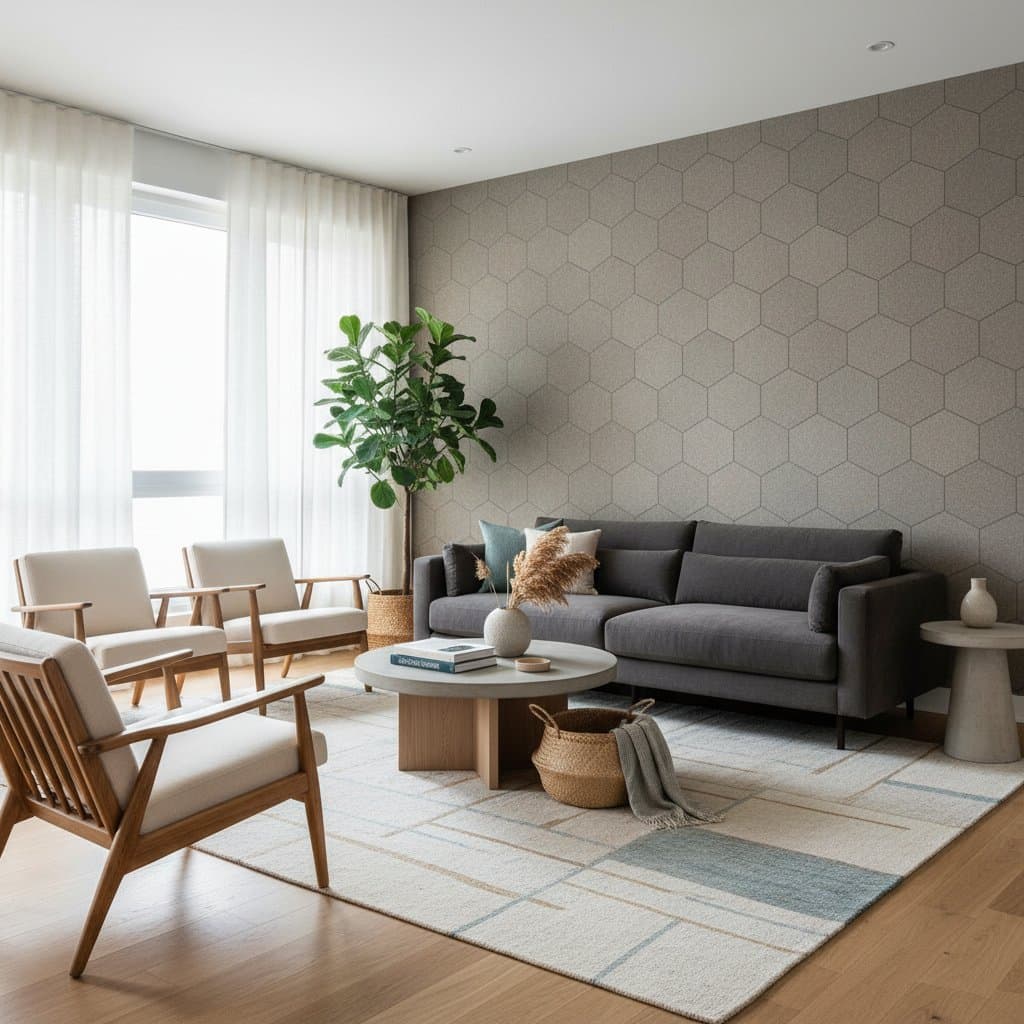
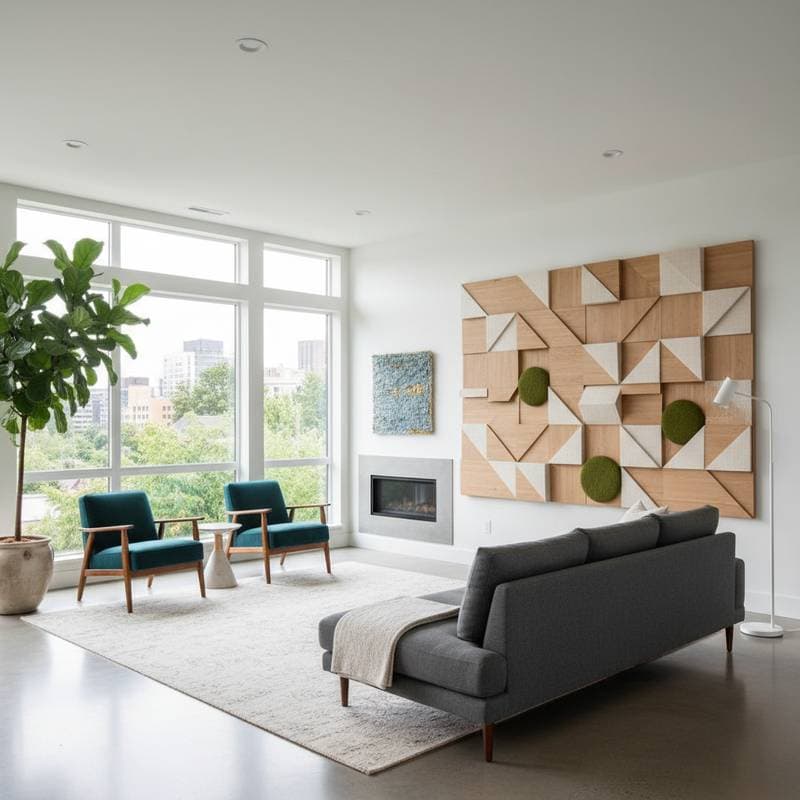
Consider a wall covered in layered felt panels in deep charcoal tones, or a geometric arrangement crafted from warm oak that serves dual purposes as both decor and sound diffuser. Such options abound, allowing each installation to alter the room's ambiance, converting an echo-prone area into an inviting haven for dialogue and relaxation.
Why Sound Matters at Home
Comfort in a home encompasses visual appeal as well as auditory harmony. Unchecked sound waves generate ongoing reflections that foster subtle unease, prompting raised voices or unexplained restlessness. Acoustic panels interrupt this cycle, promoting tranquility, warmth, and ease of use.
This acoustic balance permeates everyday routines. During movie evenings, audio gains richness and nuance. Music playback achieves greater fidelity. Solitary activities, such as reading or enjoying a cup of tea, feel more centered and immersive. Such adjustments subtly reshape daily home experiences.
Choosing a Style That Fits
Acoustic panels vary widely in form, material, and hue. Approach selection by viewing them as purposeful design elements. Consider these categories to align with your vision:
- Textile warmth: Materials like felt or wool provide coziness and superior sound absorption. Opt for earthy or subdued shades to achieve a layered, serene aesthetic.
- Wood accents: Slatted designs in oak or walnut introduce rhythmic patterns on walls, combining acoustic benefits with organic warmth.
- Graphic geometry: Hexagonal, striped, or abstract configurations elevate plain walls into dynamic centerpieces.
- Minimalist tone-on-tone: Select panels matching the existing wall color for understated impact; subtle textures interact with light while dampening noise.
- Art-inspired compositions: Designs resembling contemporary artworks or relief sculptures infuse artistic sophistication into straightforward interiors.
Evaluate the desired emotional tone for the space, whether vibrant energy or tranquil repose, to inform decisions on color and texture.
Placement That Balances Beauty and Function
Effective sound management requires distributed coverage on reflective surfaces, including walls facing large windows or positioned behind seating zones. Begin with a single accent wall or integrate smaller units throughout the area.
Strategic arrangements reshape the living room's character. Position panels behind the sofa to define the seating zone, or install them above a console table to establish a visual anchor point. Grouped forms suggest dynamic flow, whereas aligned patterns convey stability and poise. In expansive or open layouts, incorporate ceiling-suspended options to address overhead reverberations.
For optimal results, measure the room's dimensions and identify primary sound sources, such as entertainment systems or conversation hubs. Test temporary placements with removable adhesives to preview effects before permanent installation.
A Weekend Project with Lasting Results
Mounting acoustic panels qualifies as an accessible weekend endeavor. These units remain lightweight, requiring only basic tools for secure attachment. Dedicate time to precise measurements, layout planning, and installation; by the project's end, the space will exhibit renewed acoustic and visual qualities.
The activity itself proves meditative: aligning edges, adjusting fabrics, and observing incremental transformations. For apartment dwellers or renters, prioritize adhesive-backed or hook-and-loop systems that permit removal without surface damage. Even limited applications, such as three to five panels in key locations, yield measurable improvements in sound quality.
Daily Living with a Softer Sound
Following installation, the transformation becomes evident without delay. Ambient noise settles into a subdued resonance, enabling music and discussions to occupy natural volumes. This refinement encourages prolonged relaxation on the sofa or draws individuals to the space for routine rituals like morning coffee.
Over time, the environment supports deeper rest and meaningful interactions, fostering a home that nurtures well-being through sensory equilibrium.
Achieving Acoustic Harmony in Your Space
Acoustic panels illustrate how utilitarian features integrate seamlessly with aesthetic excellence. They affirm that functionality and style coexist without compromise. Through curated textures, hues, and positioning, craft a living room that radiates polish while delivering enduring peace.
Assess your current acoustics, then proceed with purposeful enhancements to realize a space attuned to both sight and sound.