Chic Noise Reduction: Acoustic Panels for Living Rooms
Picture yourself relaxing in your preferred armchair with a warm cup of coffee, yet disrupted by the neighbor's music seeping through the wall or the persistent echo of voices within the room. Such intrusions often invade the peaceful interludes people seek. Fortunately, acoustic panels provide an effective solution, turning a living room into a tranquil haven while serving as elegant decorative elements.
The Opportunity Behind the Noise
Every living area conveys a unique narrative, and sound plays a crucial role in that story. Excessive echoes or external disturbances diminish the room's coziness and complicate interactions among occupants. Homeowners frequently view soundproofing as a mere technical necessity, yet it presents a chance to enhance aesthetics. Modern acoustic panels surpass the utilitarian foam blocks once confined to studios; they now feature sophisticated fabrics, intricate patterns, and bespoke hues that harmonize with diverse interior themes.
The Appeal of Acoustic Panels
These panels excel at muting harsh sounds while preserving visual elegance. Residents of urban apartments amid city clamor or suburban homes seeking serenity alike benefit from their application. The panels do more than suppress noise; they foster an equilibrium between auditory comfort and stylistic flair.
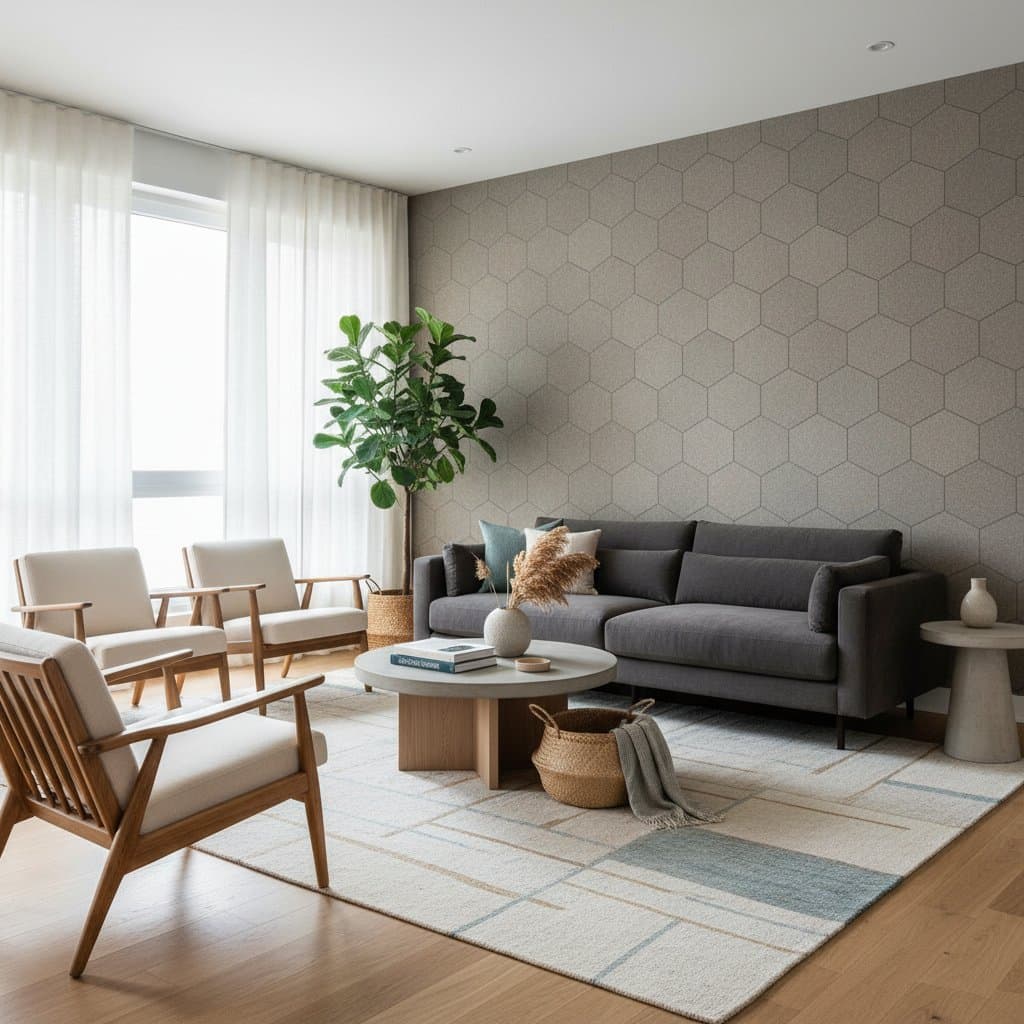
Options range from subtle integrations that mimic wall textures to striking focal points that command attention. Materials vary widely, including sustainable fibers and dense foam encased in premium textiles, enabling personalized expressions of creativity.
How Acoustic Panels Work
Acoustic panels function by capturing sound waves that would rebound from rigid surfaces like walls, floors, or ceilings. They act as subtle absorbers, dissipating vibrational energy to prevent it from amplifying into distracting reverberations. Proper positioning ensures the room achieves acoustic equilibrium, promoting ease and enjoyment.
Consider these placement strategies for optimal results:
- Primary Reflection Points: Position panels behind seating arrangements or on the wall facing audio sources such as speakers or televisions to intercept direct sound paths.
- Ceiling Clouds: In spaces with elevated ceilings, hang suspended panels to control vertical echoes and introduce architectural interest.
- Corner Treatments: Corners accumulate sound buildup, so installing panels there enhances overall clarity and reduces muddled audio.
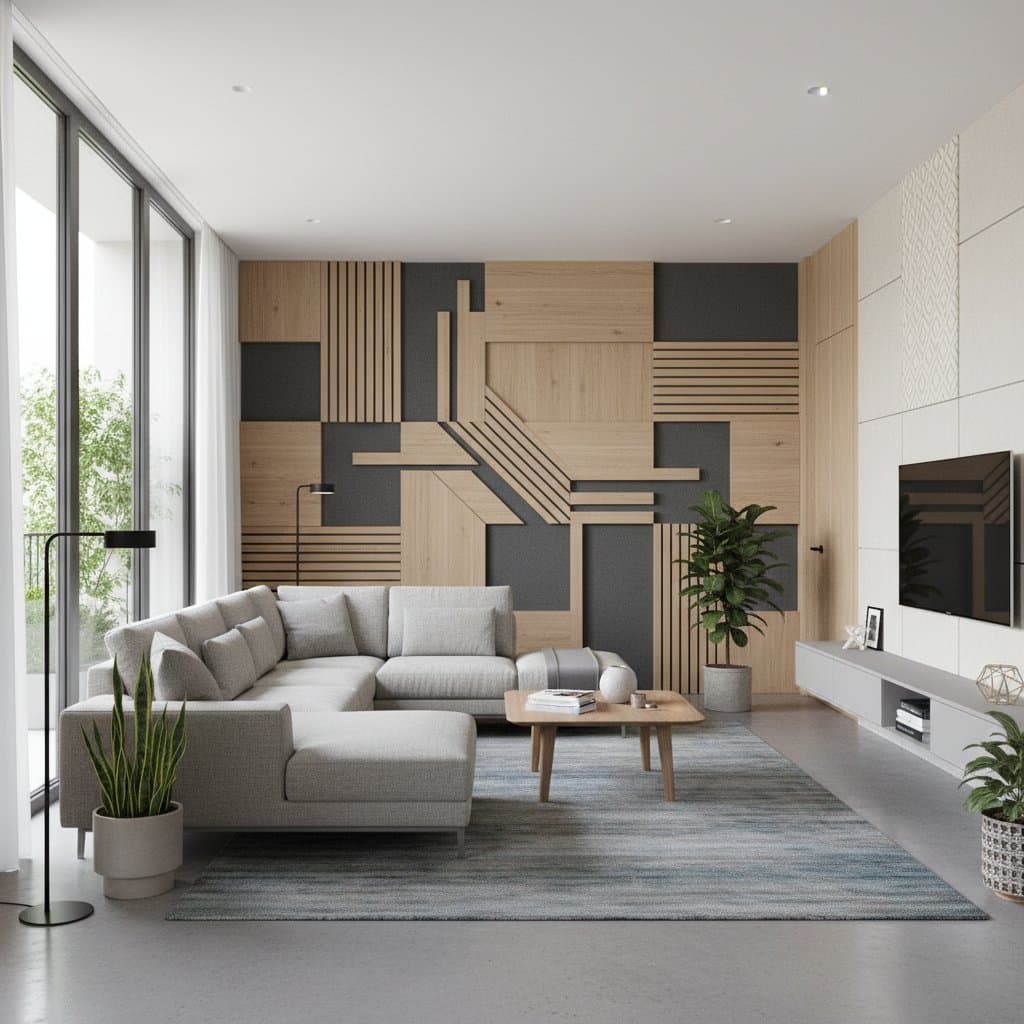
- Artistic Layouts: Organize panels into symmetrical or asymmetrical designs, resembling contemporary art installations for both function and form.
For larger rooms, combine multiple strategies; for instance, pair wall panels with floor-standing absorbers near entryways to address drafts of noise.
Choosing the Right Design for Your Space
Selection involves balancing acoustic efficacy with individual taste. Evaluate the room's dimensions, existing color scheme, and usage patterns to guide choices.
- Fabric-Wrapped Panels: These deliver a plush, cushioned appearance suitable for classic or blended decor styles, often available in linen, velvet, or suede finishes.
- Printed Panels: Customize with motifs like serene seascapes, geometric abstractions, or personal images to infuse the space with narrative depth.
- Wood-Faced Panels: Ideal for contemporary or earthy environments, these incorporate slatted timber over absorptive cores, providing texture and organic warmth.
- Eco-Friendly Options: Opt for constructions from reclaimed plastics, cork composites, or sheep's wool, which minimize environmental impact while delivering robust performance.
Regional conditions matter as well. In areas prone to humidity, select panels with antimicrobial coatings or synthetic fabrics to resist mold growth. Arid locales favor natural materials that retain vibrancy without cracking.
To measure needs, calculate square footage: aim for 20 to 30 percent coverage of wall and ceiling surfaces for moderate noise control, adjusting upward for high-traffic areas.
Practical Considerations: Cost, Installation, and Maintenance
Budgets typically range from $300 to $3,000, influenced by room scale, panel quantity, and material quality. A modest 200-square-foot living room may require eight to twelve panels for substantial gains. Professional installation guarantees stability and precision, particularly for heavier units, though self-adhesive varieties simplify DIY efforts with minimal tools.
Remember, panels primarily absorb internal echoes rather than isolate external sounds completely. For enhanced isolation in noisy locales, integrate them with thick draperies, plush area rugs, and sealed window treatments. This layered approach amplifies effectiveness without overwhelming the budget.
Upkeep remains straightforward. Employ a soft brush vacuum attachment weekly to remove particulates from fabric exteriors. For stains, use a mild detergent solution on a microfiber cloth, testing inconspicuously first to avoid discoloration.
Prior to commencement, review any structural alterations against lease terms or association bylaws. Engage an acoustics specialist for intricate configurations, such as those incorporating embedded LED strips for ambient lighting.
Integrating Acoustics into Everyday Living
Enhancing acoustics extends beyond mere silence; it cultivates an environment conducive to meaningful exchanges, restful downtime, and social gatherings. Tailor panels to envision a sleek sanctuary or an energetic hub, achieving synergy between utility and allure.
To initiate your project, explore local resources for material sourcing and expert guidance. Professionals versed in acoustic integration can refine selections, optimize arrangements, and oversee execution for seamless outcomes.
Prepare to redefine your living room as a harmonious refuge, where auditory peace complements visual splendor, allowing tranquility and inspiration to thrive in unison.