Acoustic Panels That Double as Stylish Living Room Decor
Sound shapes the daily experience of any living room. Balanced acoustics support clear conversations and fuller music playback. Many rooms suffer from persistent echoes that disrupt comfort. Modern acoustic panels address these issues while serving as intentional wall elements.
Design choices allow these panels to integrate with existing decor. They contribute both acoustic control and visual interest without requiring major renovations.
Selecting Panels That Align With Interior Styles
Acoustic panels now appear in varied forms that suit different room aesthetics. Options range from minimalist layouts to textured natural surfaces. The following directions provide concrete selection guidance.
Textile Warmth
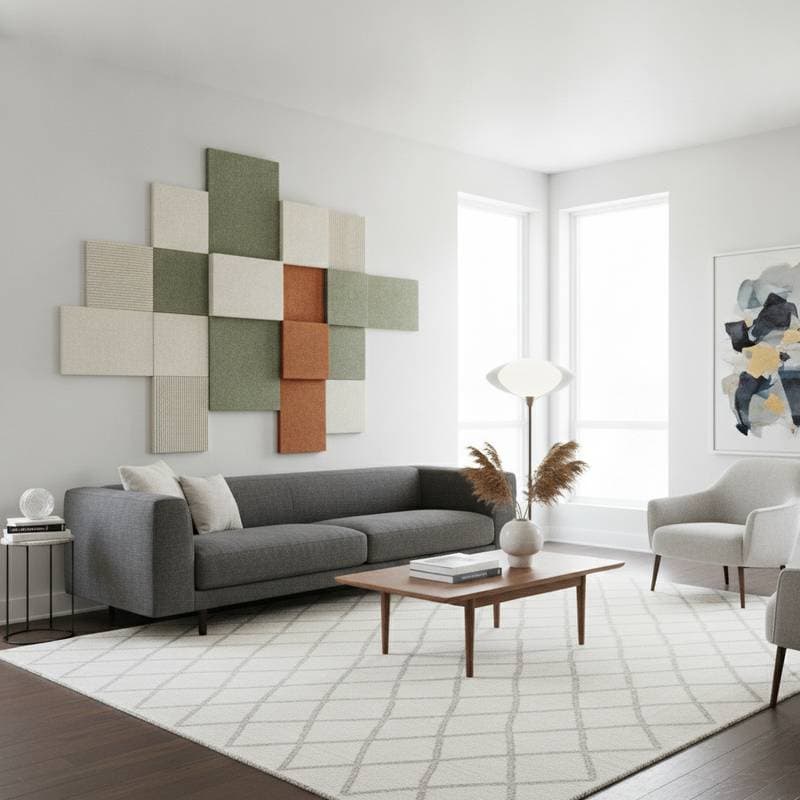
Fabric panels in linen or wool add soft surface texture. Select earth tones to create grounded calm or deeper jewel hues for enclosed warmth. Mount them on simple wood frames or group several units to define a seating zone.
Geometric Forms
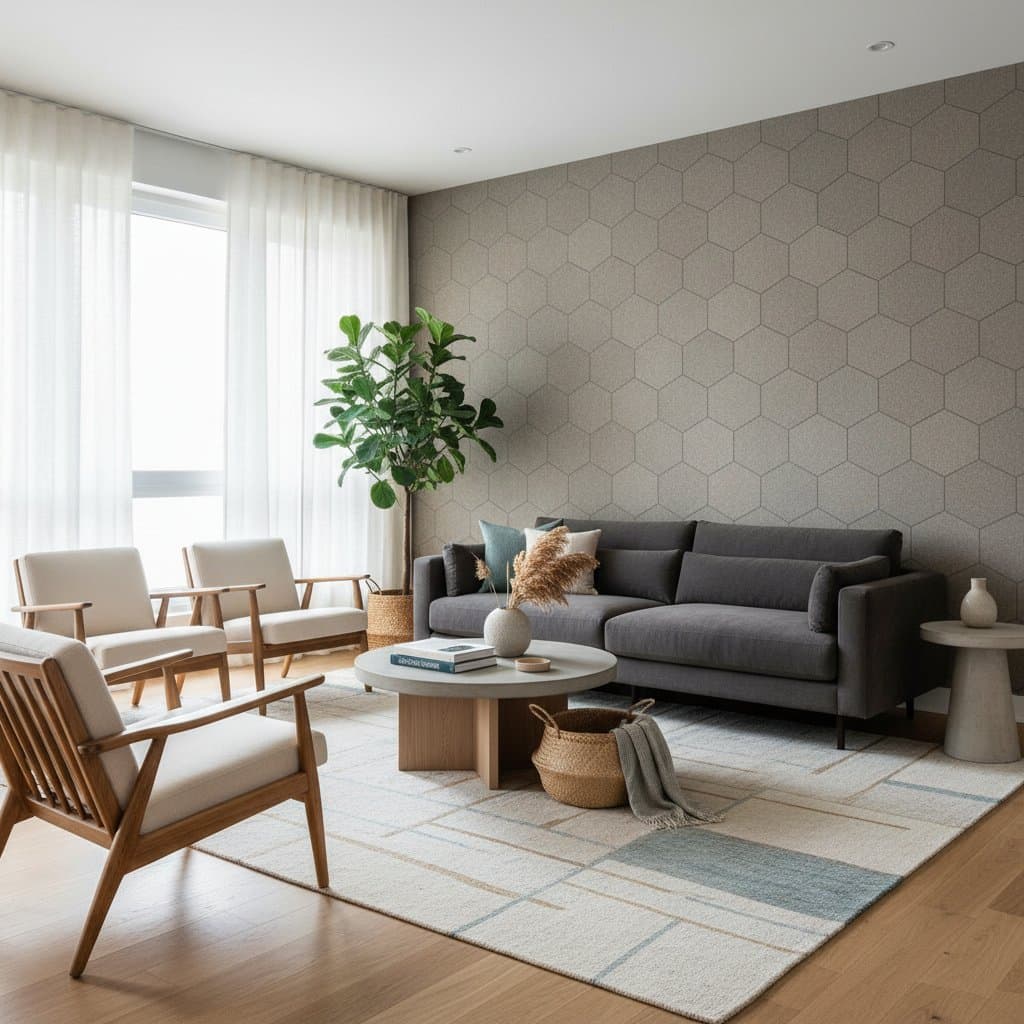
Modular felt or composite panels in hexagonal shapes suit contemporary rooms. Arrange them in offset patterns and combine two tones from the same color family. This produces subtle visual rhythm without overwhelming the wall plane.
Natural Materials
Wood-slat or bamboo panels introduce organic lines that diffuse sound. Pair foam cores with narrow wood facings to achieve the appearance of custom millwork. These choices maintain acoustic performance while matching wood furniture tones.
Printed Surfaces
Panels that carry photographic or abstract prints function as artwork. Position a landscape image or botanical motif behind seating to establish a focal point. The print layer conceals the acoustic material yet preserves sound absorption.
Integrated Elements
Some panels incorporate recessed lighting channels or small shelves. These units add functional depth while maintaining a continuous wall surface. Route low-voltage LED strips behind the panel edge for indirect illumination.
Installation Sequence
A measured approach prevents overcrowding and ensures effective sound control. Follow each stage in order.
- Observe sound behavior by clapping from several seating positions to locate persistent reflections.
- Mark wall areas on paper and confirm panel dimensions leave consistent spacing between units.
- Align panel colors with existing textiles and wood finishes for visual continuity.
- Secure panels with removable adhesive strips when walls must remain undamaged.
- Test acoustics after placement and add single units only where residual echo remains.
Placement Strategies for Balanced Results
Effective arrangements treat panels as design components rather than technical additions.
Position a cluster of matching panels behind the main seating area to create an accent zone. Alternate acoustic units with framed mirrors or small shelves to establish visual movement across one wall. Extend upholstered panels behind a daybed to serve as both headboard and sound buffer. Place narrow vertical panels above a mantel to reduce flutter without competing with architectural details. Line the interior backs of open shelving with fabric-covered panels to dampen stored-item noise.
Ongoing Care
Routine maintenance preserves both appearance and performance. Wipe surfaces with a soft cloth or use a vacuum brush attachment for dust removal. Apply upholstery cleaner sparingly to fabric faces. Avoid direct water contact and heavy pressure against the face material.
Re-covering options exist for most panel types. Swap fabric or apply paintable finishes when room colors change.
Applying Acoustic Improvements
Small, targeted additions produce noticeable gains in room comfort. Begin with one wall section and evaluate the change in sound quality. Additional panels can be introduced gradually as needs become clear. The result is a space that supports both visual calm and acoustic clarity.