Acoustic Panels That Double as Luxe Living Room Decor
Clinking dishes, lively conversations, and the hum of daily life can make a living room feel vibrant. Yet sometimes the noise becomes more than just background energy. When echoes bounce off hard surfaces, the room can feel unsettled. Acoustic panels offer a quiet solution that also enhances the look of your space. With thoughtful design, these panels become more than functional pieces. They add warmth, texture, and an effortless sense of calm.
A Softer Sound, A Richer Look
Acoustic panels were once strictly utilitarian, tucked away in studios or offices. Now, they have evolved into design-forward pieces that fit beautifully in modern homes. The right panels can soften sound while acting as art, wall texture, or even architectural detail. When chosen with care, they create a balanced atmosphere where conversation flows easily and the room feels serene.
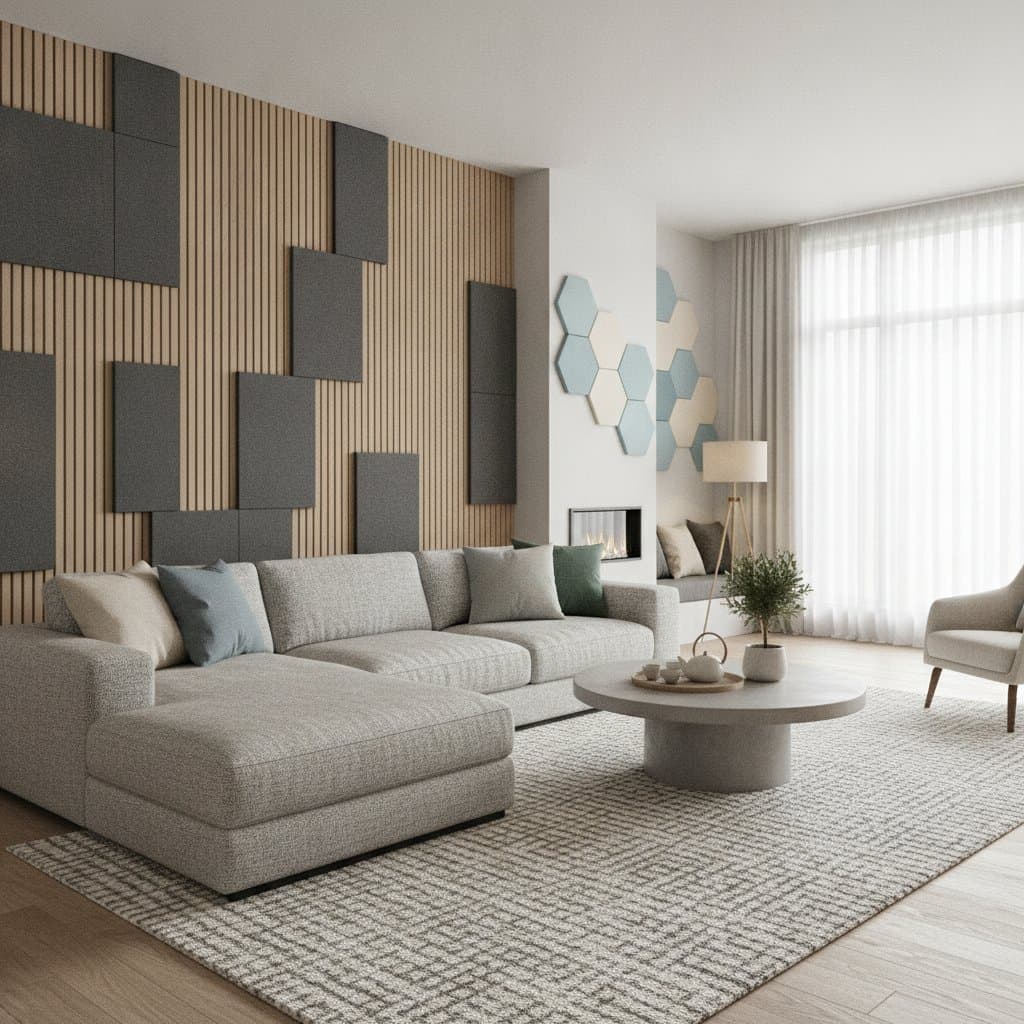
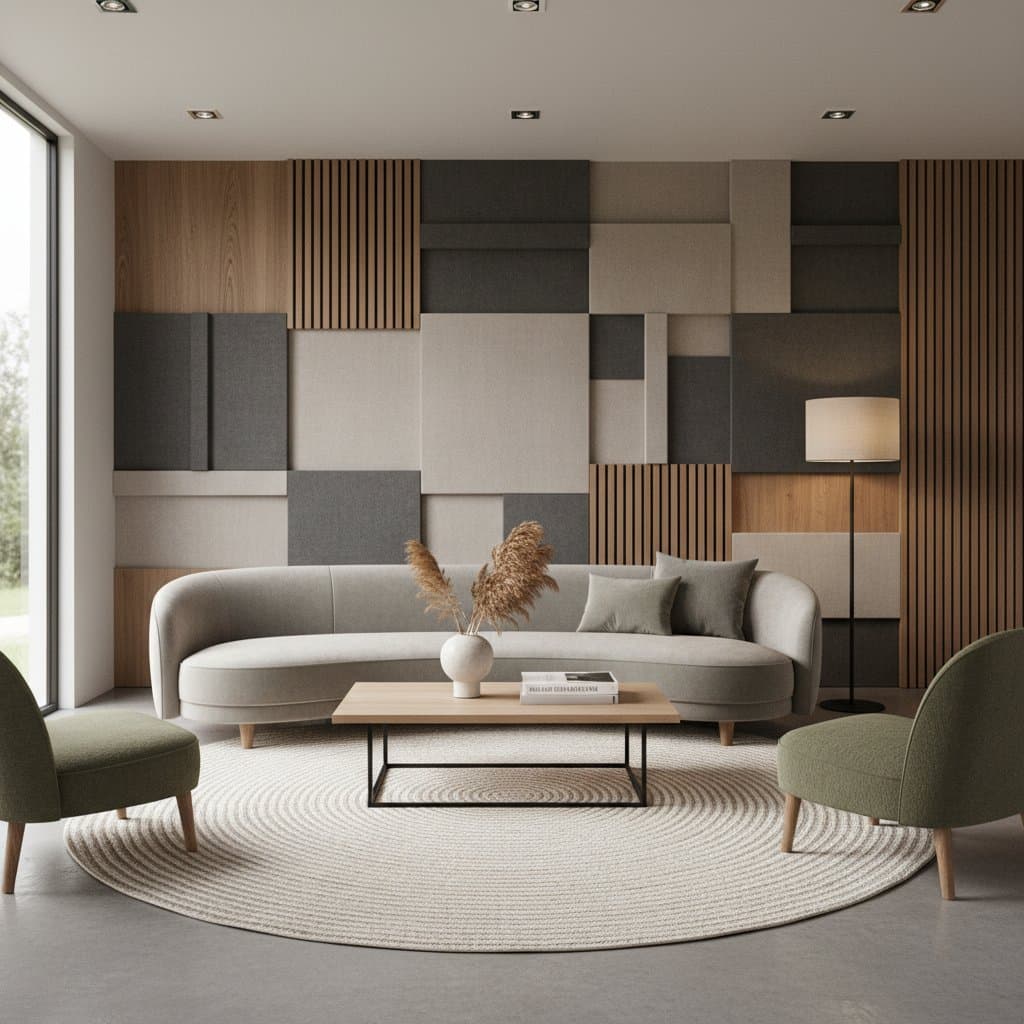
The beauty of this approach lies in blending comfort and style. Materials like wool felt, oak slats, or upholstered fabric can look refined while absorbing sound waves. Instead of hiding them, many homeowners now use acoustic panels as intentional design statements. For instance, wool felt panels in muted grays absorb mid-range frequencies effectively, while oak slats provide a natural diffusion for higher pitches.
Choosing Panels That Match Your Style
The variety of acoustic panels available makes it easy to find something that feels natural in your home. Consider how you want your living room to feel before selecting materials and colors. Evaluate the room's lighting and existing furniture to ensure harmony.
For a cozy, layered space:
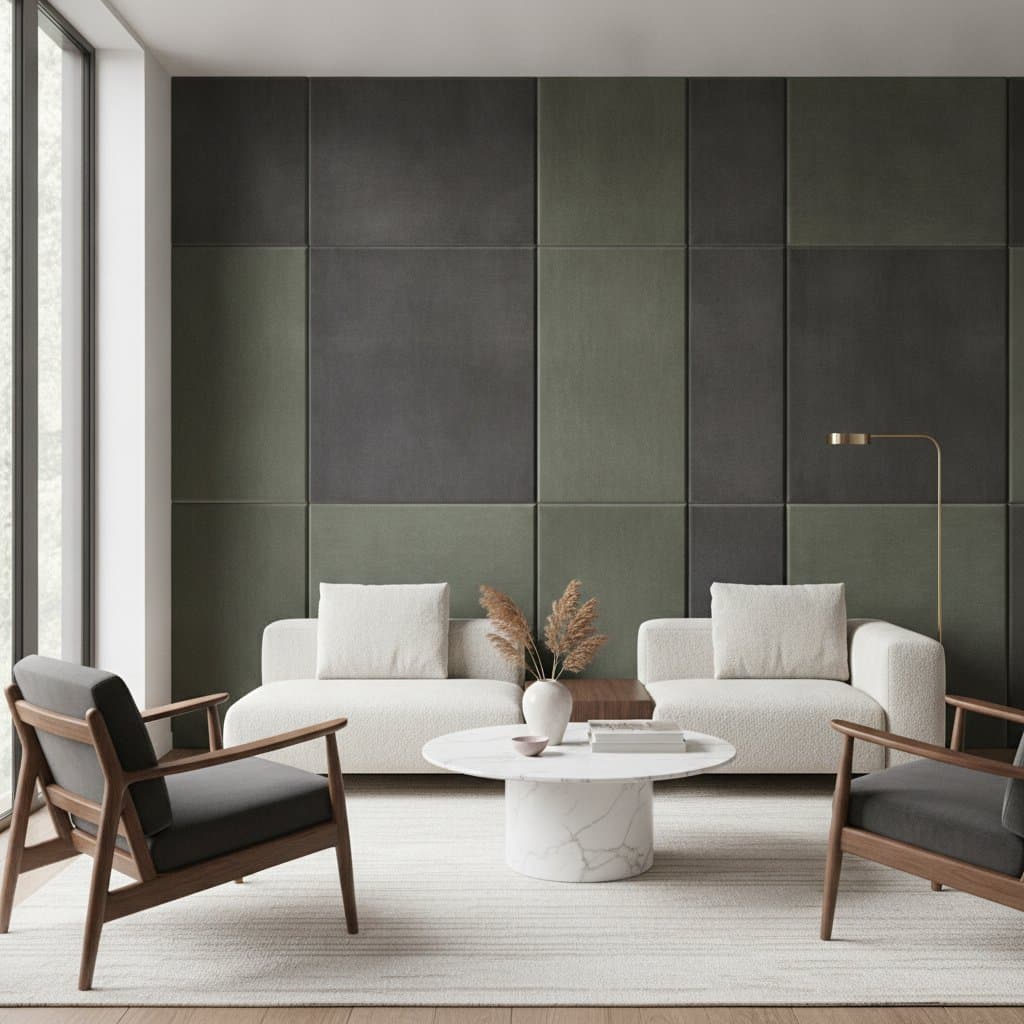
Fabric-covered panels in soft neutrals or earthy tones can bring warmth. Look for linen, cotton, or felt finishes that catch light gently and add tactile comfort. These materials typically achieve a noise reduction coefficient of 0.5 to 0.8, ideal for everyday chatter.
For a sleek, modern look:
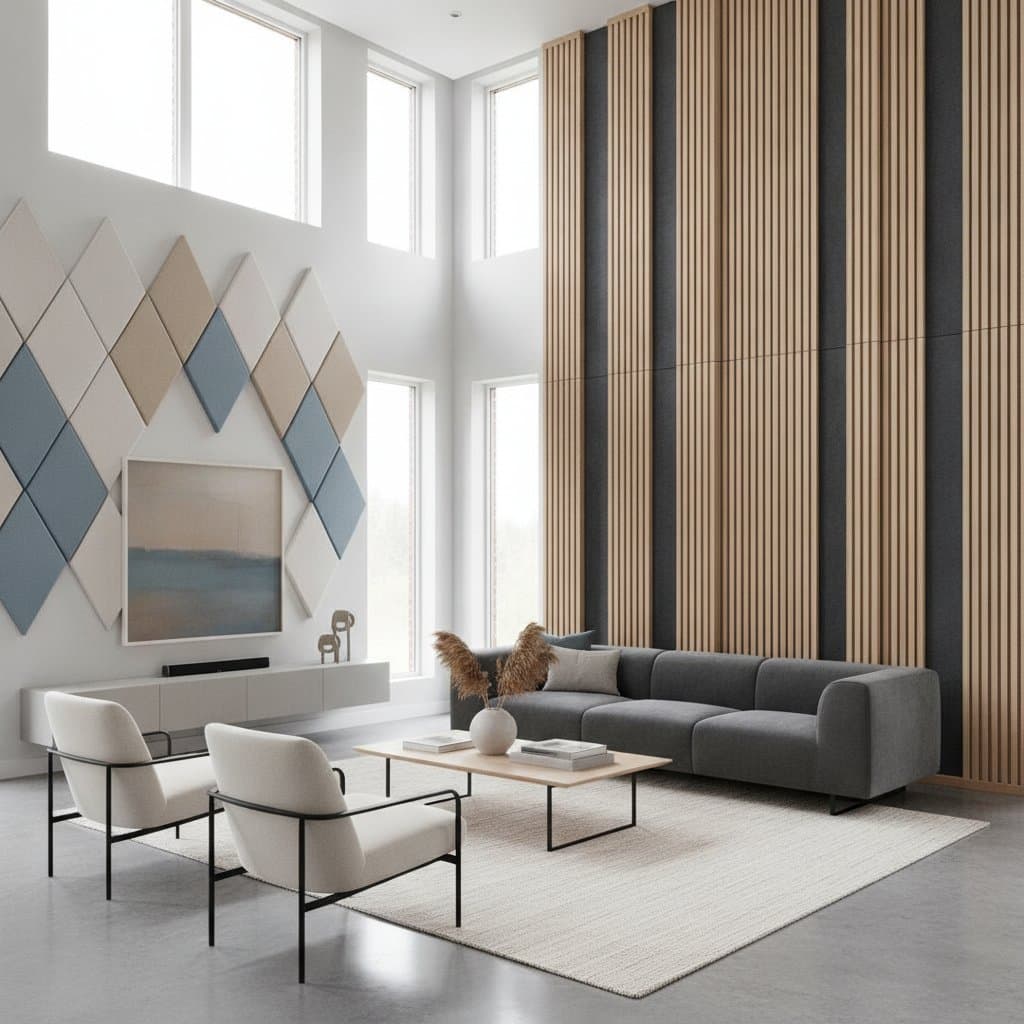
Wooden slat panels with acoustic backing create texture without visual clutter. Vertical or horizontal lines can subtly elongate the room and add structure to minimalist designs. Opt for sustainably sourced woods like bamboo or reclaimed oak for an eco-friendly touch.
For an artistic statement:
Printed or shaped acoustic tiles can mimic artwork. Some brands offer customizable designs so the panels become part of your wall decor rather than hidden behind it. Experiment with geometric patterns or abstract prints to draw the eye without overwhelming the space.
Simple Placement Ideas
Start by identifying the spots where sound tends to bounce. Large bare walls, high ceilings, or rooms with minimal fabrics often amplify noise. You do not need to cover every surface, only enough to reduce echo. Aim for 20 to 30 percent wall coverage to achieve noticeable improvement without altering the room's character.
Here are a few placement ideas that balance beauty and function:
- Behind the sofa: Arrange panels in a grid or staggered pattern to form a visual anchor. This position captures sound from the main seating area effectively.
- Above the TV or media console: This helps tone down sound reflection while framing the entertainment area. Use panels that match the console's finish for seamless integration.
- On a feature wall: Choose panels that complement your artwork or lighting for a subtle layered effect. Position them at eye level to enhance the room's focal point.
- In reading corners: Smaller, framed panels can define the space and make it feel more intimate. Pair them with a comfortable chair to create a personal retreat.
- Along hallways or entry walls: Acoustic panels here reduce sound travel between rooms and add visual rhythm. Select slim profiles to maintain an open feel.
Take a moment to step back after hanging a few panels. Notice how the space feels calmer, as if the air itself has softened. Test by playing music or speaking at normal volume to gauge the difference.
The Art of Layering Textures
Sound absorption works best when combined with other soft materials. Once your panels are in place, add complementary textures to complete the effect. This multi-layered strategy can improve overall acoustics by up to 50 percent.
- Rugs: A thick area rug grounds the space and helps absorb lower frequencies. Choose wool or synthetic blends with dense pile for maximum impact.
- Curtains: Heavy drapes or layered sheers reduce sound reflection from windows. Floor-length options in velvet or linen provide both style and function.
- Cushions and throws: These small touches contribute to both comfort and acoustic balance. Scatter them on sofas and chairs to distribute absorption evenly.
- Plants: Large leafy plants help diffuse sound naturally while adding freshness. Position fiddle-leaf figs or monstera near hard surfaces for optimal diffusion.
Together, these elements create a sensory harmony that feels both stylish and peaceful. The result is a living room that invites relaxation without sacrificing vibrancy.
Overcoming Common Hesitations
Some people hesitate to install acoustic panels because they worry about cost or complexity. Start small. Even a few strategically placed panels can make a noticeable difference. Budget options start at $50 per square foot, with premium designs reaching $150.
You can install most panels with simple mounting strips or hooks, avoiding major wall work. Follow manufacturer instructions for secure adhesion, and use a level to ensure straight alignment.
If you are renting, look for lightweight options that can be removed without damage. Peel-and-stick panels or smaller framed styles are ideal for temporary setups. These adhere with removable adhesive, leaving no residue.
Another concern is appearance. Gone are the days when acoustic solutions looked purely technical. Many modern designs resemble wall art, woven textiles, or sculptural pieces. They are meant to be seen and appreciated, not hidden. Browse collections from brands like GIK Acoustics or Vicoustic for inspiration.
A Weekend Project to Quiet Your Space
Transforming your living room with acoustic decor can be an enjoyable two-day project. Gather tools like a tape measure, stud finder, and mounting hardware in advance.
Day One: Plan and prep.
Spend time assessing your sound needs. Clap in different parts of the room to identify echo zones. Measure wall areas and note furniture placement. Choose panel colors and textures that support your existing palette. Sketch a layout to visualize coverage.
Day Two: Install and style.
Mount the panels carefully, spacing them evenly for a balanced look. Once they are secure, layer in soft furnishings and art to tie the design together. By evening, you will notice how much smoother conversation sounds and how relaxing the room feels. Fine-tune by adjusting any panels that seem out of place.
Living with Your Refined Soundscape
When the hum of daily life fades into a gentle background, the living room becomes a place of ease. Acoustic panels that double as decor bring both beauty and tranquility. They remind us that comfort is not only about what we see but also what we hear.
Keep nurturing the space by maintaining fabrics and occasionally adjusting the arrangement as your furniture layout changes. Add new textures or artwork over time to keep the design fresh. Most importantly, enjoy the new rhythm of your home. With thoughtful acoustic decor, you have created a setting that welcomes conversation, quiet reflection, and everything in between. Each sound now has its place, and your living room feels like it can finally breathe.