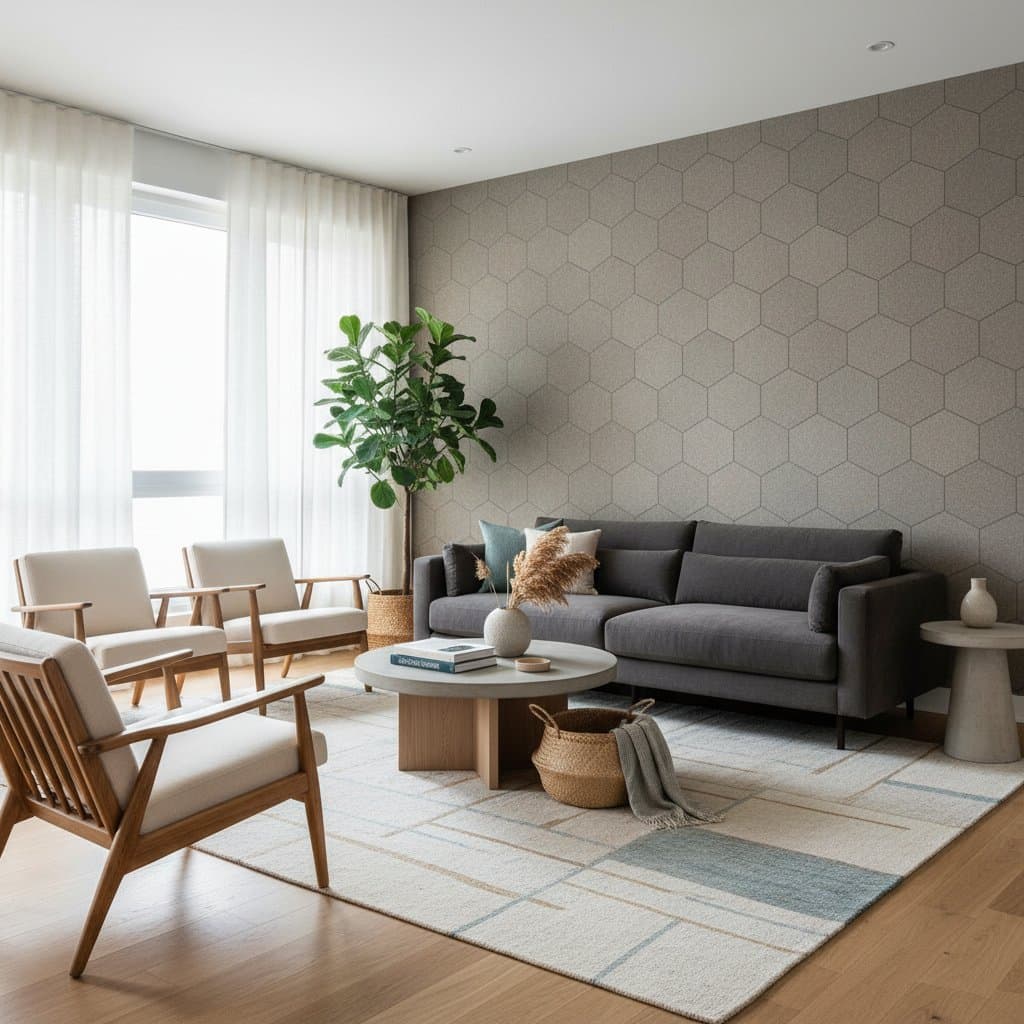
Stylish Acoustic Panels: Where Art Meets Acoustic Engineering
Consider the frustration of settling into an evening of relaxation, only to have every footstep, dripping faucet, or ringing telephone reverberate through the space. Sounds ricochet off hard surfaces, turning a peaceful retreat into an unintended symphony of echoes. Stylish acoustic panels address this issue effectively. They mitigate auditory disruptions, refine spatial acoustics, and elevate the environment from clamor to tranquility. Notably, these panels transcend their utilitarian origins; contemporary designs function as integral elements of decor, combining aesthetic innovation with acoustic performance.
This exploration examines how acoustic panels harmonize form and function, highlighting their potential as an intelligent and visually compelling solution for interior enhancement.
The Principles of Subtle Sound Management
Decorative acoustic panels excel through their understated elegance. Observers appreciate the interplay of textures, hues, and forms, while experiencing a profound sense of serenity. These panels operate discreetly, attenuating harsh reverberations and indistinct voices. The resulting shift proves imperceptible until contrasted with untreated spaces; once accustomed to optimized acoustics, unmodified rooms appear excessively resonant.
View acoustic panels as refined modulators for auditory environments. They enhance the sensory quality of a space without demanding focal attention. In settings such as home offices, living areas, or sleeping quarters, appropriate panels deepen engagement with the surroundings.
Strategic Applications in Residential Spaces
Acoustic panels offer remarkable versatility, adapting to diverse areas where sound dynamics falter.
- Living Rooms: Mitigate reverberations in expansive, open-plan configurations with rigid flooring and furnishings.
- Home Offices: Ensure professional audio quality during virtual meetings and alleviate auditory strain over extended periods.
- Bedrooms: Suppress external disturbances to promote restorative sleep environments.
- Dining Areas: Facilitate natural dialogue amid the resonance of utensils and ambient sounds.
- Media Rooms: Optimize audio distribution for immersive, theater-like engagements.
Targeted interventions yield significant improvements. Positioning a single panel or a modest cluster at reflection points alters perceptual acoustics substantially. The objective remains equilibrium rather than absolute muting, preserving vitality while eliminating excess.
Tangible and Intangible Advantages
Acoustic panels deliver benefits extending beyond mere echo suppression. They facilitate smoother interactions, heightened focus, and elevated overall well-being. Effectively, they calibrate spaces to align with individual rhythms and needs.
Psychological Well-Being: Auditory environments influence emotional states. Reduced noise levels cultivate composure, potentially diminishing tension and infusing areas with a sense of coziness.
Functional Enhancements: Remote professionals benefit from crisp communication and minimized interruptions during tasks.
Aesthetic Integration: Panels harmonize with existing schemes, serving as understated accents or focal features that unify visual narratives.
Such upgrades often prompt enthusiastic discussions with acquaintances, representing a dual investment in sensory and stylistic refinement.
Streamlined Installation Processes
Contemporary acoustic panels prioritize user-friendly assembly. Lightweight fabric iterations typically employ adhesive backing, Z-fasteners, or magnetic attachments for seamless adherence. Heavier wooden slat variants may require secure anchoring with screws, though these methods remain accessible for skilled residents or brief specialist assistance.
For adaptable setups, consider freestanding units or modular screens. These options accommodate evolving layouts, ideal for leased properties or versatile zones. Optimal positioning targets primary reflection zones: position panels behind seating arrangements, across from display screens, or adjacent to expansive glazing to intercept sound paths efficiently.
To maximize efficacy, assess room geometry beforehand. Tools like basic sound meters or intuitive listening tests identify hotspots, ensuring precise deployment without excess materials.
Experiencing the Transformation Daily
Upon installation, auditory shifts manifest rapidly. Environments acquire a softened quality, with dialogues gaining precision and ambient hums receding into unobtrusive layers. This evolution unfolds gradually yet profoundly, enriching routine interactions without overt disruption.
In subsequent days, perceptual changes deepen. Musical reproductions reveal nuanced details, communal meals proceed with effortless exchange, and domestic tranquility becomes a baseline expectation. Acoustic refinement thus emerges not solely as noise control, but as a pathway to enriched living standards.
Implementing Acoustic Enhancements Effectively
Initiate the process by auditing resonant areas within your residence. Evaluate whether to emphasize decorative prominence or seamless integration. Options range from custom-printed panels mimicking gallery pieces to neutral fabric arrays that recede into backdrops.
Incorporate acoustics into broader design strategies from the outset. Collaborate with professionals to align furnishings and materials that either amplify or counteract sound behaviors. This proactive approach yields cohesive results, where auditory comfort complements visual intent seamlessly.
Explore material variations for tailored outcomes: broadloom fabrics suit soft, diffused absorption, while perforated woods enhance mid-range clarity. Budget considerations favor DIY kits for modest projects, with premium customizations reserved for statement installations. Through deliberate selection and placement, acoustic panels elevate spaces into harmonious sanctuaries.